Motion Order Contempt File With Court
Description

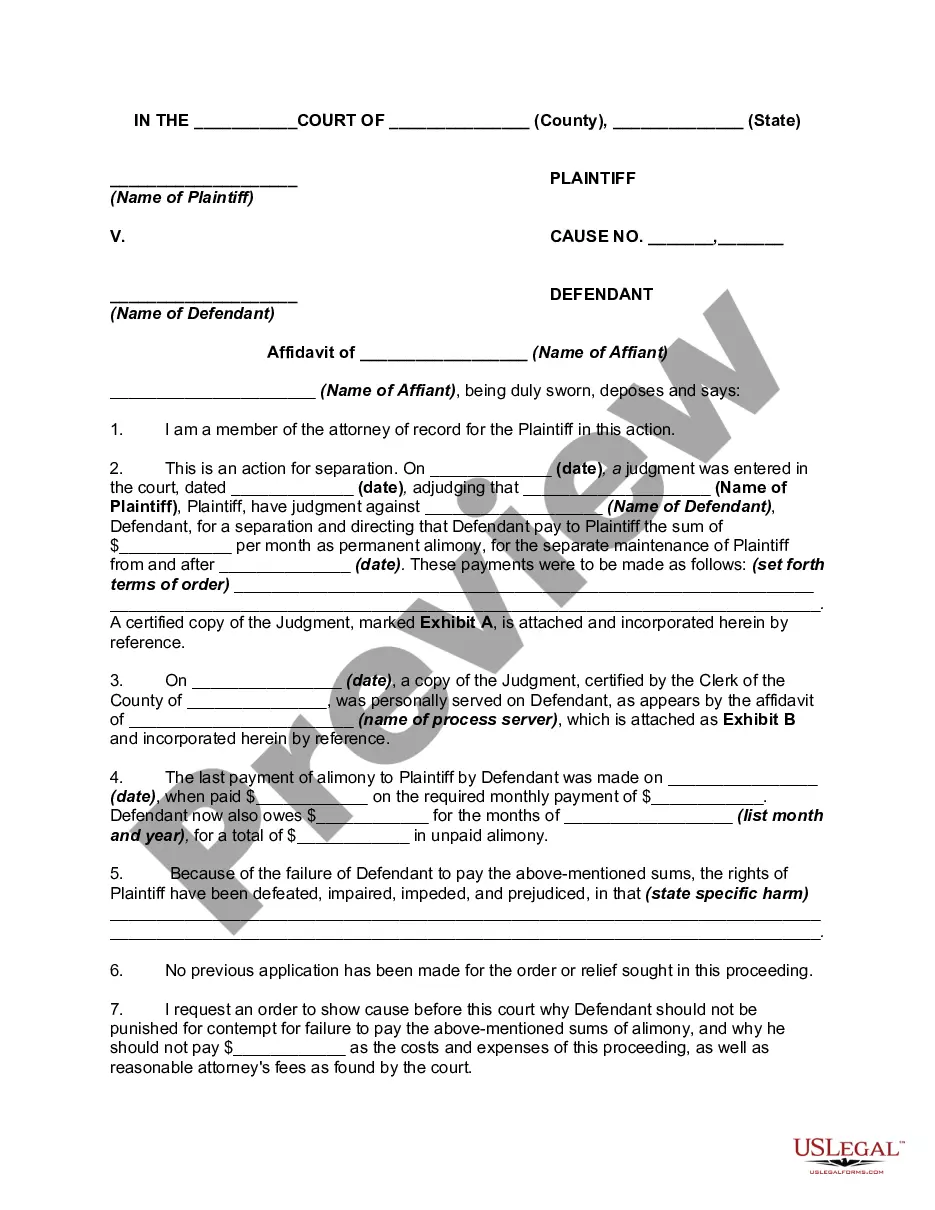
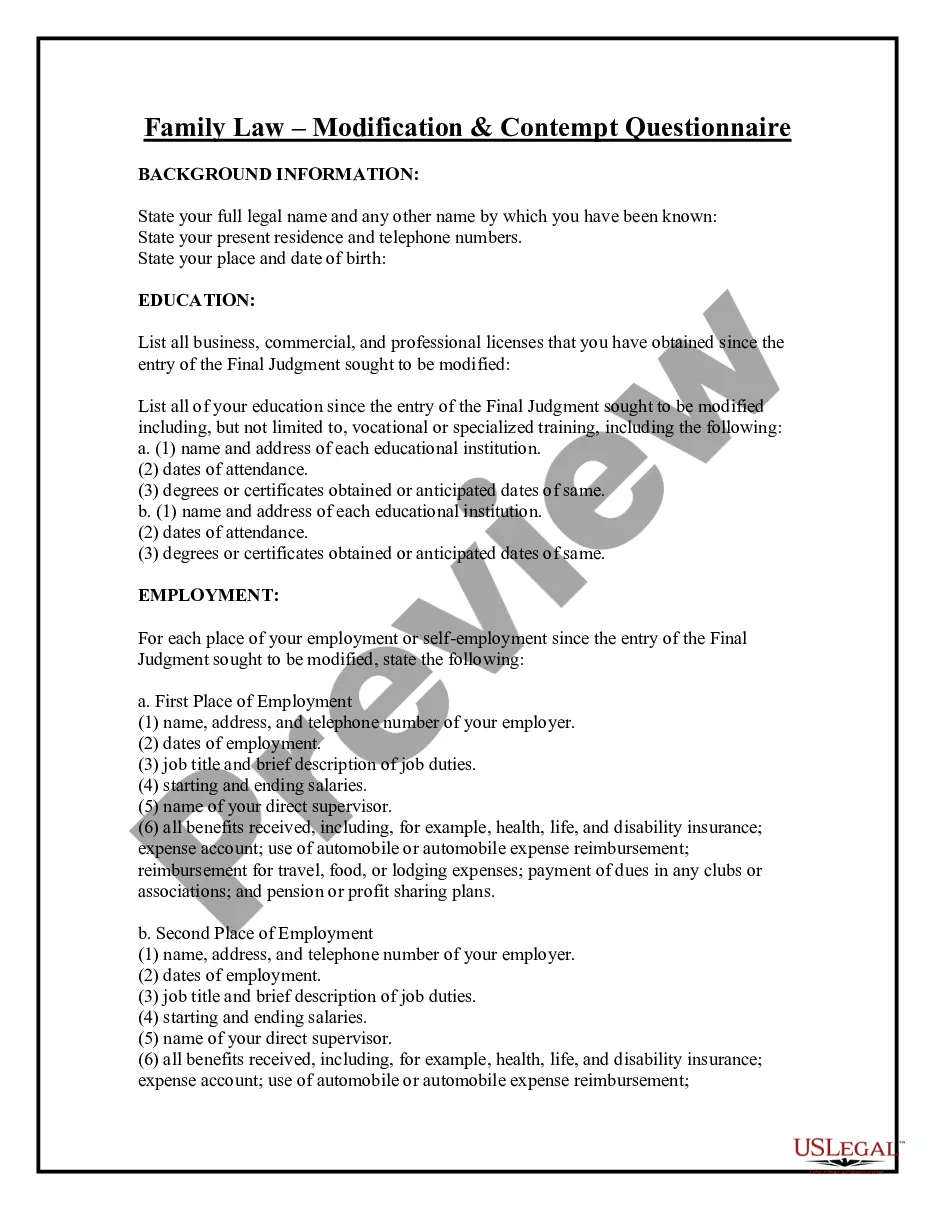
Get your form ready online
Our built-in tools help you complete, sign, share, and store your documents in one place.
Make edits, fill in missing information, and update formatting in US Legal Forms—just like you would in MS Word.
Download a copy, print it, send it by email, or mail it via USPS—whatever works best for your next step.
Sign and collect signatures with our SignNow integration. Send to multiple recipients, set reminders, and more. Go Premium to unlock E-Sign.
If this form requires notarization, complete it online through a secure video call—no need to meet a notary in person or wait for an appointment.
We protect your documents and personal data by following strict security and privacy standards.

Make edits, fill in missing information, and update formatting in US Legal Forms—just like you would in MS Word.

Download a copy, print it, send it by email, or mail it via USPS—whatever works best for your next step.

Sign and collect signatures with our SignNow integration. Send to multiple recipients, set reminders, and more. Go Premium to unlock E-Sign.

If this form requires notarization, complete it online through a secure video call—no need to meet a notary in person or wait for an appointment.

We protect your documents and personal data by following strict security and privacy standards.
Looking for another form?






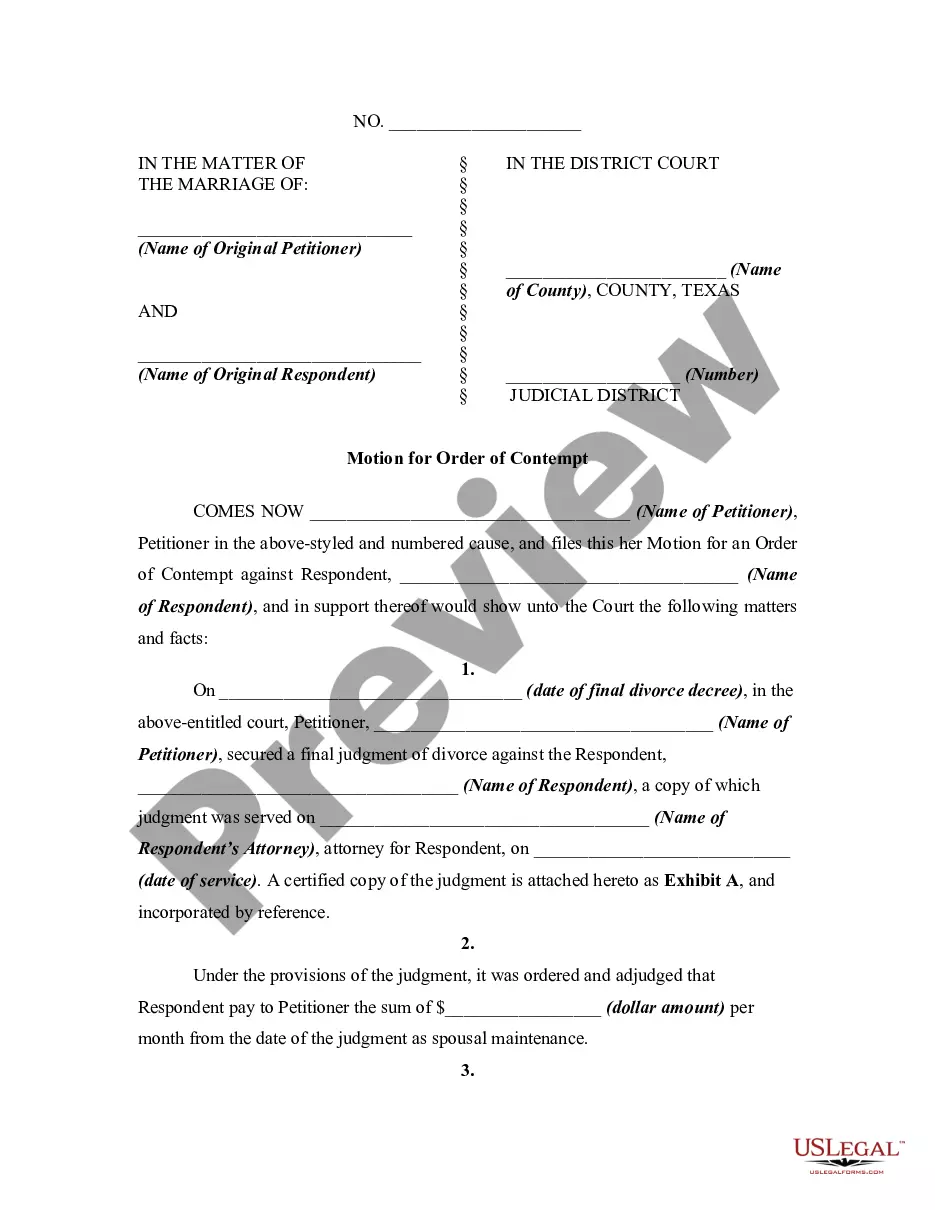
How to fill out Texas Motion For Order Of Contempt For Failure To Pay Spousal Maintenance?
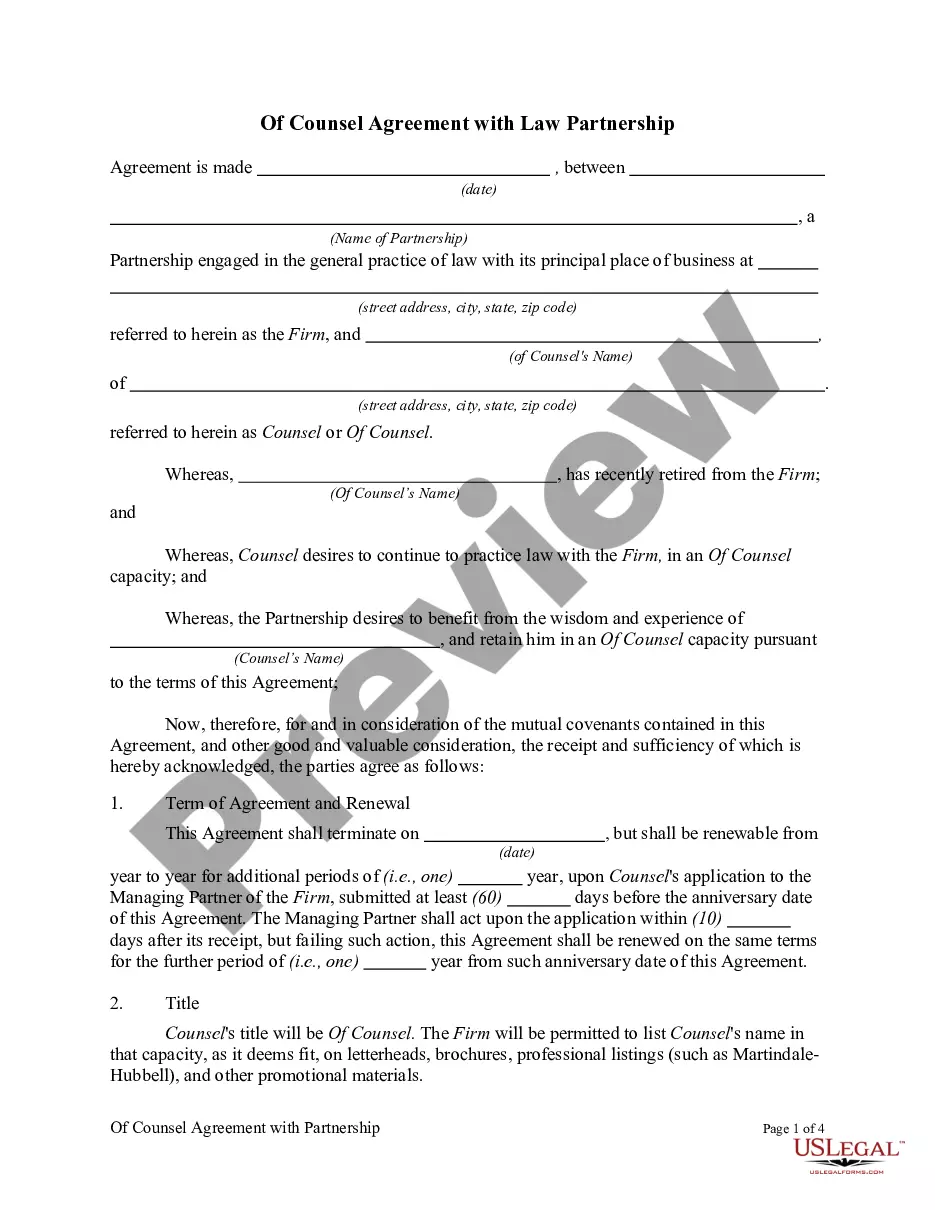
It’s common knowledge that you cannot become a legal authority instantly, nor can you swiftly learn how to prepare a Motion Order Contempt File With Court without possessing a specialized skill set.
Drafting legal documents is a lengthy process necessitating specific training and abilities. So why not entrust the creation of the Motion Order Contempt File With Court to the experts.
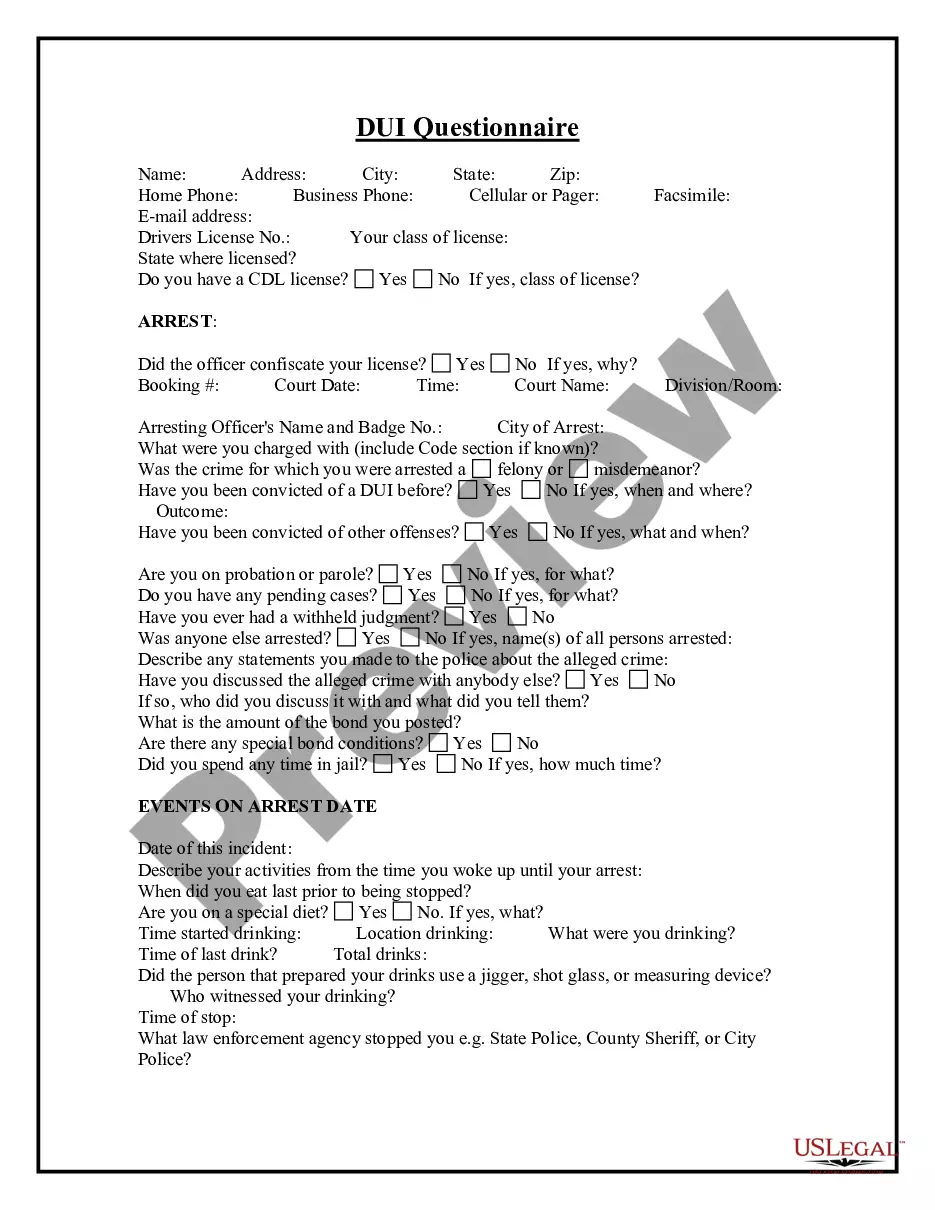
With US Legal Forms, one of the most extensive legal template libraries, you can find everything from court documents to templates for internal business communications.
If you need a different template, restart your search.
Create a free account and choose a subscription plan to purchase the template. Select Buy now. Once the payment is finalized, you can access the Motion Order Contempt File With Court, complete it, print it, and send or mail it to the designated recipients or organizations.
- Understand how essential compliance and adherence to federal and local laws and regulations are.
- That’s why, on our platform, all templates are location-specific and current.
- Here’s how to begin using our platform and obtain the document you require in just minutes.
- Locate the form you need using the search bar at the top of the page.
- Preview it (if this option is available) and read the accompanying description to determine if the Motion Order Contempt File With Court is what you seek.
Form popularity
FAQ
Upon responding to a motion for contempt, a defendant may either lodge a defense or he or she may purge the contempt by complying with the court's order and remedying any past due support obligations. The defendant responds by filing an answer. The answer may contain defenses against the contempt action.
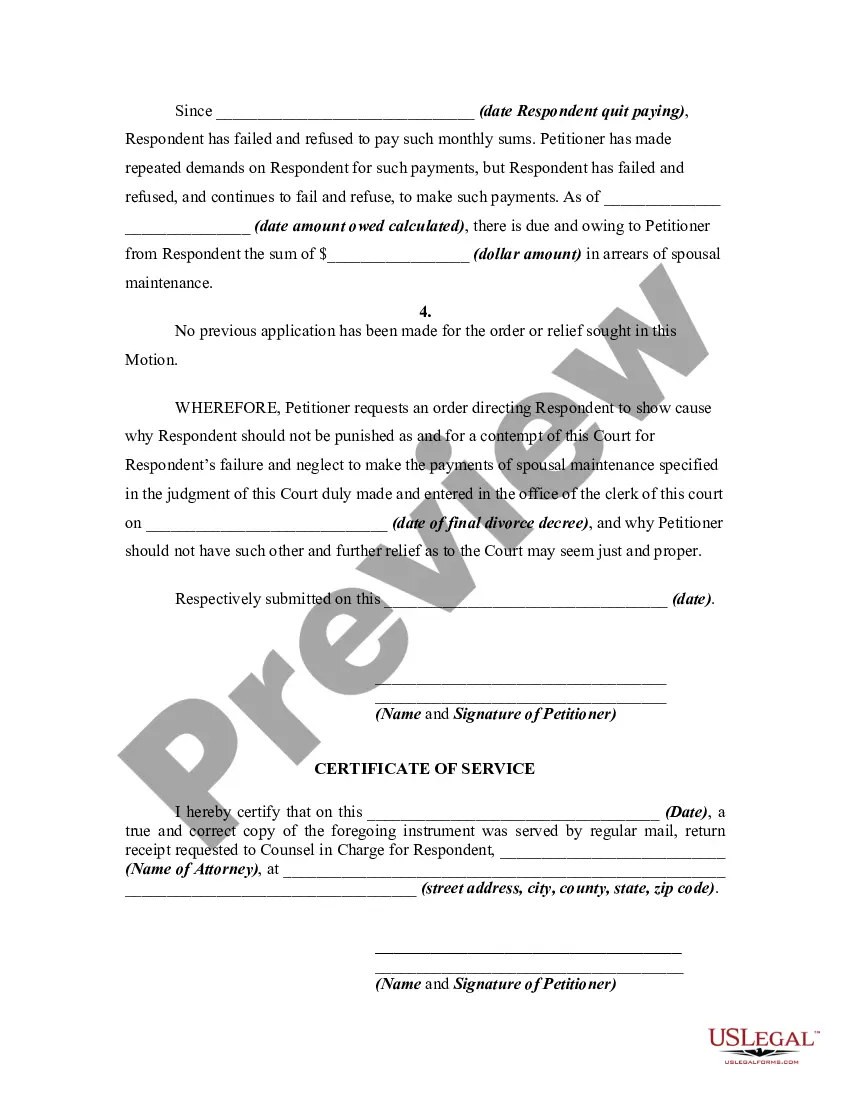
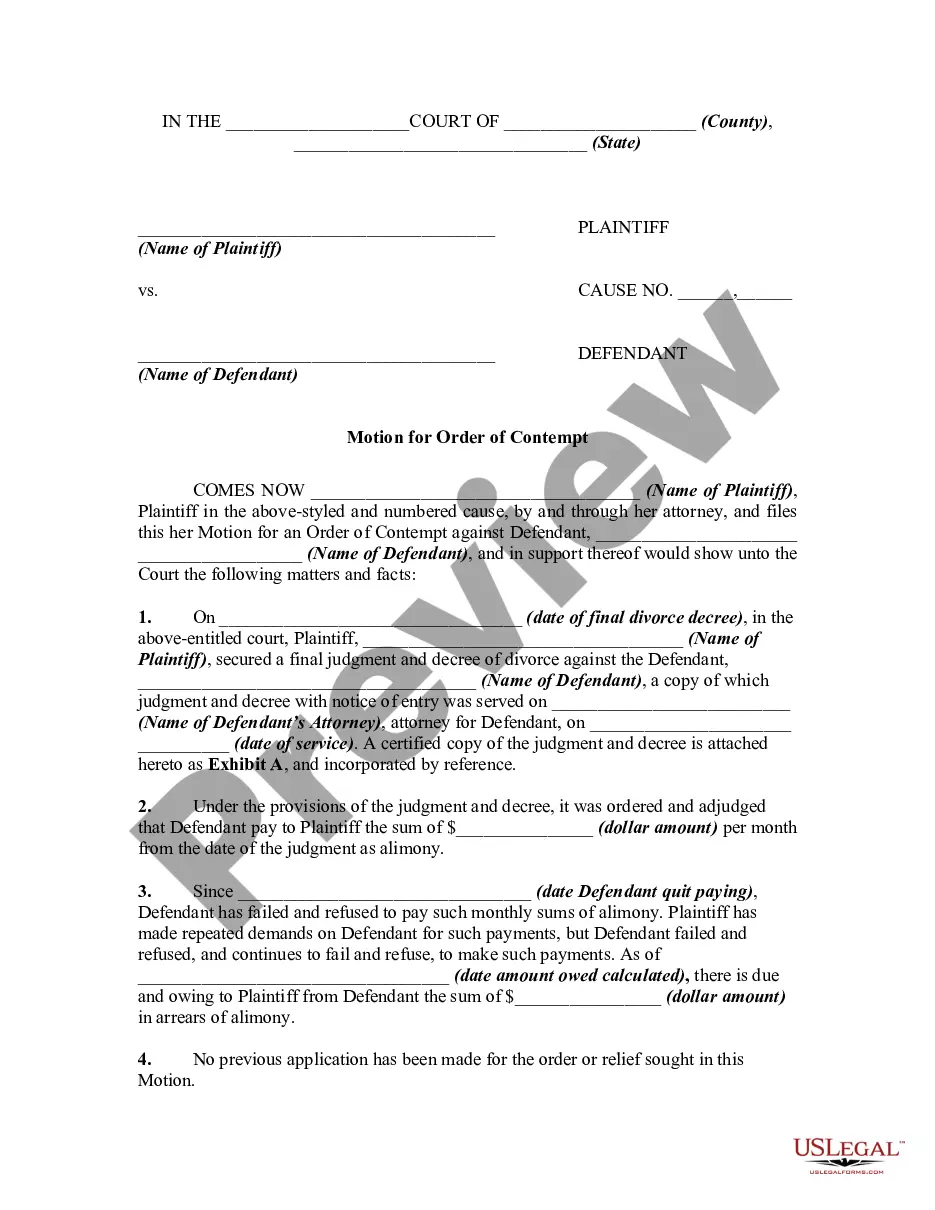
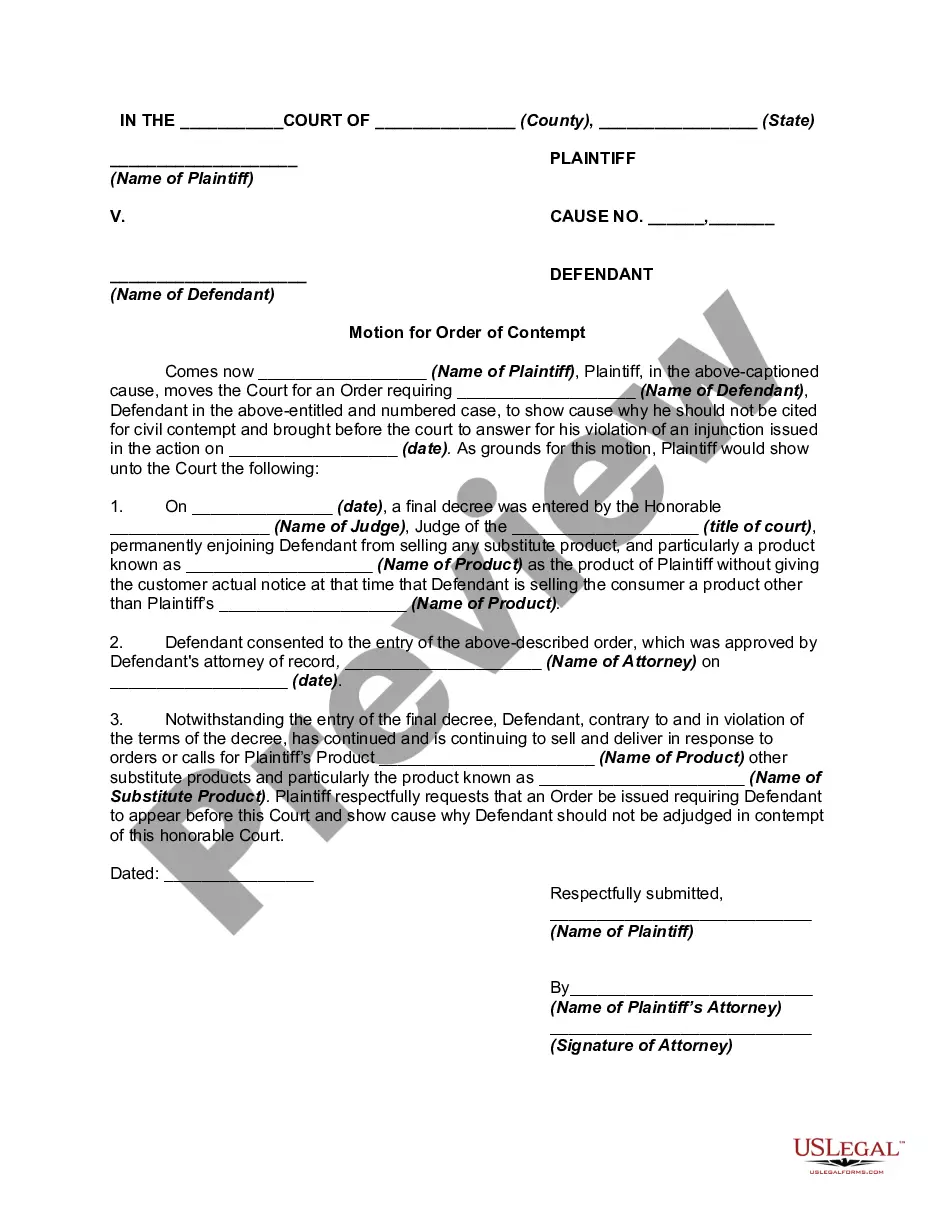
The Process of Filing for Contempt The motion explains to the court what the order that has been violated states, and how the other party is violating the order. The motion asks the court to order the other party to appear in court and show cause why he or she should not be punished for disobeying the court's order.
You must explain what the other party has failed to do. This form must be signed before a notary public and a copy must be furnished to the other party by mail, fax and mail, or hand delivery. If you want to be sure of service, the motion should be personally served by a sheriff or process server.
After filing, the motion must be served to the opposing party, providing them with an opportunity to respond. The court then schedules a hearing where both parties present their arguments. Proving contempt of court requires clear and convincing evidence that the respondent has willfully violated a court order.
A motion for contempt is used to enforce a court order. Basically, a person might be found in contempt if they disobeyed a court order. In your case, you are filing the motion because your co-parent has violated or continues to violate the child custody order.