What Is Deed
Description
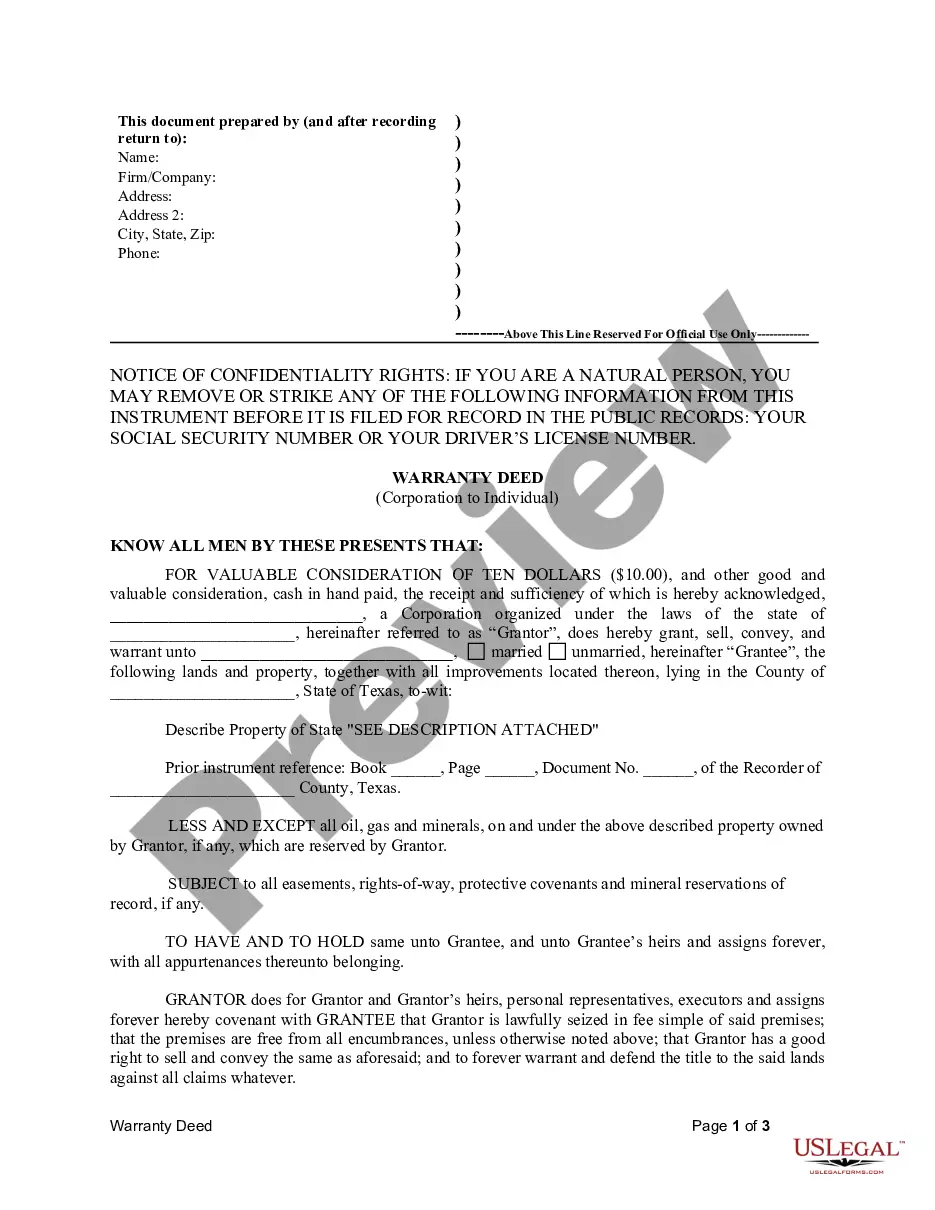
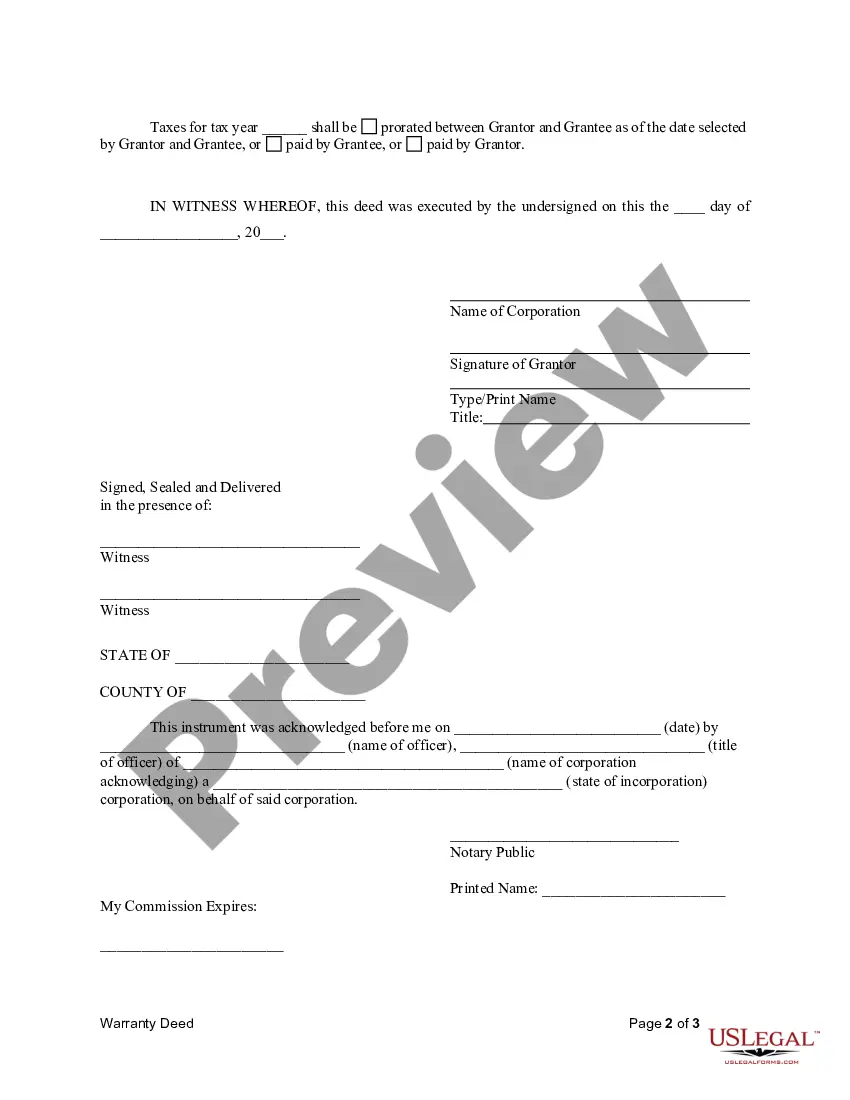
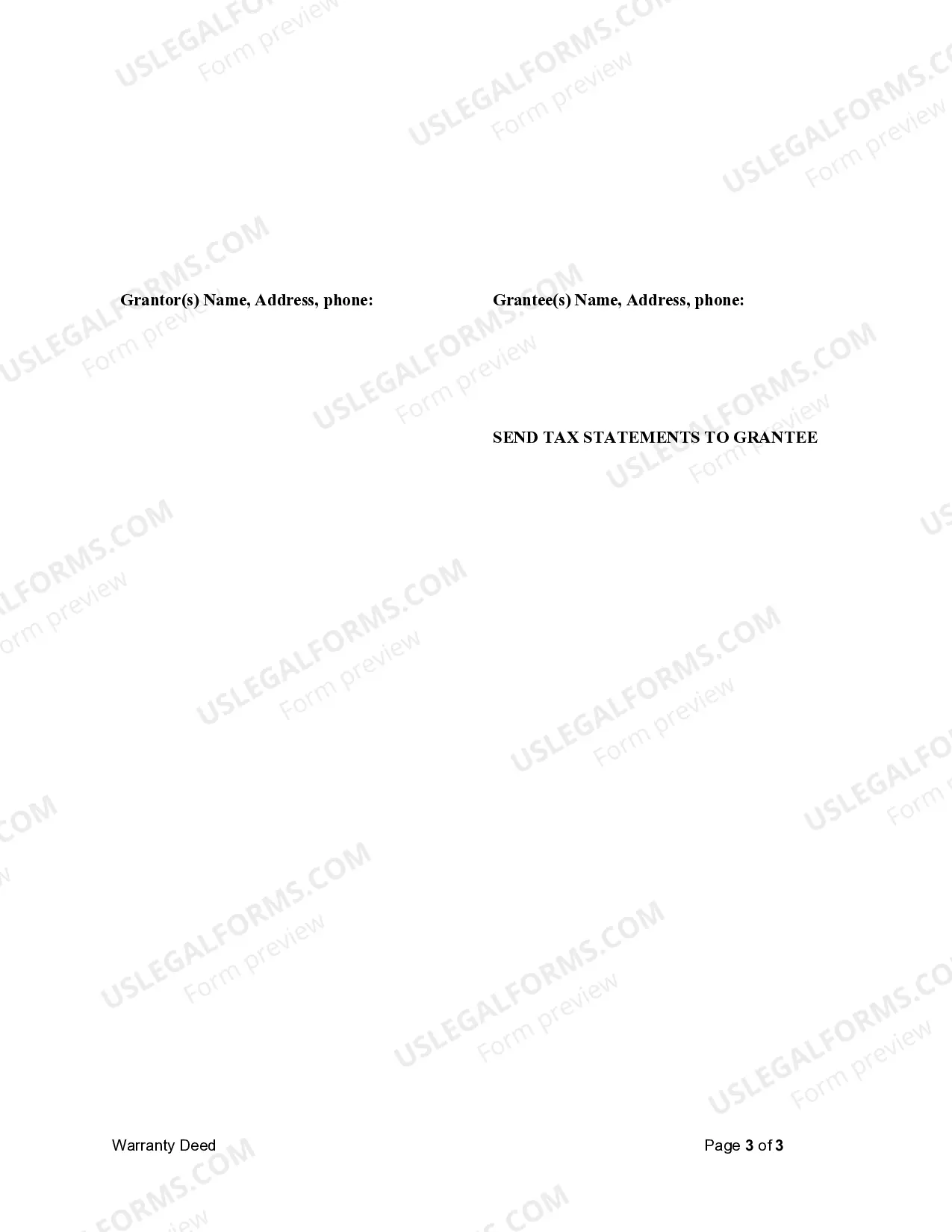
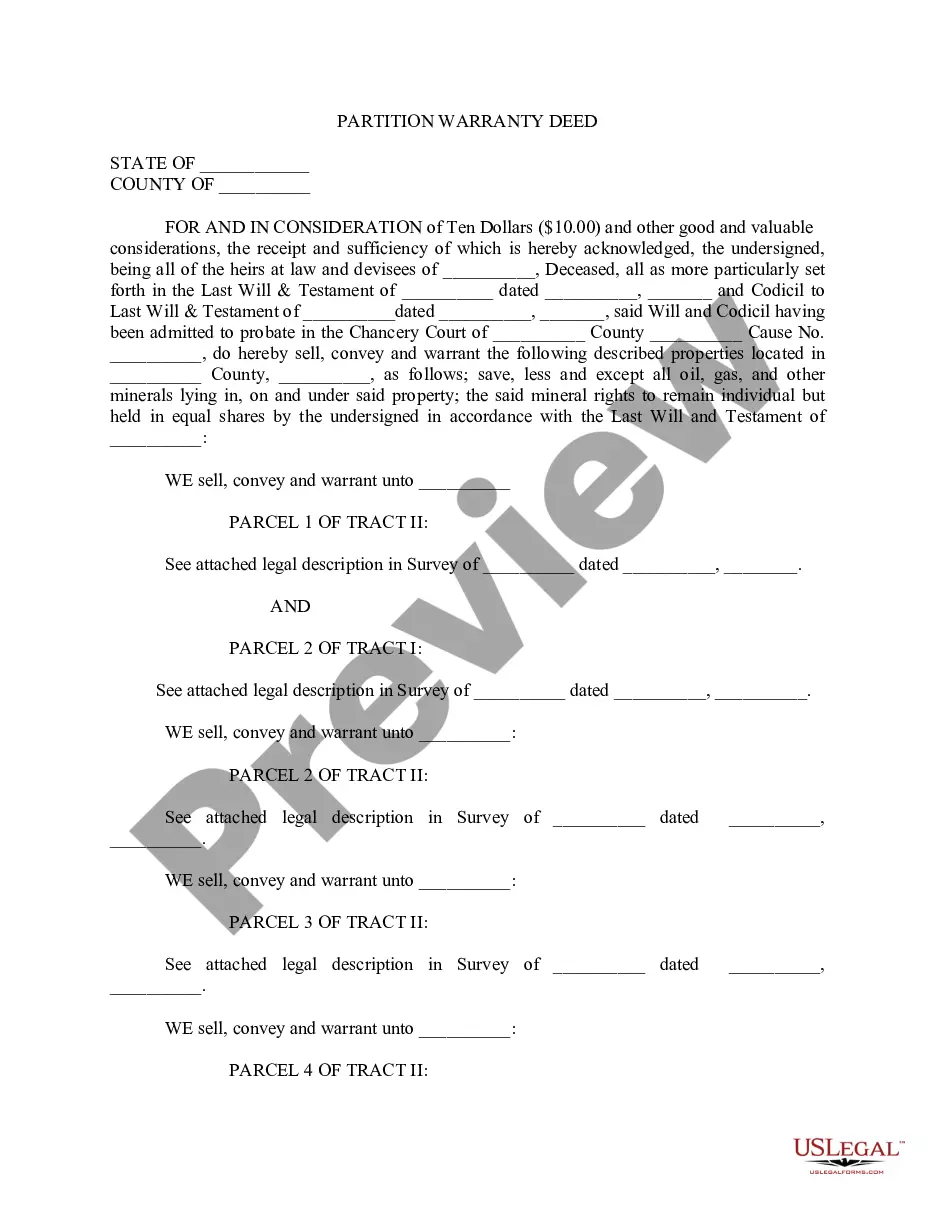

Get your form ready online
Our built-in tools help you complete, sign, share, and store your documents in one place.
Make edits, fill in missing information, and update formatting in US Legal Forms—just like you would in MS Word.
Download a copy, print it, send it by email, or mail it via USPS—whatever works best for your next step.
Sign and collect signatures with our SignNow integration. Send to multiple recipients, set reminders, and more. Go Premium to unlock E-Sign.
If this form requires notarization, complete it online through a secure video call—no need to meet a notary in person or wait for an appointment.
We protect your documents and personal data by following strict security and privacy standards.

Make edits, fill in missing information, and update formatting in US Legal Forms—just like you would in MS Word.

Download a copy, print it, send it by email, or mail it via USPS—whatever works best for your next step.

Sign and collect signatures with our SignNow integration. Send to multiple recipients, set reminders, and more. Go Premium to unlock E-Sign.

If this form requires notarization, complete it online through a secure video call—no need to meet a notary in person or wait for an appointment.

We protect your documents and personal data by following strict security and privacy standards.
Looking for another form?





How to fill out Texas Warranty Deed From Corporation To Individual?
- Log into your US Legal Forms account if you're a returning user. Ensure your subscription remains active and click the Download button for your desired form.
- For first-time users, start by browsing in Preview mode. Review the form descriptions to confirm they align with your local jurisdiction's specifications.
- If necessary, utilize the Search tab to find alternative templates that match your requirements more closely.
- After selecting the correct document, click the Buy Now button and choose a suitable subscription plan. Register an account to gain full access to the legal library.
- Proceed to payment by entering your credit card details or using PayPal, confirming your subscription.
- Finally, download the form to your device. You’ll also find it conveniently listed under 'My Forms' in your profile for future reference.
In summary, US Legal Forms offers a robust platform that simplifies the process of obtaining legal documents, making it accessible to both individuals and legal professionals. With over 85,000 forms available, you can find what you need quickly and accurately.
Take the hassle out of legal documentation—visit US Legal Forms today to access your personalized legal solutions!
Form popularity
FAQ
If you lost your original deed, you can obtain a certified copy from your local county clerk's office or recorder's office. It is essential to have a copy of your deed for future transactions, so do not hesitate to request one. Platforms like US Legal Forms can assist you in navigating the steps to recover or replace your lost deed.
To obtain the deed of your house, you can request a copy from your local county clerk or recorder's office. They may require information such as your property address and identification. Additionally, services like US Legal Forms can help streamline this process, making it easier for you to access important documents like your deed.
Yes, every house has a deed. A deed serves as the legal document that establishes ownership of a property. It represents the transfer of ownership and outlines the rights of the homeowner. If you are curious about your home's deed, exploring platforms like US Legal Forms can provide additional insights.
The property deed is generally held by the homeowner, but it can also be held by a bank if there is a mortgage. Understanding what a deed is and who holds it is important for confirming ownership. If you're uncertain, you can contact your mortgage company or check public records for clarity.
To find the title deed to your house, start by checking your local county clerk's office or recorder's office. Many jurisdictions provide online access to property records, where you can search by your name or property address. If you need further assistance, consider using platforms like US Legal Forms, which can guide you through the process of obtaining property documents.
In Maryland, a deed typically includes several essential elements, such as the legal description of the property, the names of the parties involved, and signatures of the grantors. The format may vary slightly, but the general structure remains consistent. Exploring what is deed in Maryland can give you insights into the legal requirements when buying or selling property in the state.
A deed and a title are not the same, though they relate closely to property ownership. The deed is the legal document that effects the transfer of ownership, while the title signifies the rights to that property. Understanding the difference can assist in managing your property rights better. If you're exploring these concepts further, consider our resources at U.S. Legal Forms to clarify your questions.
The purpose of a deed is to convey ownership of real estate from one party to another. It outlines the details of the transfer, including the names of the grantor and grantee, and provides a legal record of this transaction. Essentially, knowing what is deed helps you understand how property rights are transferred and protected.
When a deed is filed, it means that the document has been officially recorded with the appropriate government office. This filing helps establish a public record of ownership and protects the new owner's rights to the property. It is an essential step in ensuring transparency within property transactions. Thus, understanding what is deed and the filing process is crucial for buyers.
Determining what is more important, title or deed, depends on your perspective. The title represents legal ownership, indicating who has the rights associated with the property. On the other hand, the deed is the document that proves the transfer of ownership. Knowing this helps you appreciate both elements in property transactions.