How Does A Sale Deed Look Like
Description

Get your form ready online
Our built-in tools help you complete, sign, share, and store your documents in one place.
Make edits, fill in missing information, and update formatting in US Legal Forms—just like you would in MS Word.
Download a copy, print it, send it by email, or mail it via USPS—whatever works best for your next step.
Sign and collect signatures with our SignNow integration. Send to multiple recipients, set reminders, and more. Go Premium to unlock E-Sign.
If this form requires notarization, complete it online through a secure video call—no need to meet a notary in person or wait for an appointment.
We protect your documents and personal data by following strict security and privacy standards.

Make edits, fill in missing information, and update formatting in US Legal Forms—just like you would in MS Word.

Download a copy, print it, send it by email, or mail it via USPS—whatever works best for your next step.

Sign and collect signatures with our SignNow integration. Send to multiple recipients, set reminders, and more. Go Premium to unlock E-Sign.

If this form requires notarization, complete it online through a secure video call—no need to meet a notary in person or wait for an appointment.

We protect your documents and personal data by following strict security and privacy standards.
Looking for another form?






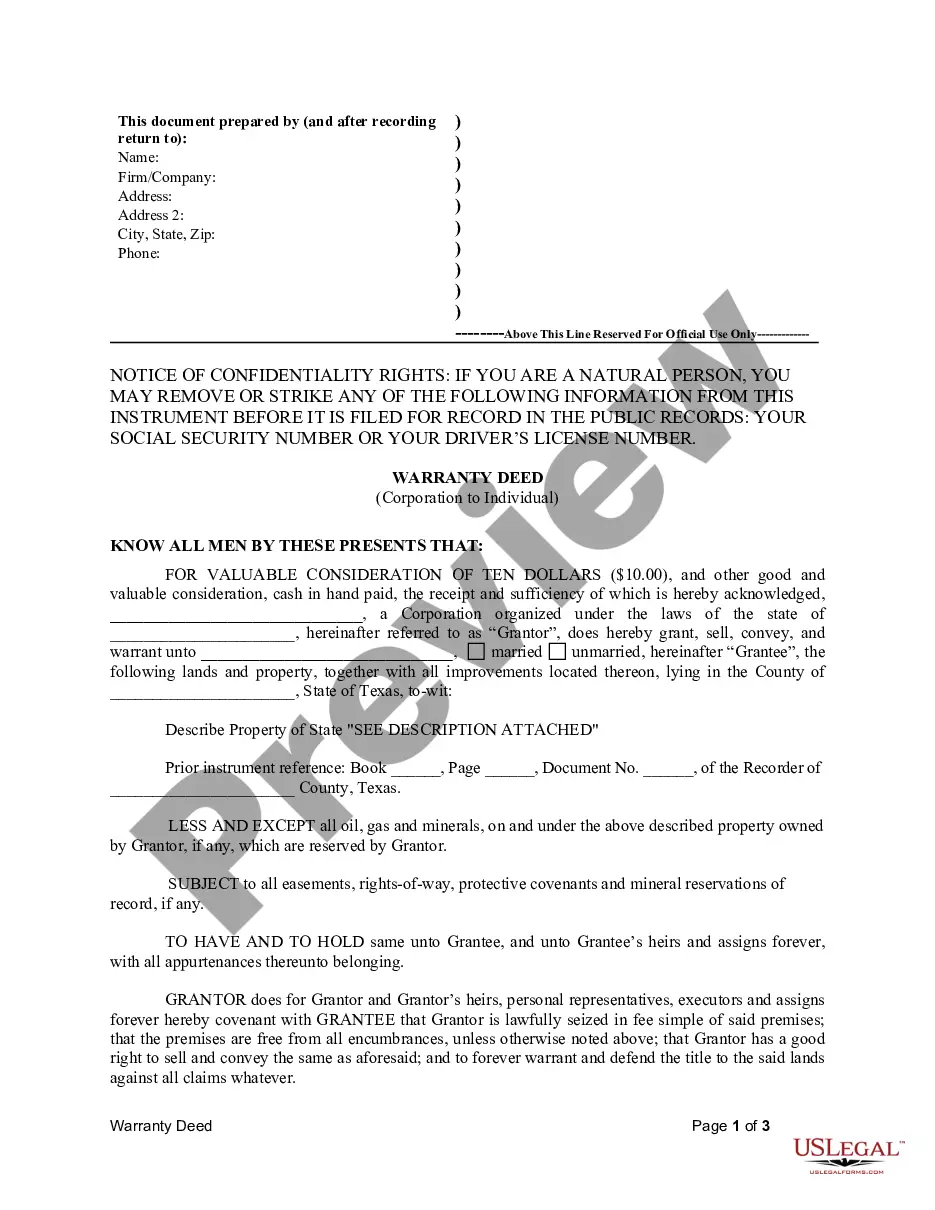
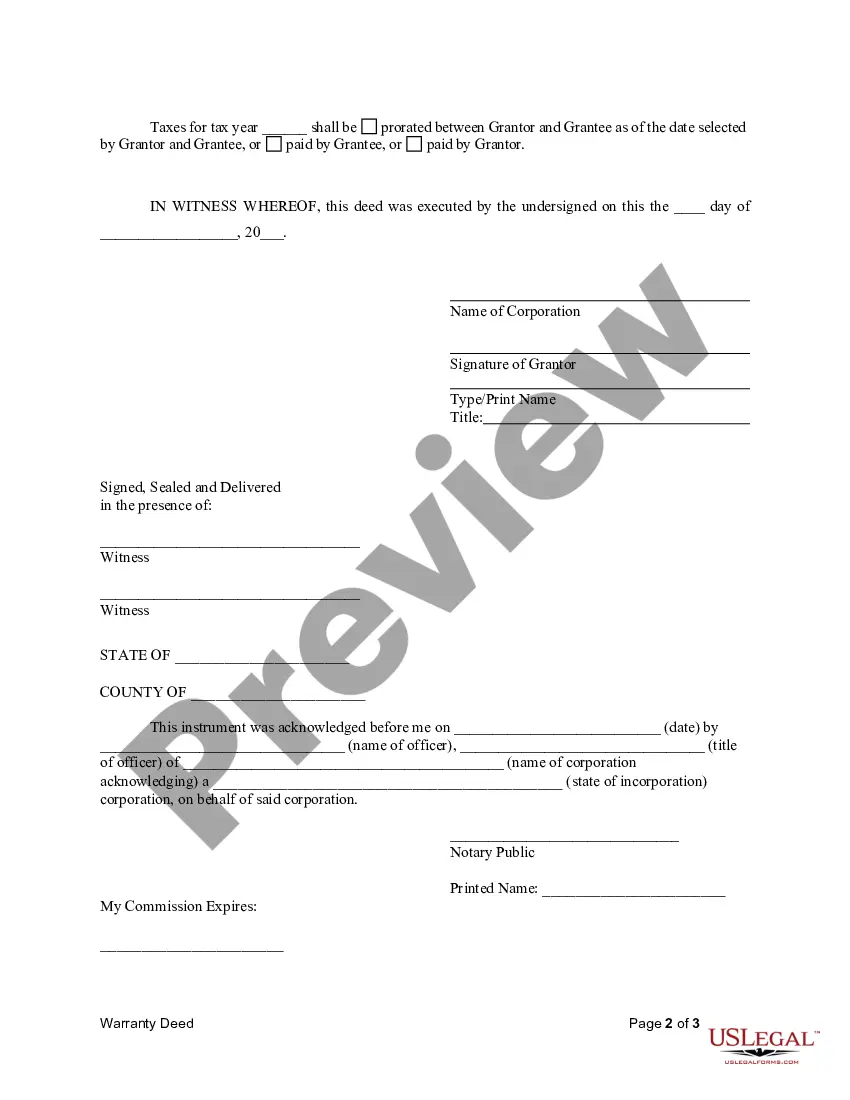
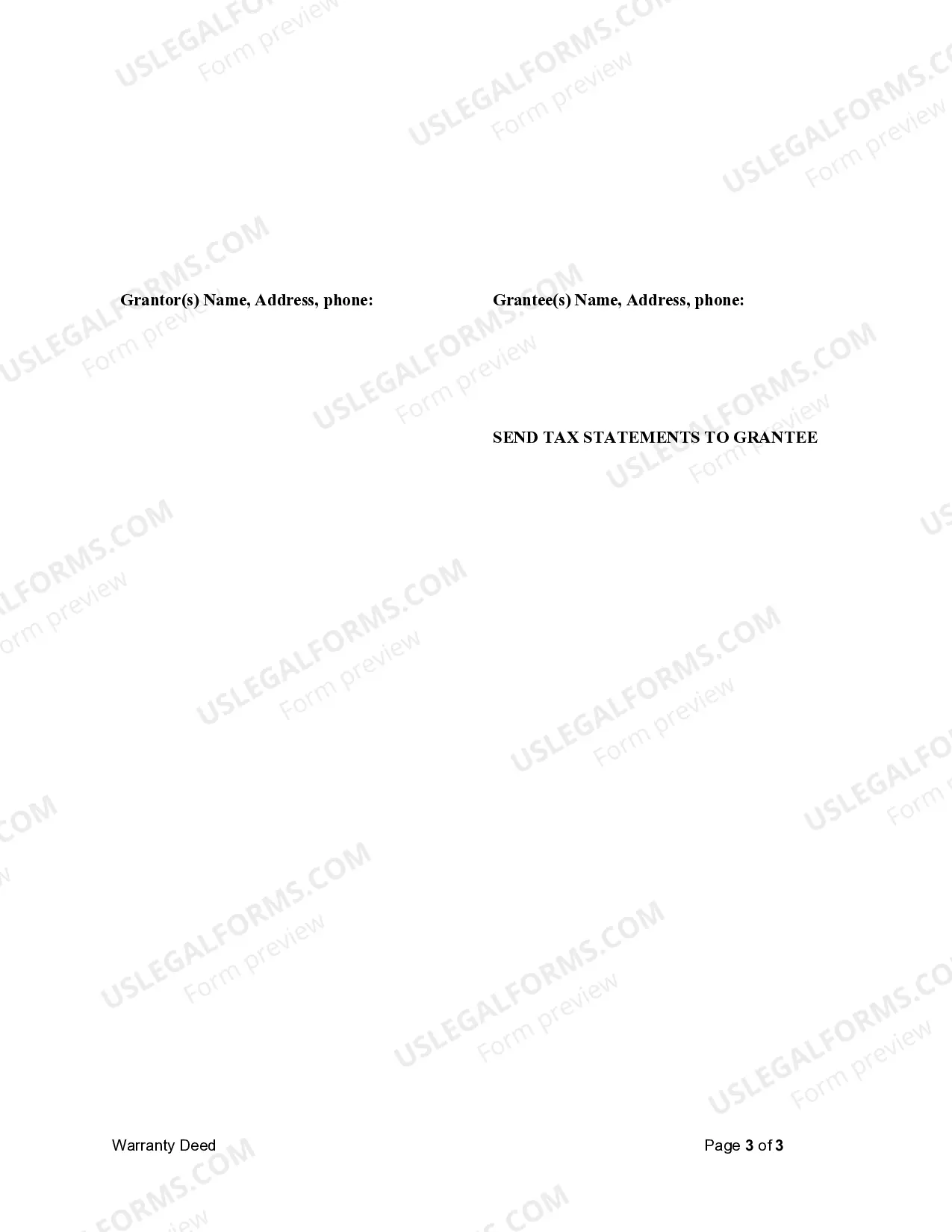
How to fill out Texas Warranty Deed From Corporation To Individual?
- If you're an existing US Legal Forms user, log in, ensure your subscription is active, and download the required form template directly to your device.
- If you're a new user, start by previewing the sale deed form and its description. Verify that it meets your requirements and aligns with your local jurisdiction.
- If adjustments are needed, utilize the search bar to explore different templates until you find the right match for your situation.
- Proceed to purchase the document by clicking the Buy Now button and selecting your desired subscription plan. Create an account for full access to the resources available.
- Complete your transaction by furnishing your credit card information or opting for PayPal to pay for your subscription.
- Lastly, download the sale deed form to your device, ensuring you can access it anytime from the My Forms menu in your profile.
In summary, having a clear understanding of how a sale deed looks like and following the steps above through US Legal Forms can streamline your property transactions. Benefit from their extensive library that offers over 85,000 legal forms tailored to meet your needs.
Start accessing premium legal forms today to ensure your documents are accurate and legally sound!
Form popularity
FAQ
Writing a deed requires specific information about the property and the parties involved. Begin with the title, such as 'Warranty Deed', followed by the date and a statement of the transfer. Clearly identify the grantor and grantee, and describe the property in detail. To visualize how does a sale deed look like, you can explore the templates available on the US Legal Forms platform, which makes the process straightforward.
Writing terms of sale involves outlining the conditions under which the transaction will occur. Include the description of the product, payment terms, delivery conditions, and any warranties or guarantees. Make sure to state your refund and return policies clearly. By defining these aspects, you clarify how does a sale deed look like in a commercial context.
Typically, at closing, you do receive a copy of the deed, along with other important documents. This serves as your proof of ownership once the transaction is complete. By understanding how a sale deed looks like, you can ensure all details are correct in the copy you receive at closing.
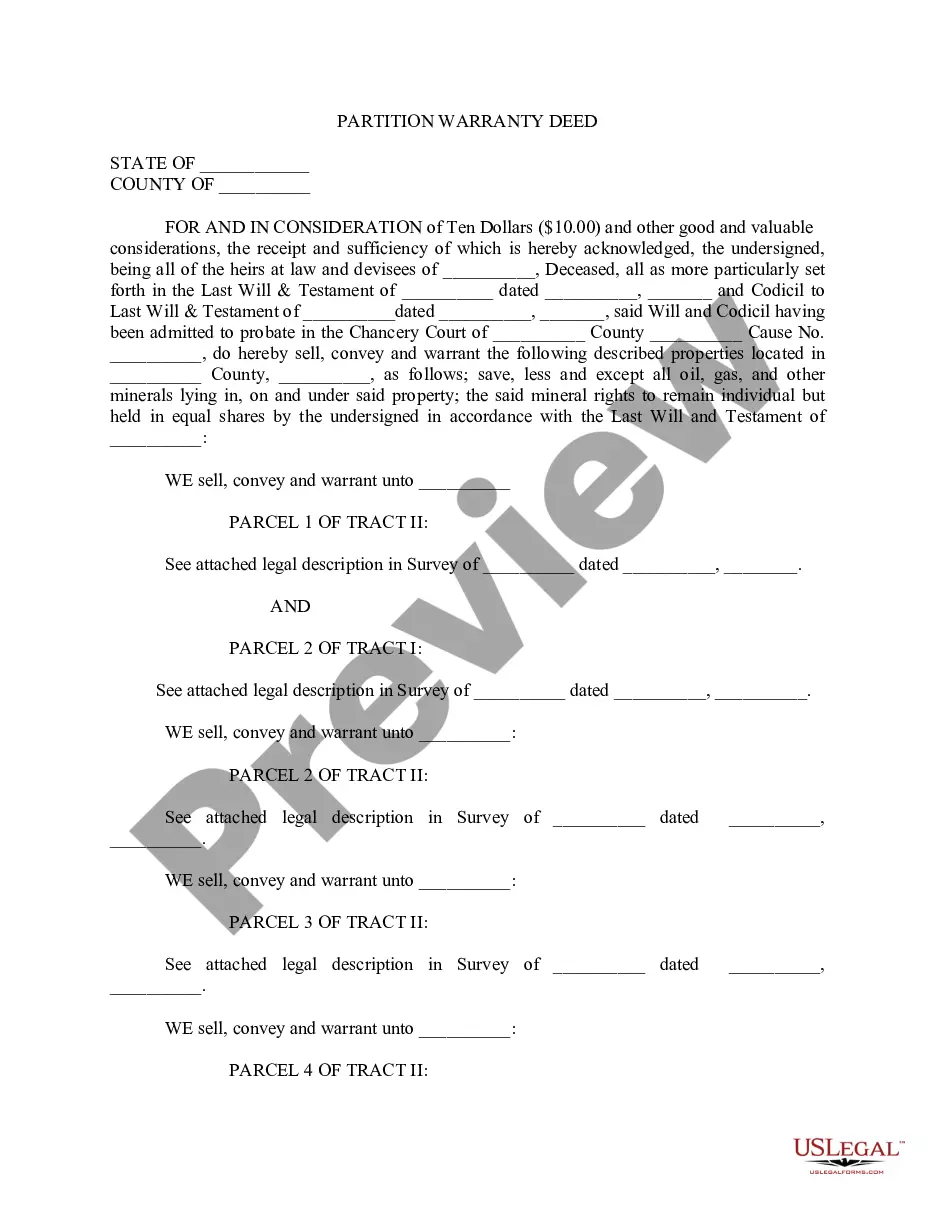
An example of a deed is a warranty deed, which guarantees that the seller has a clear title to the property and the right to sell it. Another common type is a quitclaim deed, where ownership interest is transferred without any guarantees about title. By knowing how a sale deed looks like, you can recognize these examples more easily and understand their implications for property transfer.
Typically, the deed to your house is held by you, the owner, or your lender if you have a mortgage. If you own your home outright, you possess the deed, which proves your ownership. Understanding the specifics of how a sale deed looks like can help clarify this ownership; it functions as your acknowledgment of possession.
A deed is a document that transfers ownership of real estate from one party to another. It typically includes the names of the parties involved, a description of the property, and any specific terms or conditions. When you consider how a sale deed looks like, envision it as a structured document, often formatted with clear headings and sections, ensuring all necessary information is easy to find.
A deed and a title are not the same, although they relate to property ownership. A deed is a legal document that conveys ownership while a title represents one’s legal rights to that property. To understand how a sale deed looks like, visualize it as a formal notification of ownership, including all necessary details such as the names of the buyer and seller, and the property description.
To obtain a copy of a deed in Texas, you will need to visit the county clerk's office where the property is located. You can request a copy in person or, in some counties, online. All you need to provide is the property address or the name of the owner. Understanding how does a sale deed look like can help you appreciate the layout and information included in the document, making it easier to identify when you receive your copy.
When you purchased your home, a deed was created to reflect the transaction. This document is critical as it confirms your ownership of the property. If you have not received it, checking with your real estate agent or title company is a good step. You can also look at examples online to see how does a sale deed look like for clarification.
Yes, you should receive a physical copy of your house deed after the transaction is complete. This document acts as your legal ownership proof and is important for any future property dealings. If you're unsure about the format, seeing how does a sale deed look like can help you understand what to expect.