How Does A Property Deed Look Like
Description

Get your form ready online
Our built-in tools help you complete, sign, share, and store your documents in one place.
Make edits, fill in missing information, and update formatting in US Legal Forms—just like you would in MS Word.
Download a copy, print it, send it by email, or mail it via USPS—whatever works best for your next step.
Sign and collect signatures with our SignNow integration. Send to multiple recipients, set reminders, and more. Go Premium to unlock E-Sign.
If this form requires notarization, complete it online through a secure video call—no need to meet a notary in person or wait for an appointment.
We protect your documents and personal data by following strict security and privacy standards.

Make edits, fill in missing information, and update formatting in US Legal Forms—just like you would in MS Word.

Download a copy, print it, send it by email, or mail it via USPS—whatever works best for your next step.

Sign and collect signatures with our SignNow integration. Send to multiple recipients, set reminders, and more. Go Premium to unlock E-Sign.

If this form requires notarization, complete it online through a secure video call—no need to meet a notary in person or wait for an appointment.

We protect your documents and personal data by following strict security and privacy standards.
Looking for another form?

How to fill out Texas Warranty Deed From Corporation To Individual?
- If you're an existing user, log in to your US Legal Forms account and click 'Download' next to the required document. Ensure that your subscription is active.
- New users should start by checking the Preview mode and description of the desired form. Confirm that it aligns with your local jurisdiction requirements.
- If you don't find the correct template, use the Search tab to explore the extensive library until you locate the right document.
- Select and purchase the document by clicking 'Buy Now'. Choose a subscription plan that fits your needs while registering to access the library.
- Complete your purchase by entering your payment details via credit card or PayPal.
- Finally, download the form to your device. You can also access it anytime through the 'My Forms' section in your profile.
With US Legal Forms, individuals and attorneys benefit from a vast collection of over 85,000 fillable and editable legal forms. This comprehensive online library provides easy access to documents tailored to specific legal needs.
In conclusion, using US Legal Forms simplifies the process of obtaining legal documents like property deeds. Start today by accessing their extensive library for efficient legal solutions!
Form popularity
FAQ
Most people choose to store their house deed in a safe location, such as a safe deposit box or a home safe. Some also keep it with other important documents like wills and insurance policies for easy access. Keeping your deed secure is vital, as it is a key document that proves your ownership. Resources like USLegalForms can help you understand how a property deed looks like and provide guidance on storing these important records.
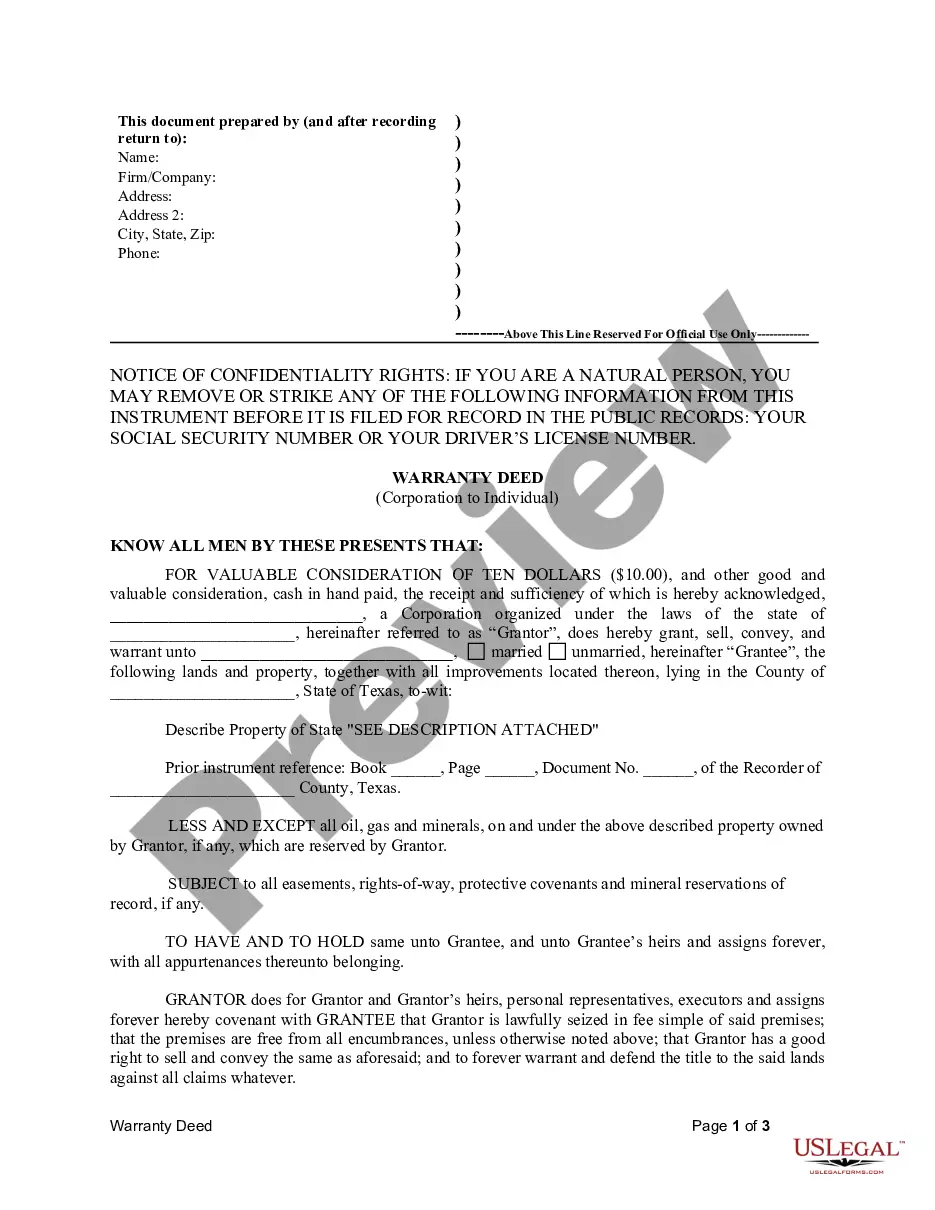
The primary purpose of a deed is to officially document the transfer of property ownership from one party to another. It serves as a legal record that shows who owns the property and outlines any conditions or restrictions. If you're curious about how does a property deed look like, it typically includes essential details such as the names of the parties involved, the property's address, and a description of the property to avoid any confusion.
Both title and deed hold significant importance, but the title generally overshadows the deed in establishing legal ownership. The title defines your rights and interests in the property, while the deed merely reflects ownership. When considering how does a property deed look like, keep in mind that securing clear title to your property provides peace of mind and legal protection.
Yes, you can be on a property deed without being on the title. A deed signifies ownership transfer, while the title refers to legal ownership rights. Therefore, a person may be listed on the deed but may lack the actual legal rights associated with the title. Understanding how does a property deed look like can help clarify these distinctions.
If you lose your original deed, don’t worry; you can obtain a certified copy through your local land records office. Most counties maintain digital or physical copies of property deeds. By understanding how does a property deed look like, you can request the correct documentation to replace your lost original.
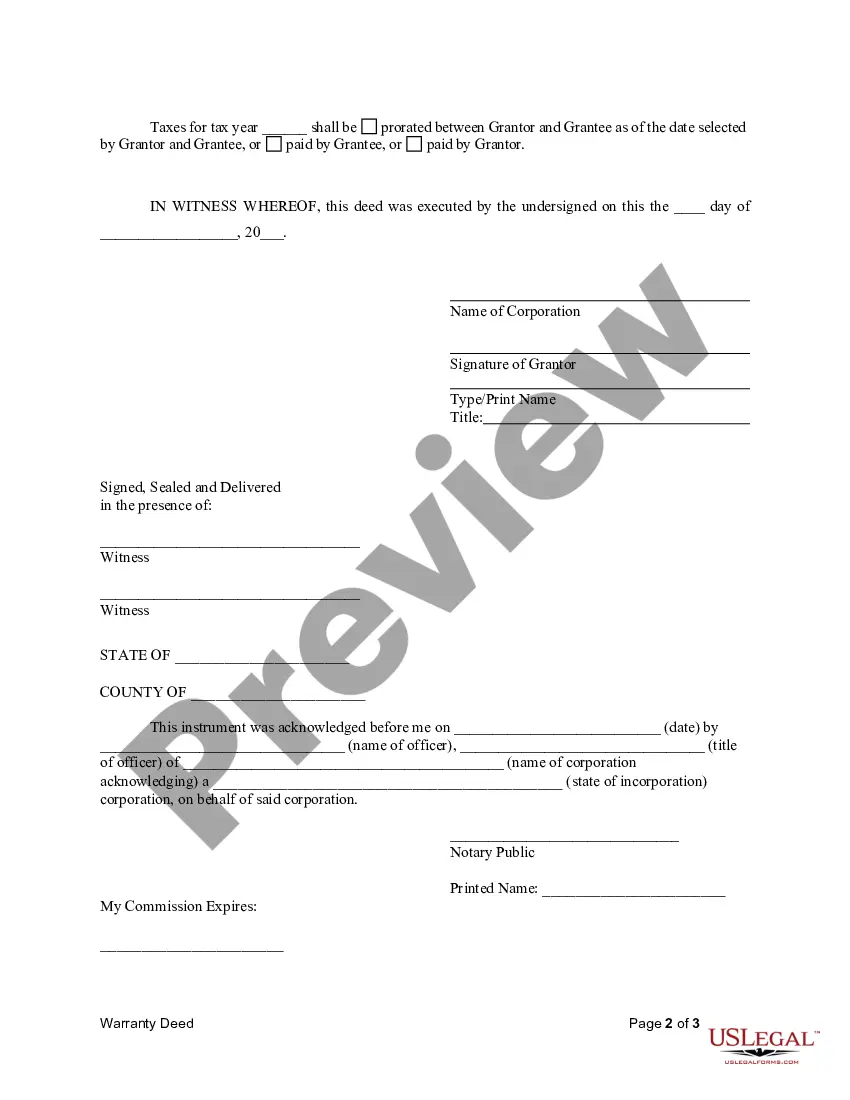
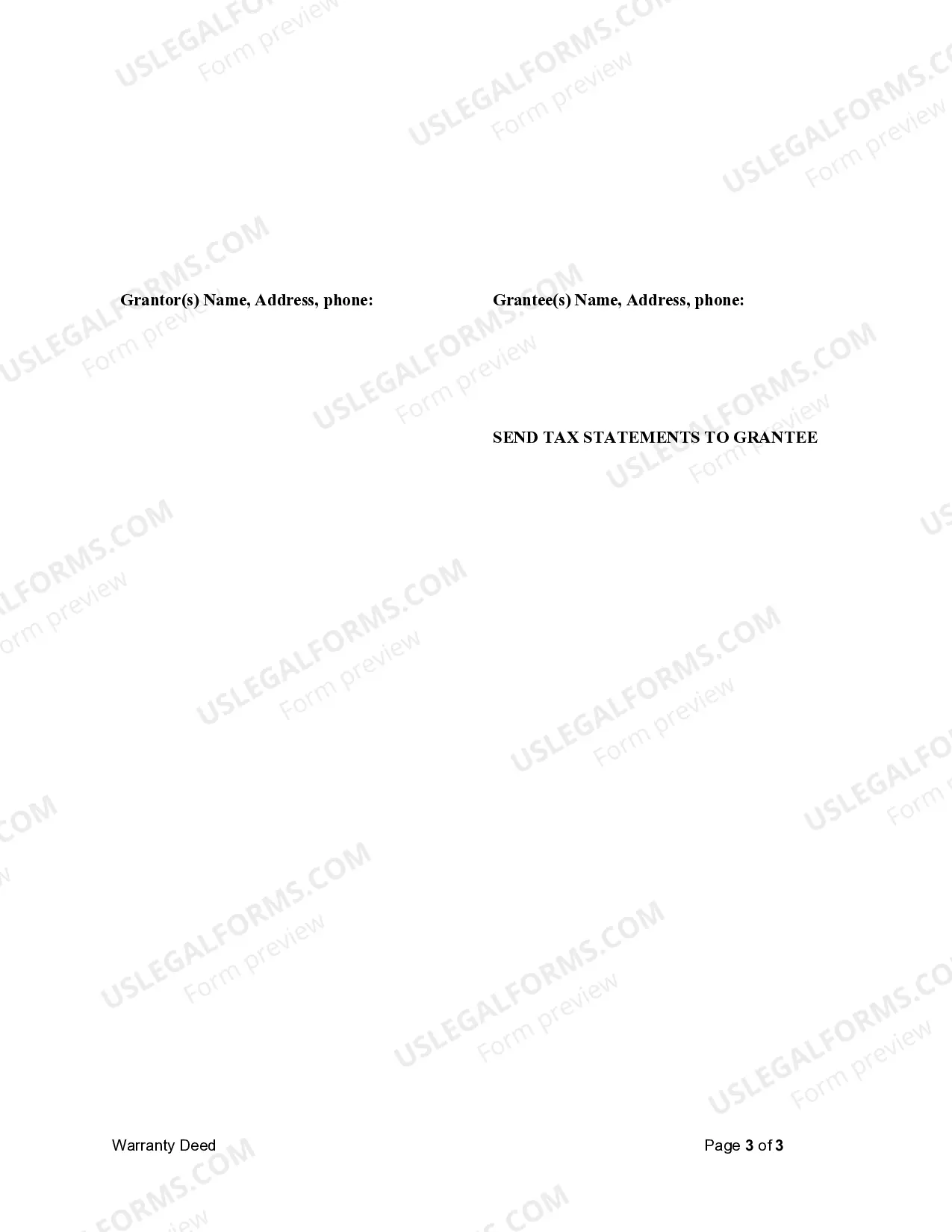
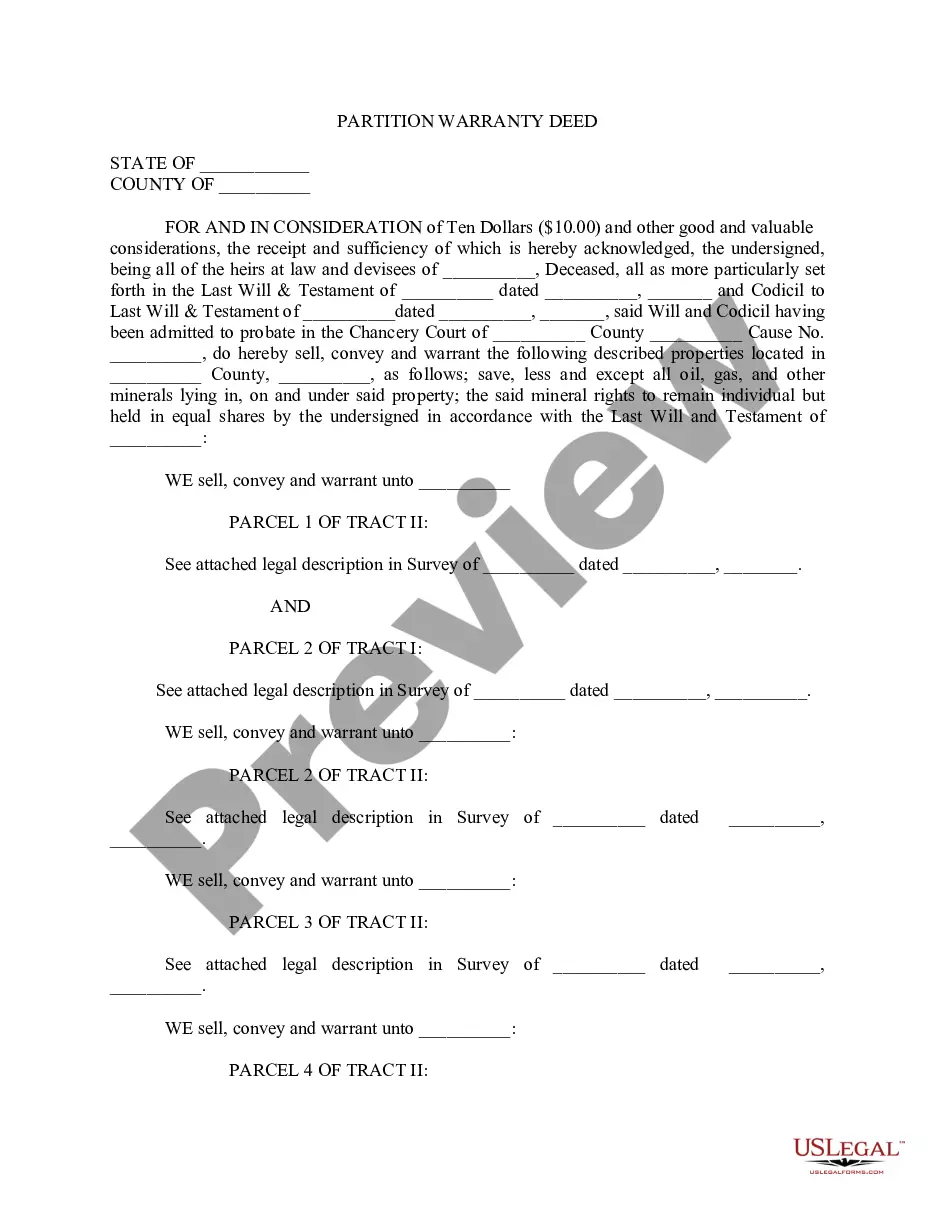
A deed is a formal document that signifies property ownership, containing essential details such as the names of the parties involved, a description of the property, and the signatures of the witnesses and notary. Visually, it often looks like a legal certificate with seals and specific formatting. To grasp how does a property deed look like, consider exploring images of sample deeds available online.
To access your house deed, visit your local clerk's office or land records office, which often provides public access to property records. Many jurisdictions also offer online services where you can search for your property deeds by entering your name or address. This process will show you how does a property deed look like and the important details it contains.
An example of a deed is a warranty deed, which provides a guarantee that the seller has clear title to the property and the right to sell it. Another example is a quitclaim deed, which transfers whatever ownership interest the seller has in a property without any guarantees. Both of these documents illustrate how does a property deed look like in terms of legal assurances.
You can typically find the title deed to your house in your local government's land records office. Many counties offer online databases where you can search for property deeds. If you're unsure, a quick visit to your county's recorder or assessor's office can also help you understand how does a property deed look like.
A deed and a title are related, but they are not the same. A deed is a legal document that transfers ownership of property, while a title refers to the legal right to own that property. Essentially, the deed serves as proof of ownership, illustrating how does a property deed look like.