Bird Photography Editing
Description

Get your form ready online
Our built-in tools help you complete, sign, share, and store your documents in one place.
Make edits, fill in missing information, and update formatting in US Legal Forms—just like you would in MS Word.
Download a copy, print it, send it by email, or mail it via USPS—whatever works best for your next step.
Sign and collect signatures with our SignNow integration. Send to multiple recipients, set reminders, and more. Go Premium to unlock E-Sign.
If this form requires notarization, complete it online through a secure video call—no need to meet a notary in person or wait for an appointment.
We protect your documents and personal data by following strict security and privacy standards.

Make edits, fill in missing information, and update formatting in US Legal Forms—just like you would in MS Word.

Download a copy, print it, send it by email, or mail it via USPS—whatever works best for your next step.

Sign and collect signatures with our SignNow integration. Send to multiple recipients, set reminders, and more. Go Premium to unlock E-Sign.

If this form requires notarization, complete it online through a secure video call—no need to meet a notary in person or wait for an appointment.

We protect your documents and personal data by following strict security and privacy standards.
Looking for another form?






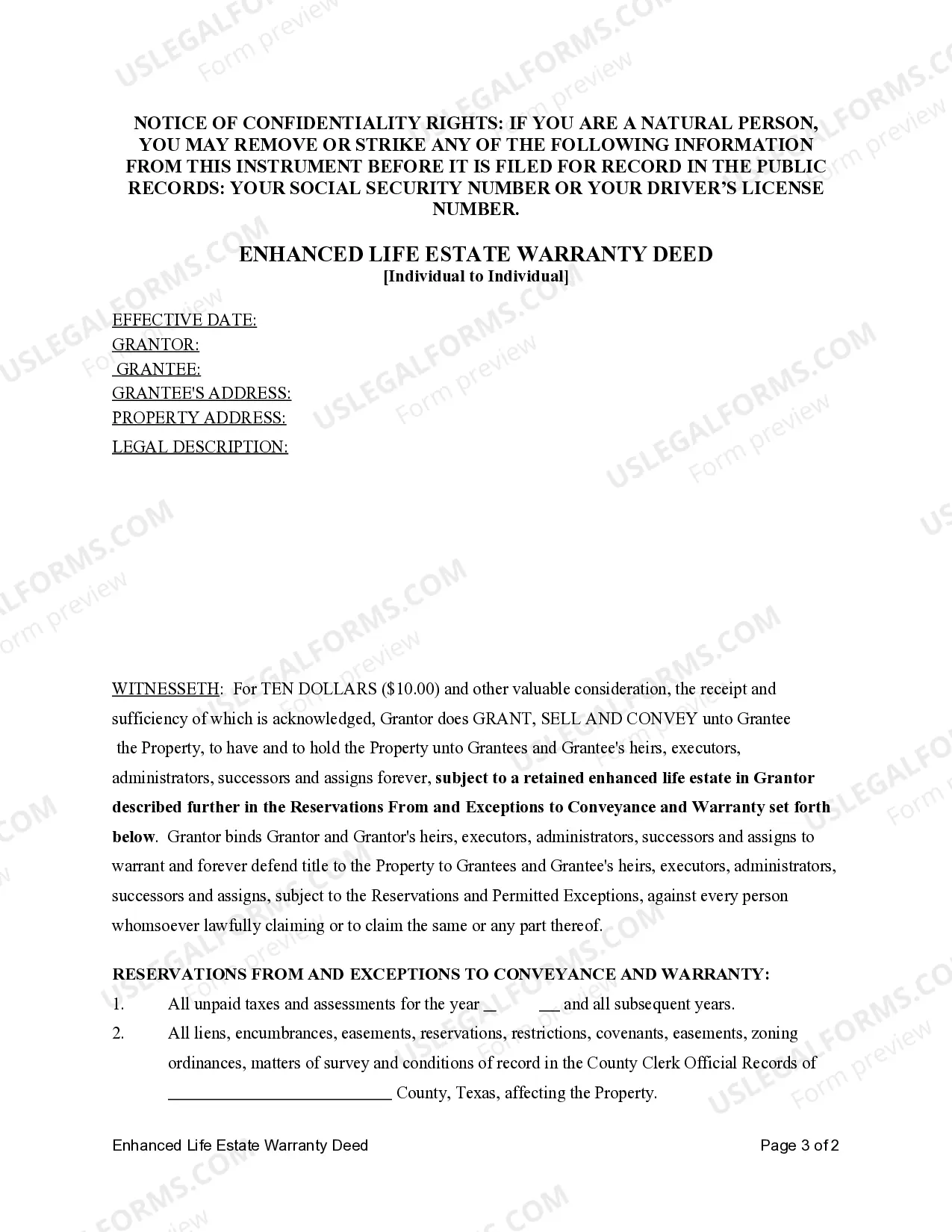
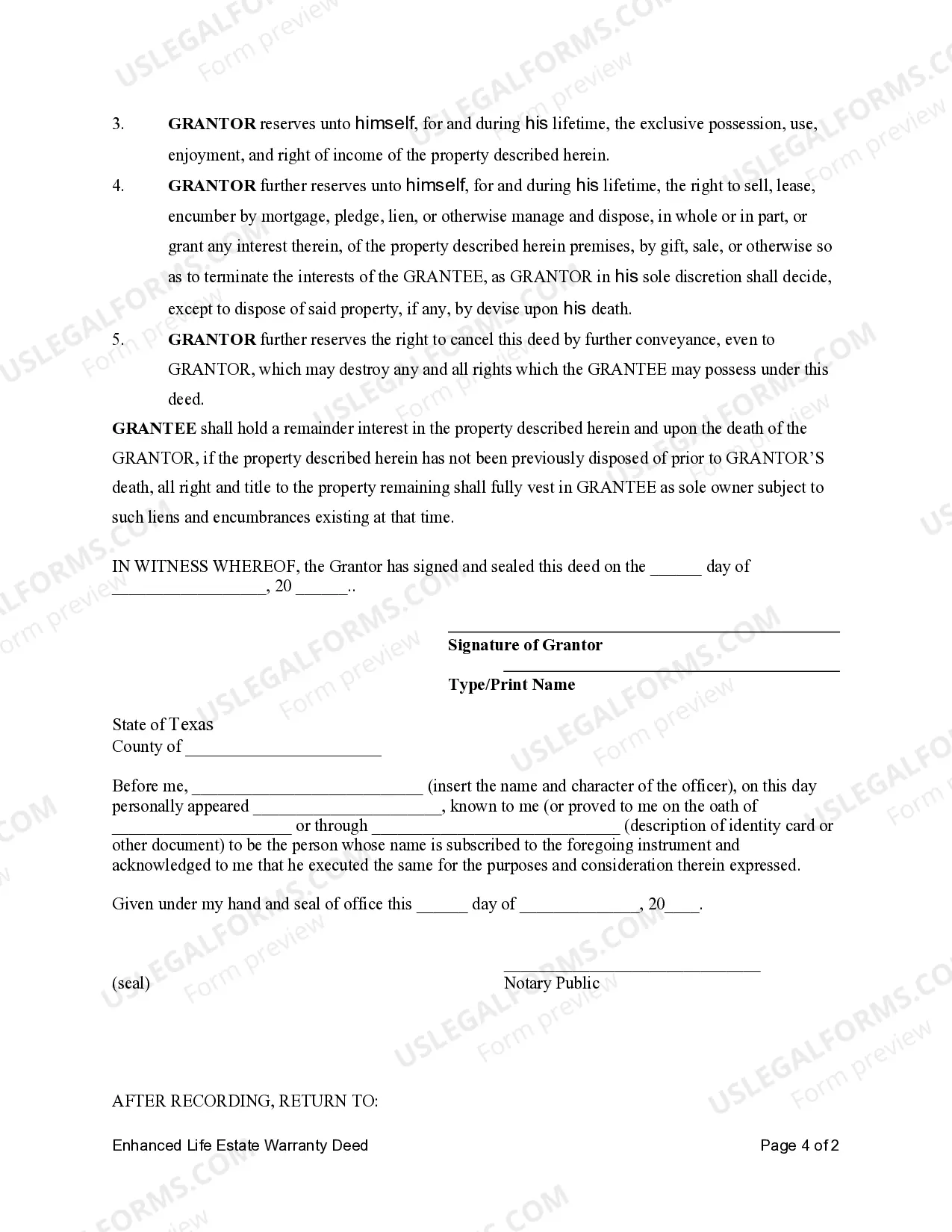
How to fill out Texas Lady Bird Or Enhanced Life Estate Warranty Deed - Individual To Individual?
- Upload your bird photo to your preferred editing software.
- Adjust the exposure and contrast to highlight the bird's features.
- Crop the image to focus on the subject, removing any distracting elements.
- Enhance the colors by adjusting the saturation and vibrance for a more vivid look.
- Sharpen the image to bring out the fine details of feathers and textures.
- Apply a slight vignette to draw attention to the bird at the center.
- Save your edited work in a suitable format for sharing or printing.
By following these steps, you will be able to elevate your bird photography to new heights. Experiment with different editing styles to find what fits your artistic vision best.
Ready to start creating stunning images? Begin your bird photography editing journey today and share your unique perspective with the world!
Form popularity
FAQ
Using RAW format is generally better for bird photography as it retains more image detail and provides greater flexibility in post-processing. This allows for superior adjustments in your bird photography editing, such as correcting exposure and color balance without losing quality. JPEG might limit your creative options due to its compressed nature.
The ideal camera settings for bird photography involve using a fast shutter speed, wide aperture, and appropriate ISO for the light conditions. Start with an aperture around f/5.6 to f/8 to balance depth of field and light. Post-capture, optimizing your images through bird photography editing can enhance colors and details that you may not notice in-camera.
To achieve sharp pictures in bird photography, ensure you use a fast shutter speed to eliminate motion blur. Hold your camera steady or use a tripod for additional support. Your editing software can also play a crucial role in sharpening images during the bird photography editing process if necessary.
Utilizing continuous autofocus mode is essential for bird photography, especially since birds are often in motion. This mode allows your camera to track the bird as it moves through the frame. Adding post-process adjustments in your bird photography editing can further enhance focus clarity and detail.
For bird photography, it’s vital to use settings like a fast shutter speed to freeze the action. A good aperture setting allows for a nice depth of field, isolating your subject. Once you capture your images, effective bird photography editing will help you fine-tune your settings for the best final result.
The best ISO for bird photography typically depends on your lighting conditions. In bright daylight, an ISO between 100 and 400 works well, while lower light may require 800 or higher. Remember, adjusting your ISO settings can enhance your bird photography editing process since noise levels differ in your post-editing decisions.
To crop bird photos effectively, start by focusing on the main subject – the bird. Use editing software to eliminate distractions in the frame while maintaining the bird’s context. Bird photography editing allows you to adjust the aspect ratio and create a more compelling composition that draws the viewer’s eye.
Most professional photographers favor RAW over JPEG, especially in fields like bird photography. RAW files offer superior quality and more options for editing, making them ideal for capturing the intricate details of birds. While JPEGs may be convenient for quick sharing, professionals recognize that the potential for bird photography editing with RAW can elevate their work to new heights. Using a platform like uslegalforms can also help streamline your workflow by organizing your files efficiently.
For bird photography, choosing RAW is generally better because it preserves image quality and detail. This format provides more latitude for post-processing adjustments, which is essential for bird photography editing. The ability to recover highlights and shadows in RAW files enhances your final image. This can make a significant difference, especially in challenging lighting conditions common in wildlife photography.
When deciding between RAW and JPEG for wildlife photography, consider your editing needs. RAW files provide greater flexibility for bird photography editing, allowing you to adjust exposure and color without losing quality. JPEG files are smaller and can be easier to manage, but they limit your editing options. For capturing detailed shots of birds, RAW is often the preferred choice.