Texas Liability After Foreclosure
Description

Get your form ready online
Our built-in tools help you complete, sign, share, and store your documents in one place.
Make edits, fill in missing information, and update formatting in US Legal Forms—just like you would in MS Word.
Download a copy, print it, send it by email, or mail it via USPS—whatever works best for your next step.
Sign and collect signatures with our SignNow integration. Send to multiple recipients, set reminders, and more. Go Premium to unlock E-Sign.
If this form requires notarization, complete it online through a secure video call—no need to meet a notary in person or wait for an appointment.
We protect your documents and personal data by following strict security and privacy standards.

Make edits, fill in missing information, and update formatting in US Legal Forms—just like you would in MS Word.

Download a copy, print it, send it by email, or mail it via USPS—whatever works best for your next step.

Sign and collect signatures with our SignNow integration. Send to multiple recipients, set reminders, and more. Go Premium to unlock E-Sign.

If this form requires notarization, complete it online through a secure video call—no need to meet a notary in person or wait for an appointment.

We protect your documents and personal data by following strict security and privacy standards.
Looking for another form?
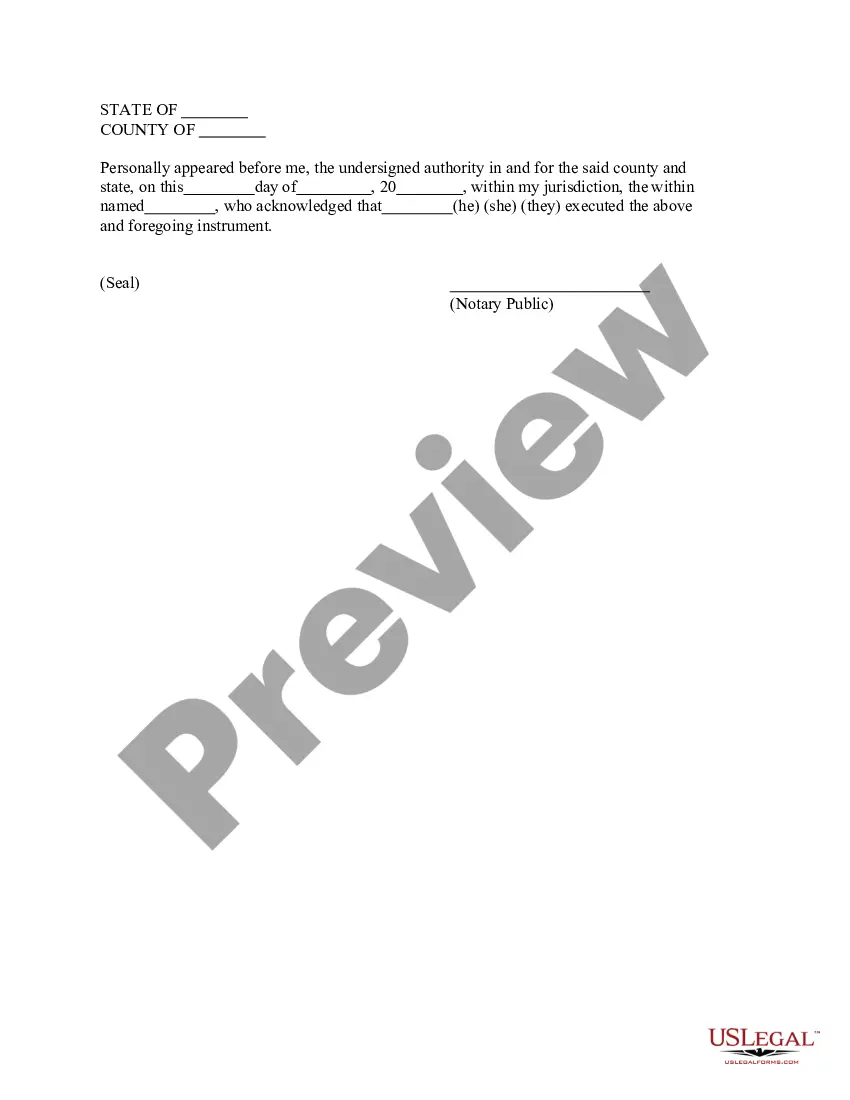
How to fill out Texas Limited Liability Company LLC Formation Package?
It’s clear that you cannot become a legal authority instantly, nor can you understand how to swiftly create Texas Liability After Foreclosure without possessing a specialized knowledge base.
Drafting legal documents is an extensive endeavor that necessitates certain training and expertise. So why not entrust the creation of the Texas Liability After Foreclosure to the professionals.
With US Legal Forms, one of the largest collections of legal templates, you can find everything from court filings to office communication forms. We recognize the significance of compliance with federal and state regulations. Hence, all templates on our platform are tailored to specific locations and current laws.
You can access your documents again from the My documents tab at any time. If you’re already a customer, you can simply Log In, then find and download the template from the same section.
No matter the purpose of your documents—be it financial, legal, or personal—our platform provides comprehensive solutions. Experience US Legal Forms today!
- Locate the document you require using the search bar located at the top of the page.
- Preview it (if this option exists) and review the accompanying description to determine if Texas Liability After Foreclosure is what you seek.
- If you need another template, restart your search.
- Sign up for a complimentary account and select a subscription plan to acquire the template.
- Click Buy now. Once the payment is processed, you can download the Texas Liability After Foreclosure, complete it, print it, and send or deliver it by mail to the required parties or organizations.
Form popularity
FAQ
Recent changes in California's foreclosure law aim to provide broader protections for homeowners. These laws require additional notices and mandates that lenders explore alternative solutions to foreclosure, adding a layer of security for borrowers. While this may not directly pertain to Texas liability after foreclosure, understanding these differences can highlight the importance of knowing your rights. Utilizing platforms like US Legal Forms can provide essential legal documents and information tailored to your state's laws.
The 37 day foreclosure rule is Texas-specific and mandates that a lender must notify a property owner at least 37 days before initiating foreclosure actions. This notification provides essential details and allows time for the homeowner to respond or seek legal advice. Being aware of this rule is crucial for understanding Texas liability after foreclosure, as it can help prevent unwarranted losses. Borrowers need to take this timeframe seriously and act accordingly.
The foreclosure process in Arizona typically takes about 90 to 120 days from the first notice of default until the sale of the property. Homeowners facing this situation should be aware that they have legal rights and options available to them. Even in Arizona, discussions around Texas liability after foreclosure can provide insights into how foreclosure laws vary by state. Utilizing resources like US Legal Forms can make navigating these complex processes easier.
The 37 day rule refers to the timeframe in which a borrower in Texas must receive notice before foreclosure proceedings can begin. This rule is designed to give borrowers time to understand their situation and seek assistance. Under Texas law, homeowners are notified of their default at least 37 days before the next steps are taken. Understanding this rule helps homeowners explore options to mitigate Texas liability after foreclosure.
Form H-25 provides the following disclosure: Liability after Foreclosure If your lender forecloses on this property and the foreclosure does not cover the amount of unpaid balance on the loan, ? state law may protect you from liability for the unpaid balance.
If you are still living in the home after a foreclosure, the new owner will have to evict you. You'll get a notice to vacate (usually giving three days' notice) before an eviction is filed. Some lenders will pay moving expenses in order to avoid the time and expense of an eviction proceeding (called ?cash for keys?).
Only include the Liability After Foreclosure on the Loan Estimate if the transaction is a refinance. The disclosure is required on every Closing Disclosure.
Time Limits: You must file a claim for excess proceeds within two years of the sale of the property. 3. Documentation: You must attach the proper documentation in your petition for the excess money, including the transfer or assignment document, the current deed, and the deed when you owned it.
The time frame in which the owner has to redeem the property depends on the classification of the property at the time of the foreclosure. If the property was residential homestead, the owner has 2 years to redeem the property. If the property was not residential, the owner has 6 months to redeem.