Limited Liability Company Formation
Description

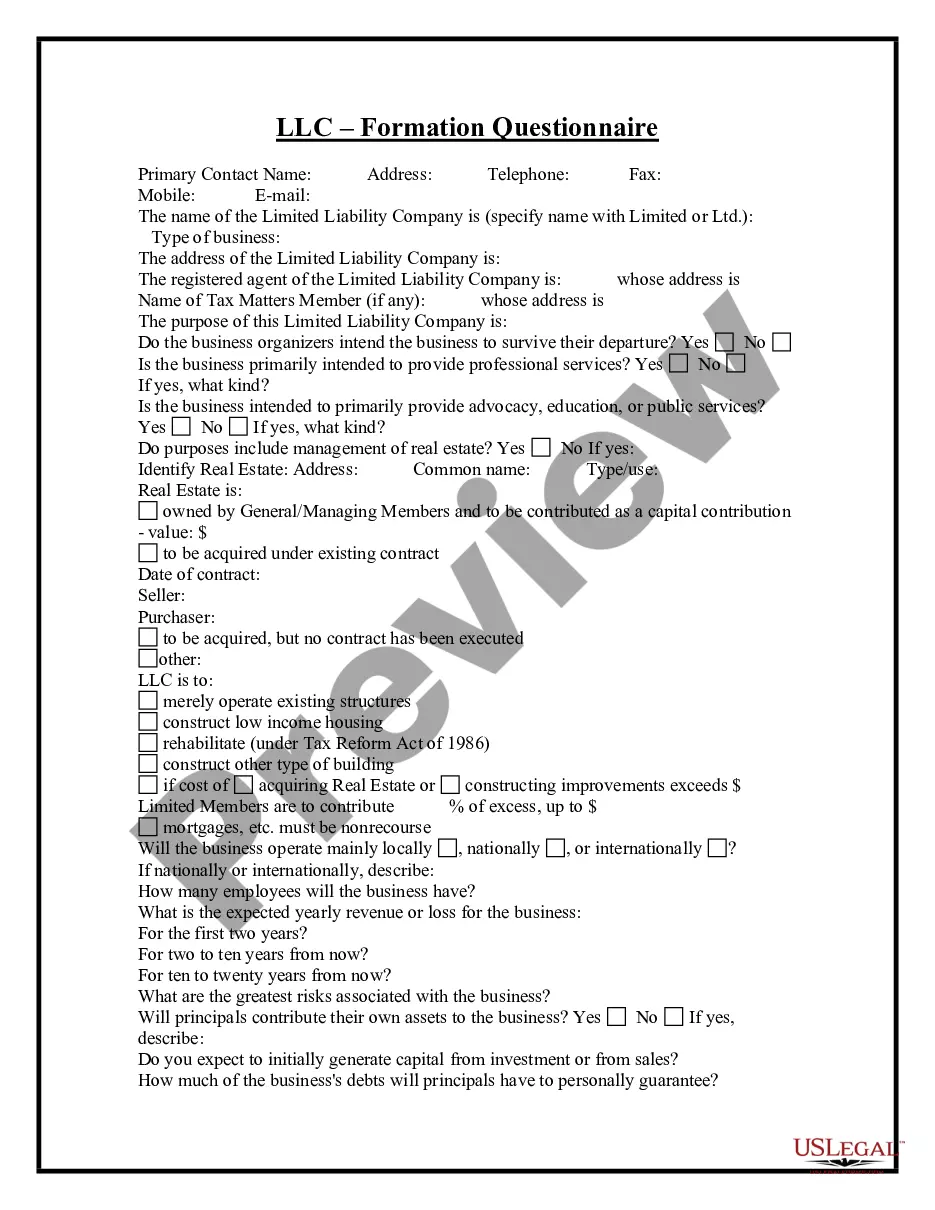
Get your form ready online
Our built-in tools help you complete, sign, share, and store your documents in one place.
Make edits, fill in missing information, and update formatting in US Legal Forms—just like you would in MS Word.
Download a copy, print it, send it by email, or mail it via USPS—whatever works best for your next step.
Sign and collect signatures with our SignNow integration. Send to multiple recipients, set reminders, and more. Go Premium to unlock E-Sign.
If this form requires notarization, complete it online through a secure video call—no need to meet a notary in person or wait for an appointment.
We protect your documents and personal data by following strict security and privacy standards.

Make edits, fill in missing information, and update formatting in US Legal Forms—just like you would in MS Word.

Download a copy, print it, send it by email, or mail it via USPS—whatever works best for your next step.

Sign and collect signatures with our SignNow integration. Send to multiple recipients, set reminders, and more. Go Premium to unlock E-Sign.

If this form requires notarization, complete it online through a secure video call—no need to meet a notary in person or wait for an appointment.

We protect your documents and personal data by following strict security and privacy standards.
Looking for another form?





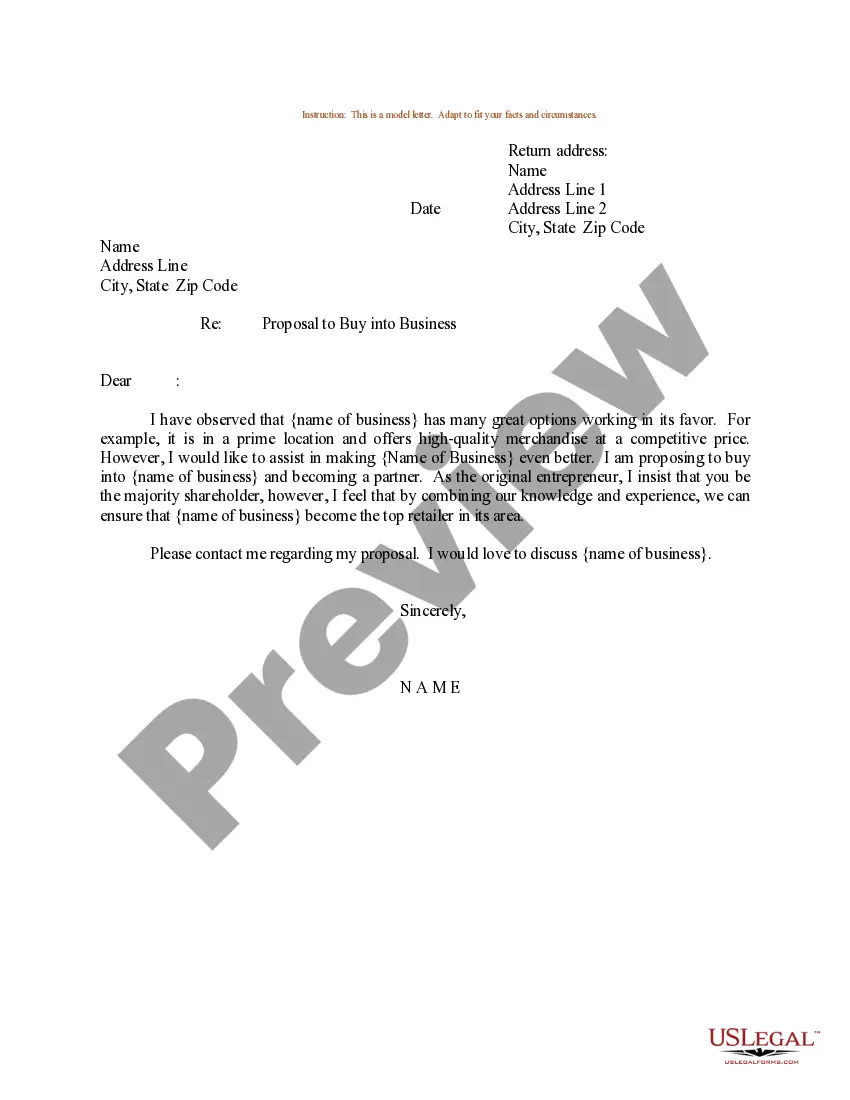

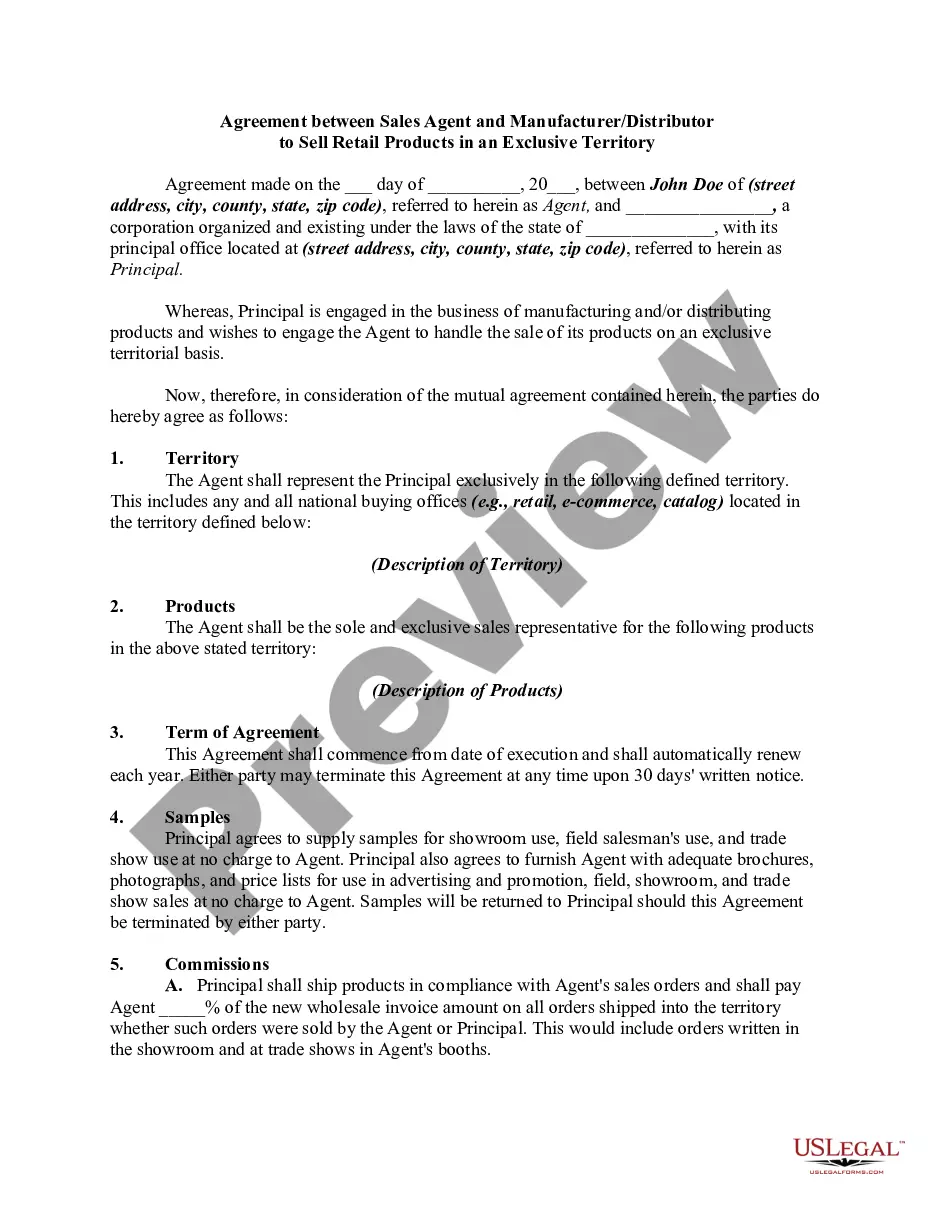


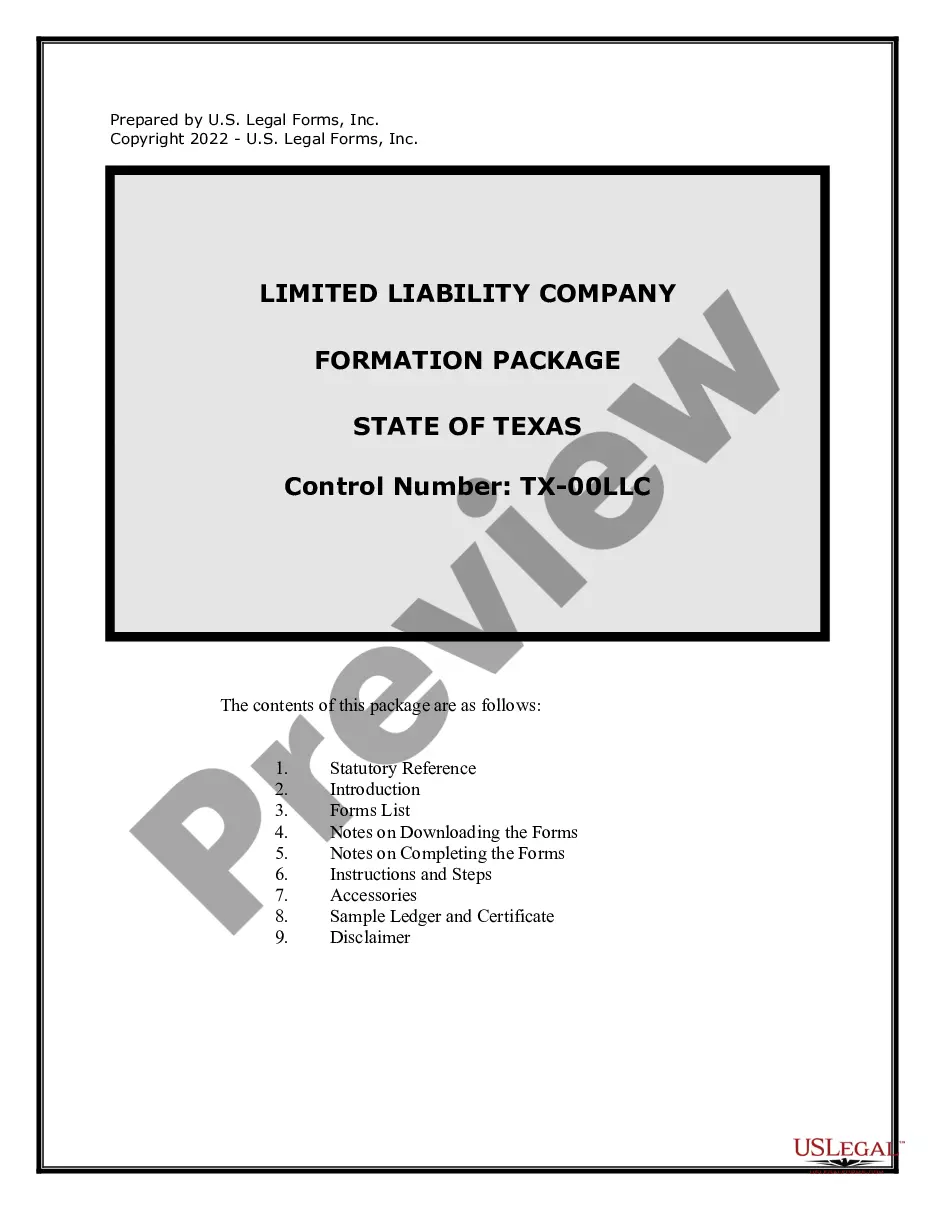
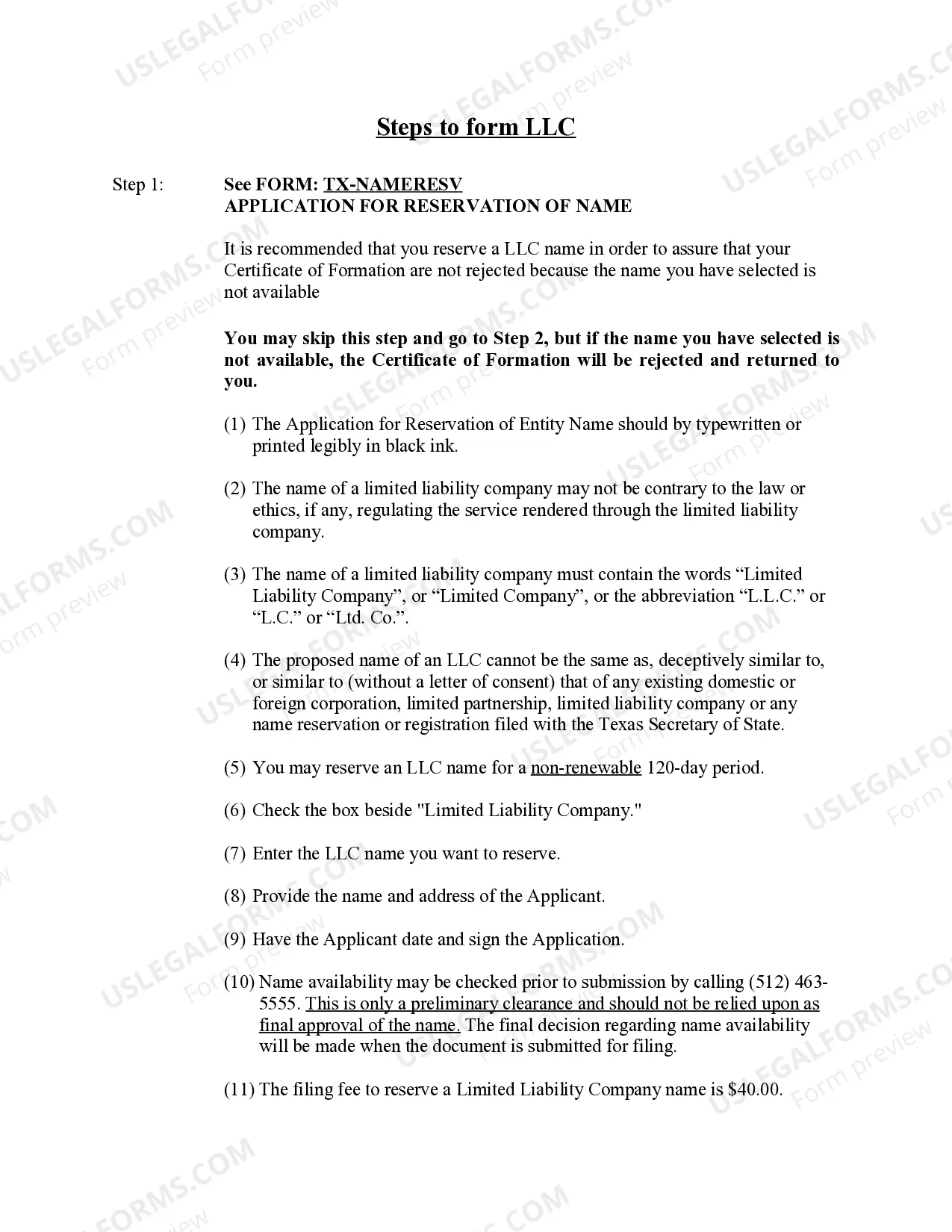
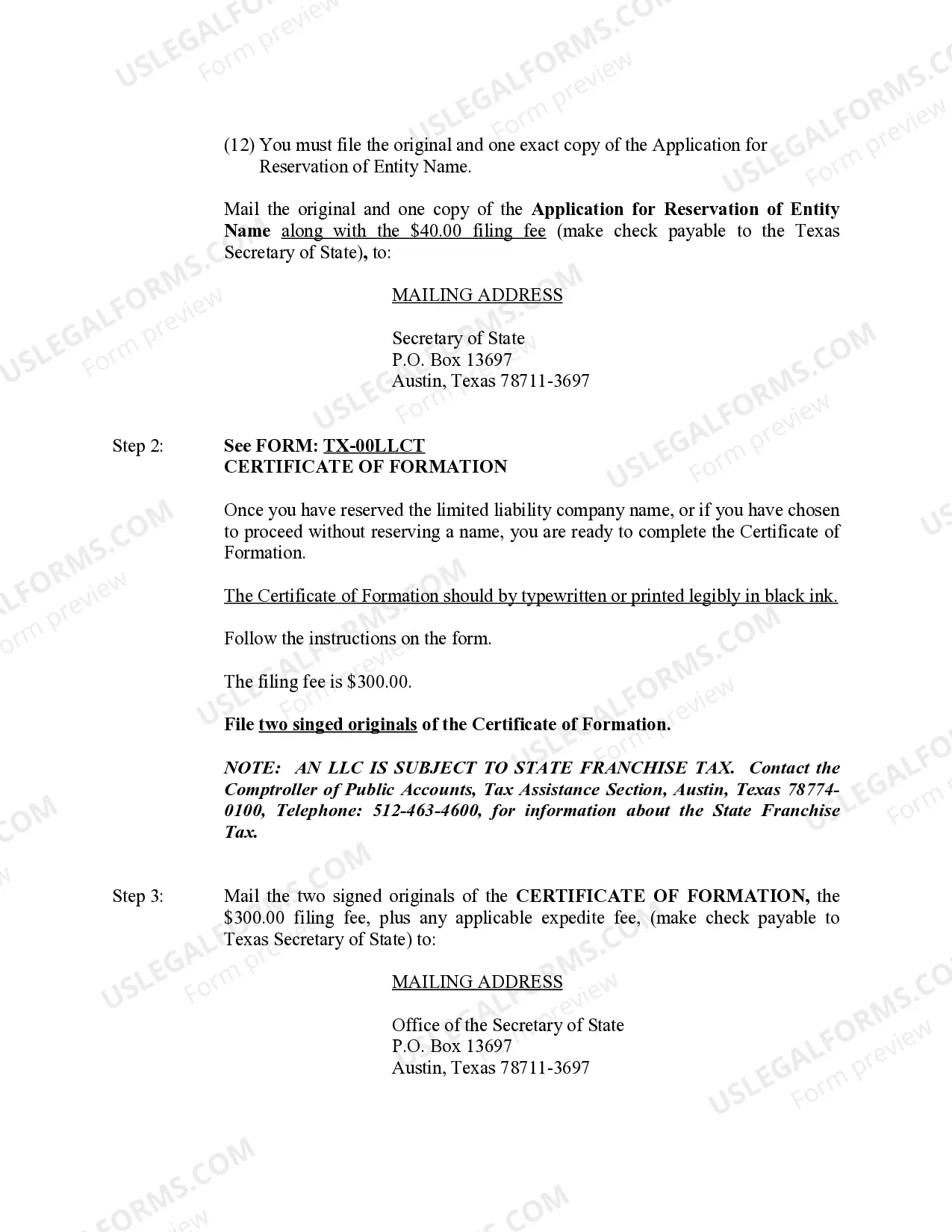
How to fill out Texas Limited Liability Company LLC Formation Package?
- Log into your US Legal Forms account if you're a returning user. Ensure your subscription is current to access necessary templates.
- For first-time users, start by reviewing the available forms. Ensure you select the appropriate LLC template that complies with your local regulations.
- If needed, utilize the search tool to find additional forms or templates that meet your specific needs.
- Purchase your chosen document by clicking the 'Buy Now' button and selecting your preferred subscription plan, ensuring you create an account to access the form library.
- Complete your payment using a credit card or PayPal to finalize your transaction.
- Download your document for immediate use, and remember it will also be available in the 'My Forms' section of your profile for future access.
By following these steps, you can efficiently navigate the limited liability company formation process with US Legal Forms. Their extensive library allows users to fulfill their legal document needs with ease.
Start your LLC formation journey today with US Legal Forms and empower yourself with the right legal documents!
Form popularity
FAQ
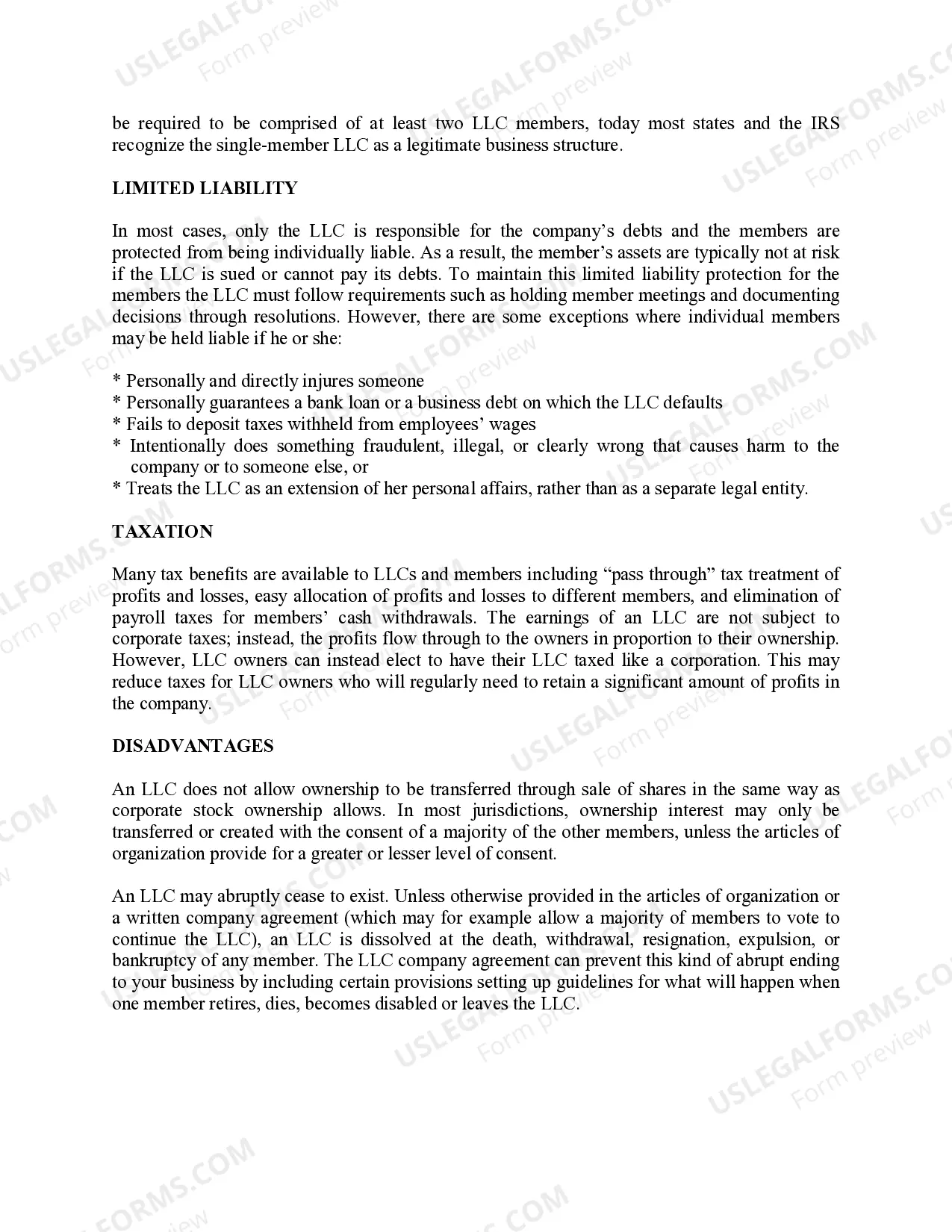
A key reason to form a limited liability corporation is the protection it offers to personal assets from business liabilities. This structure not only shields your personal finances but also allows for flexible management and tax benefits. Additionally, an LLC can enhance your credibility with clients and suppliers. Choosing limited liability company formation can be a smart move for safeguarding your personal interests while pursuing business growth.
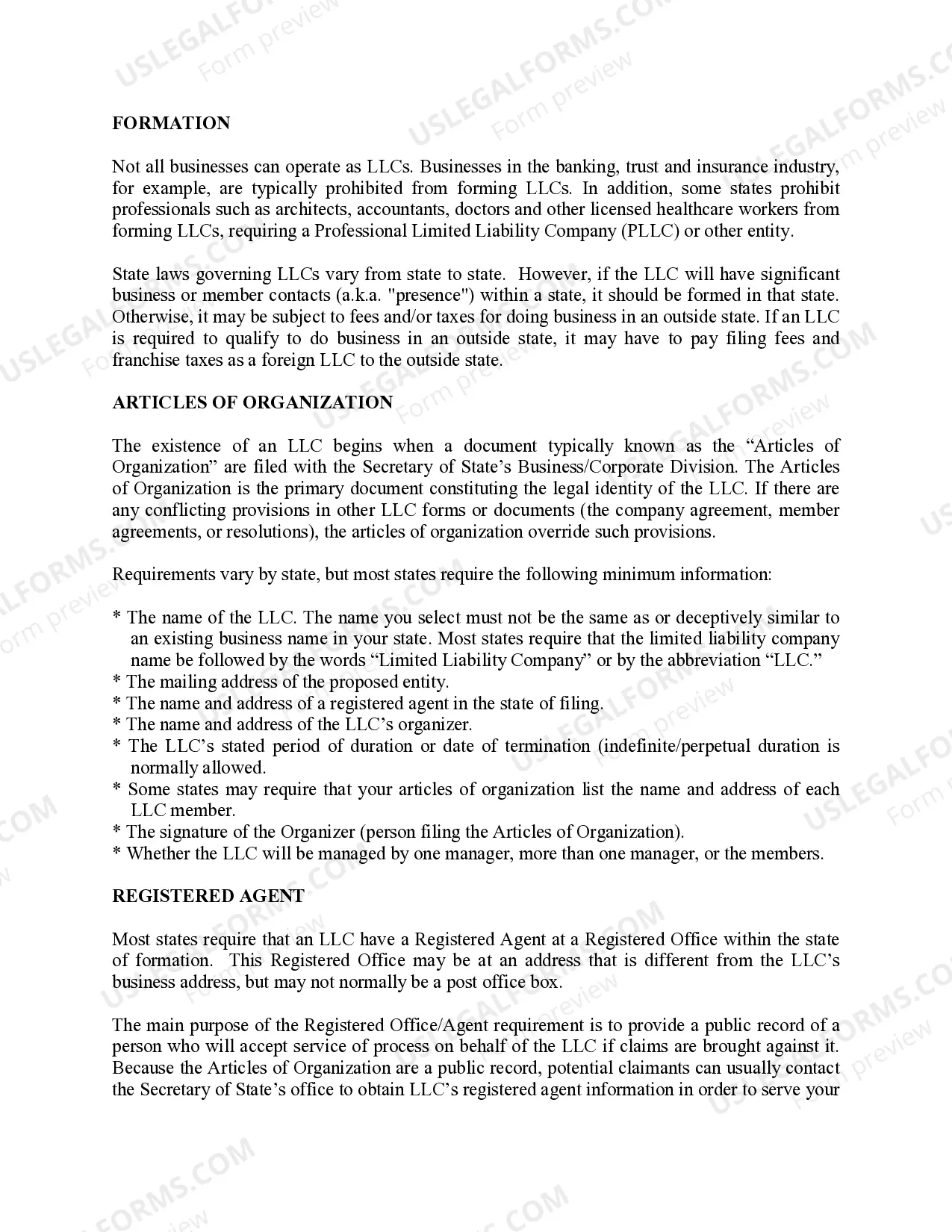
Limited liability companies are created by officially filing formation documents with the designated state authority, usually the Secretary of State. After selecting a name, the next step is to submit the Articles of Organization along with any applicable filing fees. Depending on state requirements, you may also need to provide additional information or secure any necessary permits. Using uslegalforms can help you navigate these steps smoothly.
To create your own LLC, start by selecting an appropriate name that adheres to your state's rules and ensures it is distinguishable from other businesses. After that, prepare and file your Articles of Organization with the state, which formally establishes your LLC. Lastly, consider drafting an Operating Agreement to clarify management and operational aspects. Platforms like uslegalforms can simplify this process by providing the necessary documents and guidance.
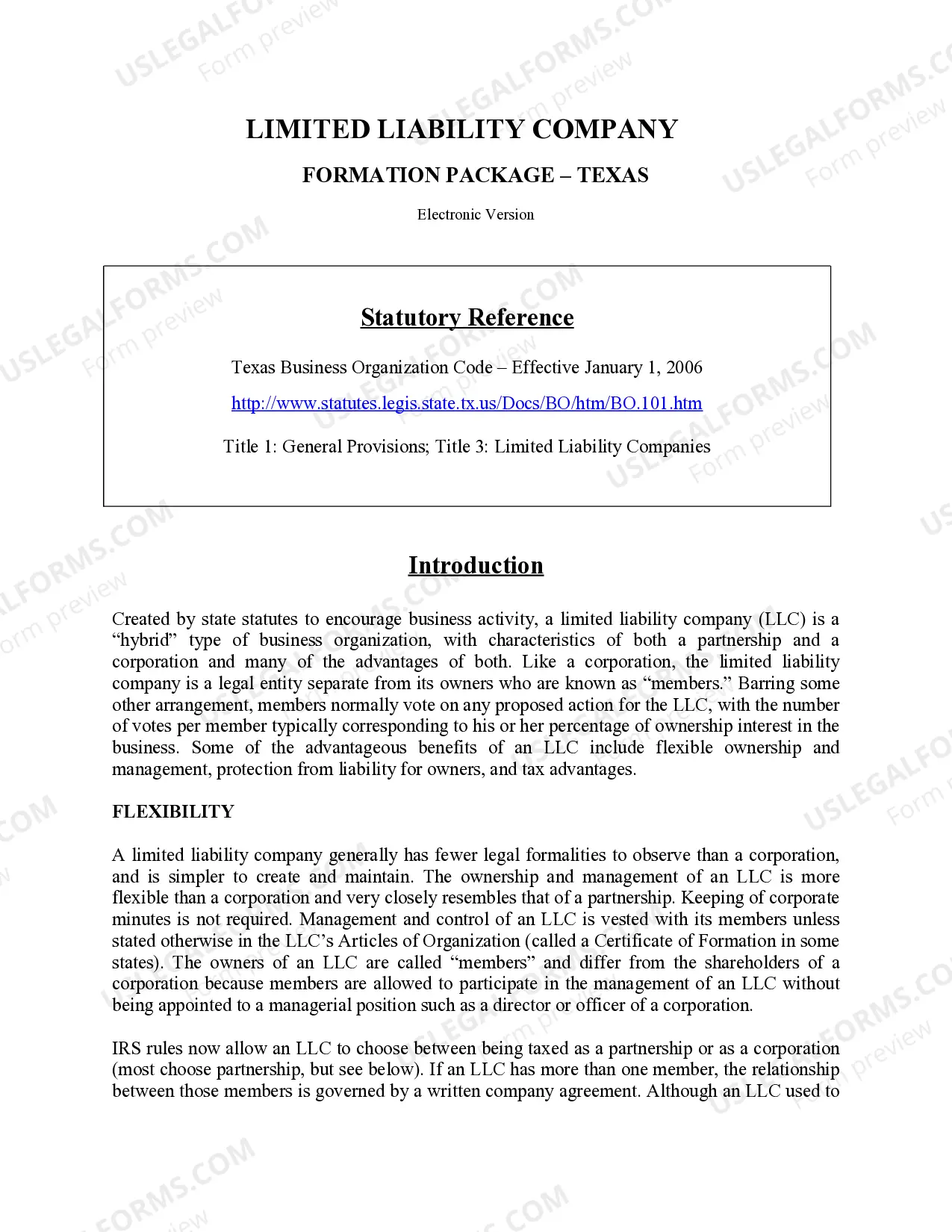
While there are many benefits to forming an LLC, there are some downsides to consider. For instance, LLCs may face limited life if a member leaves or passes away unless specified otherwise in the Operating Agreement. Also, certain states impose higher fees or taxes on LLCs compared to other business structures. It is important to weigh these factors when considering limited liability company formation.
To form a limited liability corporation, you can start by selecting a unique name that complies with your state's regulations. You will then need to submit the Articles of Organization to your state's official office, either online or by mail. After that, consider drafting an Operating Agreement to clarify the roles and responsibilities within your LLC. If you prefer a step-by-step guide, US Legal Forms provides comprehensive assistance for a successful limited liability company formation.
To get a limited liability corporation, you first need to choose a name for your LLC that follows your state's naming rules. Next, you must file the necessary paperwork, which typically includes Articles of Organization, with your state's Secretary of State office. It's also recommended to create an Operating Agreement to outline the management of your LLC. For a smooth process, you can utilize US Legal Forms, which offers resources and templates specifically designed for limited liability company formation.
Yes, the state where you file your LLC can significantly influence your business operations, taxes, and legal obligations. Different states have various regulations and fees concerning limited liability company formation, impacting your annual costs and compliance requirements. Filing in your home state typically simplifies tax obligations and legal matters. However, if you choose to file in another state, make sure to understand the implications on your business.
LLC start-up costs can vary widely based on your location and your specific needs. Generally, you will have to account for state filing fees, which can range from $50 to $500, depending on the state where you file. Additionally, consider costs for obtaining an Employer Identification Number (EIN), legal fees if you seek professional guidance, and any operating permits that may be required. Understanding these costs is vital to ensure a smooth limited liability company formation process.
One downside of limited liability company formation is the complexity it can introduce to your business structure. While LLCs provide liability protection for your personal assets, they may require more paperwork and maintenance than operating as a sole proprietorship. Additionally, some states impose higher fees and taxes on LLCs, which could impact your startup budget. Therefore, it's essential to weigh these factors carefully as you consider forming your LLC.
To fill out the necessary documents for an LLC, begin by gathering all required information, such as the company's name and address. Next, complete the articles of organization accurately, following state-specific guidelines. Afterward, review the document for completeness and clarity before submission. Utilizing USLegalForms makes this process smoother, providing templates and guidance tailored to your state.