Executory Without Contract
Description

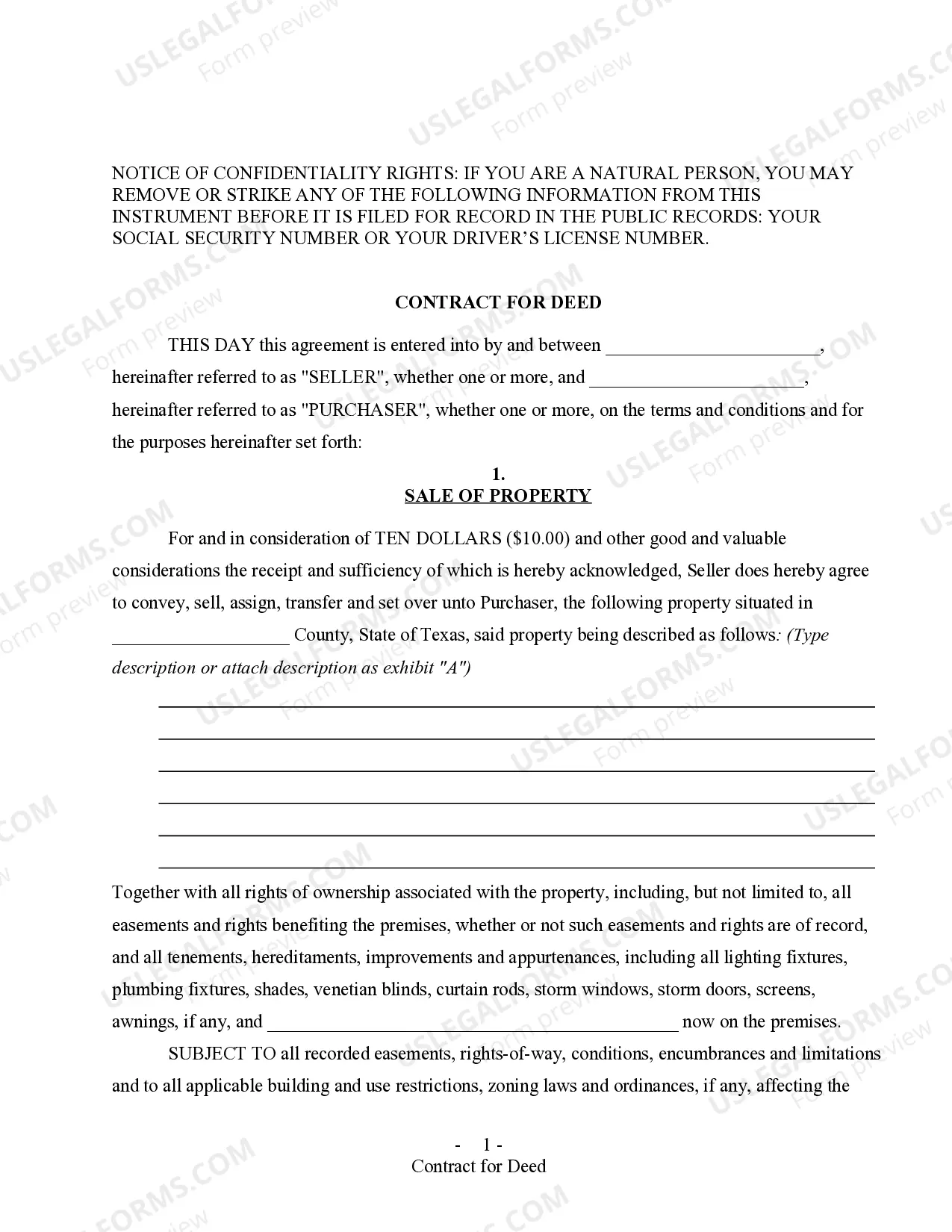
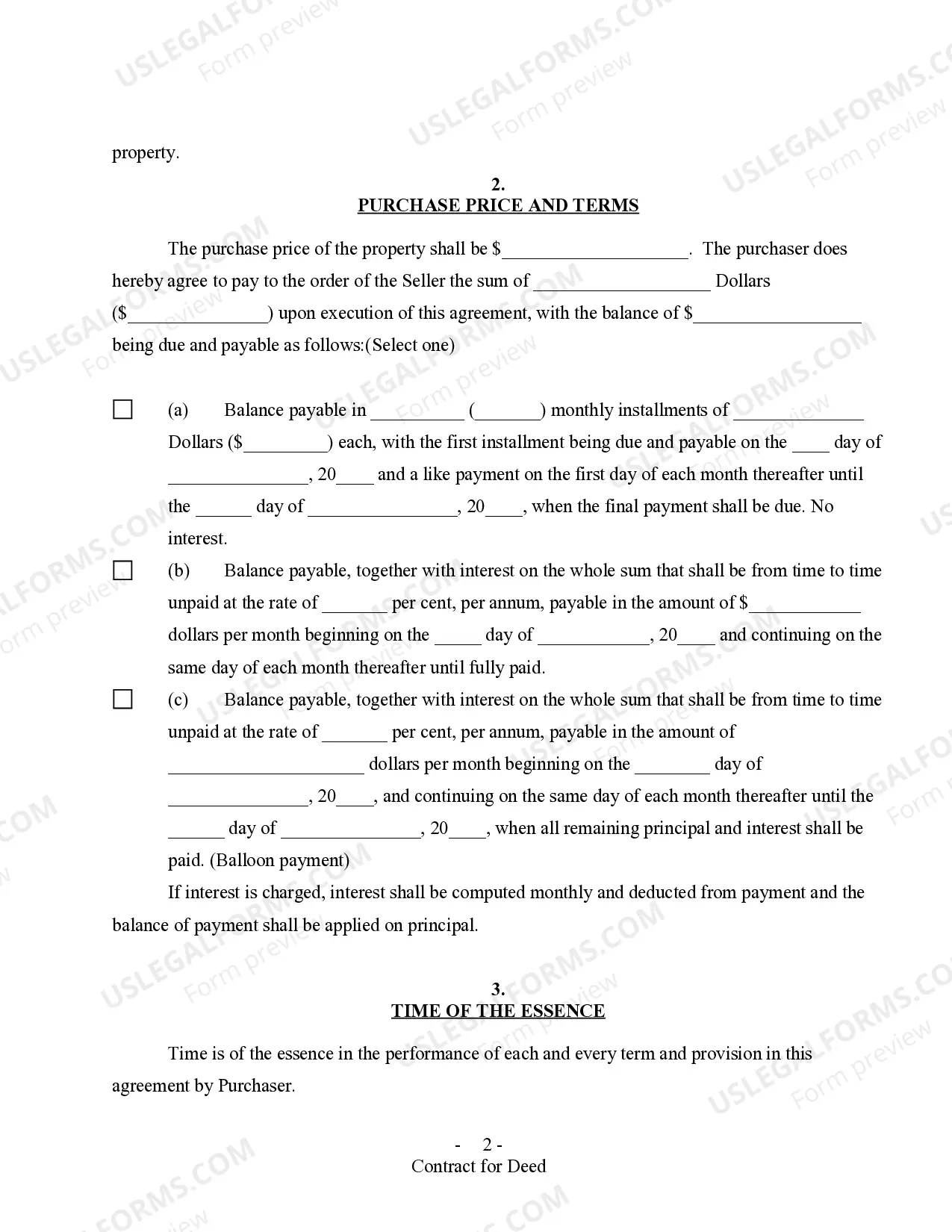
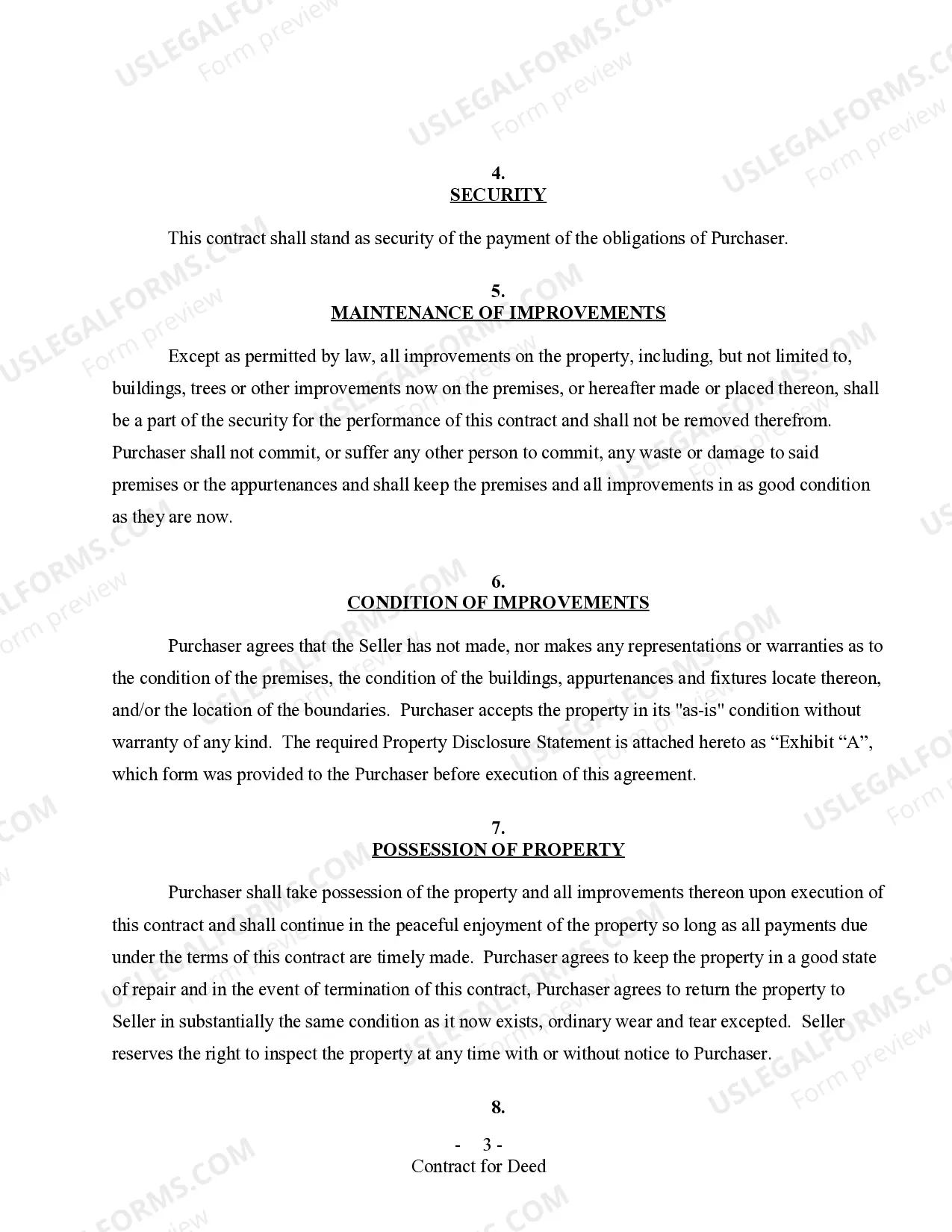
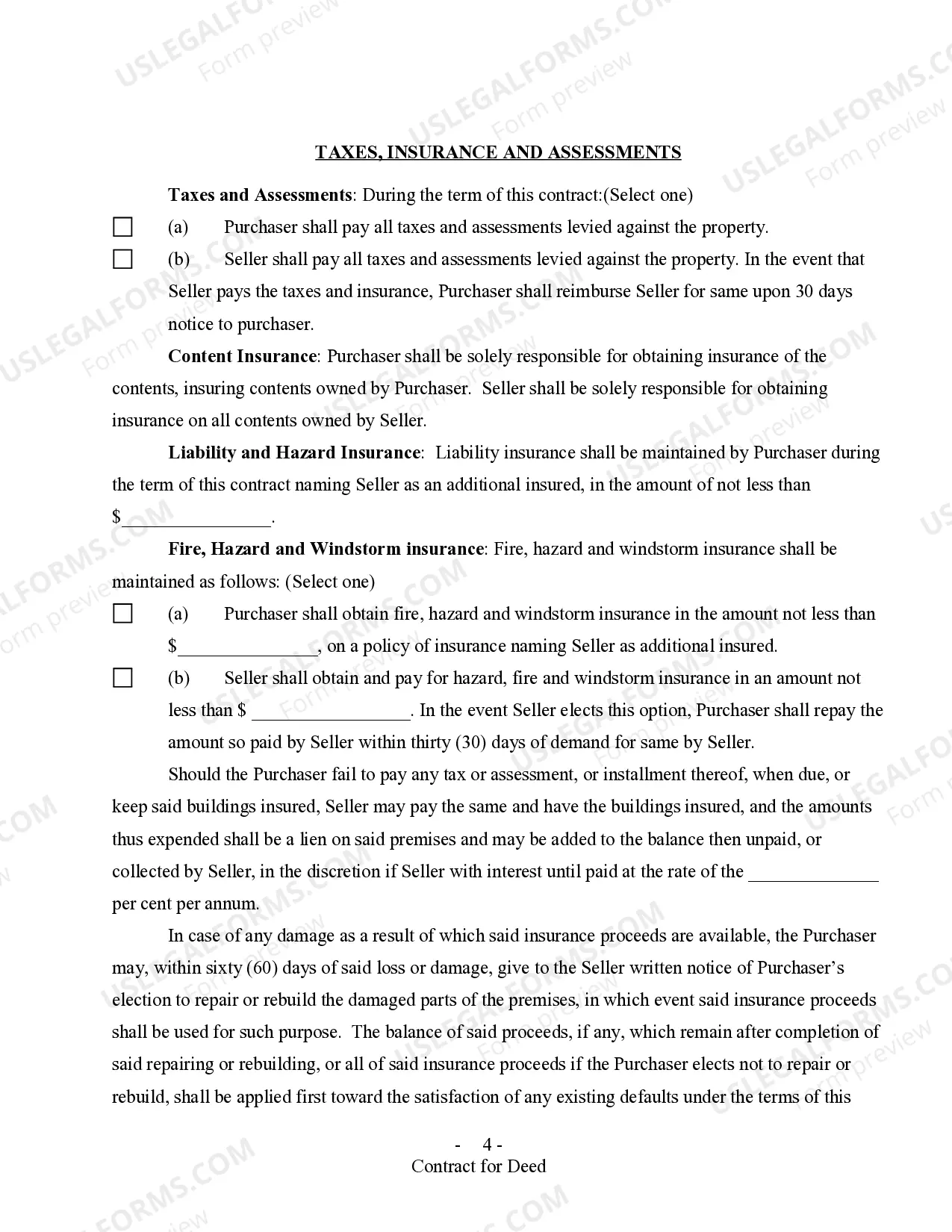
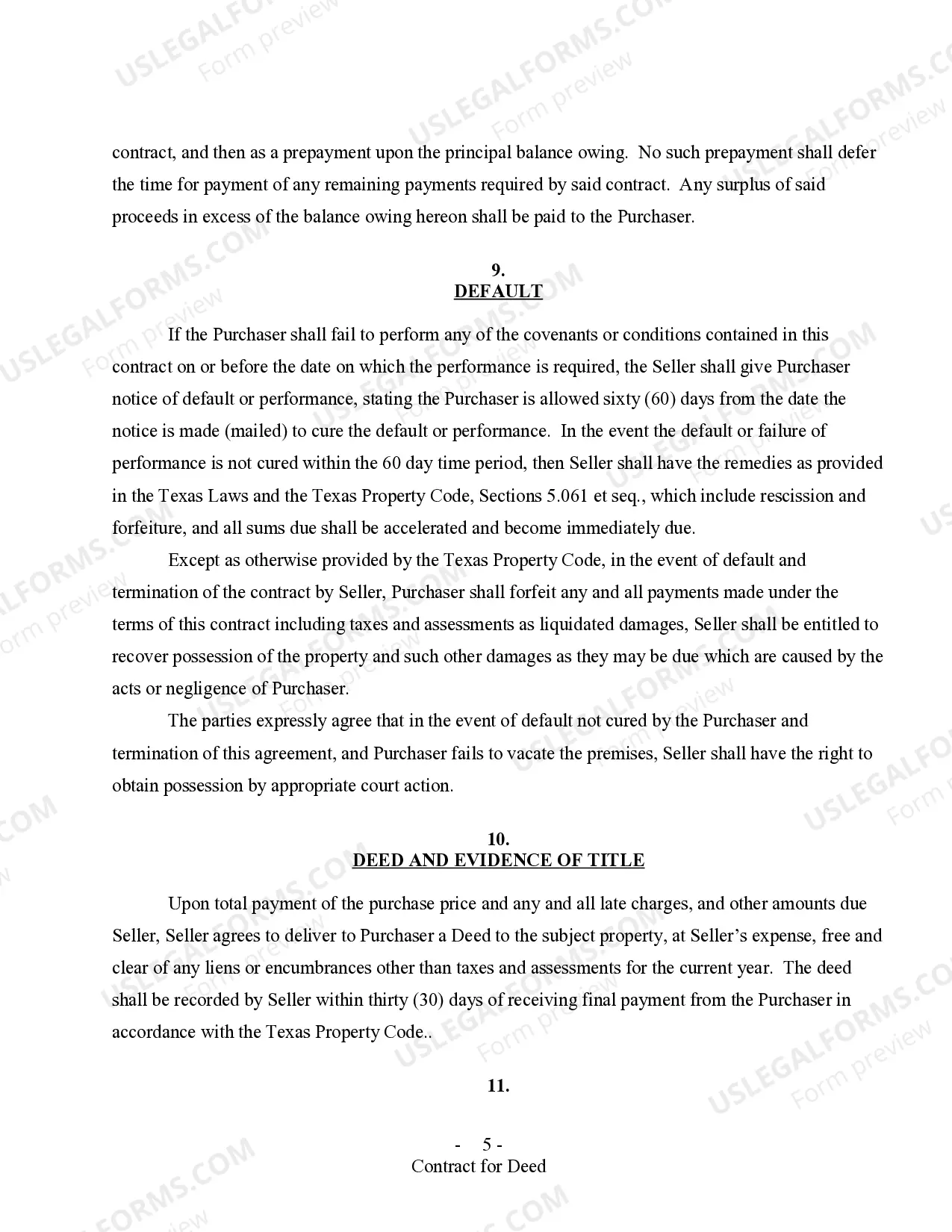
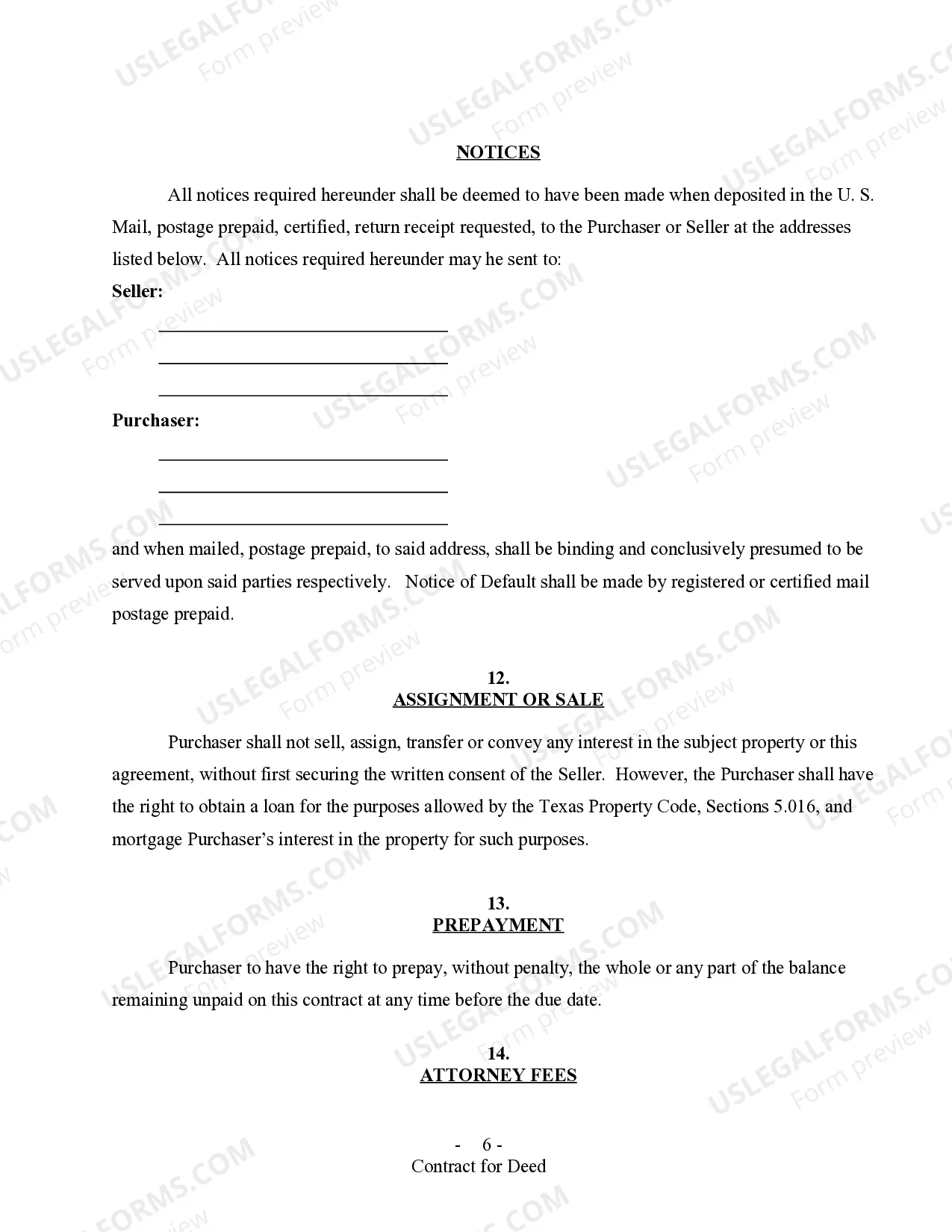
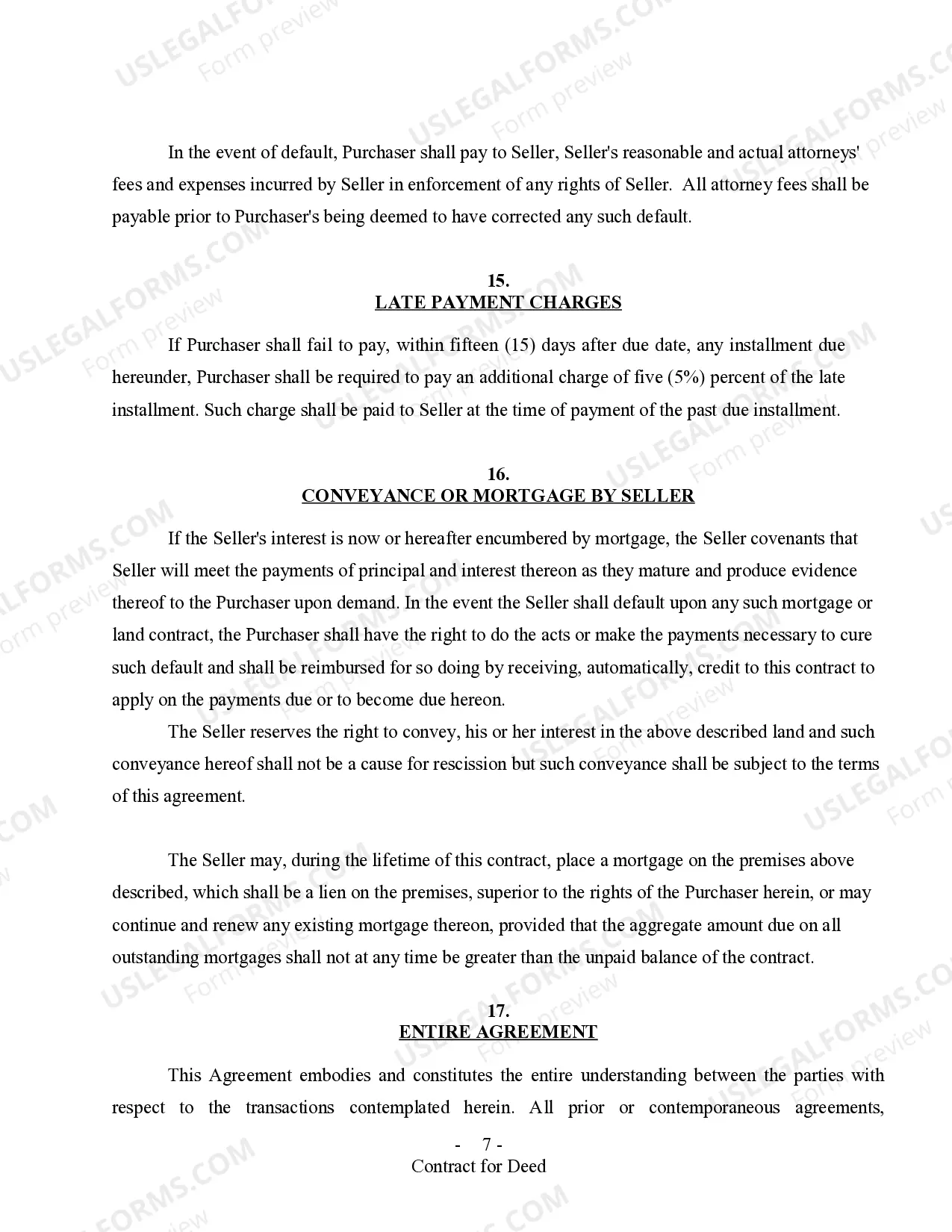
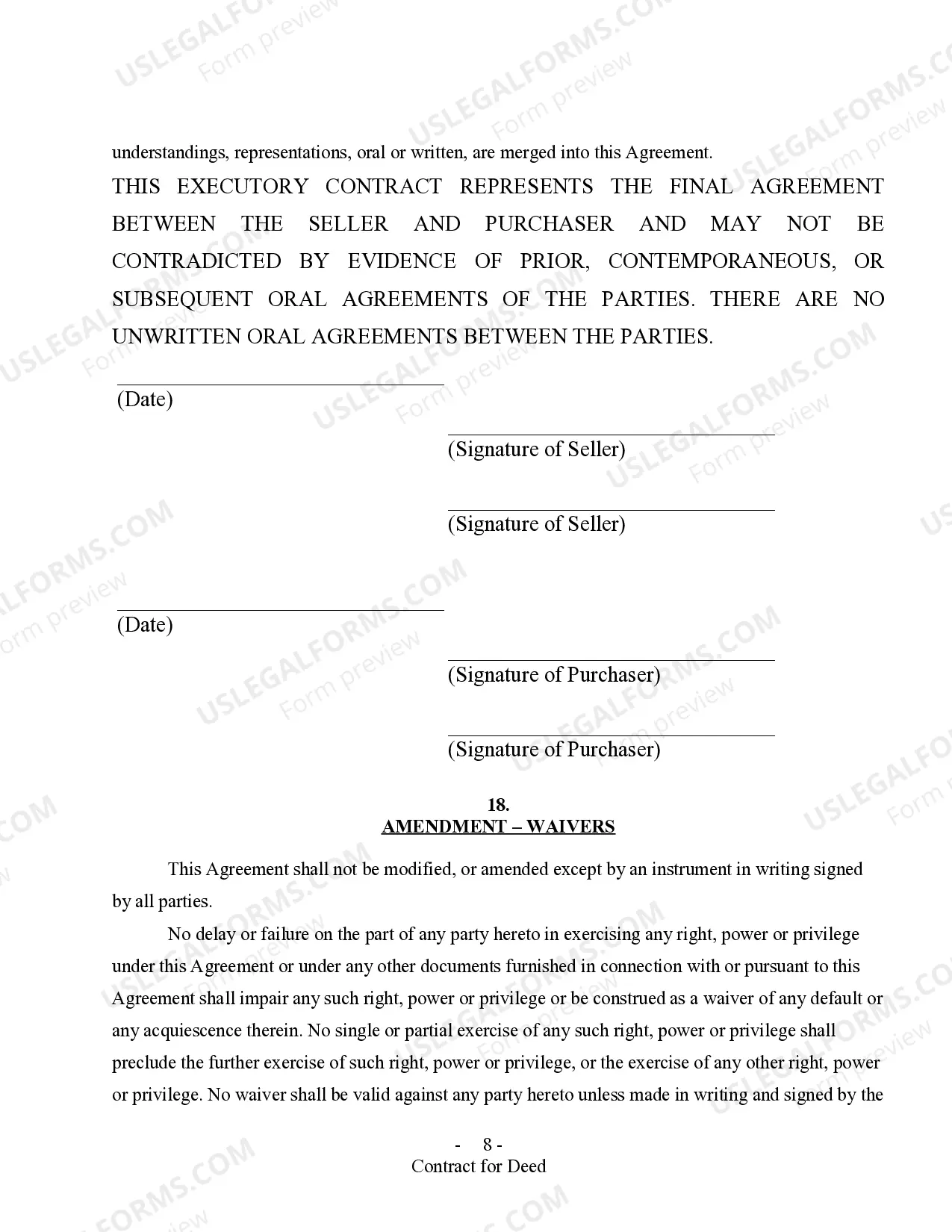


Get your form ready online
Our built-in tools help you complete, sign, share, and store your documents in one place.
Make edits, fill in missing information, and update formatting in US Legal Forms—just like you would in MS Word.
Download a copy, print it, send it by email, or mail it via USPS—whatever works best for your next step.
Sign and collect signatures with our SignNow integration. Send to multiple recipients, set reminders, and more. Go Premium to unlock E-Sign.
If this form requires notarization, complete it online through a secure video call—no need to meet a notary in person or wait for an appointment.
We protect your documents and personal data by following strict security and privacy standards.

Make edits, fill in missing information, and update formatting in US Legal Forms—just like you would in MS Word.

Download a copy, print it, send it by email, or mail it via USPS—whatever works best for your next step.

Sign and collect signatures with our SignNow integration. Send to multiple recipients, set reminders, and more. Go Premium to unlock E-Sign.

If this form requires notarization, complete it online through a secure video call—no need to meet a notary in person or wait for an appointment.

We protect your documents and personal data by following strict security and privacy standards.
Looking for another form?

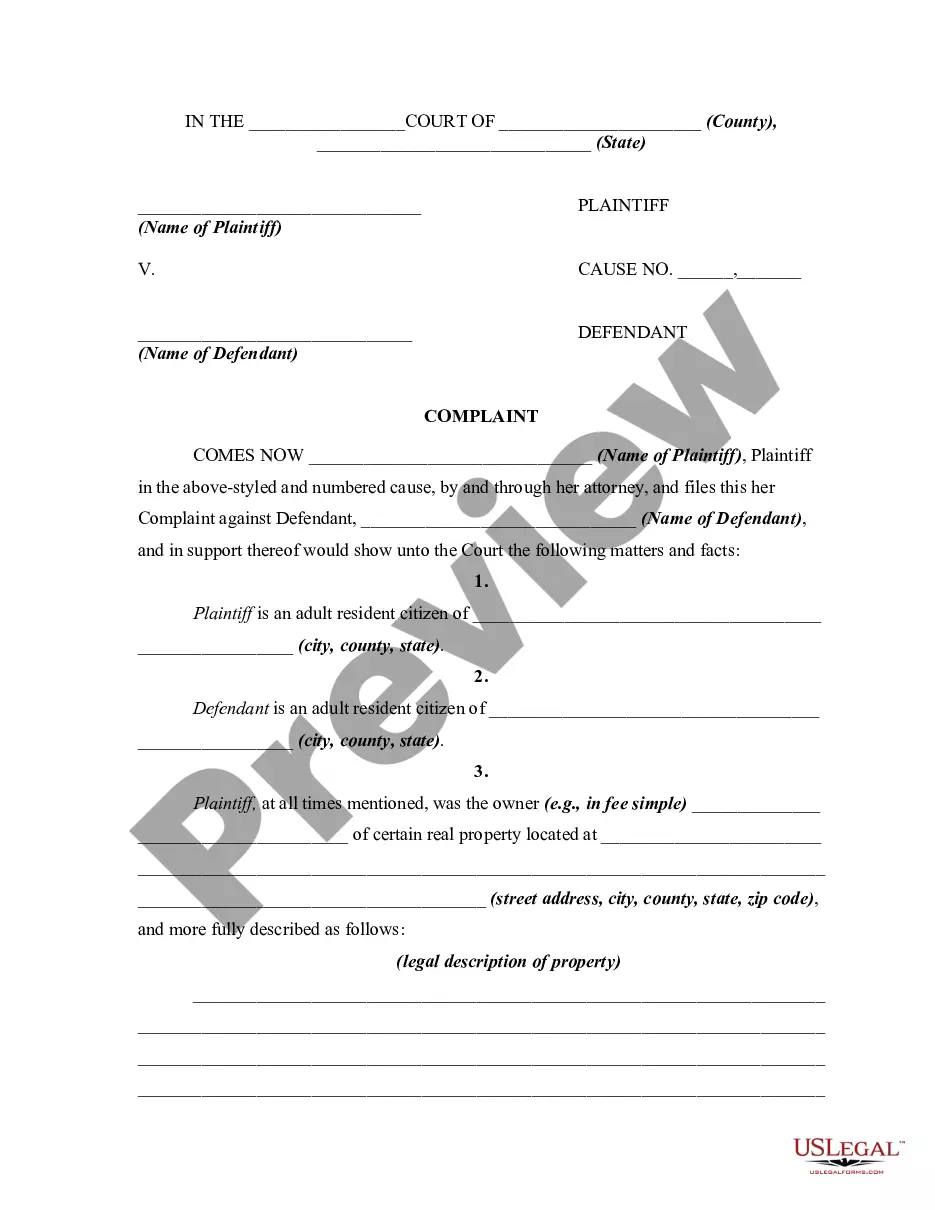

How to fill out All Texas Contract For Deed Forms For Residential Use - Land Contract, Agreement For Deed, Executory Contract?
Creating legal documents from the beginning can occasionally feel a bit daunting.
Certain situations may entail extensive research and significant financial investment.
If you seek a simpler and more economical method of preparing Executory Without Contract or other documentation without excessive hassle, US Legal Forms is consistently accessible to you.
Our online repository of over 85,000 current legal forms encompasses almost every aspect of your financial, legal, and personal issues. With just a few clicks, you can swiftly acquire forms specific to your state and county, meticulously assembled for you by our legal experts.
Review the document preview and descriptions to confirm that you are viewing the correct document. Verify that the form you select aligns with the laws and regulations of your state and county. Select the appropriate subscription plan to obtain the Executory Without Contract. Download the document, then complete, sign, and print it. US Legal Forms enjoys a solid reputation and boasts over 25 years of expertise. Join us today and simplify the process of completing forms!
- Utilize our website whenever you require dependable and trustworthy services to quickly find and download the Executory Without Contract.
- If you are a returning user with an existing account, simply Log In, choose the required form, and download it or re-download it anytime from the My documents section.
- New user? No issue. Setting up an account and browsing the catalog takes minimal time.
- Before you proceed to download the Executory Without Contract, adhere to these guidelines.
Form popularity
FAQ
The Countryman Test determines whether a contract is executory by assessing if both parties still have obligations to fulfill. If either party has completed their duties, the contract cannot be classified as executory. This test is essential for legal evaluations involving executory contracts without a formal contract.
The two main elements of a contract are offer and acceptance. An offer is a clear proposal made by one party, while acceptance indicates agreement by the other party. Understanding this foundational aspect is crucial, especially when discussing agreements that may be executory without a formal contract.
To classify a contract as executory, it must have mutual performance obligations and an expectation of future actions. Both parties should have duties that they have yet to fulfill, indicating that the contract is still in progress. Recognizing these elements can clarify your legal rights.
A contract is deemed executory when both parties have outstanding obligations. This means that the promises made in the contract have not yet been fully realized. Understanding what qualifies as executory without contract can help you navigate legal agreements effectively.
For a contract to be executory, at least two elements must be present: mutual obligations and pending performance. Both parties must have responsibilities that remain unfulfilled. This ensures that the contract is active and that both parties are still engaged in the agreement.
A non executory contract is one where all parties have completed their obligations. Unlike executory contracts, there are no ongoing duties or promises left to fulfill. Understanding the difference helps clarify legal situations where obligations have been fully executed without a contract.
An example of an executory contract is an apartment lease. The lessee is expected to continue to pay and the lessor is expected to continue to care for the property until the end date in the contract.
An executory contract is not enforceable unless it is in writing.
An example of an executory contract is an apartment lease. The lessee is expected to continue to pay and the lessor is expected to continue to care for the property until the end date in the contract.