Tennessee Driveway Laws Without Lease
Description
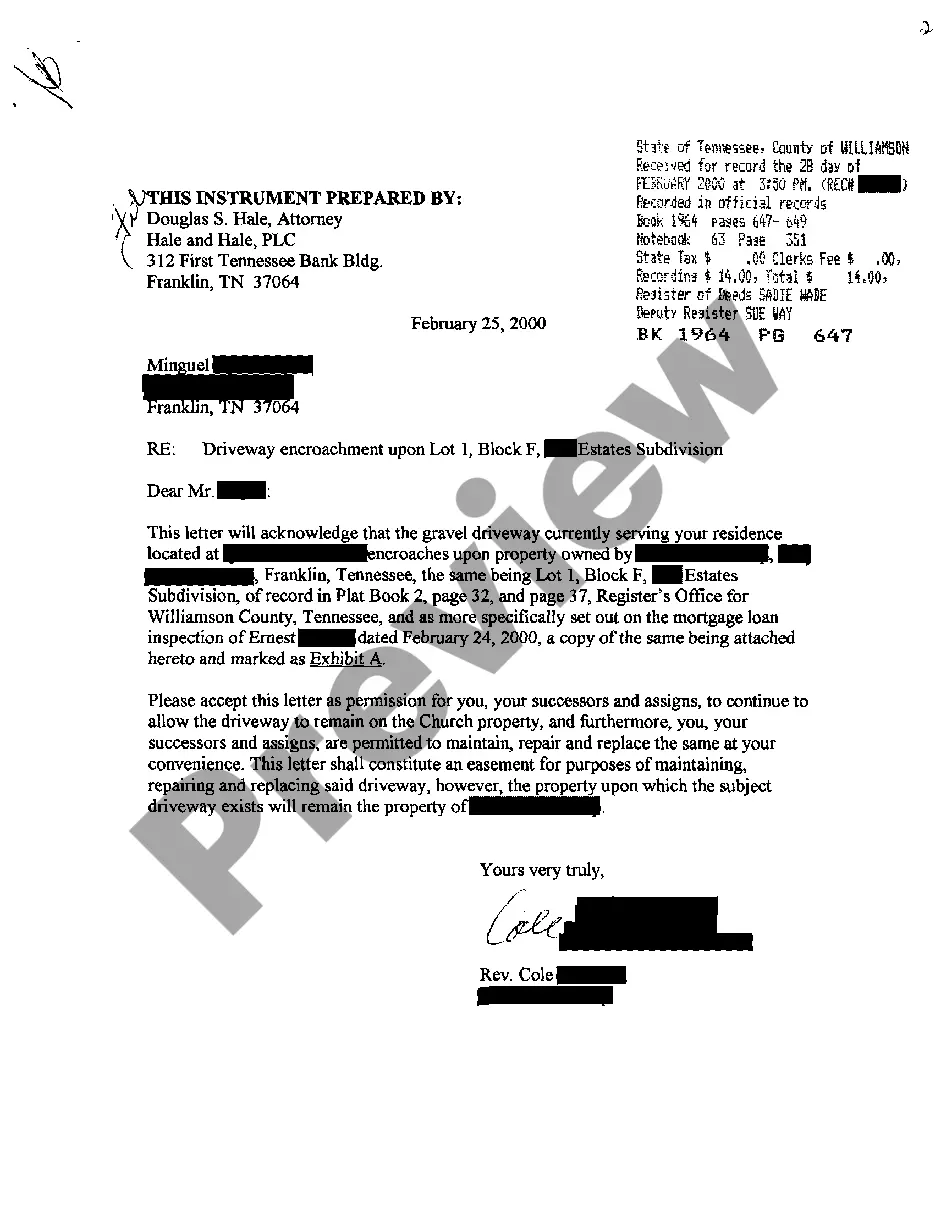
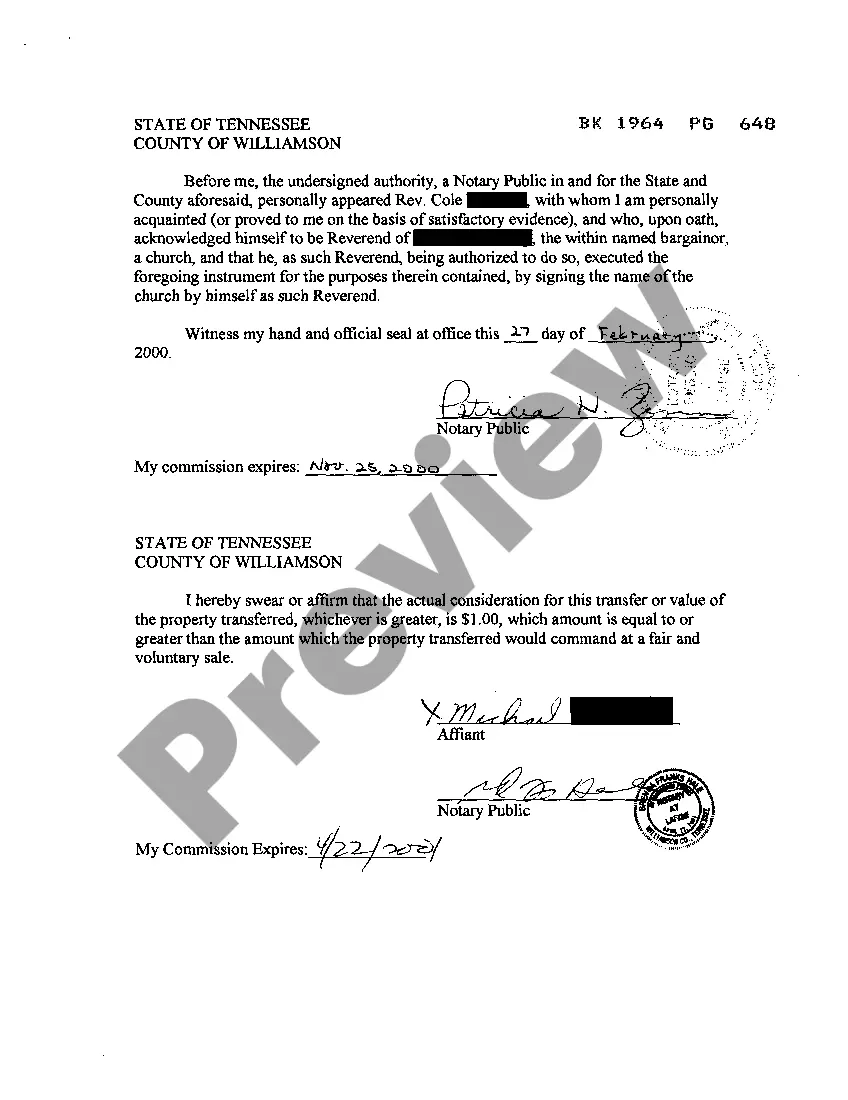
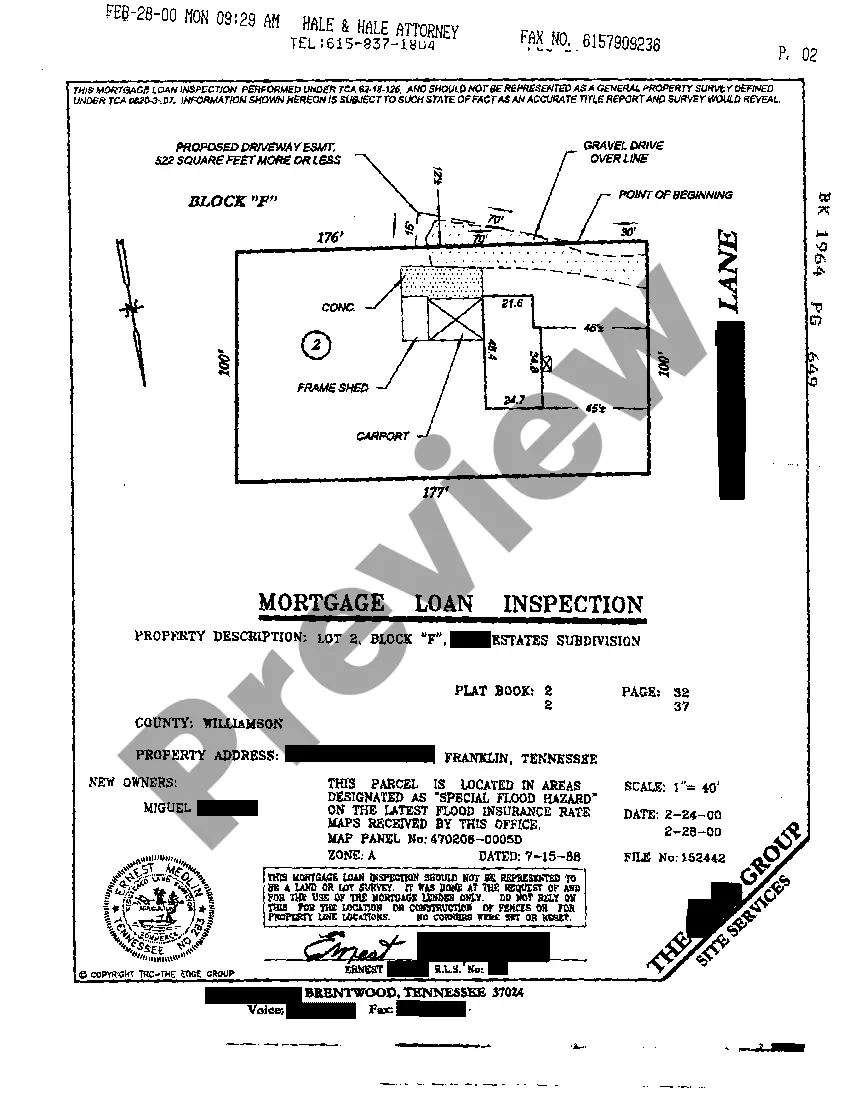
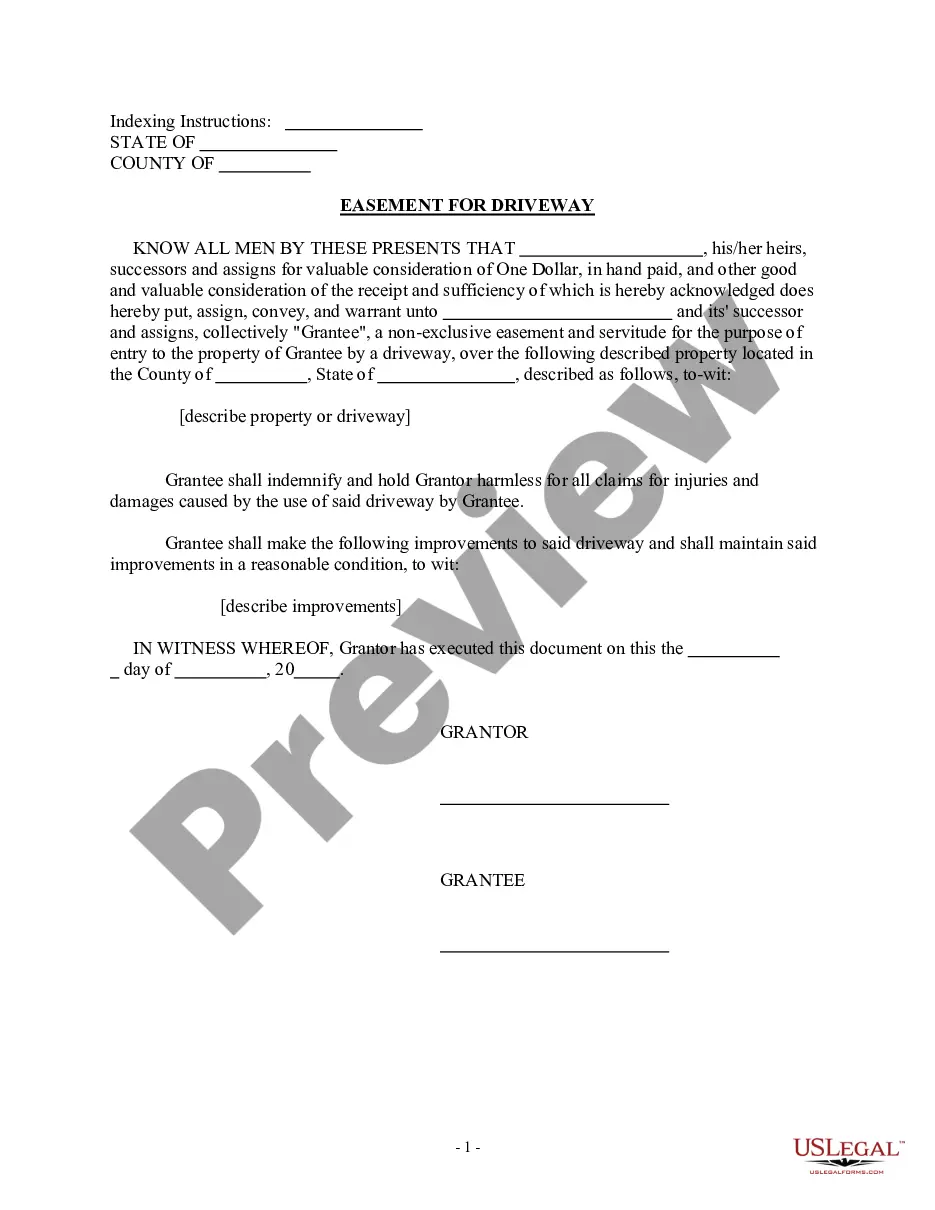
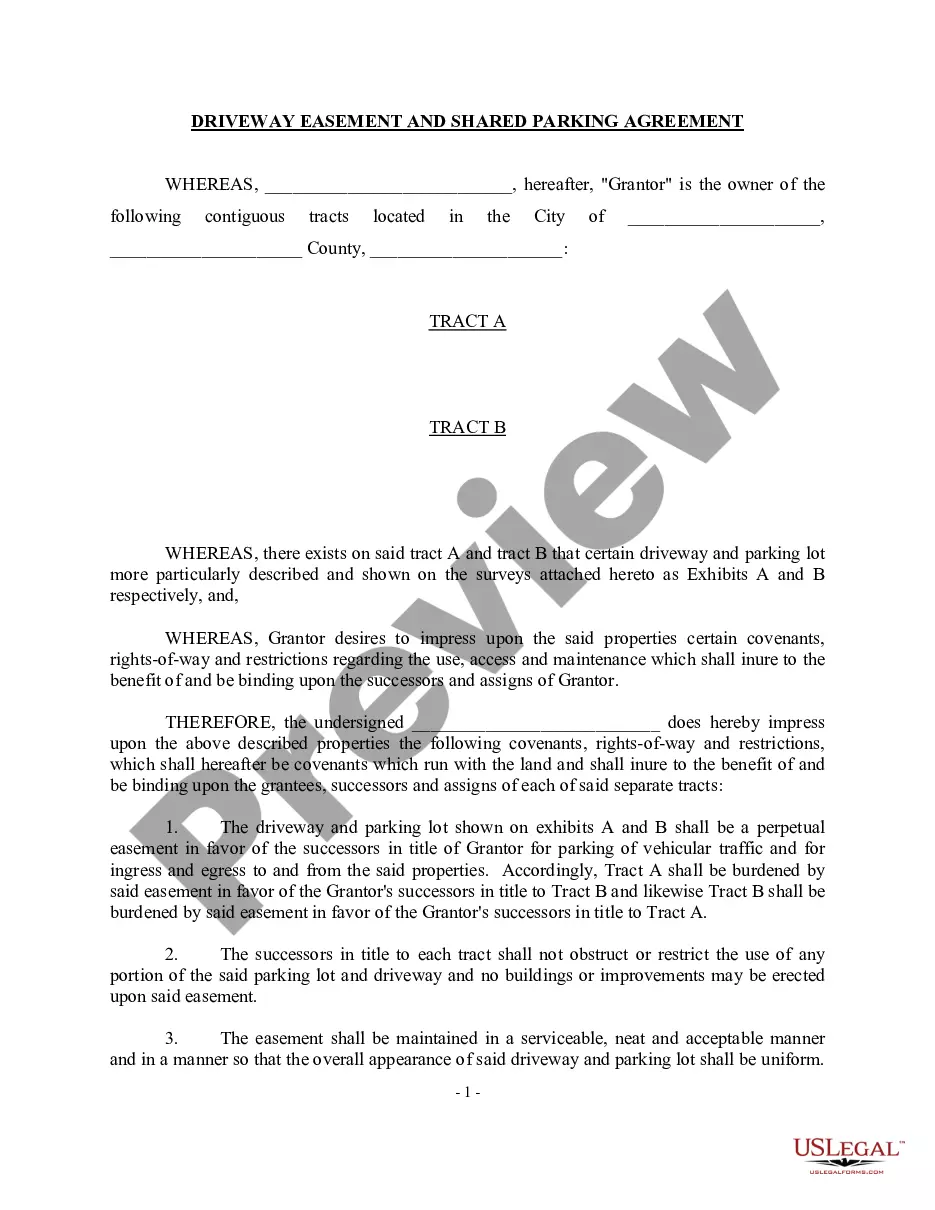







How to fill out Tennessee Driveway Easement?
Legal administration can be perplexing, even for the most adept professionals.
When you are searching for Tennessee Driveway Regulations Without Lease and lack the time to seek the correct and current version, the tasks may be challenging.
Utilize sophisticated tools to fill out and manage your Tennessee Driveway Regulations Without Lease.
Gain access to a valuable resource library of articles, manuals, and references related to your case and necessities.
Verify it is the correct form by previewing it and reading its summary.
- Conserve effort and time searching for the documents you require, and use US Legal Forms' advanced search and Review feature to locate Tennessee Driveway Regulations Without Lease and obtain it.
- If you are a member, Log In to your US Legal Forms account, look for the form, and retrieve it.
- Check your My documents tab to see the documents you have previously downloaded and manage your files as you prefer.
- If it's your first experience with US Legal Forms, create a free account and gain unlimited access to all the benefits of the library.
- Here are the steps to follow after obtaining the form you desire.
- Utilize a comprehensive online form directory could be a significant advantage for anyone who wishes to handle these issues effectively.
- Access state- or county-specific legal and organizational documents.
- US Legal Forms accommodates any needs you might possess, from personal to business paperwork, in a single location.
Form popularity
FAQ
Under Tennessee driveway laws without lease, an easement grants a person the legal right to use another's property for a specific purpose, such as accessing a driveway. This means that if you have an easement, you can use the driveway even if you do not own it. However, the rights associated with the easement can vary, so it is crucial to understand the details outlined in the easement agreement. To navigate these complexities, you can utilize resources from USLegalForms to ensure you understand your rights and responsibilities.
Easement laws in Tennessee vary based on the type and purpose of the easement. Generally, these laws establish the rights of property owners and the obligations of those holding the easement. Understanding how these laws apply to your situation is crucial, especially regarding Tennessee driveway laws without lease. For detailed information and legal forms, USLegalForms can provide the necessary tools to navigate your easement concerns effectively.
As a property owner in Tennessee, you may have certain rights regarding easements on your property. An easement allows someone else to use a portion of your land for a specific purpose, such as accessing a driveway. It is essential to understand the terms of any easement agreements and how they relate to Tennessee driveway laws without lease. If you need guidance, consider using resources from USLegalForms to clarify your rights and ensure compliance.
The requirements for a driveway in Tennessee can vary based on local regulations, but generally, a driveway should provide safe access and drainage. Additionally, materials used must comply with local construction standards. When planning your driveway, reviewing the Tennessee driveway laws without lease is crucial to ensure you meet all necessary criteria. Consulting U.S. Legal Forms can provide clarity on documentation and compliance.
Homeowners in Tennessee may perform several tasks without a permit, including minor landscape changes and small repairs. However, when it comes to significant projects like driveway installations, restrictions may apply. It's essential to be aware of the specific Tennessee driveway laws without lease that govern what actions are permissible without a permit. For detailed guidance, consider using resources like U.S. Legal Forms.
In Tennessee, whether you need a permit to pour your own driveway largely depends on your local regulations. Generally, if you are constructing a driveway that meets certain criteria, you may be required to obtain a permit. It’s crucial to check your local zoning laws and building codes to ensure compliance. Understanding Tennessee driveway laws without lease can help you navigate these requirements effectively.
As a tenant without a lease in Tennessee, you have specific rights, including the right to privacy and the right to not be discriminated against. You also have the right to receive proper notice before any eviction process begins. Familiarizing yourself with Tennessee driveway laws without lease can help you understand how these rights apply to your living situation. For more comprehensive insights, platforms like uslegalforms can be a valuable resource.
Yes, in Tennessee, you typically need a permit to construct a new driveway or make significant alterations to an existing one. The permit requirements can vary by county or city, so it's essential to check local regulations. Understanding Tennessee driveway laws without lease will help ensure that you comply with all applicable codes and avoid potential fines. For detailed guidance, uslegalforms can provide the necessary documentation and information.
The 5 acre rule in Tennessee pertains to zoning and land use regulations, particularly for residential properties. Generally, this rule states that if you own a parcel of land that is five acres or more, you may have more flexibility in land use compared to smaller parcels. This can impact decisions related to driveways and other structures. Knowing Tennessee driveway laws without lease can assist you in making informed choices regarding your property.
As a tenant without a lease in Tennessee, you retain certain rights, including the right to a safe and habitable living environment. You are also entitled to proper notice before eviction. It is important to be aware of Tennessee driveway laws without lease, as they can influence your situation and provide clarity on your legal standing. Consider consulting resources like uslegalforms to help you understand your rights thoroughly.