Tennessee Divorce Laws With Child
Description
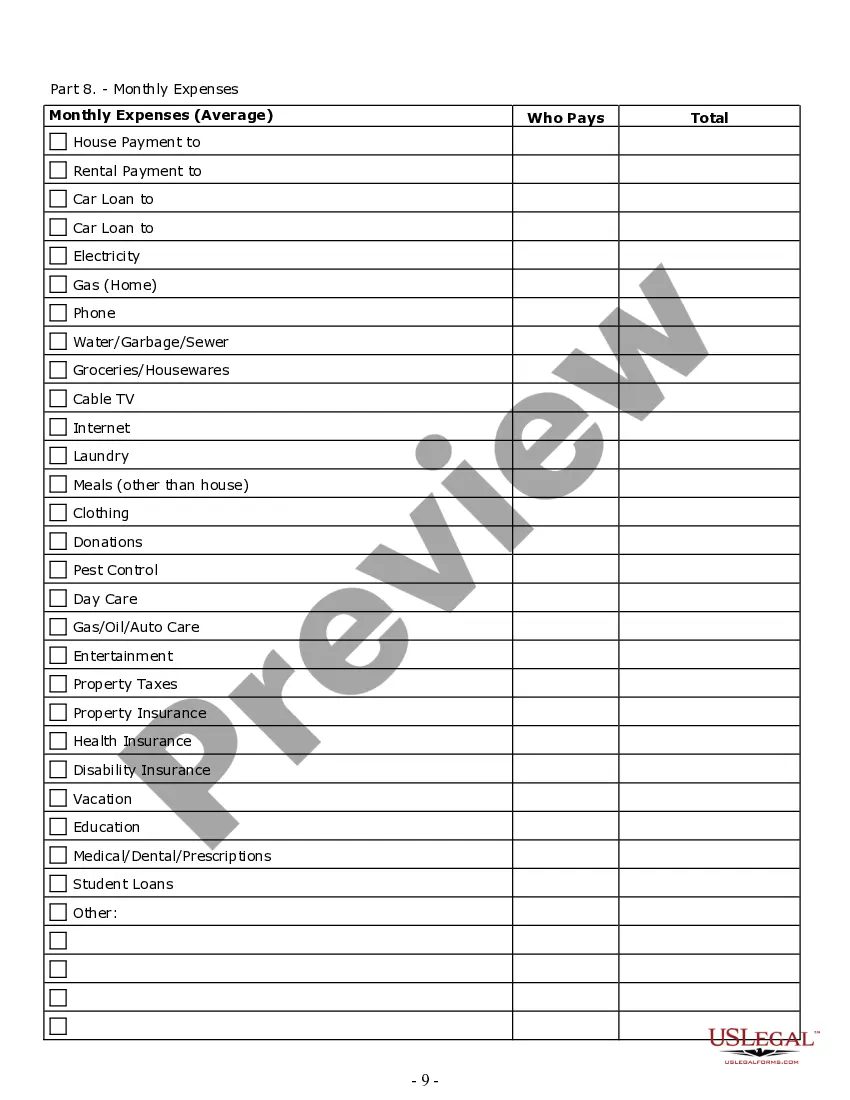
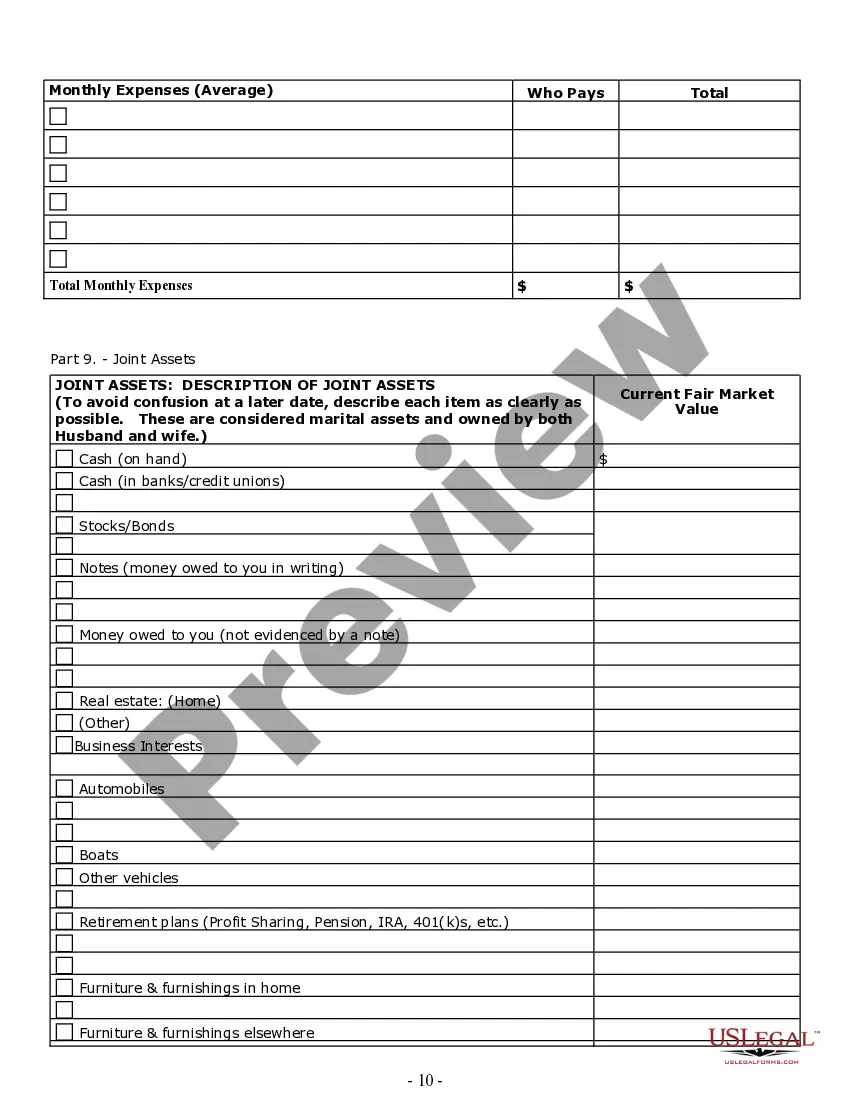

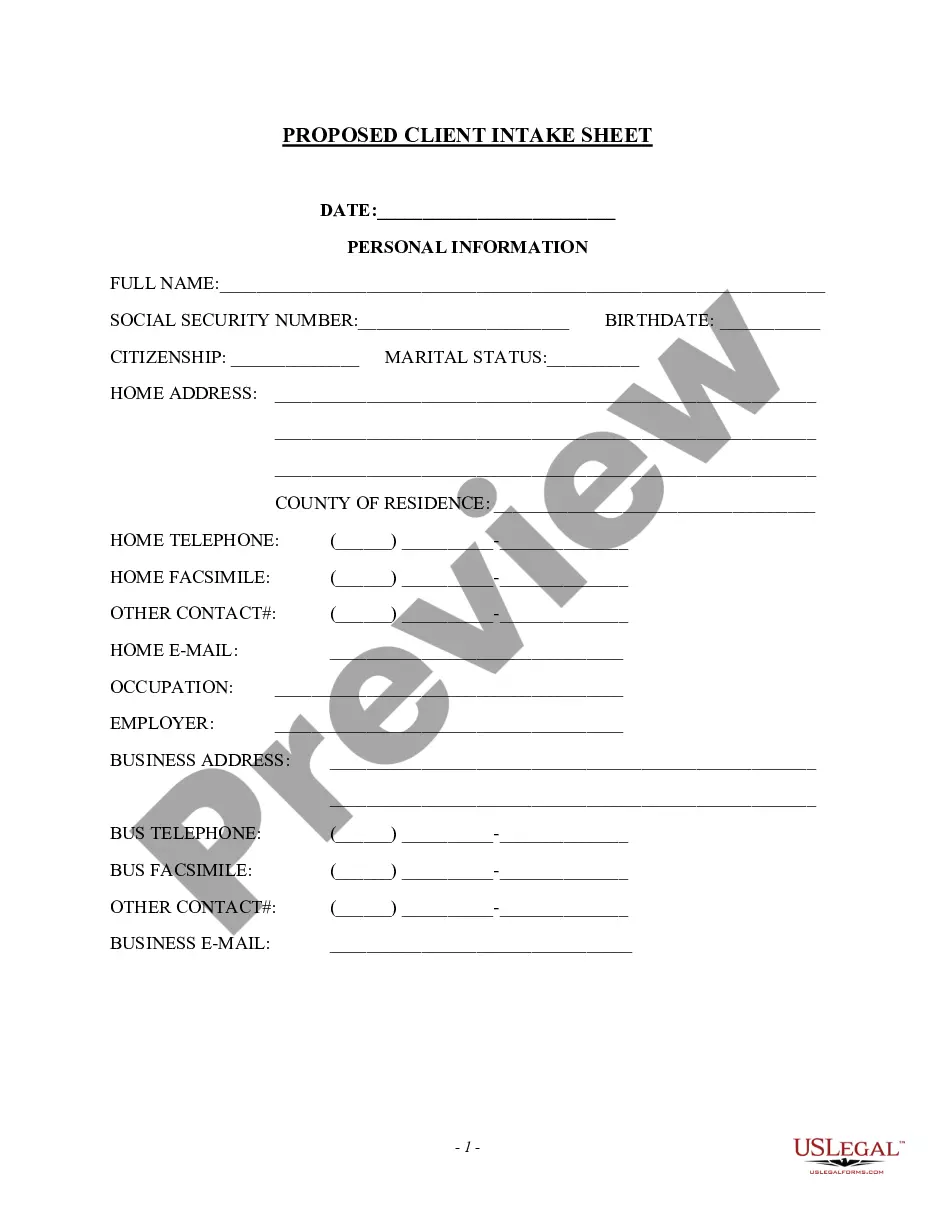
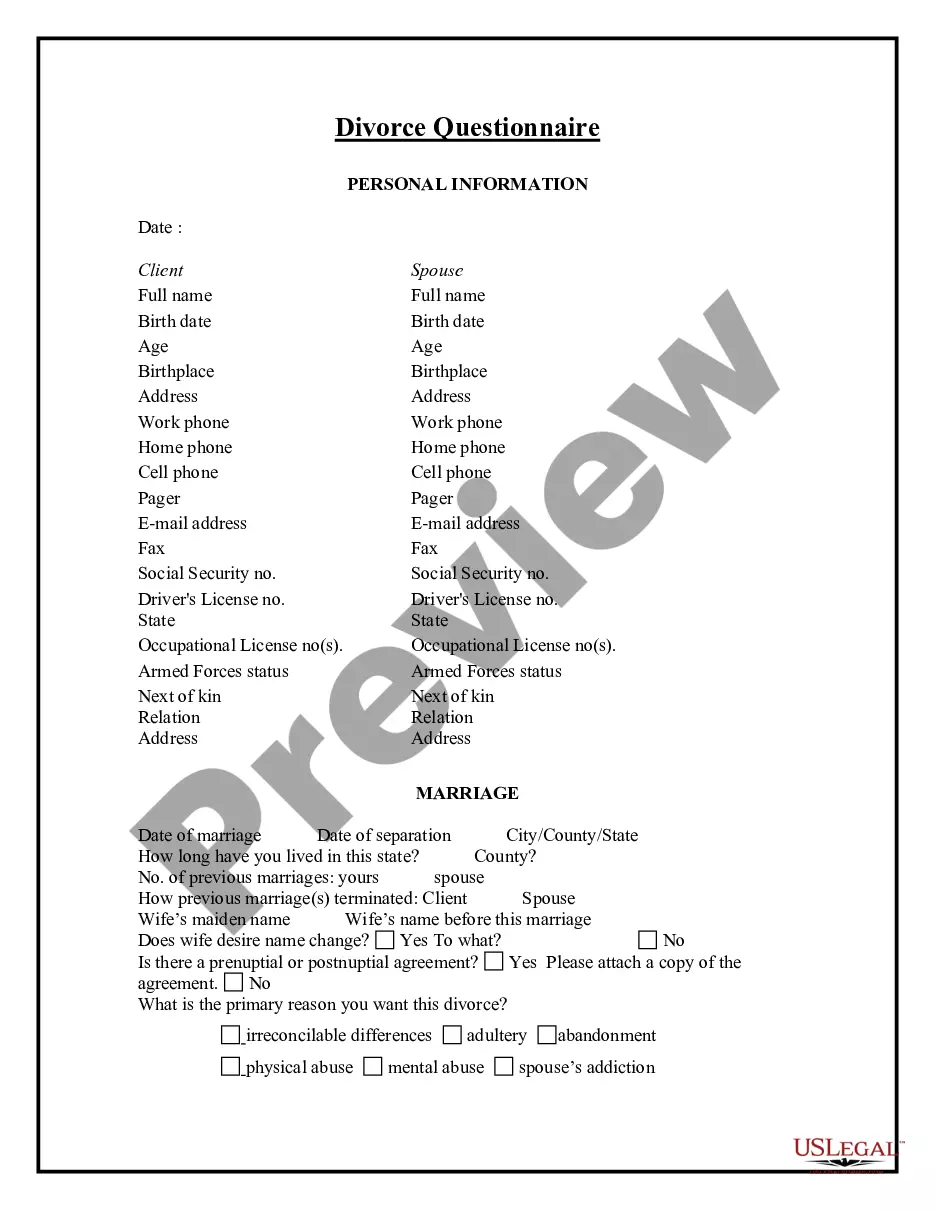

Get your form ready online
Our built-in tools help you complete, sign, share, and store your documents in one place.
Make edits, fill in missing information, and update formatting in US Legal Forms—just like you would in MS Word.
Download a copy, print it, send it by email, or mail it via USPS—whatever works best for your next step.
Sign and collect signatures with our SignNow integration. Send to multiple recipients, set reminders, and more. Go Premium to unlock E-Sign.
If this form requires notarization, complete it online through a secure video call—no need to meet a notary in person or wait for an appointment.
We protect your documents and personal data by following strict security and privacy standards.

Make edits, fill in missing information, and update formatting in US Legal Forms—just like you would in MS Word.

Download a copy, print it, send it by email, or mail it via USPS—whatever works best for your next step.

Sign and collect signatures with our SignNow integration. Send to multiple recipients, set reminders, and more. Go Premium to unlock E-Sign.

If this form requires notarization, complete it online through a secure video call—no need to meet a notary in person or wait for an appointment.

We protect your documents and personal data by following strict security and privacy standards.
Looking for another form?






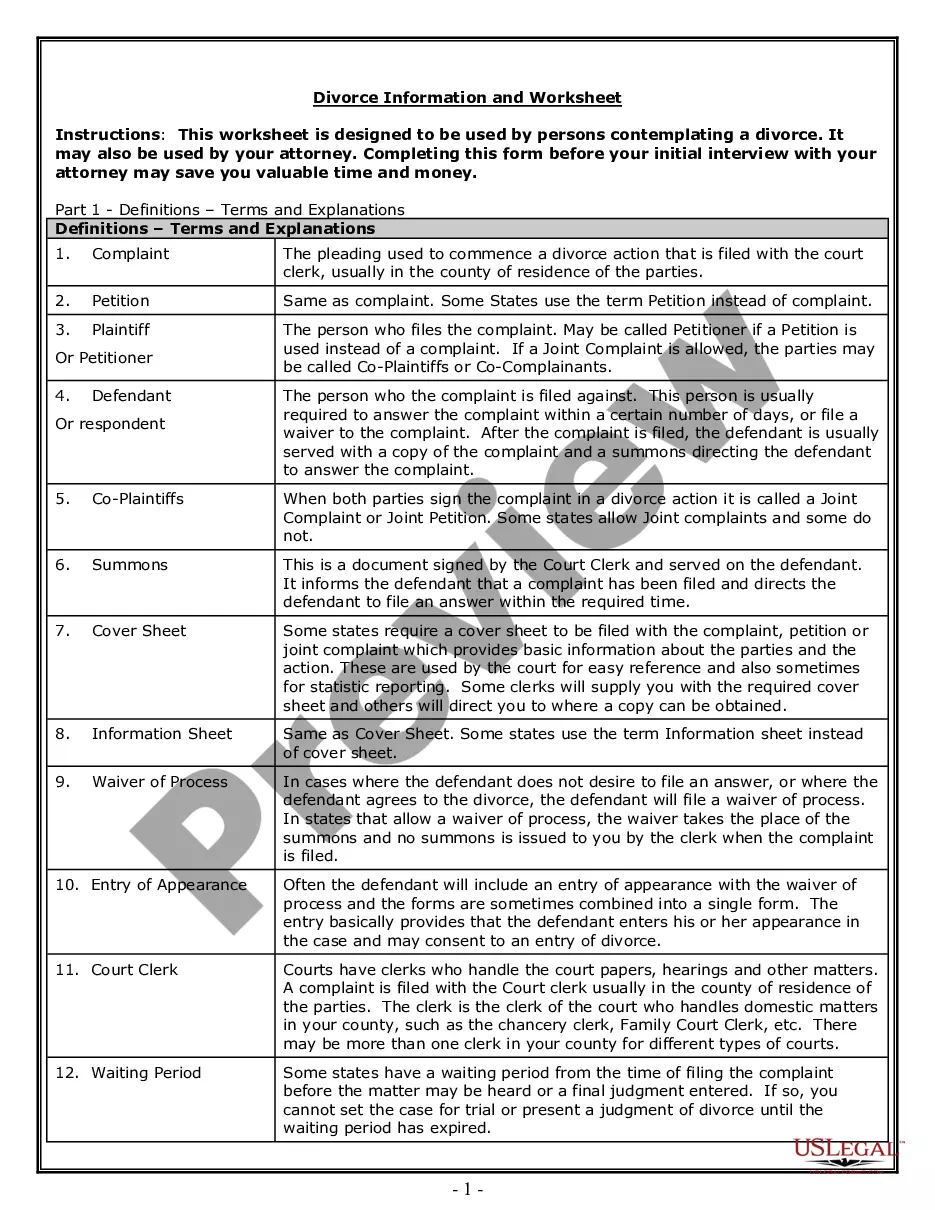
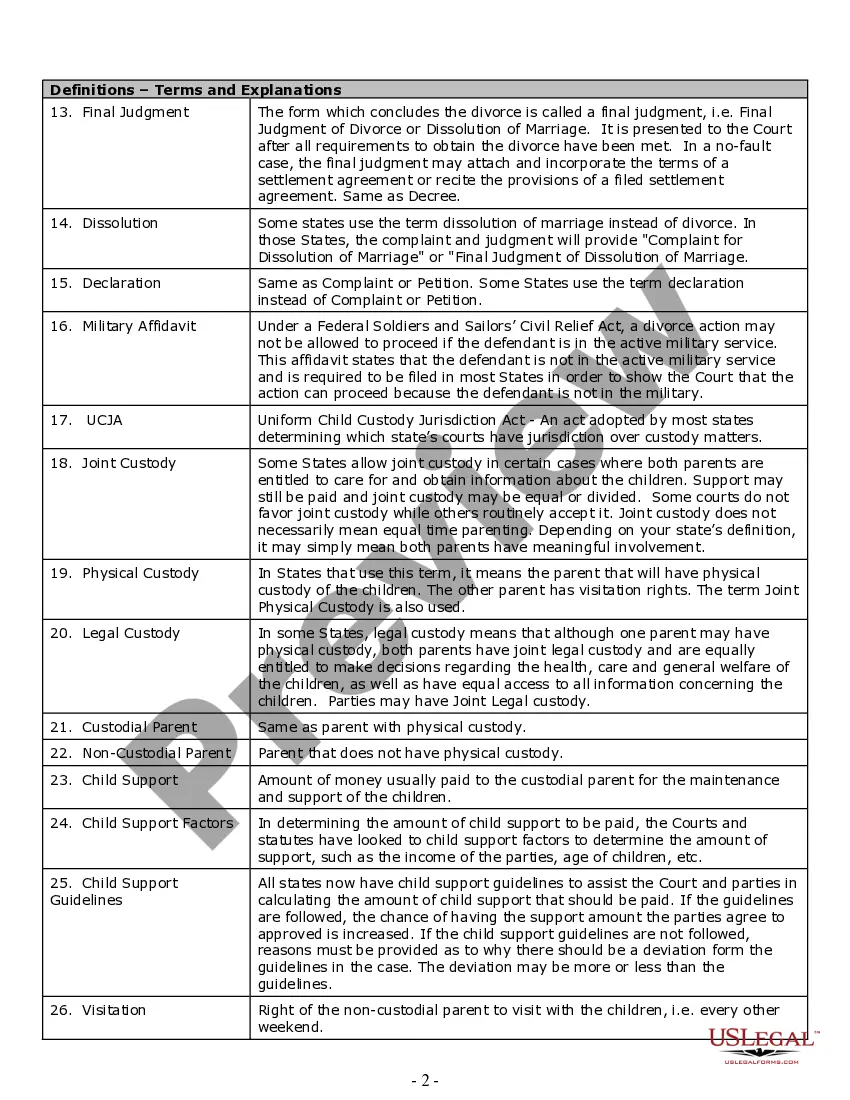
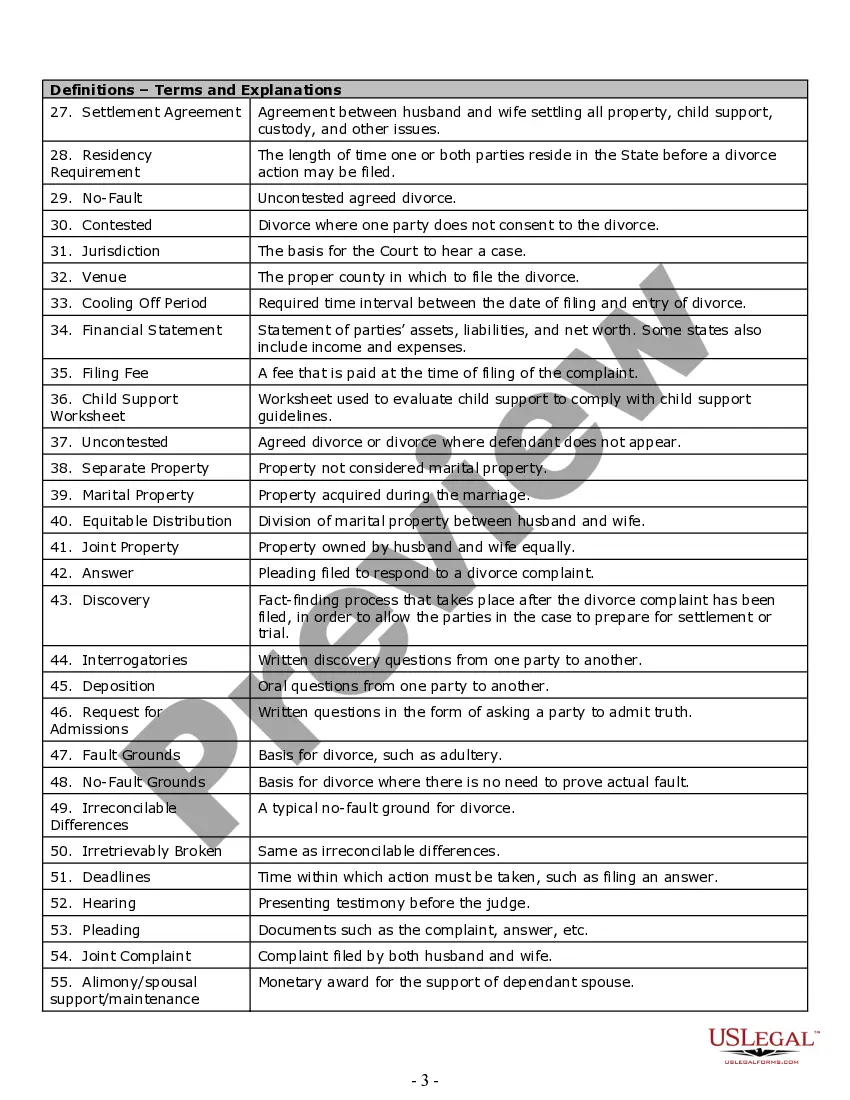
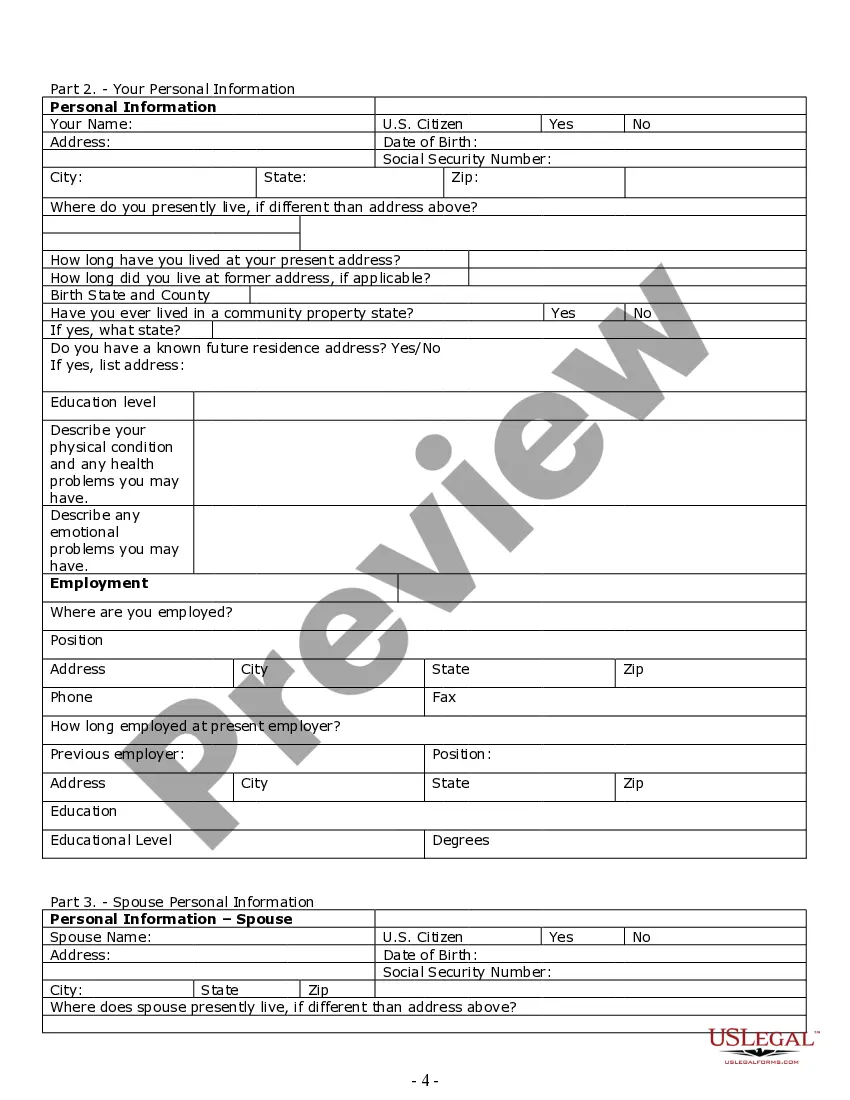
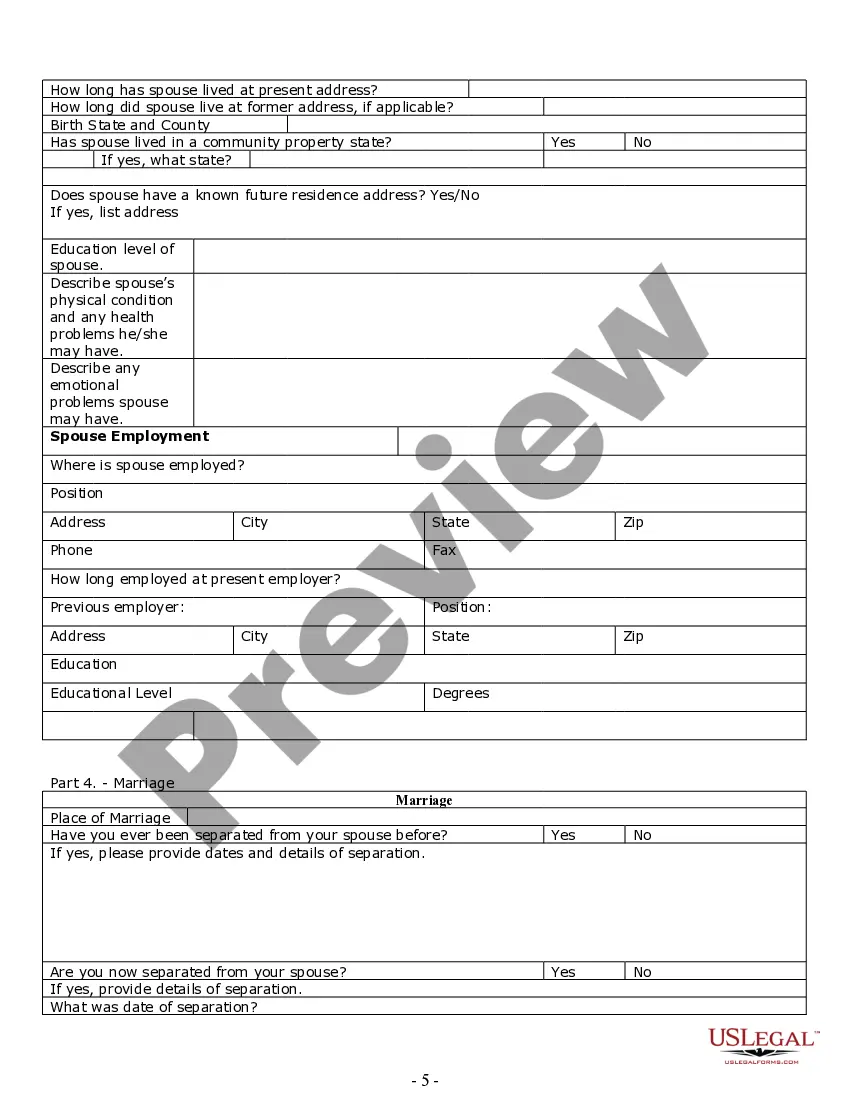
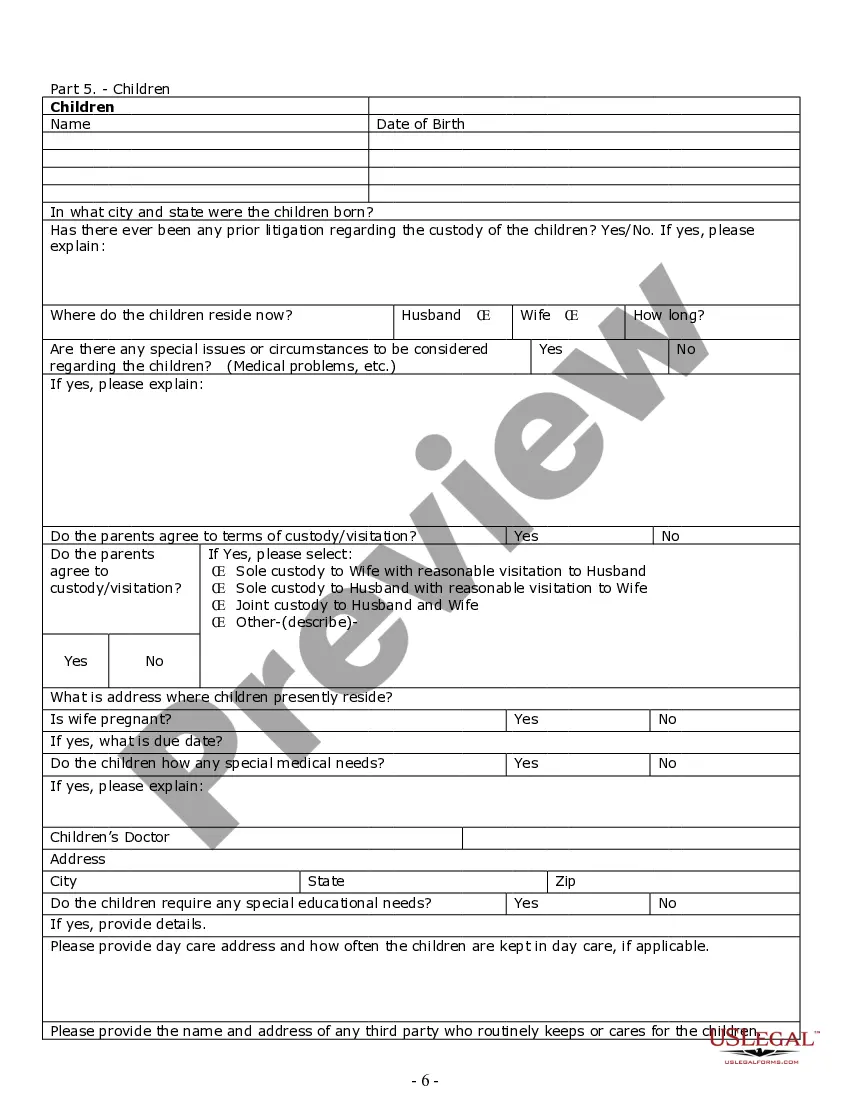
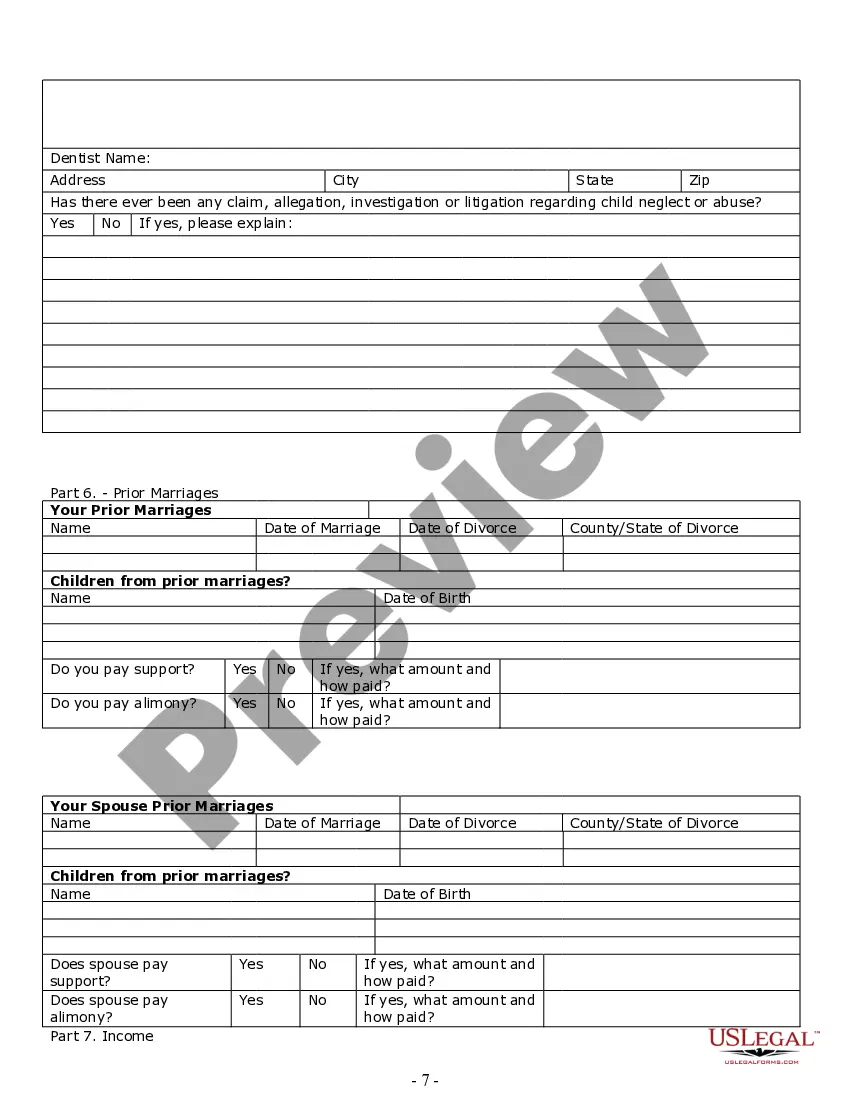
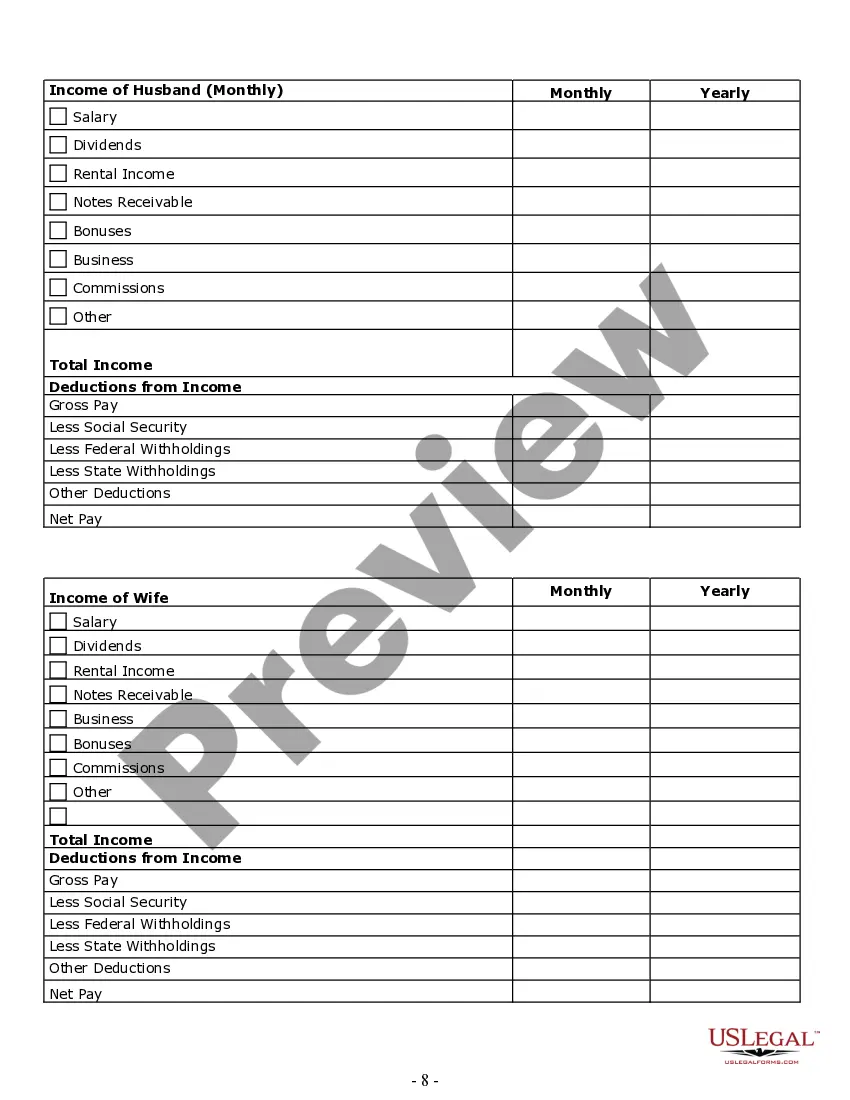
How to fill out Tennessee Divorce Worksheet And Law Summary For Contested Or Uncontested Case Of Over 25 Pages - Ideal Client Interview Form?
Finding a go-to place to take the most current and relevant legal samples is half the struggle of handling bureaucracy. Finding the right legal documents needs precision and attention to detail, which is why it is vital to take samples of Tennessee Divorce Laws With Child only from trustworthy sources, like US Legal Forms. A wrong template will waste your time and delay the situation you are in. With US Legal Forms, you have little to be concerned about. You may access and view all the details regarding the document’s use and relevance for your circumstances and in your state or region.
Take the listed steps to complete your Tennessee Divorce Laws With Child:
- Make use of the library navigation or search field to find your sample.
- View the form’s description to check if it fits the requirements of your state and area.
- View the form preview, if there is one, to make sure the template is definitely the one you are looking for.
- Get back to the search and look for the correct template if the Tennessee Divorce Laws With Child does not match your requirements.
- If you are positive about the form’s relevance, download it.
- When you are an authorized customer, click Log in to authenticate and gain access to your picked forms in My Forms.
- If you do not have a profile yet, click Buy now to get the template.
- Select the pricing plan that fits your needs.
- Go on to the registration to complete your purchase.
- Finalize your purchase by selecting a transaction method (credit card or PayPal).
- Select the document format for downloading Tennessee Divorce Laws With Child.
- Once you have the form on your device, you may alter it using the editor or print it and complete it manually.
Eliminate the hassle that accompanies your legal documentation. Discover the comprehensive US Legal Forms library to find legal samples, examine their relevance to your circumstances, and download them immediately.
Form popularity
FAQ
Where you live can impact how long it takes to get divorced. In Tennessee, even those who are in complete agreement about a divorce must wait at least 60 days to finalize the process. If they have minor children, the state bumps this up to 90 days. The courts refer to this as the ?cooling off? period.
Tennessee law does not specify a specific age at which a child can express their preference in a custody case. However, the court is more likely to consider the preference of an older, more mature child. Generally, children aged 12 or older are deemed to be of sufficient age and maturity to express a preference.
Ing to a survey conducted by Martindale-Nolo, the average divorce in the United States is $15,500 per side. The average cost of divorce in Tennessee is $12,600 per side and if you have minor children, that average jumps to $18,900.
Generally, most divorces will require you to complete, sign, and notarize each of the following forms: Complaint for Divorce. Spouse's Personal Information. Health Insurance Notice. Agreed Permanent Parenting Plan (if applicable) Divorce Agreement. Final Decree of Divorce. Court Order for Divorcing Spouses.
Under Tennessee law, all parents have a general obligation to financially support their children. So, while you may be paying less in child support with equal parenting time, this does not mean that you have any less of an obligation to meet your children's financial needs while they are in your care.