South Dakota Divorce With Children
Description
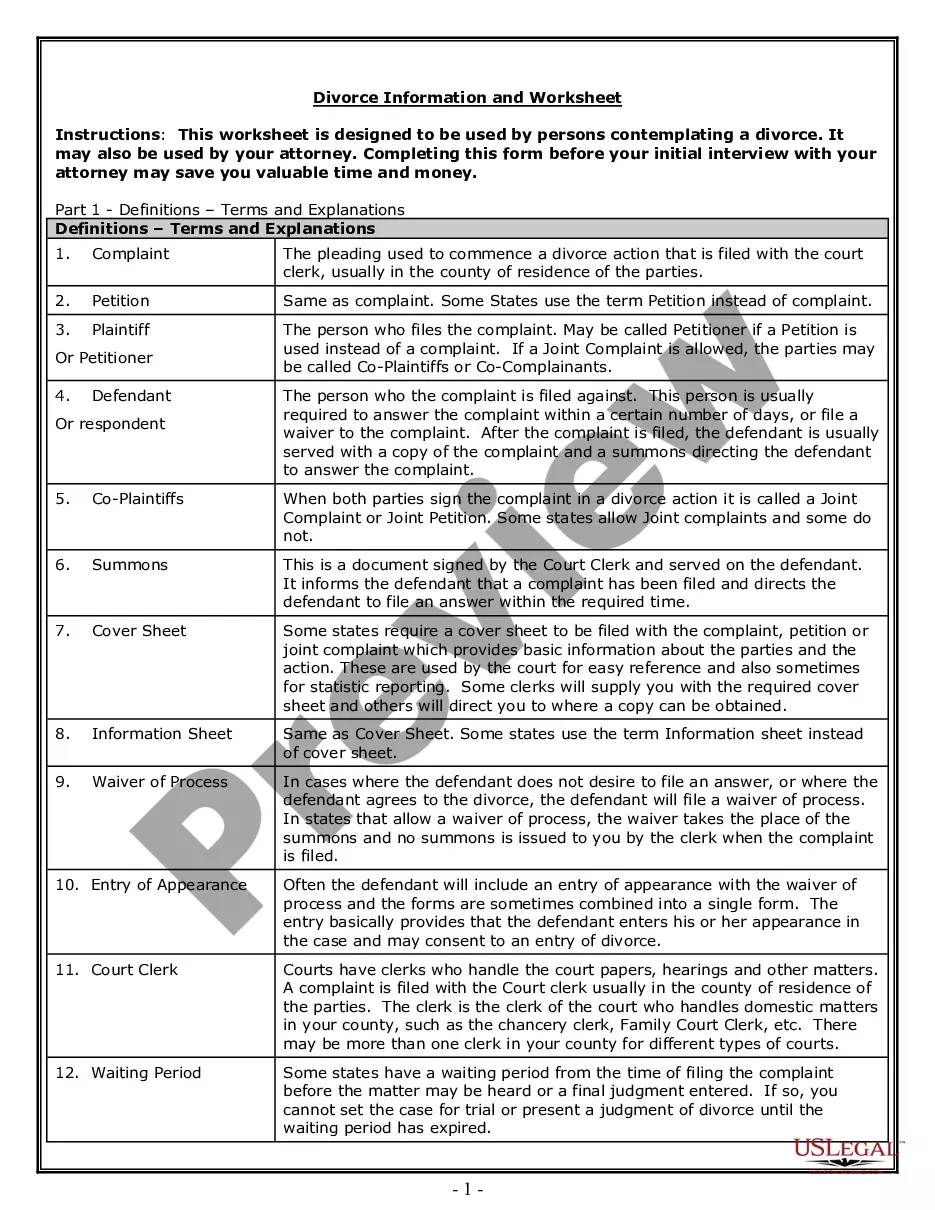
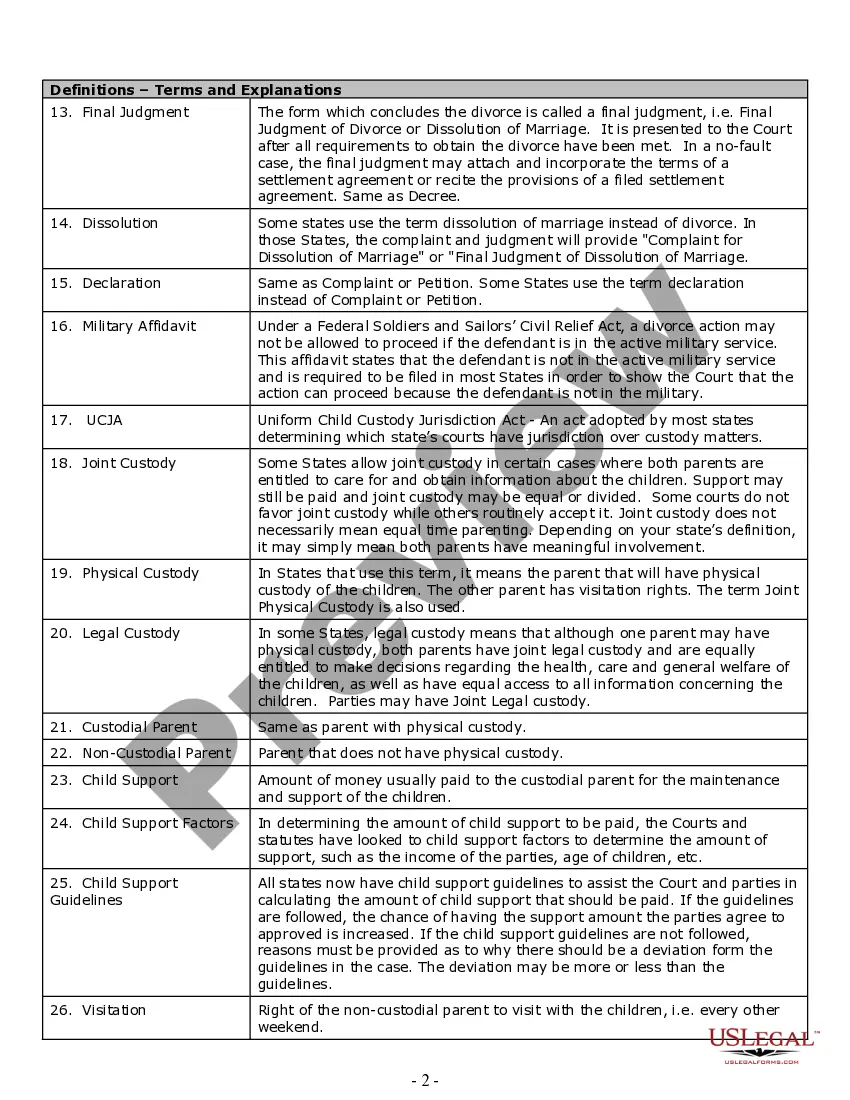
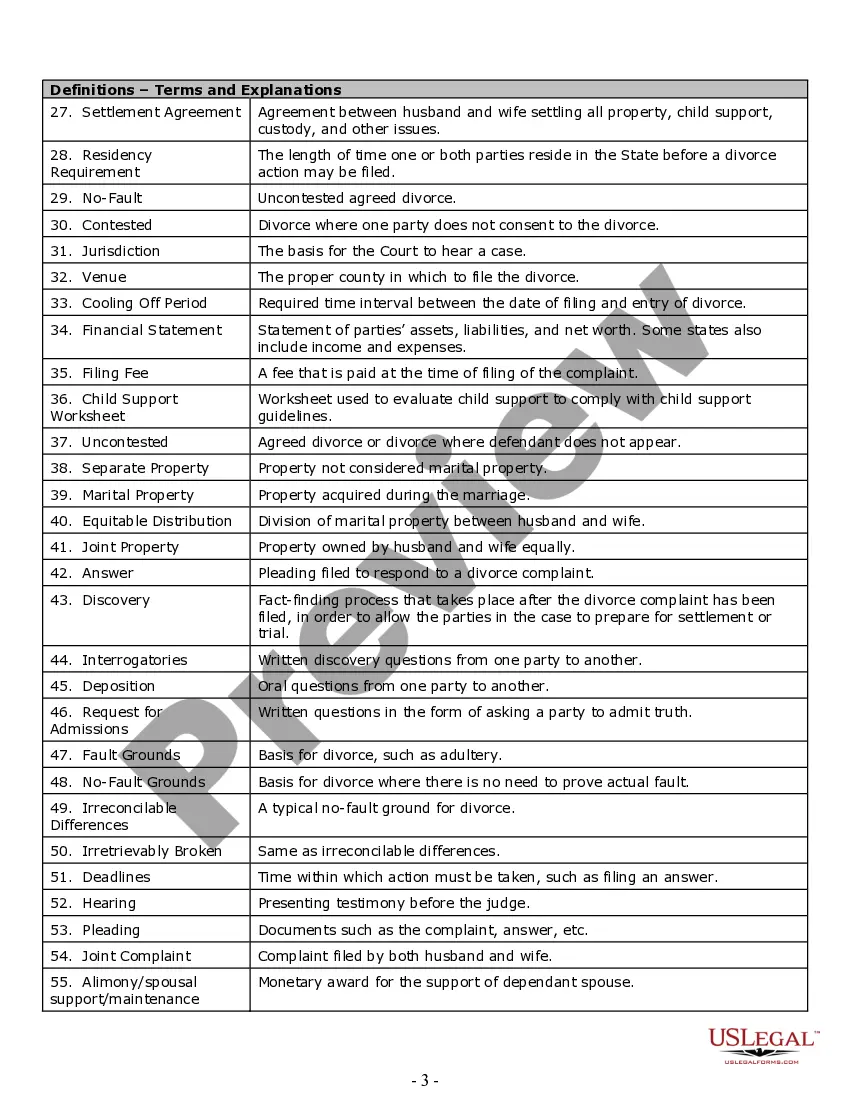
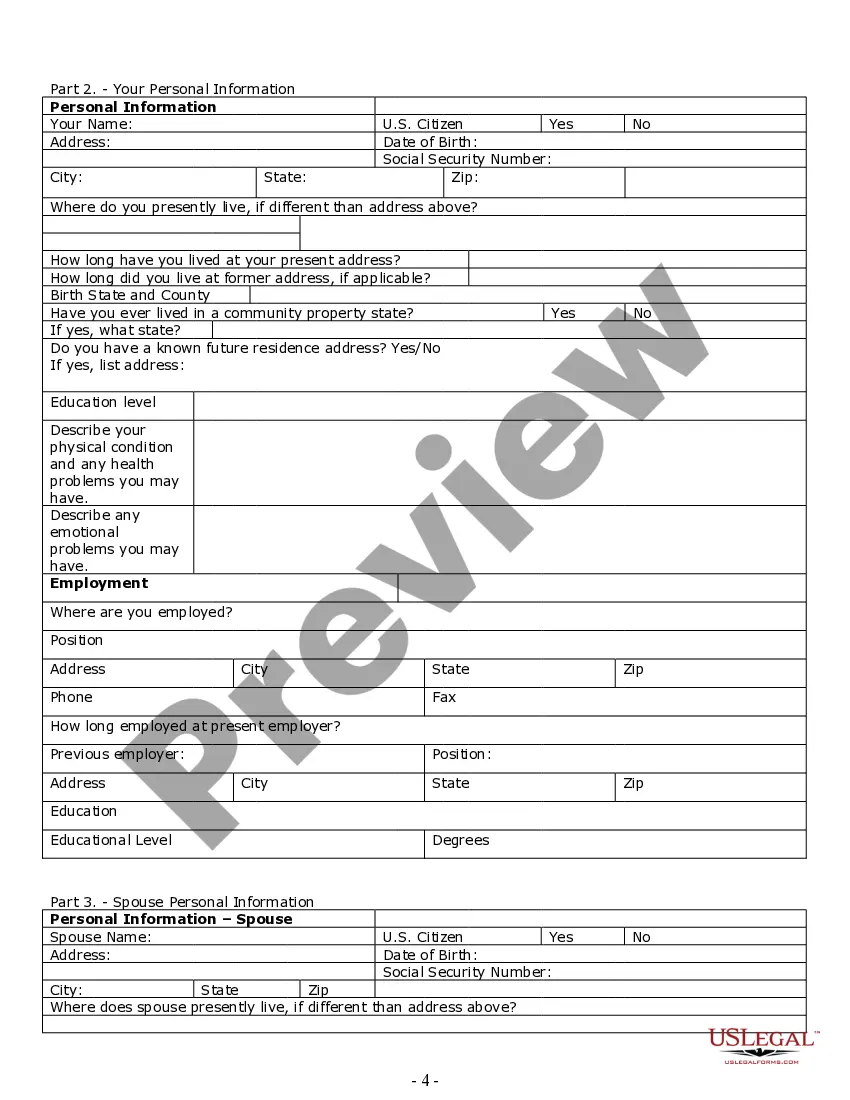
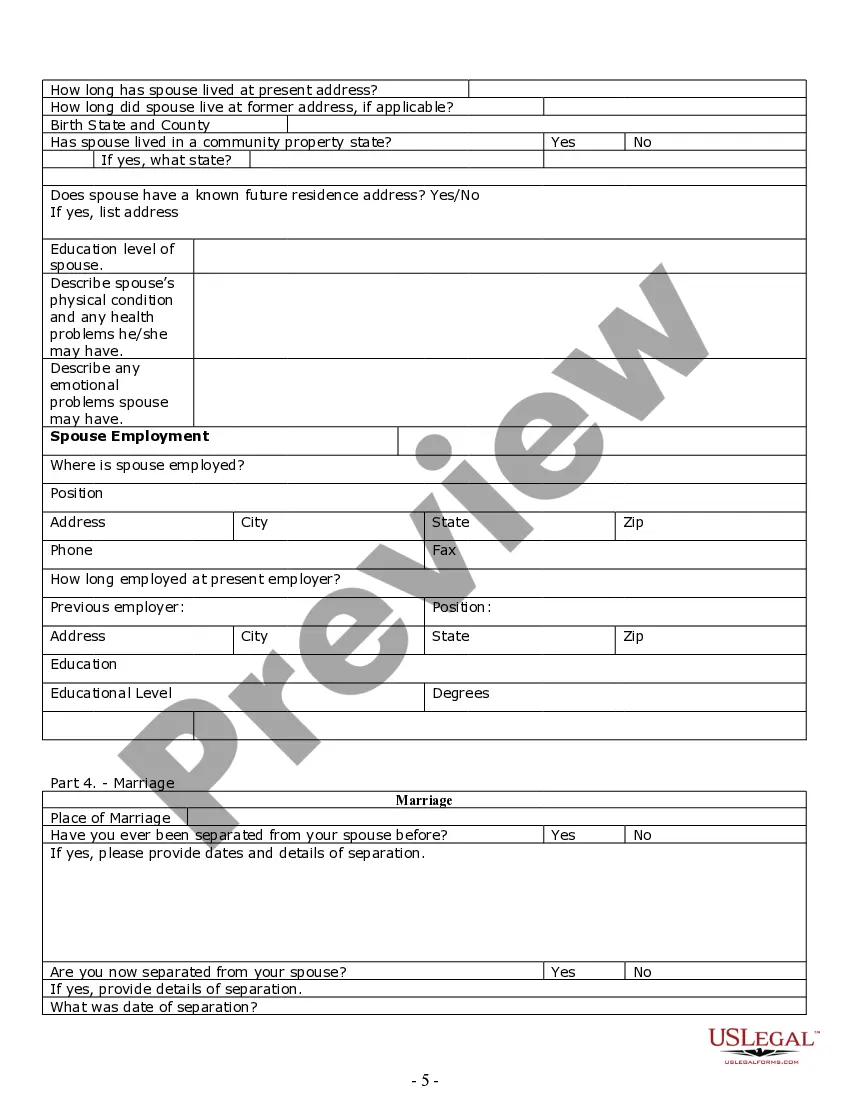
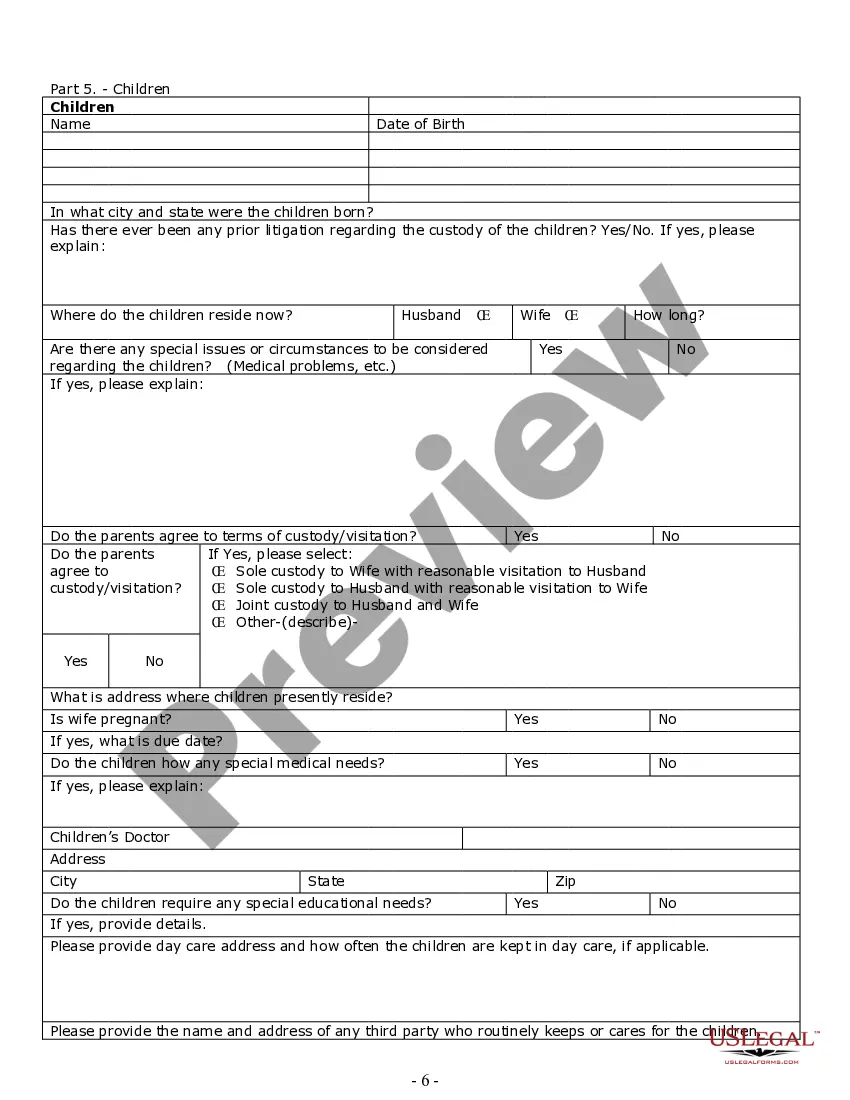
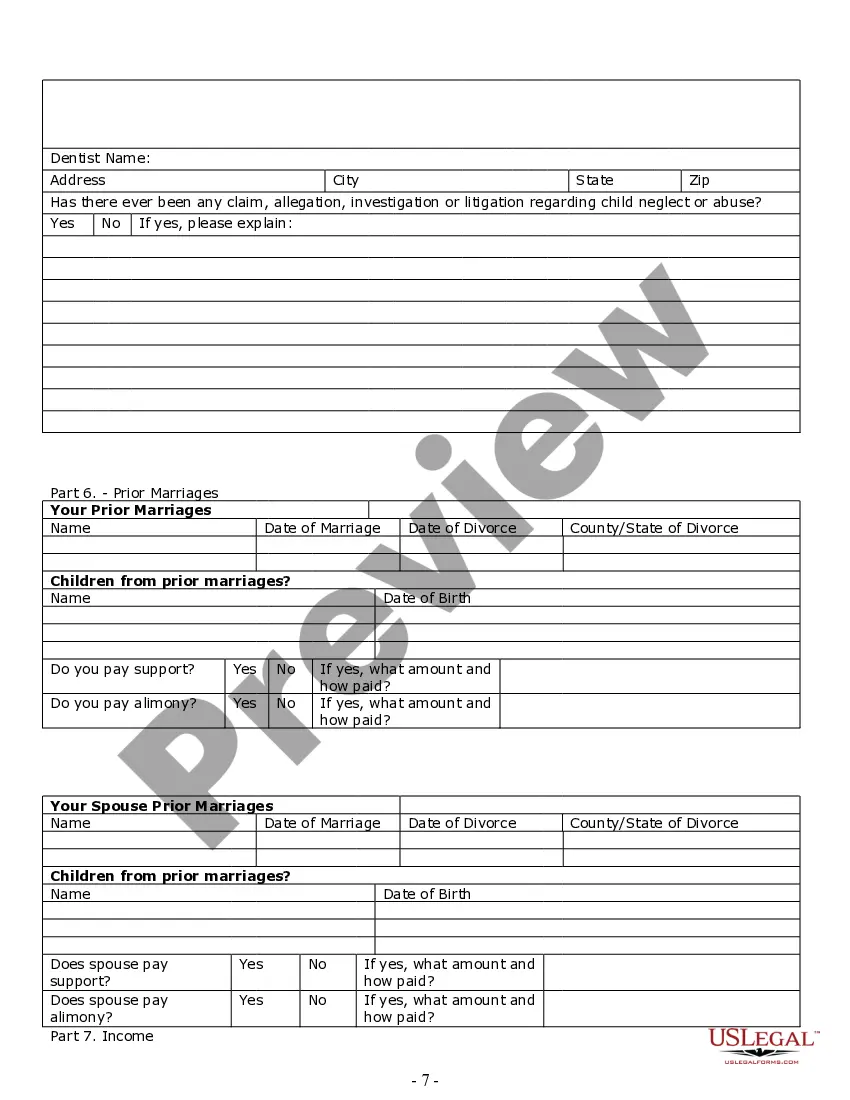
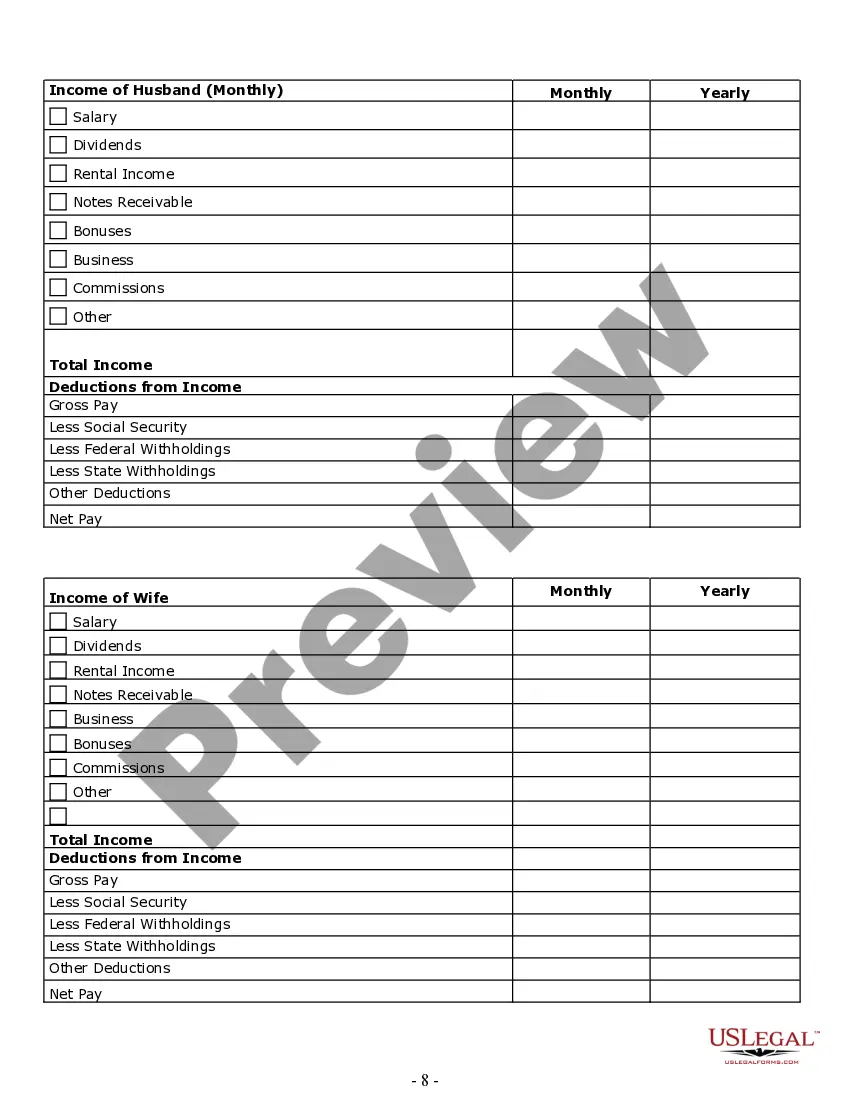
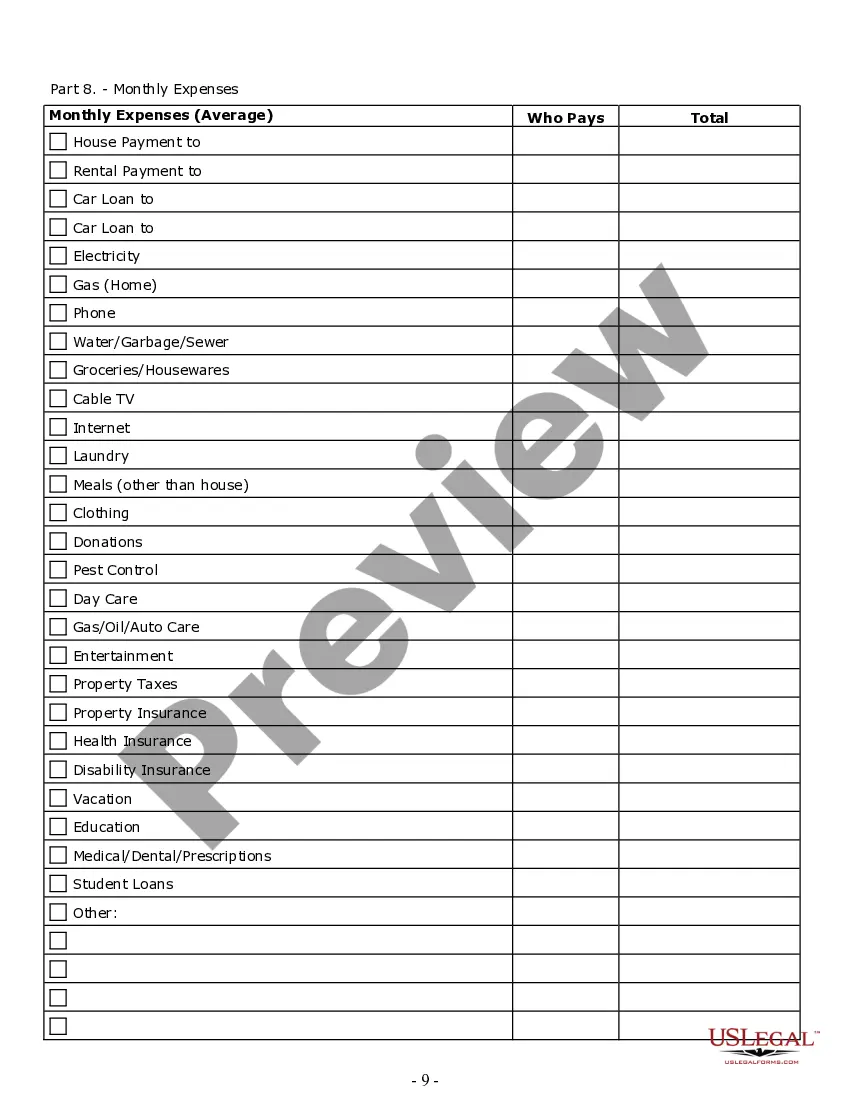
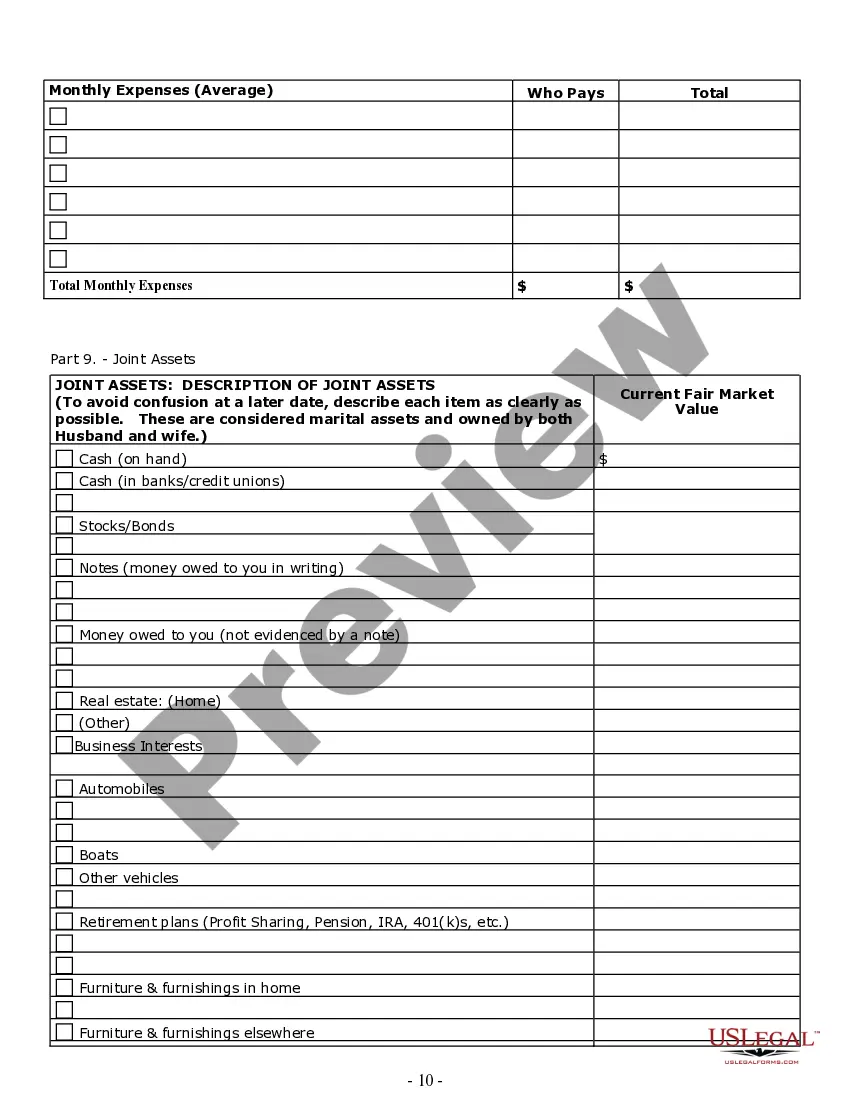

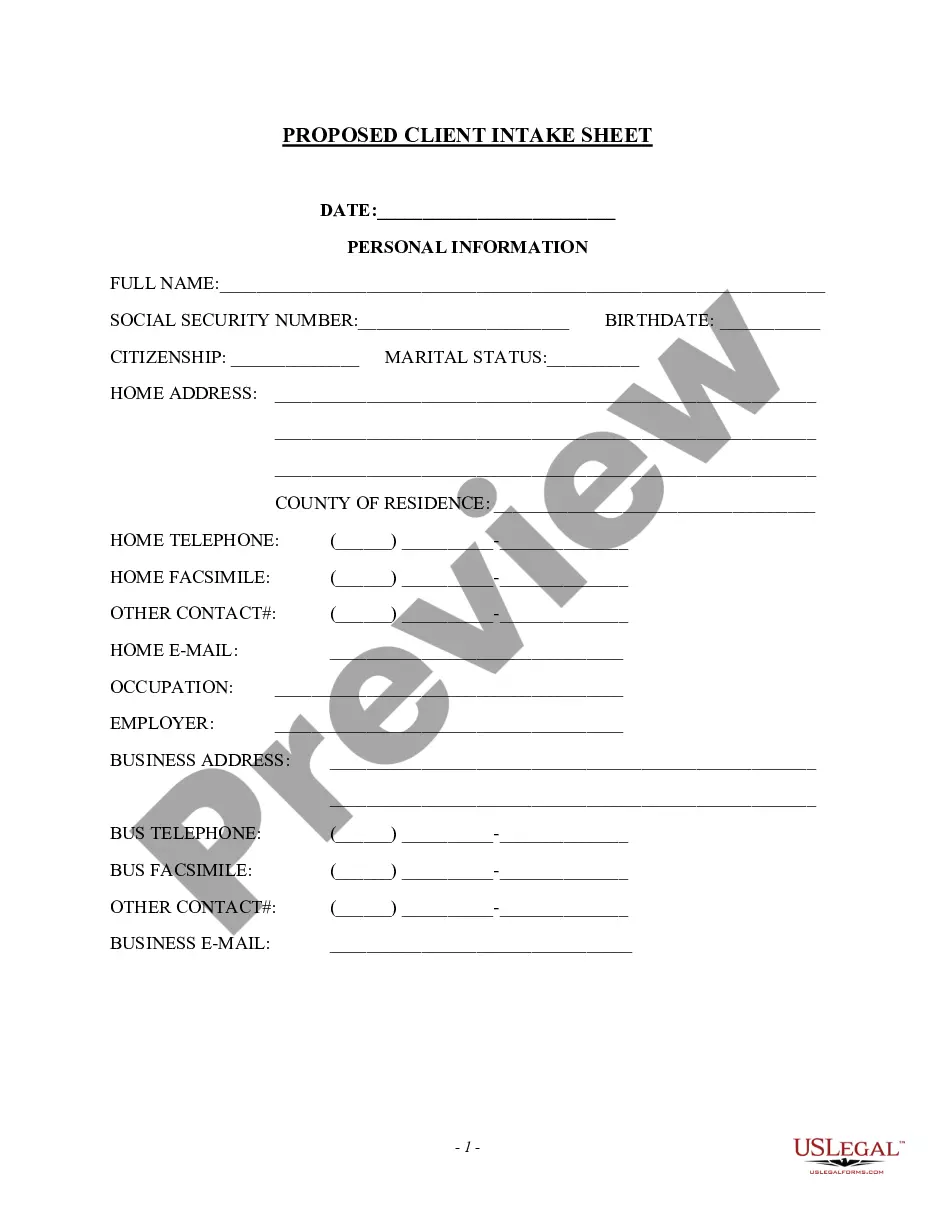
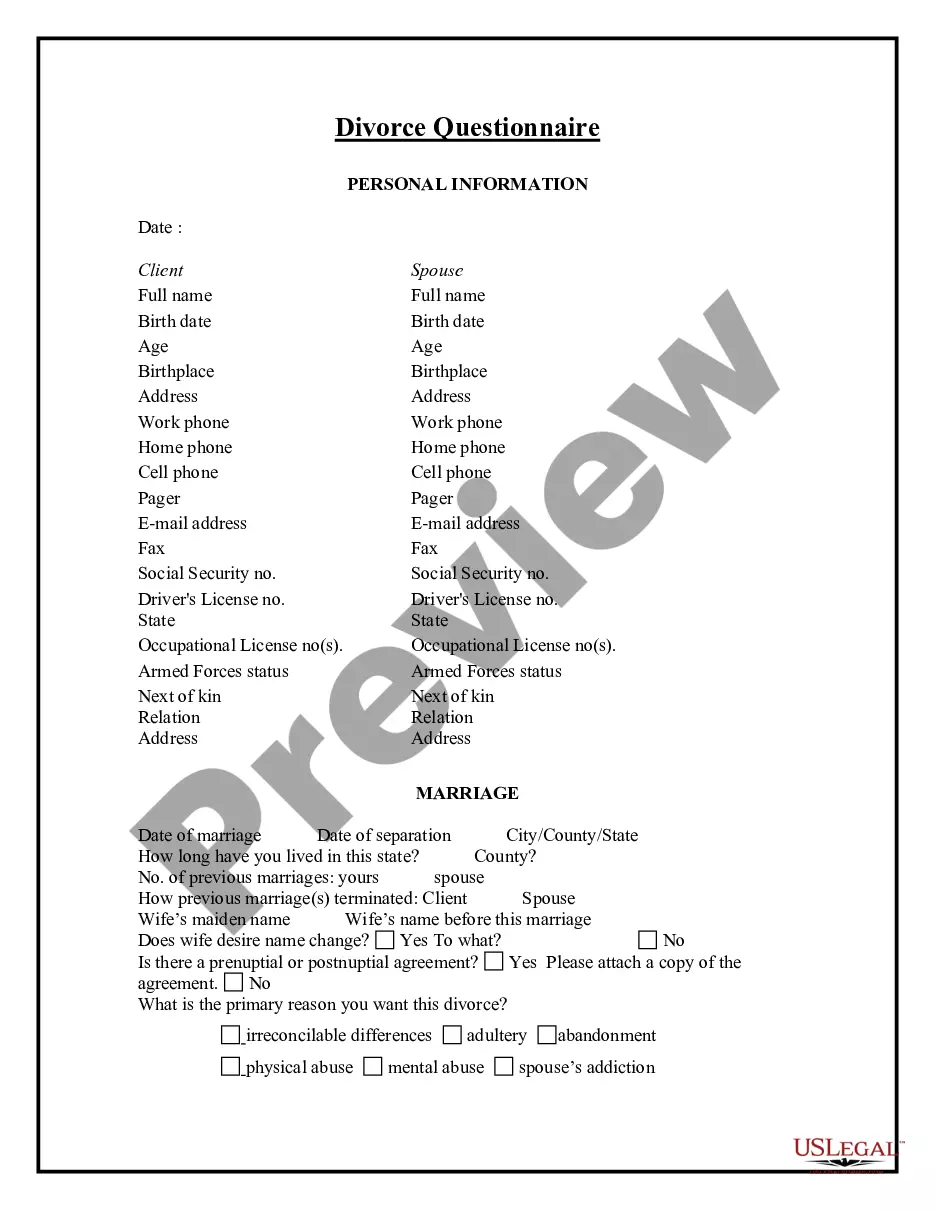

Get your form ready online
Our built-in tools help you complete, sign, share, and store your documents in one place.
Make edits, fill in missing information, and update formatting in US Legal Forms—just like you would in MS Word.
Download a copy, print it, send it by email, or mail it via USPS—whatever works best for your next step.
Sign and collect signatures with our SignNow integration. Send to multiple recipients, set reminders, and more. Go Premium to unlock E-Sign.
If this form requires notarization, complete it online through a secure video call—no need to meet a notary in person or wait for an appointment.
We protect your documents and personal data by following strict security and privacy standards.

Make edits, fill in missing information, and update formatting in US Legal Forms—just like you would in MS Word.

Download a copy, print it, send it by email, or mail it via USPS—whatever works best for your next step.

Sign and collect signatures with our SignNow integration. Send to multiple recipients, set reminders, and more. Go Premium to unlock E-Sign.

If this form requires notarization, complete it online through a secure video call—no need to meet a notary in person or wait for an appointment.

We protect your documents and personal data by following strict security and privacy standards.
Looking for another form?







How to fill out South Dakota Divorce Worksheet And Law Summary For Contested Or Uncontested Case Of Over 25 Pages - Ideal Client Interview Form?
- Login to your existing US Legal Forms account if you've used the service before, and ensure your subscription is active. If not, renew your plan as needed.
- Browse the extensive library and utilize the Preview mode to find the correct form dedicated to South Dakota divorce with children. Double-check that it complies with your local requirements.
- If necessary, use the Search tab to locate another suitable template, ensuring it meets your needs before proceeding.
- Select the appropriate document by clicking the Buy Now button. Choose a subscription plan that fits your needs, and create an account to gain full access.
- Complete the payment process by entering your credit card details or choosing PayPal. Once confirmed, your form will be ready.
- Download the form to your device for easy completion. Access it later through the My Forms section of your account.
By following these straightforward steps using US Legal Forms, you can ensure that your paperwork for a South Dakota divorce with children is completed accurately and efficiently.
Don't hesitate—visit US Legal Forms today to simplify your legal document preparation!
Form popularity
FAQ
In South Dakota, alimony is determined based on factors such as the length of the marriage, the financial needs of the receiving spouse, and the paying spouse's ability to provide support. Alimony aims to maintain a fair standard of living for the lower-income spouse post-divorce. When considering a South Dakota divorce with children, alimony can play a critical role in ensuring that both partners can provide for their children's well-being.
Adultery can impact divorce proceedings in South Dakota, particularly regarding the division of property and alimony decisions. However, South Dakota primarily follows no-fault divorce laws, which means the court focuses on equitable distribution rather than assigning blame. This is important to note in cases of South Dakota divorce with children, as emotional factors can complicate negotiations and settlements.
During a divorce in South Dakota, marital assets are divided based on equitable distribution principles. This means that assets are not split down the middle but are instead divided in a way that considers fairness and the circumstances of both spouses. When dealing with a South Dakota divorce with children, understanding asset division helps ensure that the financial needs of both partners and their kids are adequately met.
In South Dakota, there is no specific age when a child can unconditionally choose which parent to live with. However, as children reach age 12, their preferences may carry more weight in custody decisions. It is essential to consider how these preferences fit into the broader context of South Dakota divorce with children, as parents must prioritize the child's emotional and psychological needs.
South Dakota operates under equitable distribution laws, meaning assets are divided fairly but not necessarily equally. Each spouse receives a portion of the marital property, which can be influenced by various factors, including financial contributions and the length of the marriage. Understanding this principle is vital, especially in cases of South Dakota divorce with children, as it affects the overall financial landscape for both parents.
In South Dakota, child support is calculated using guidelines that consider parents' incomes, the needs of the child, and any special circumstances. The state uses an income shares model to ensure that children receive the financial support they need. This process emphasizes fairness and aims to meet the child's best interests, particularly in South Dakota divorce with children situations.
Yes, you can obtain a South Dakota divorce with children without going to court by utilizing an uncontested divorce process. This approach allows both parents to agree on terms regarding custody and support, making the process smoother and less stressful. Platforms like USLegalForms offer resources and templates to guide you through the necessary paperwork, ensuring you meet all legal requirements. By taking this route, you can save time and avoid the complexities often associated with court appearances.
Yes, you can complete a divorce without going to court in South Dakota, especially if you and your spouse reach an agreement. By filing for a South Dakota divorce with children through mediation or utilizing online services like US Legal Forms, you can facilitate a smoother process that keeps you out of the courtroom. This option is often less stressful and more efficient for families.
The timeline for a South Dakota divorce with children largely depends on several factors, including the complexity of your case and court schedules. If both parties agree on the terms, you could finalize the process within a few months. However, contested divorces involving children may require additional time due to negotiations and possible hearings.
In South Dakota, when parents share custody equally, child support calculations may adjust to reflect the shared parenting time. The parent with a higher income may still owe support to the other to ensure the child’s needs are met. If you're facing a South Dakota divorce with children, using resources like US Legal Forms can help you understand these calculations and complete the necessary forms.