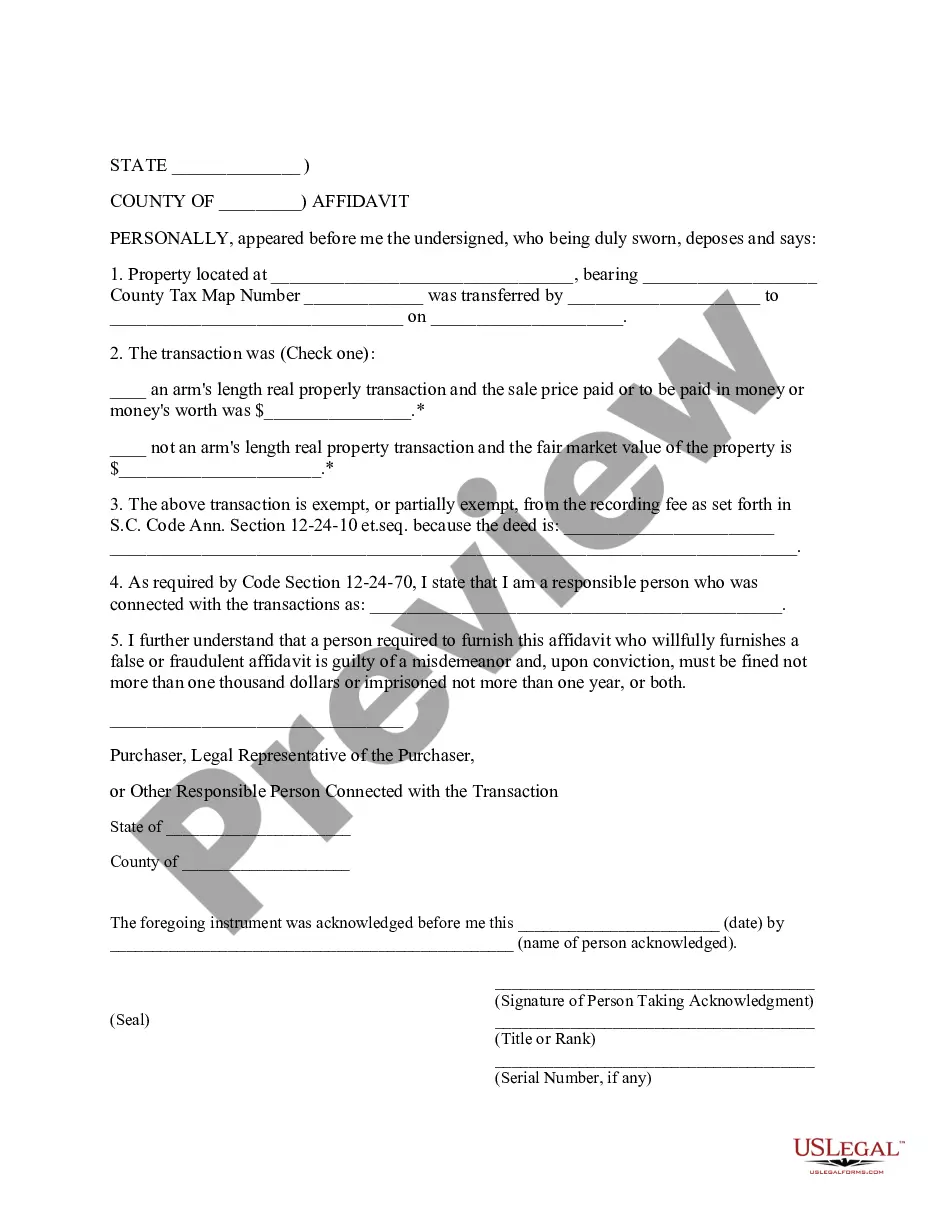
South Carolina Property Tax For Vehicle
Description
Get your form ready online
Our built-in tools help you complete, sign, share, and store your documents in one place.
Make edits, fill in missing information, and update formatting in US Legal Forms—just like you would in MS Word.
Download a copy, print it, send it by email, or mail it via USPS—whatever works best for your next step.
Sign and collect signatures with our SignNow integration. Send to multiple recipients, set reminders, and more. Go Premium to unlock E-Sign.
If this form requires notarization, complete it online through a secure video call—no need to meet a notary in person or wait for an appointment.
We protect your documents and personal data by following strict security and privacy standards.

Make edits, fill in missing information, and update formatting in US Legal Forms—just like you would in MS Word.

Download a copy, print it, send it by email, or mail it via USPS—whatever works best for your next step.

Sign and collect signatures with our SignNow integration. Send to multiple recipients, set reminders, and more. Go Premium to unlock E-Sign.

If this form requires notarization, complete it online through a secure video call—no need to meet a notary in person or wait for an appointment.

We protect your documents and personal data by following strict security and privacy standards.
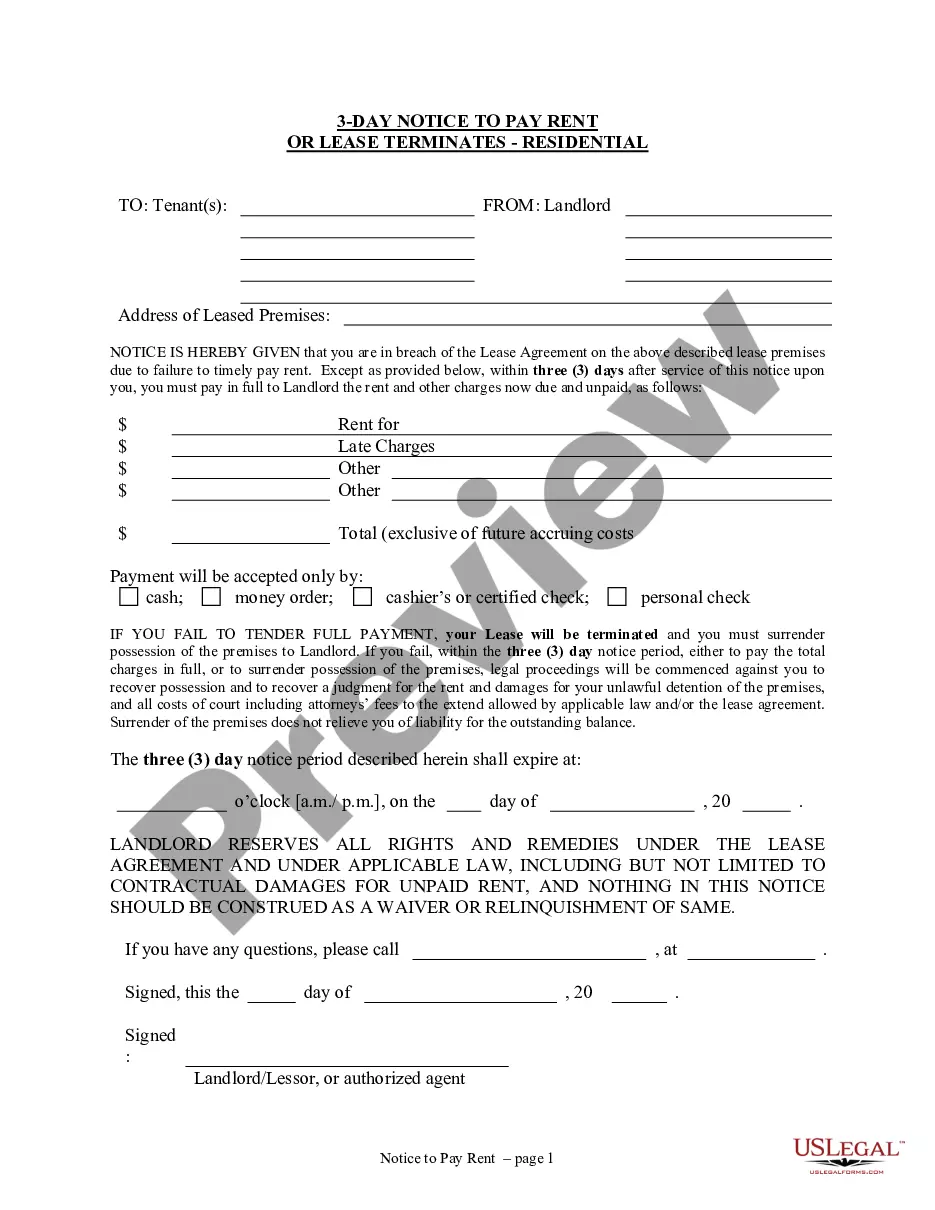
Looking for another form?

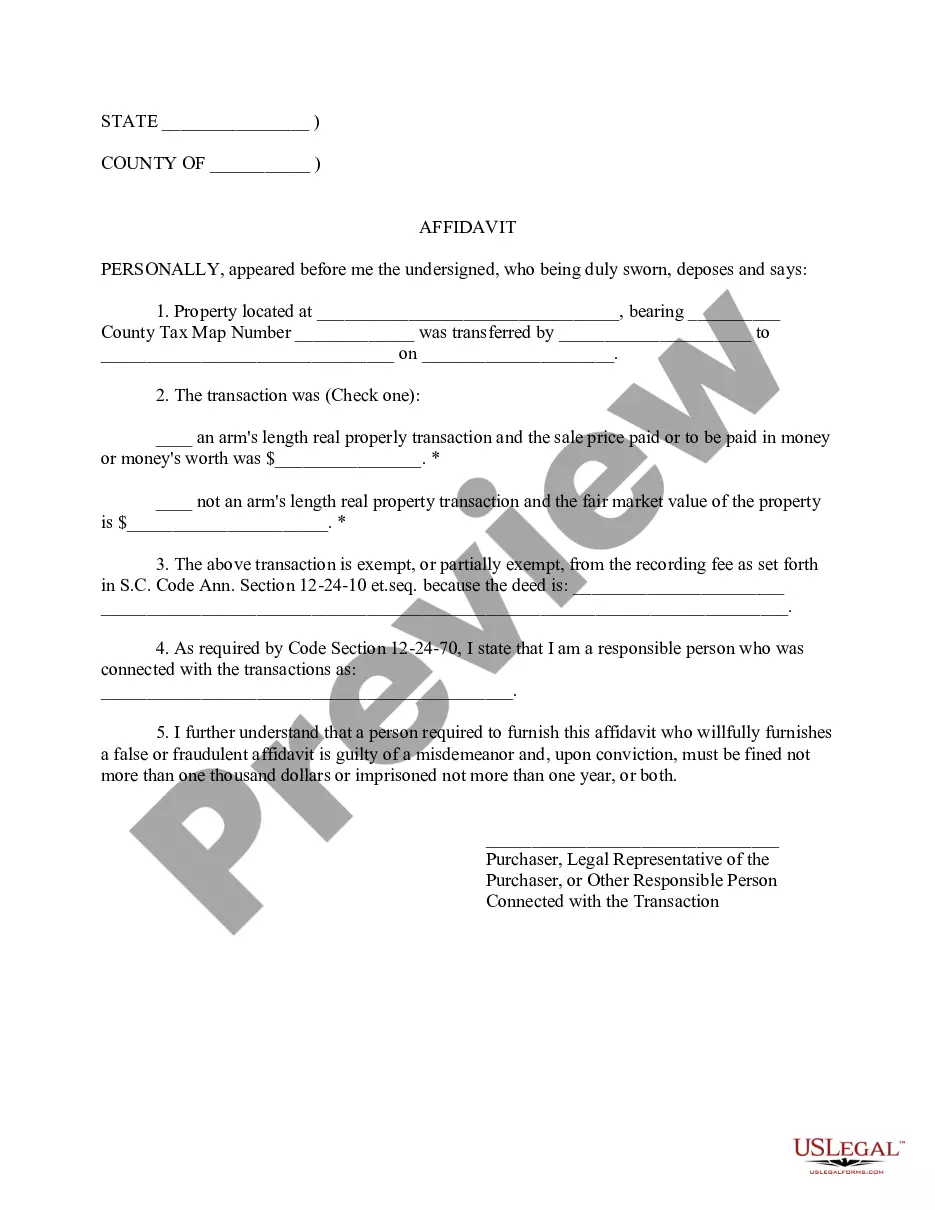
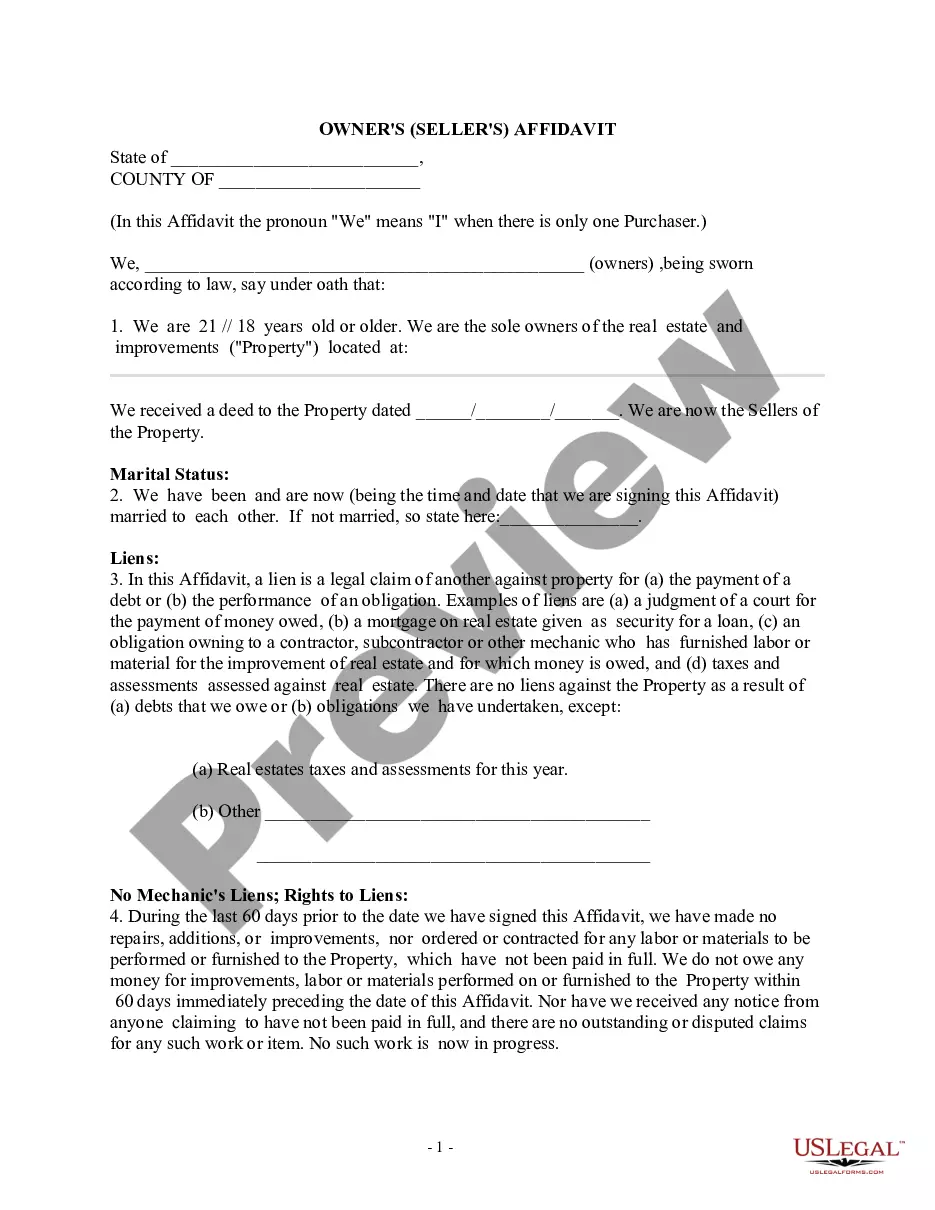
How to fill out South Carolina Affidavit Of Property Value?
- If you're a returning user, simply log in to your account and download your required form by clicking the Download button. Ensure your subscription is active; if not, renew it as needed.
- For first-time users, start by examining the Preview mode and the form description to confirm that you've selected the accurate form that meets your needs and adheres to local regulations.
- If the form doesn’t match your needs, use the Search tab at the top to find an alternative. Once you find an appropriate template, proceed to the next step.
- Purchase the document by clicking the Buy Now button and selecting a suitable subscription plan. You'll need to create an account for access to the library.
- Complete your purchase using your credit card information or PayPal account to successfully pay for your subscription.
- Download the form to save it on your device. You can always access it later in the My Forms section of your profile.
US Legal Forms is the go-to source for legal documentation, offering a robust collection with over 85,000 easily fillable forms. Their extensive library ensures you’ll find what you need quickly and efficiently.
Utilize US Legal Forms to simplify your vehicle tax documentation process today. Get started now and gain peace of mind knowing you're covered legally!
Form popularity
FAQ
To calculate your vehicle property tax in South Carolina, you first need to determine the vehicle's fair market value. Once you have that value, apply the local tax rate, which can vary by county. Check with your local tax office for the exact percentage. Platforms like USLegalForms can assist you in understanding the process of calculating South Carolina property tax for vehicle and ensure you meet all necessary requirements.
In South Carolina, various types of personal property are subject to tax, including vehicles, boats, and trailers. Additionally, business personal property is also taxed, impacting business owners significantly. Understanding what is taxed helps you gauge the overall South Carolina property tax for vehicle and other assets. Keeping this in mind can aid in effective financial planning.
In South Carolina, the car property tax is capped at a certain percentage of the vehicle's value. This value generally depends on the vehicle's market value and can fluctuate with depreciation. Residents should be aware that South Carolina property tax for vehicle can vary each year based on local assessments and overall property tax rates. Knowing the cap helps you better plan your expenses.
Several states do not impose property tax on vehicles. This can be beneficial for residents looking to save on annual expenses. For example, states like Delaware, Montana, and New Hampshire have eliminated vehicle property taxes entirely. If you are considering relocating, researching these states can provide significant savings compared to South Carolina property tax for vehicle.
Personal property taxes on vehicles in South Carolina are not deductible for federal tax purposes. This includes the South Carolina property tax for vehicle. Understanding this can help you plan your budget more effectively. You may still want to explore state-specific tax benefits that could be available to you.
In South Carolina, vehicle property taxes are not deductible on your federal tax return. However, you may find that certain deductions could apply to your overall tax situation. It’s important to keep track of your South Carolina property tax for vehicle to ensure you report everything accurately. Consulting a tax professional can help clarify your options.
When registering a vehicle in South Carolina, you'll need to fill out specific sections of the title document. Generally, this includes the owner's information, vehicle details, and odometer reading. Properly completing this information is crucial to comply with South Carolina property tax for vehicles and ensure successful registration. If you find the process confusing, USLegalForms provides comprehensive resources to guide you through the title application process.
Yes, South Carolina imposes a property tax on vehicles owned by residents. This South Carolina property tax for vehicles varies based on the vehicle's value and the county's assessment rate. It's essential to understand this tax as it affects your overall vehicle ownership costs. You can find specific details on your vehicle taxes by checking with your local tax office.
In South Carolina, seniors, specifically those age 65 and older, may qualify for property tax exemptions but do not automatically stop paying property taxes. Instead, they can apply for specific exemptions that reduce their tax burden. Familiarizing yourself with these exemptions can help seniors navigate South Carolina property tax for vehicles and homes more effectively.
In South Carolina, the 6% property tax rate applies to vehicles and is higher than the 4% residential property tax. This rate reflects the assessed value of your vehicle and directly impacts the annual tax amount you owe. Being aware of the difference between the 4% and 6% rates is crucial for managing South Carolina property tax for vehicles effectively.