Company Employment Policies For Employees
Description
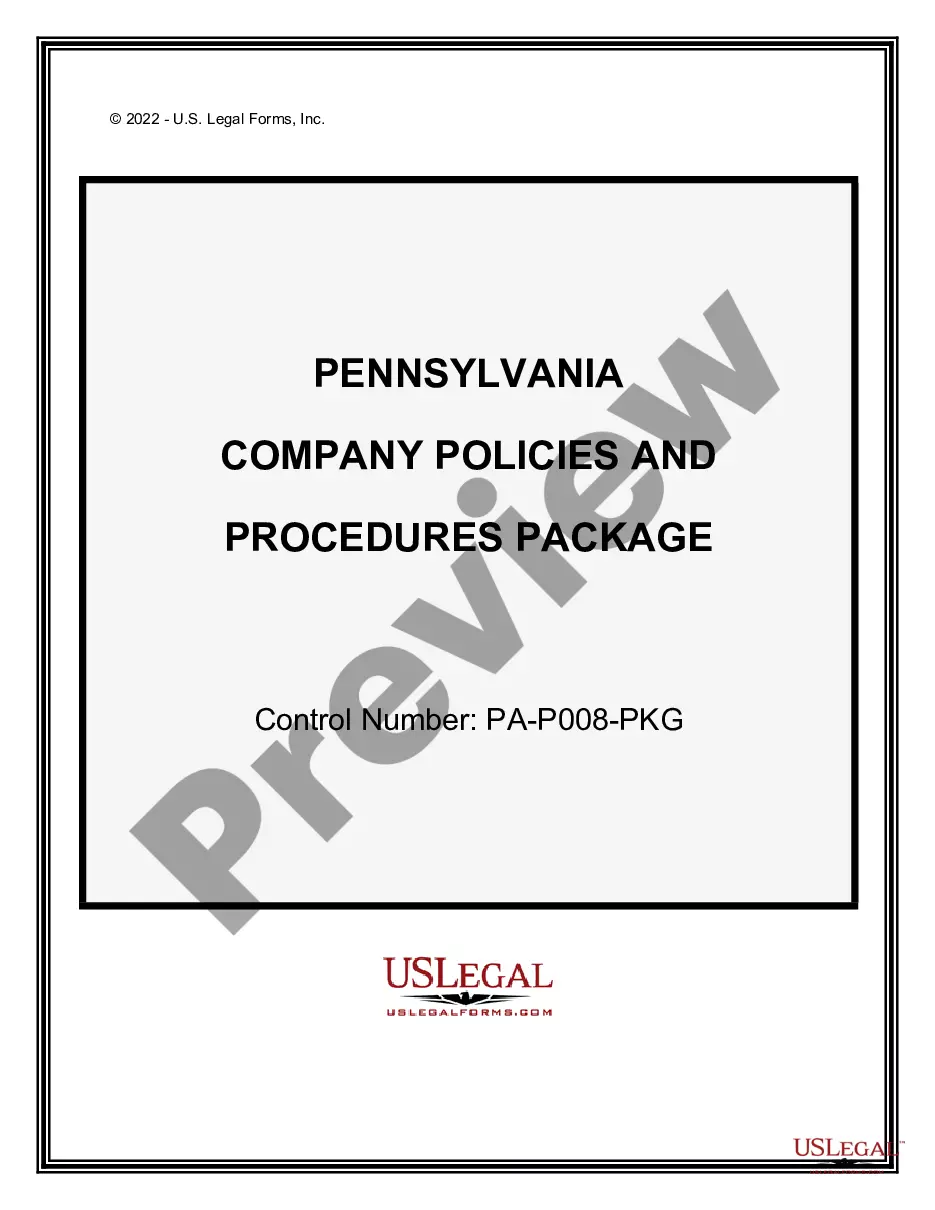


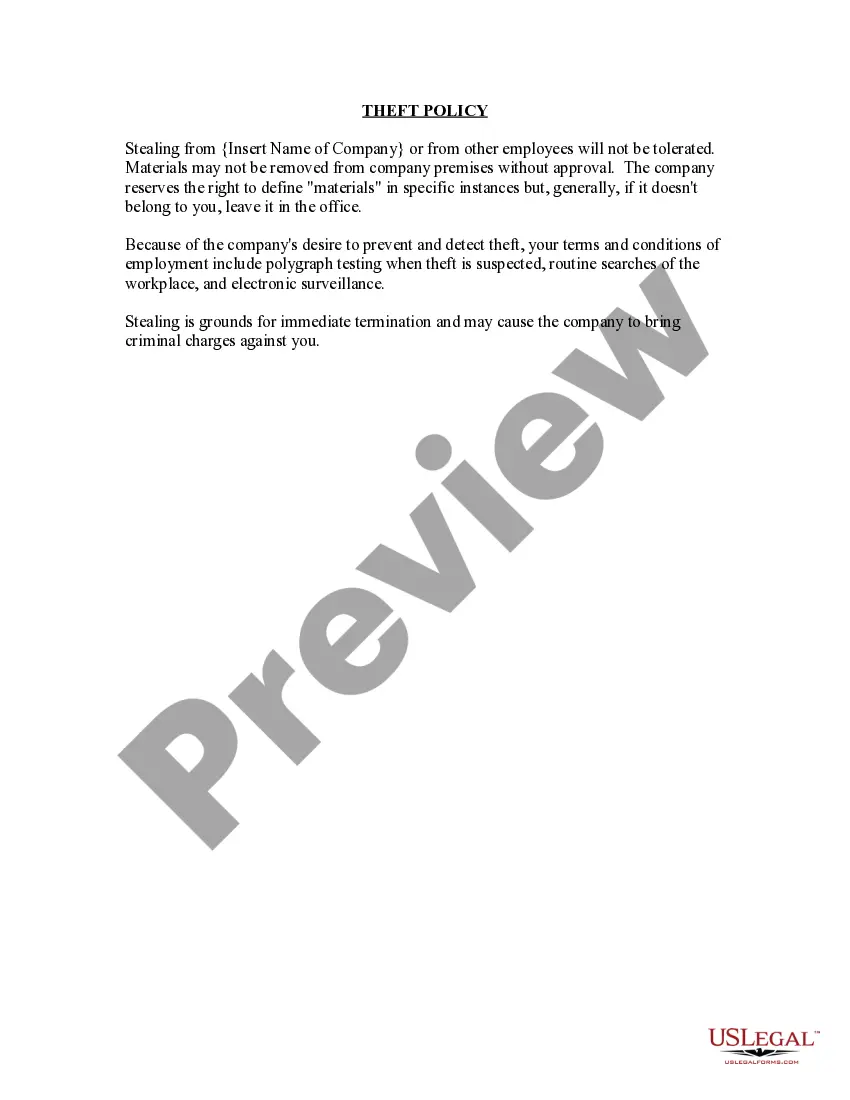
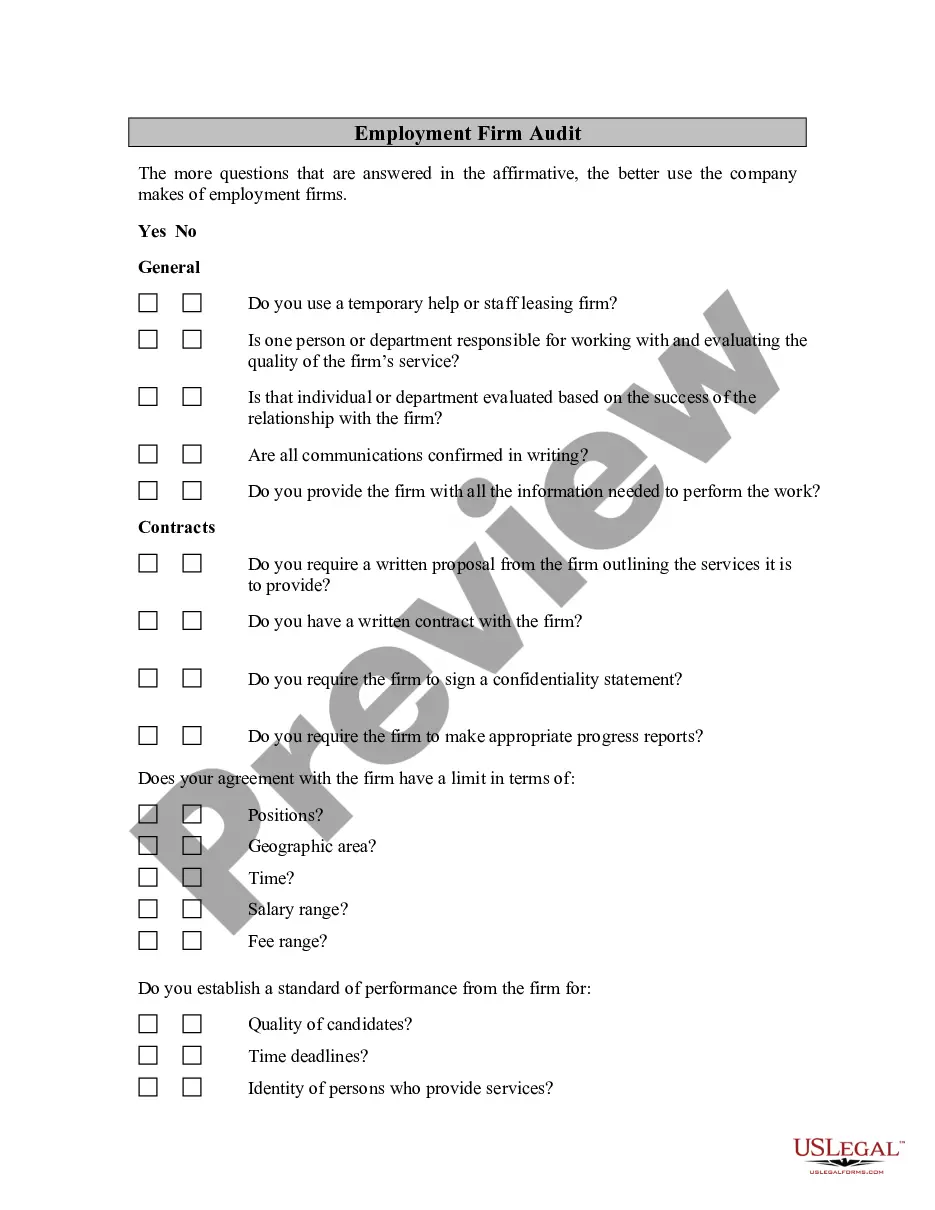
Get your form ready online
Our built-in tools help you complete, sign, share, and store your documents in one place.
Make edits, fill in missing information, and update formatting in US Legal Forms—just like you would in MS Word.
Download a copy, print it, send it by email, or mail it via USPS—whatever works best for your next step.
Sign and collect signatures with our SignNow integration. Send to multiple recipients, set reminders, and more. Go Premium to unlock E-Sign.
If this form requires notarization, complete it online through a secure video call—no need to meet a notary in person or wait for an appointment.
We protect your documents and personal data by following strict security and privacy standards.

Make edits, fill in missing information, and update formatting in US Legal Forms—just like you would in MS Word.

Download a copy, print it, send it by email, or mail it via USPS—whatever works best for your next step.

Sign and collect signatures with our SignNow integration. Send to multiple recipients, set reminders, and more. Go Premium to unlock E-Sign.

If this form requires notarization, complete it online through a secure video call—no need to meet a notary in person or wait for an appointment.

We protect your documents and personal data by following strict security and privacy standards.
Looking for another form?


How to fill out Pennsylvania Company Employment Policies And Procedures Package?
Regardless of whether for corporate reasons or personal matters, everyone encounters legal scenarios at some stage in their life.
Filling out legal documents requires meticulous focus, starting from selecting the correct form template.
Avoid altering or deleting any HTML tags. Only synonymize plain text outside of the HTML tags.
- For instance, if you choose an incorrect version of a Company Employment Policies For Employees, it will be rejected upon submission.
- Thus, it is crucial to obtain a trustworthy source of legal documents like US Legal Forms.
- To acquire a Company Employment Policies For Employees template, follow these straightforward steps.
- Locate the sample you need by utilizing the search bar or catalog navigation.
- Review the form’s details to ensure it corresponds with your situation, state, and county.
- Click on the form’s preview to examine it.
- If it is the wrong form, return to the search tool to find the Company Employment Policies For Employees template you need.
- Download the file when it fits your requirements.
- If you already possess a US Legal Forms account, click Log in to access previously saved templates in My documents.
- If you don’t have an account yet, you can obtain the form by clicking Buy now.
- Select the appropriate pricing option.
- Fill out the profile registration form.
- Choose your payment method: you can use a credit card or PayPal account.
- Select the document format you prefer and download the Company Employment Policies For Employees.
- Once downloaded, you can fill out the form using editing software or print it and complete it manually.
- With an extensive US Legal Forms catalog available, you never have to waste time searching for the suitable sample online.
- Utilize the library’s straightforward navigation to find the right template for any event.
Form popularity
FAQ
How to Write an Employment Policy Step 1: Determine the Purpose and Intention of the Policy. ... Step 2: Assemble All Prior Writings and Practices on the Same or Similar Topics. ... Step 3: Obtain Information and Input from Relevant Stakeholders. ... Step 4: Determine Status of the Law and Identify Trends.
The Top 8 Policies to Include in Your Employee Handbook Onboarding and joining the team. Code of conduct. Office environment. Communication policies. Compensation and performance reviews. Benefits. When someone leaves. Your company story.
Nine Tips for Writing an Employee Handbook Keep It Simple & Engaging. Use Your Handbook As A Communication Tool. Pay Attention to Format and Visuals. Clearly Mention Work Hours, Compensations, and Benefits. Mention Your Company Culture & How Employees Can Maintain The Same. Mention Legal Issues. Mention Employee Appreciation.
8 Keys to Creating an Effective Employee Handbook #1: Know your history. ... #2: Identify required policies. ... #3: Include other must-have policies. ... #4: Know what policies to avoid. ... #5: Draft policies that reflect company values. ... #6: Set the tone. ... #8: Gather feedback.
Communicate the new policy to employees Current employees need to be notified of new policies when they're released or added to the employee handbook. You may even consider adding a signature line to the new policy to make sure employees know that they must follow the rule from the date they sign it.