Note Estate Without Permission
Description
Get your form ready online
Our built-in tools help you complete, sign, share, and store your documents in one place.
Make edits, fill in missing information, and update formatting in US Legal Forms—just like you would in MS Word.
Download a copy, print it, send it by email, or mail it via USPS—whatever works best for your next step.
Sign and collect signatures with our SignNow integration. Send to multiple recipients, set reminders, and more. Go Premium to unlock E-Sign.
If this form requires notarization, complete it online through a secure video call—no need to meet a notary in person or wait for an appointment.
We protect your documents and personal data by following strict security and privacy standards.

Make edits, fill in missing information, and update formatting in US Legal Forms—just like you would in MS Word.

Download a copy, print it, send it by email, or mail it via USPS—whatever works best for your next step.

Sign and collect signatures with our SignNow integration. Send to multiple recipients, set reminders, and more. Go Premium to unlock E-Sign.

If this form requires notarization, complete it online through a secure video call—no need to meet a notary in person or wait for an appointment.

We protect your documents and personal data by following strict security and privacy standards.
Looking for another form?







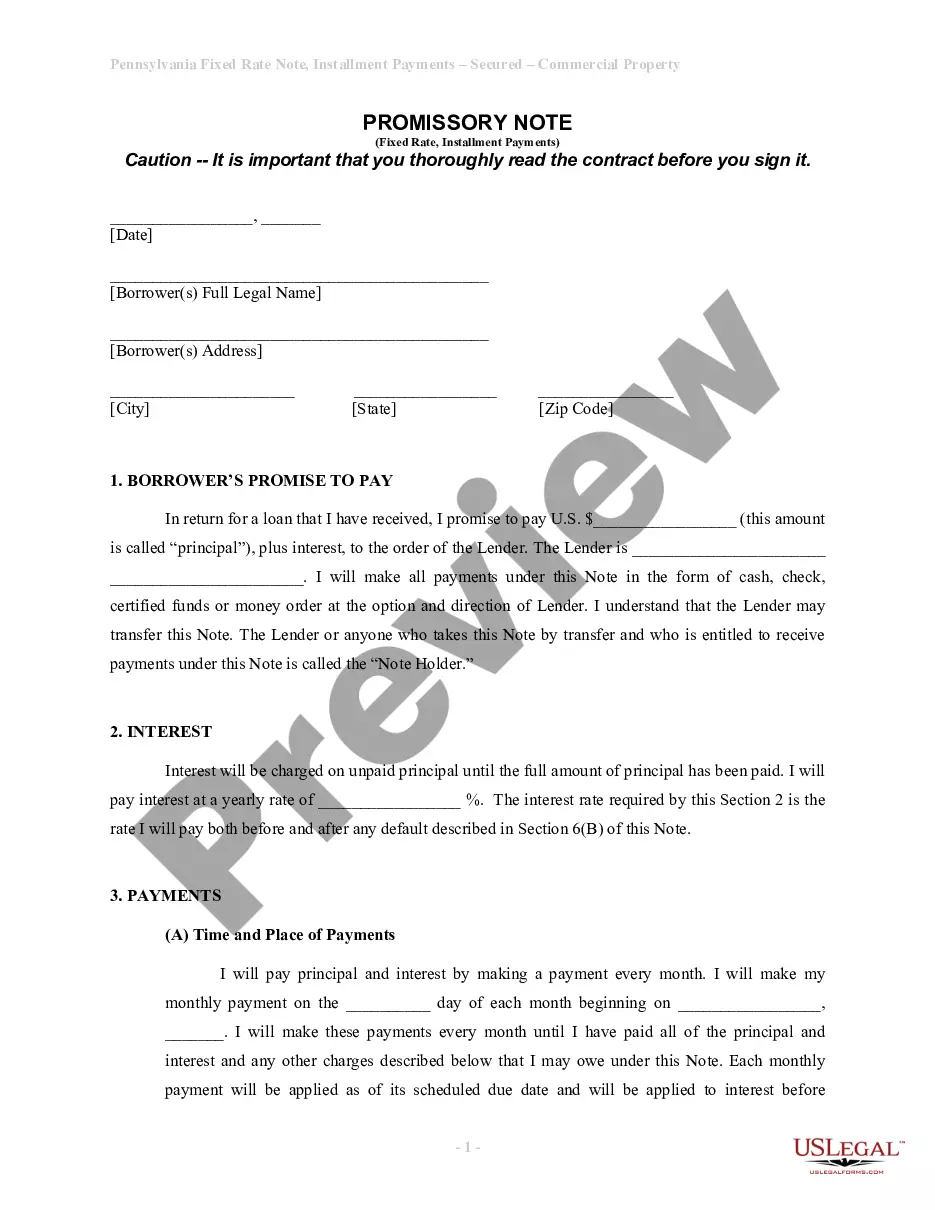
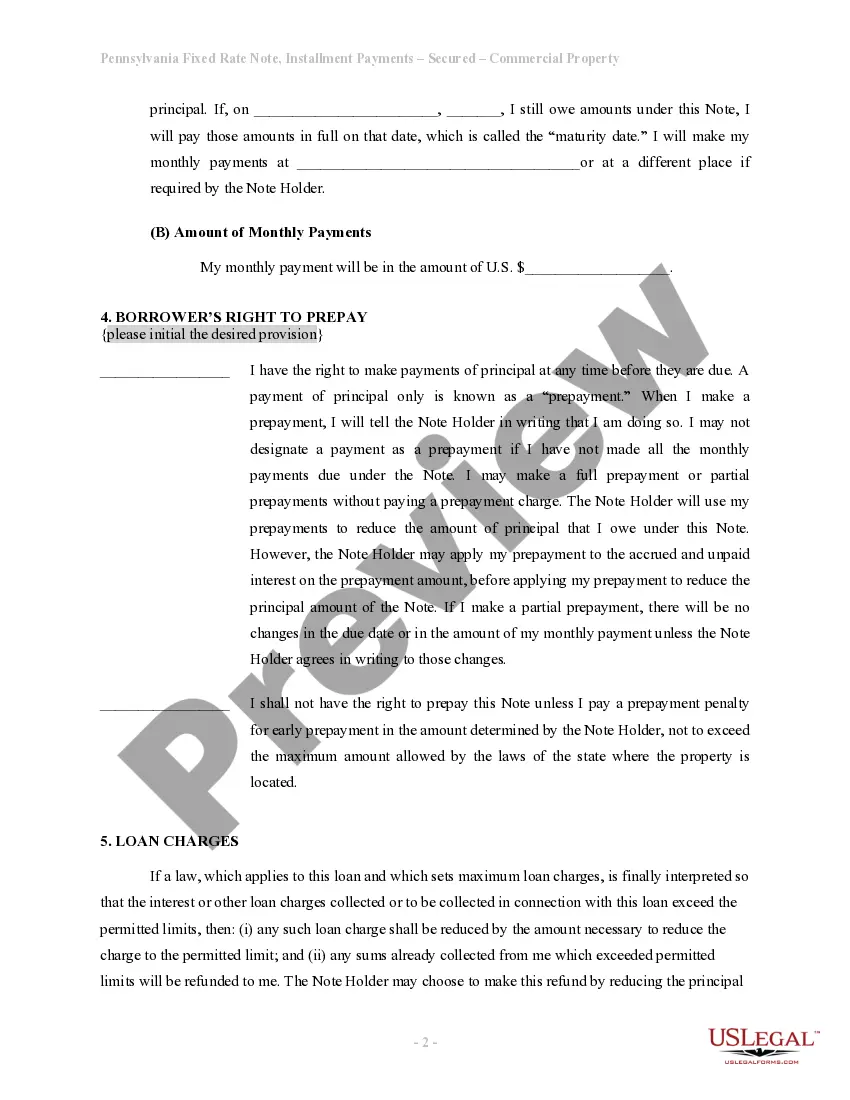
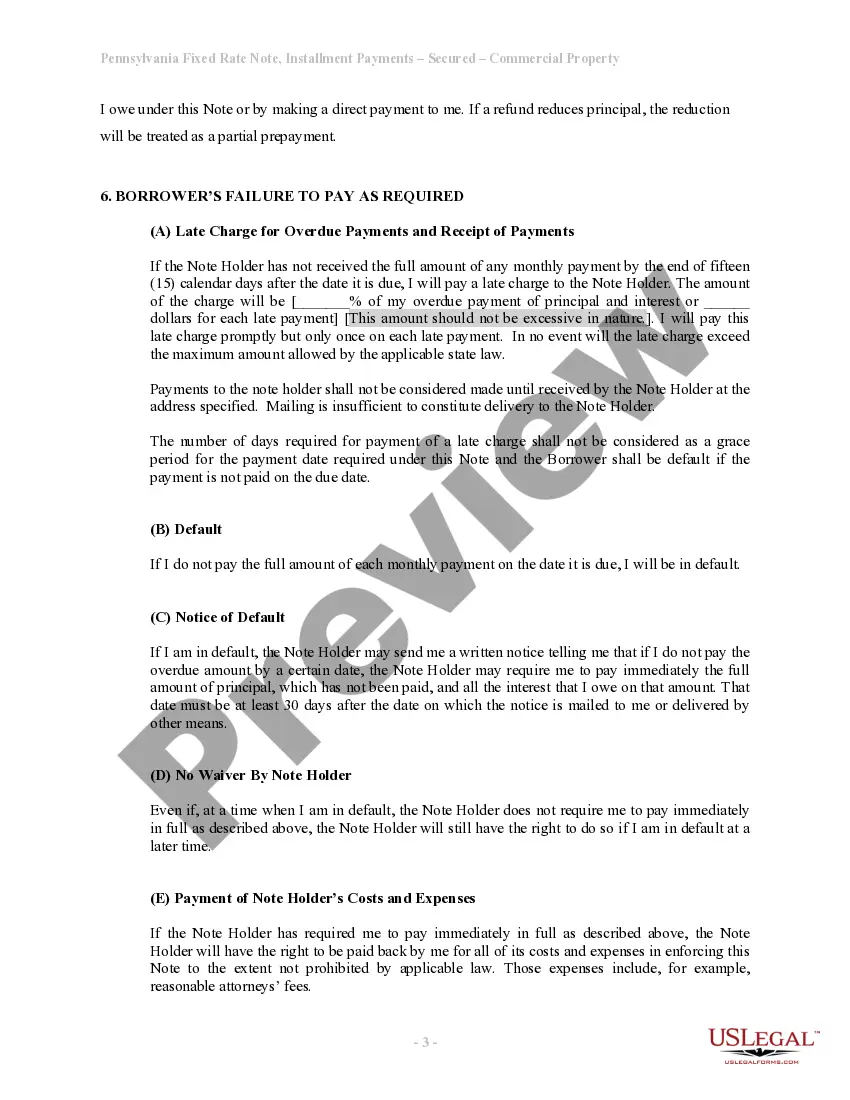
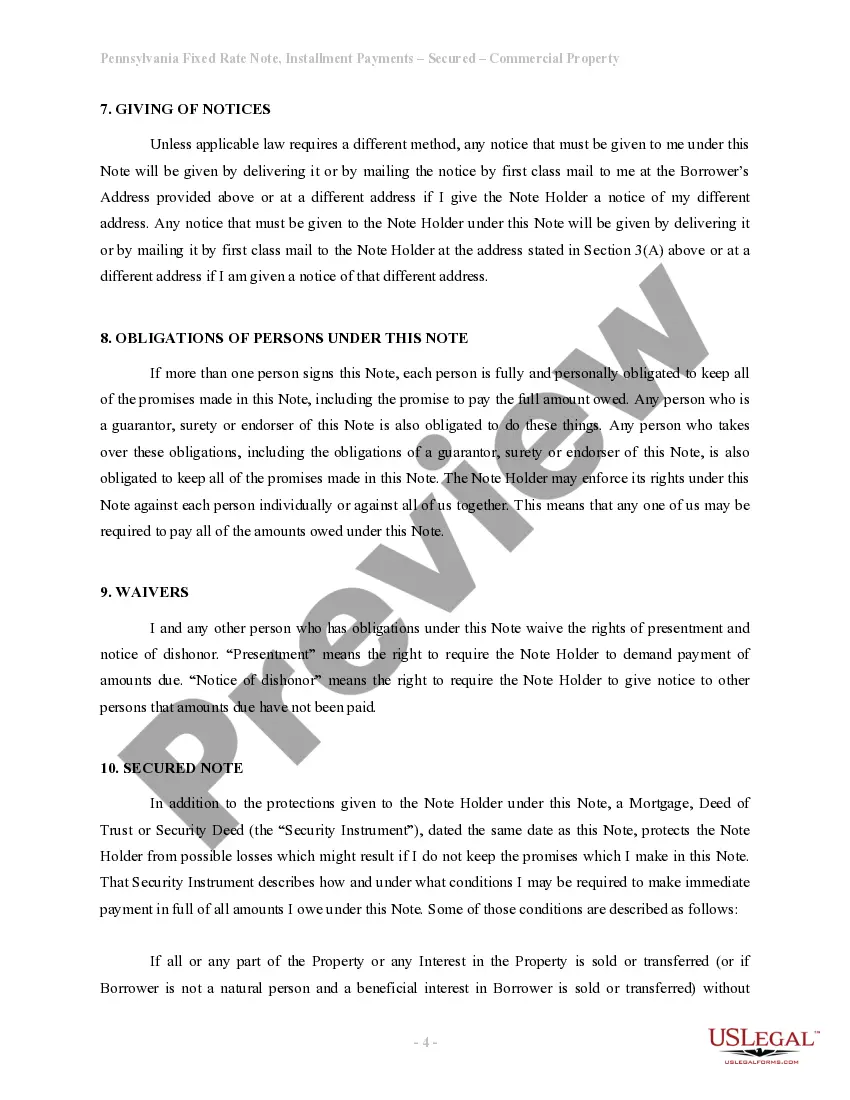
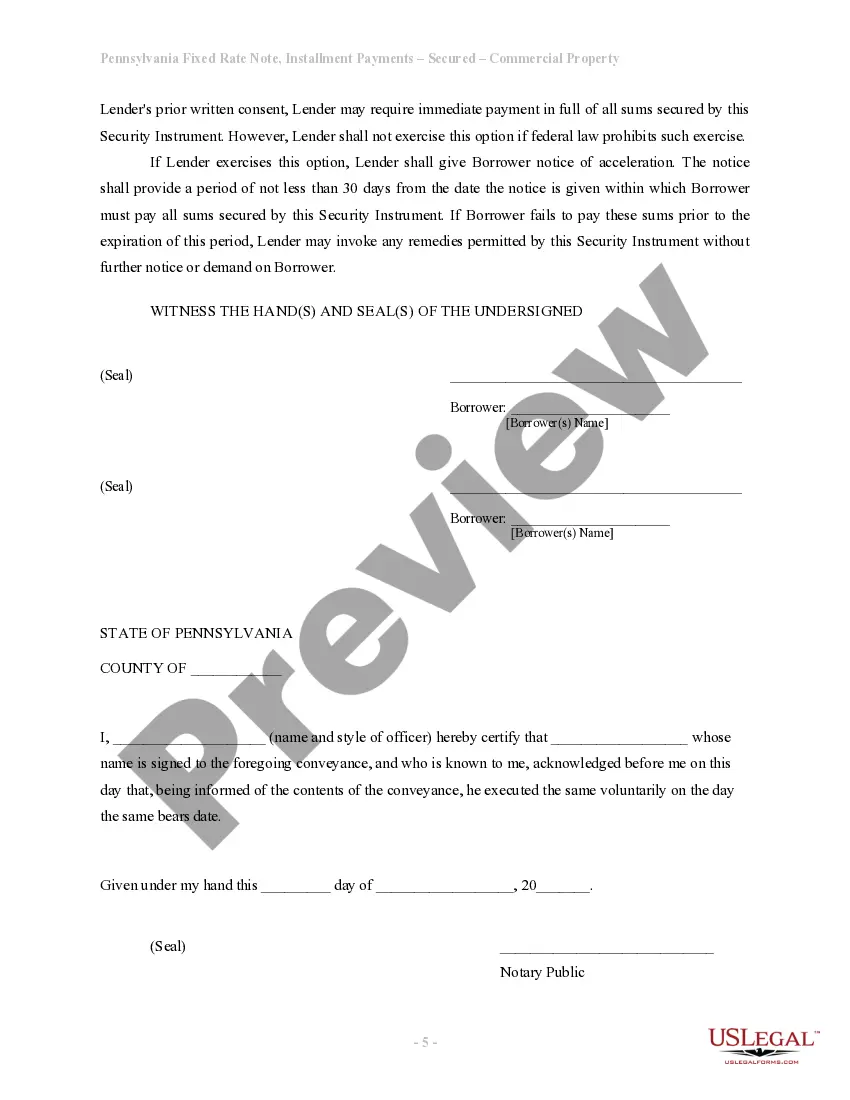
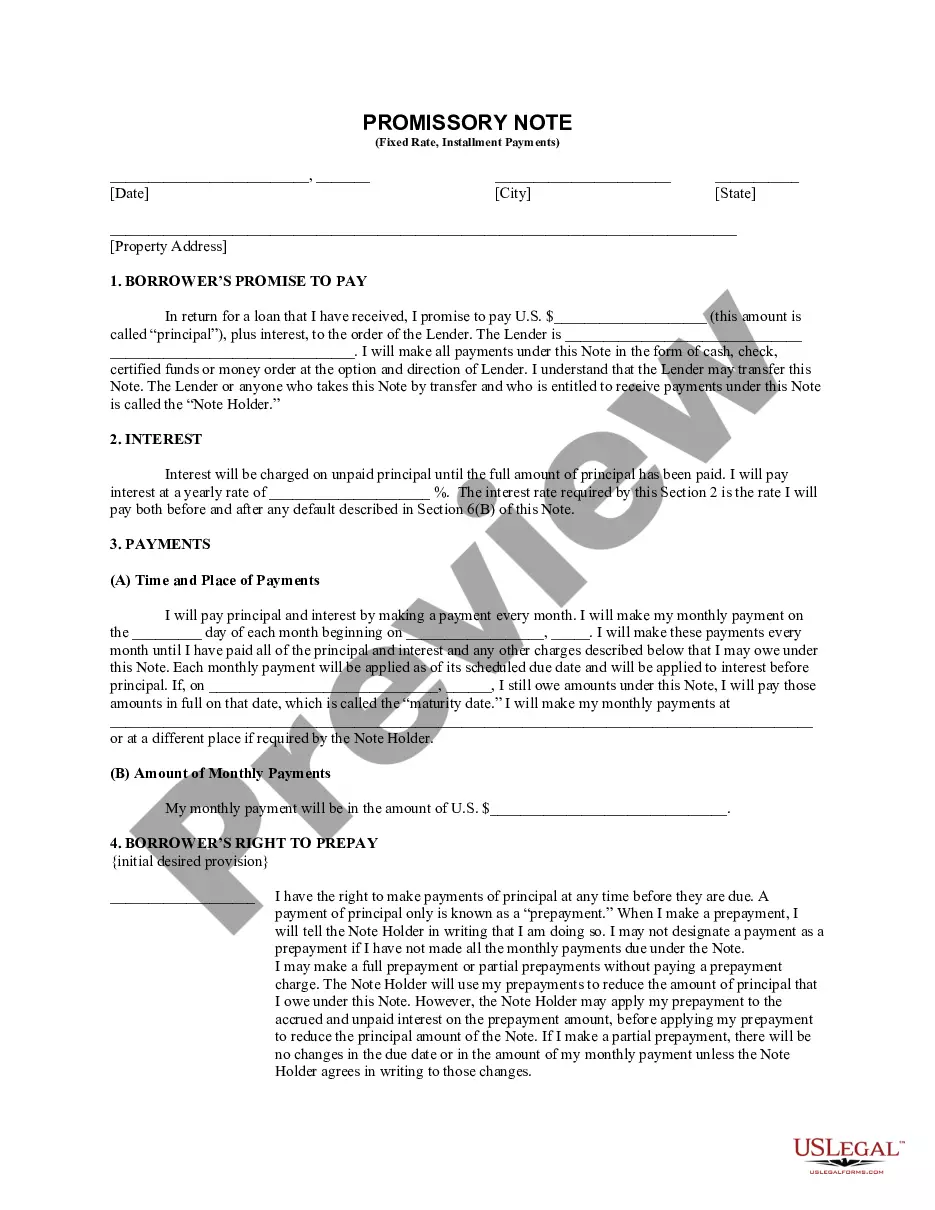
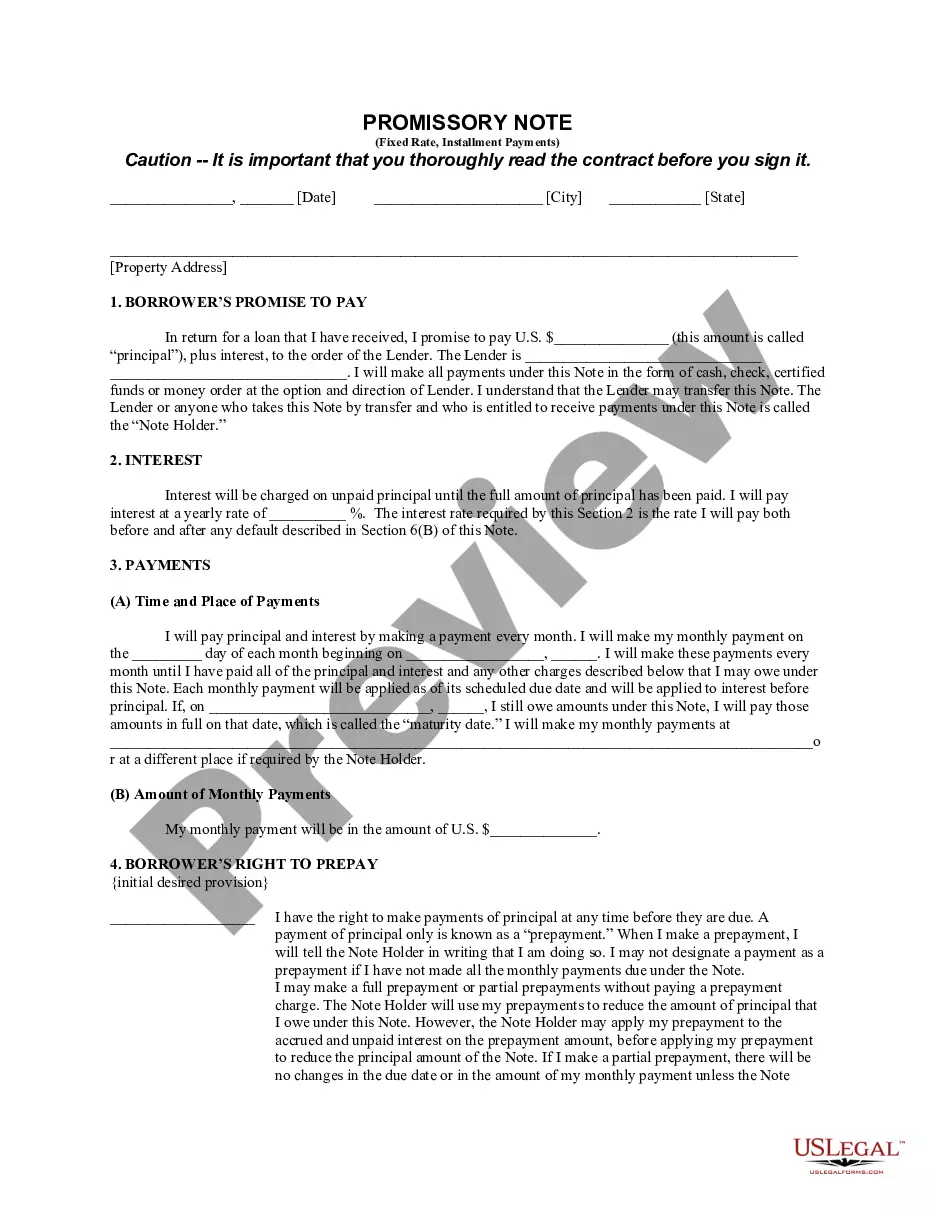
How to fill out Pennsylvania Installments Fixed Rate Promissory Note Secured By Commercial Real Estate?
Locating a reliable source for obtaining the latest and suitable legal templates is a significant part of navigating bureaucracy. Securing the correct legal documents requires precision and meticulousness, which is why it is important to source Note Estate Without Permission exclusively from trustworthy providers, such as US Legal Forms. An incorrect template could squander your time and delay your situation. With US Legal Forms, you can have peace of mind. You can view and access all the details regarding the document's applicability and importance for your situation and within your state or county.
Follow these steps to finalize your Note Estate Without Permission.
Remove the complexities associated with your legal paperwork. Explore the vast US Legal Forms library to discover legal templates, verify their applicability to your situation, and download them immediately.
- Utilize the library navigation or search bar to locate your template.
- Examine the form's details to verify if it complies with the regulations of your state and locale.
- Check the form preview, if available, to confirm that it is indeed the document you need.
- Return to the search and find the appropriate document if the Note Estate Without Permission does not meet your criteria.
- Once you are confident in the form's applicability, download it.
- If you are an existing customer, click Log in to verify your identity and access your selected templates in My documents.
- If you have not created an account yet, click Buy now to acquire the form.
- Select the pricing plan that best fits your needs.
- Proceed with the registration to complete your purchase.
- Finalize your purchase by selecting a payment method (credit card or PayPal).
- Choose the document format for downloading Note Estate Without Permission.
- Once you have the form on your device, you can edit it using the editor or print it for manual completion.
Form popularity
FAQ
Simply put, an executor cannot override a beneficiary. The executor's role is to administer the estate and ensure the will's directives are carried out, not alter them.
As a beneficiary you are entitled to information regarding the trust assets and the status of the trust administration from the trustee. You are entitled to bank statements, receipts, invoices and any other information related to the trust.
If a beneficiary requests access to financial institution statements and the executor refuses to provide them, the beneficiary can take legal action. They can follow the court for an order compelling the executor to reveal the requested information.
If you have a trust and funded it with most of your assets during your lifetime, your successor Trustee will have comparatively more power than your Executor. ?Attorney-in-Fact,? ?Executor? and ?Trustee? are designations for distinct roles in the estate planning process, each with specific powers and limitations.
You should first try talking to the executor about your concerns. If that doesn?t work, you may have to take legal action. To have an executor removed from an estate you need to be able to show that they are not living up to their responsibilities of their job or that they are doing something that isn?t legal.