Pennsylvania Domestic Relations For Foreign Workers
Description
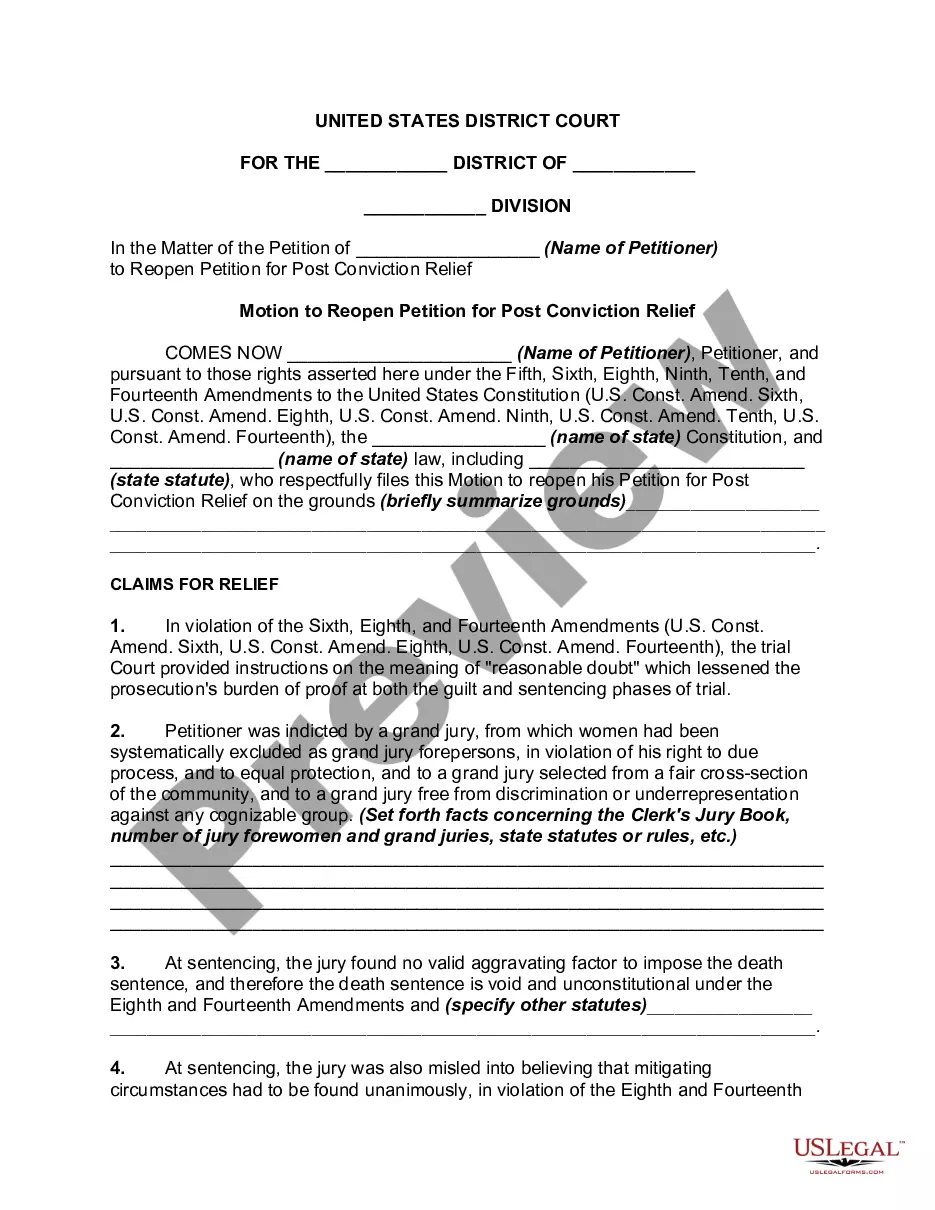
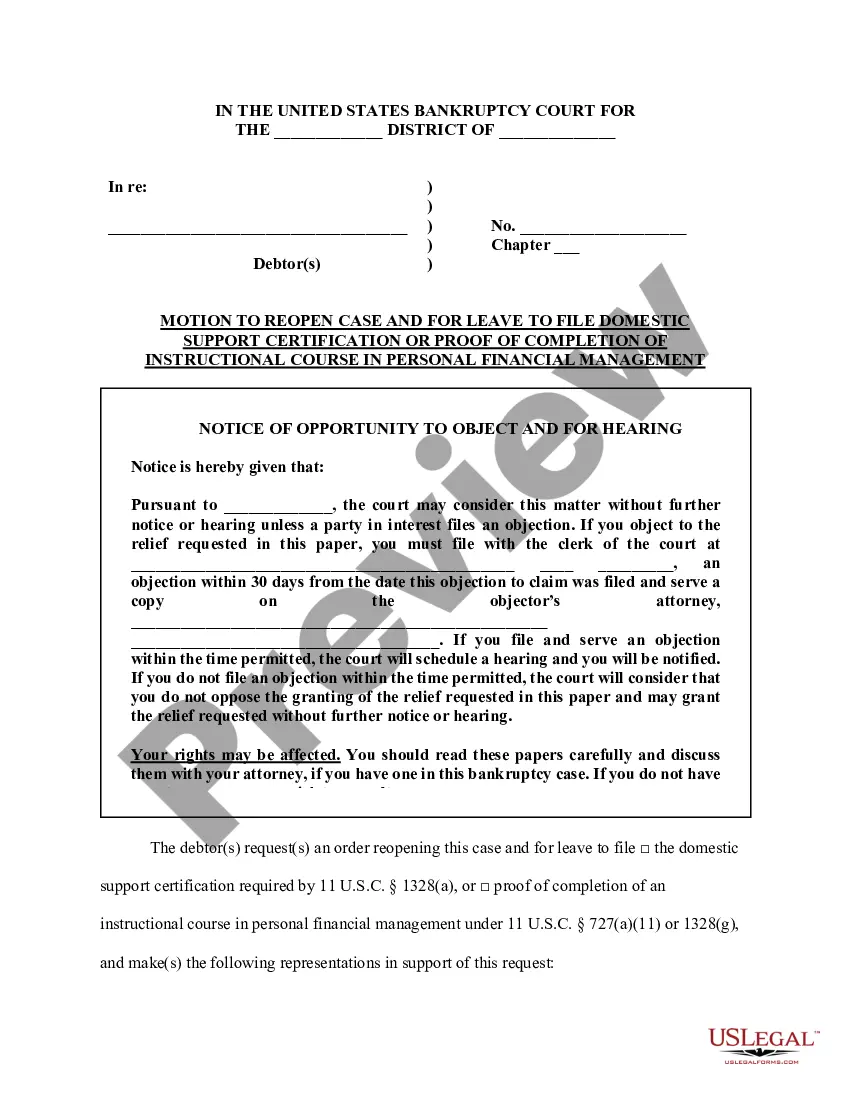
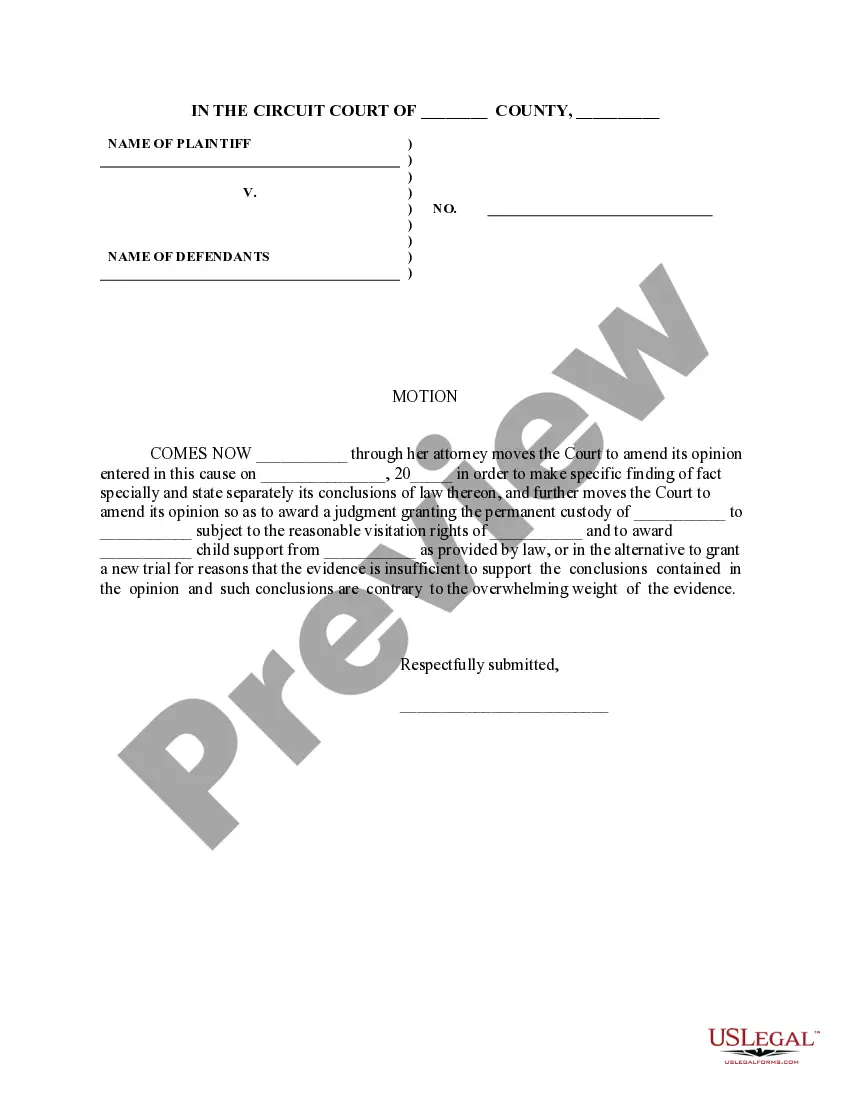
Get your form ready online
Our built-in tools help you complete, sign, share, and store your documents in one place.
Make edits, fill in missing information, and update formatting in US Legal Forms—just like you would in MS Word.
Download a copy, print it, send it by email, or mail it via USPS—whatever works best for your next step.
Sign and collect signatures with our SignNow integration. Send to multiple recipients, set reminders, and more. Go Premium to unlock E-Sign.
If this form requires notarization, complete it online through a secure video call—no need to meet a notary in person or wait for an appointment.
We protect your documents and personal data by following strict security and privacy standards.

Make edits, fill in missing information, and update formatting in US Legal Forms—just like you would in MS Word.

Download a copy, print it, send it by email, or mail it via USPS—whatever works best for your next step.

Sign and collect signatures with our SignNow integration. Send to multiple recipients, set reminders, and more. Go Premium to unlock E-Sign.

If this form requires notarization, complete it online through a secure video call—no need to meet a notary in person or wait for an appointment.

We protect your documents and personal data by following strict security and privacy standards.
Looking for another form?
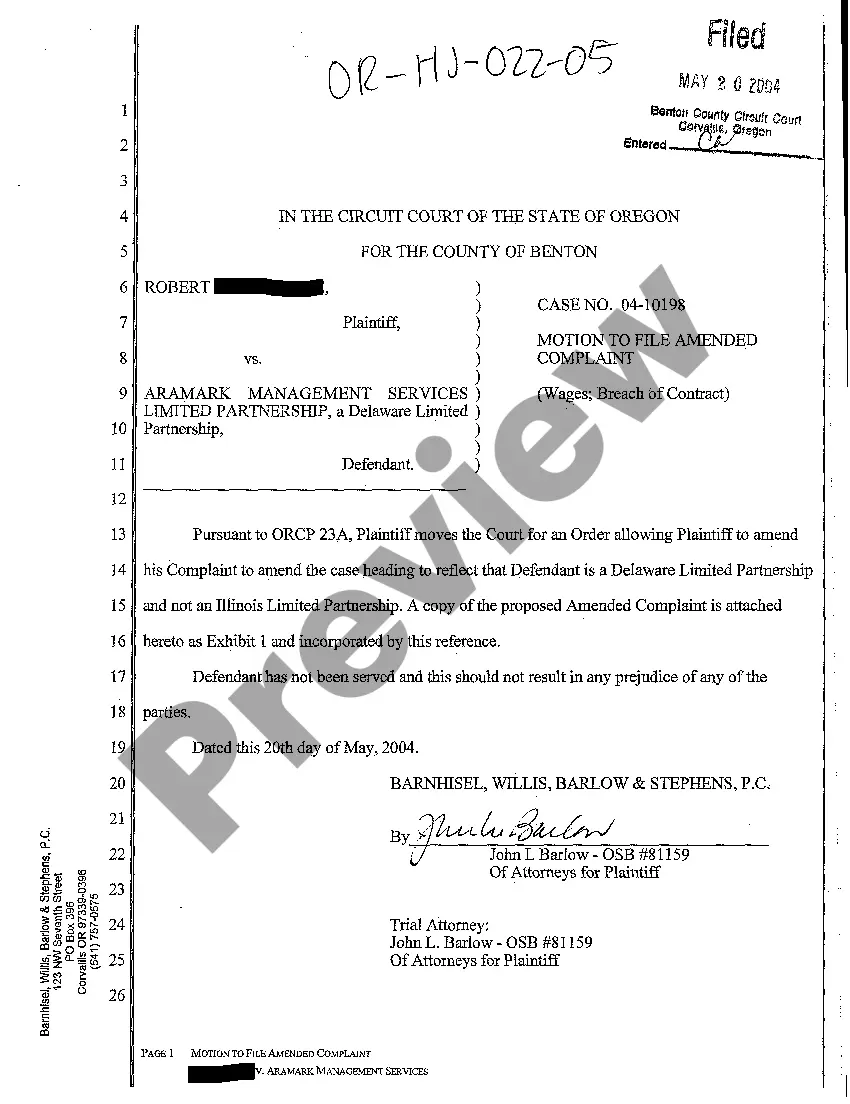



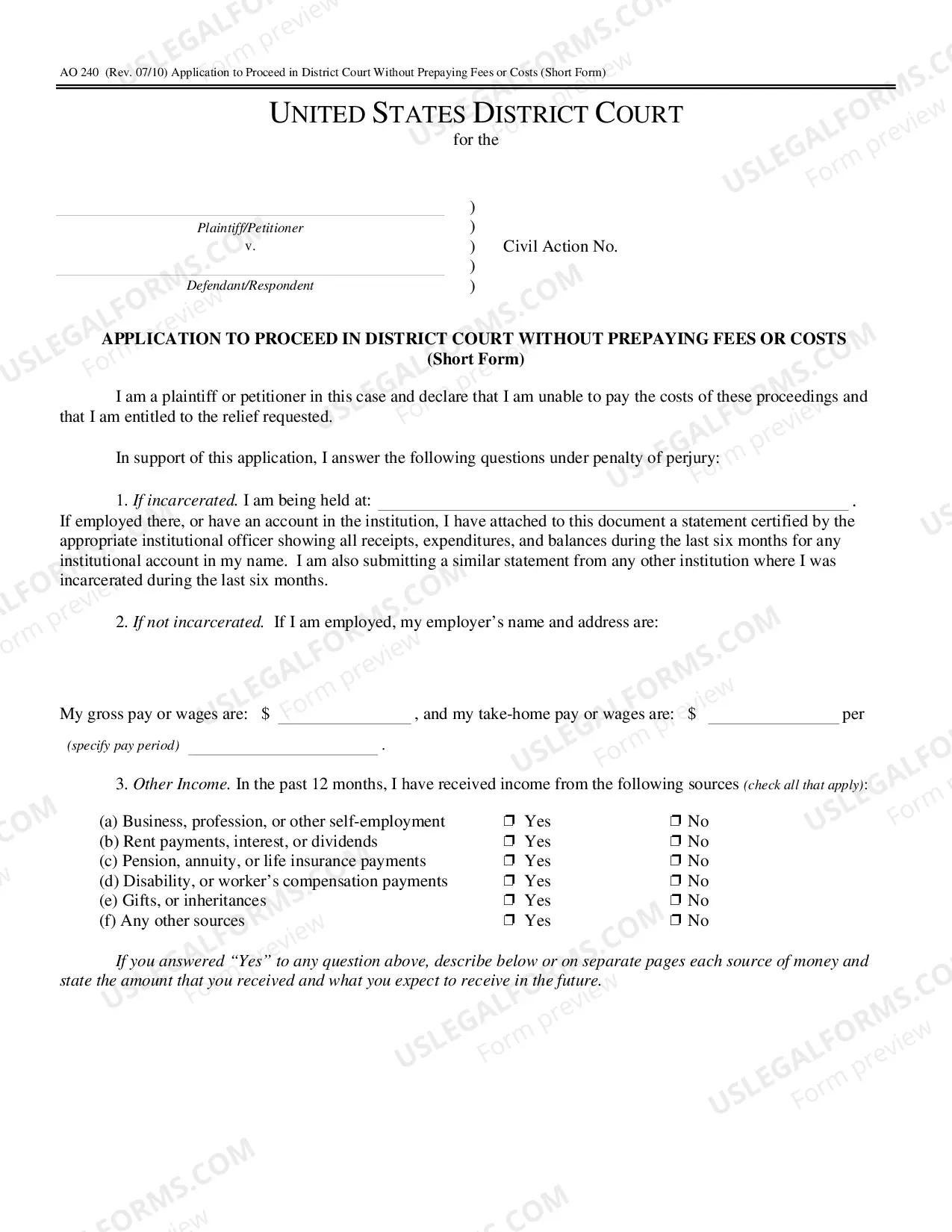

How to fill out Pennsylvania Motion To Reopen Case In Order To Include Qualified Domestic Relations Order In Final Decree Or Judgment?
- Log in to your US Legal Forms account if you are a returning user. Verify that your subscription is active; if not, renew it per your payment plan.
- In the Preview mode, check the form description to ensure it meets your needs for Pennsylvania domestic relations. Confirm it aligns with local jurisdiction requirements.
- If you require a different document, utilize the Search tab to refine your results and find the appropriate form.
- Once you’ve selected the correct document, click on the Buy Now button and choose your preferred subscription plan, creating an account if necessary.
- Complete your purchase by providing your payment details via credit card or PayPal.
- Finally, download your form and save it on your device. Access it anytime through the My Forms menu in your profile.
By following these steps, you can ensure that you obtain the necessary documents efficiently and effectively. With US Legal Forms, you gain access to a robust collection of over 85,000 fillable and editable legal forms, tailored for your needs.
Get started today and simplify your legal process with US Legal Forms—where precision meets accessibility.
Form popularity
FAQ
Yes, you can go to jail for unpaid child support in Pennsylvania. If a parent repeatedly neglects their financial obligations, the court may issue a bench warrant, leading to arrest and imprisonment. However, judges typically prefer to find solutions that promote compliance over punishment. If you face challenges with child support as a foreign worker, considering resources like USLegalForms can provide guidance and support in resolving your Pennsylvania domestic relations issues.
In Pennsylvania, domestic relations processes govern issues like divorce, child custody, and support payments. For foreign workers, the procedures can be intricate due to varying legal requirements based on residency and immigration status. Therefore, leveraging resources such as USLegalForms can provide essential documents and guidance to navigate Pennsylvania domestic relations effectively.
Domestic relations encompass various aspects of personal relationships that involve legal rights and responsibilities, like marriage, divorce, child custody, and support obligations. For foreign workers dealing with Pennsylvania domestic relations, understanding these factors can help in navigating complex scenarios. It establishes a framework for legal recourse in conflicts.
A qualified domestic relations order is a formal court order that provides for the division of retirement plan benefits in the event of divorce. This order is vital for ensuring that both parties receive their entitled portions legally and fairly. In Pennsylvania domestic relations for foreign workers, understanding a QDRO can simplify the process of asset division and protect your financial future.
An example of domestic relations includes the legal responsibilities and rights shared between spouses, such as child custody arrangements or division of property. In Pennsylvania domestic relations for foreign workers, this can also encompass issues like alimony and support obligations. Recognizing these elements can help individuals better navigate their legal landscape.
A qualified domestic relations order (QDRO) is a legal document used in Pennsylvania that outlines how retirement benefits are to be divided between spouses during a divorce. For foreign workers dealing with Pennsylvania domestic relations, a QDRO helps ensure that both parties receive their fair share of retirement assets. It's essential to work with legal professionals to draft this document effectively to prevent future disputes.
Domestic relationships typically refer to the associations between individuals who live together, share responsibilities, and may include family bonds. In the context of Pennsylvania domestic relations for foreign workers, it can involve marriages, partnerships, or cohabitations that create legal obligations. Understanding these definitions is crucial for navigating associated rights and responsibilities.
