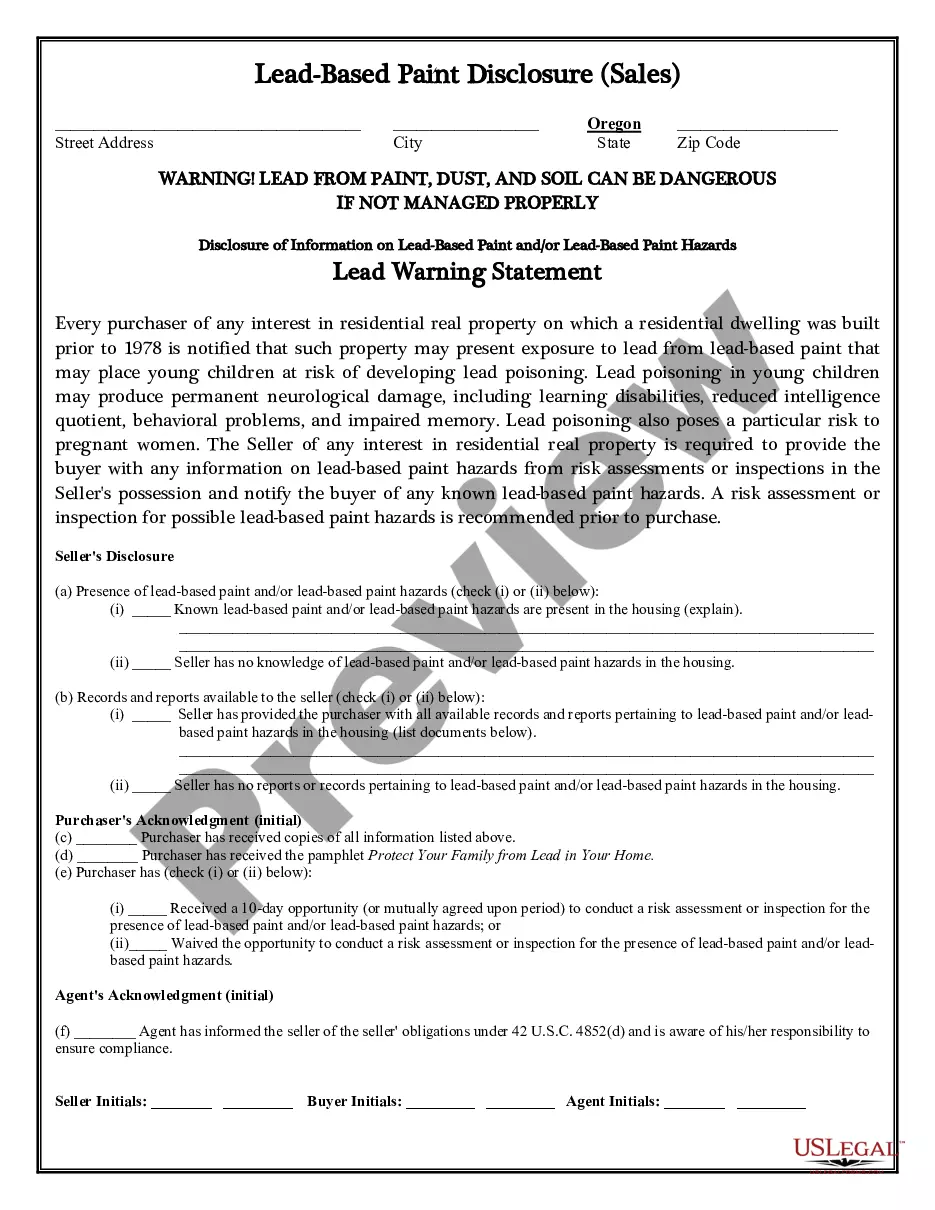
Lead Based Paint Disclosure Oregon With Landlord
Description
Get your form ready online
Our built-in tools help you complete, sign, share, and store your documents in one place.
Make edits, fill in missing information, and update formatting in US Legal Forms—just like you would in MS Word.
Download a copy, print it, send it by email, or mail it via USPS—whatever works best for your next step.
Sign and collect signatures with our SignNow integration. Send to multiple recipients, set reminders, and more. Go Premium to unlock E-Sign.
If this form requires notarization, complete it online through a secure video call—no need to meet a notary in person or wait for an appointment.
We protect your documents and personal data by following strict security and privacy standards.

Make edits, fill in missing information, and update formatting in US Legal Forms—just like you would in MS Word.

Download a copy, print it, send it by email, or mail it via USPS—whatever works best for your next step.

Sign and collect signatures with our SignNow integration. Send to multiple recipients, set reminders, and more. Go Premium to unlock E-Sign.

If this form requires notarization, complete it online through a secure video call—no need to meet a notary in person or wait for an appointment.

We protect your documents and personal data by following strict security and privacy standards.
Looking for another form?
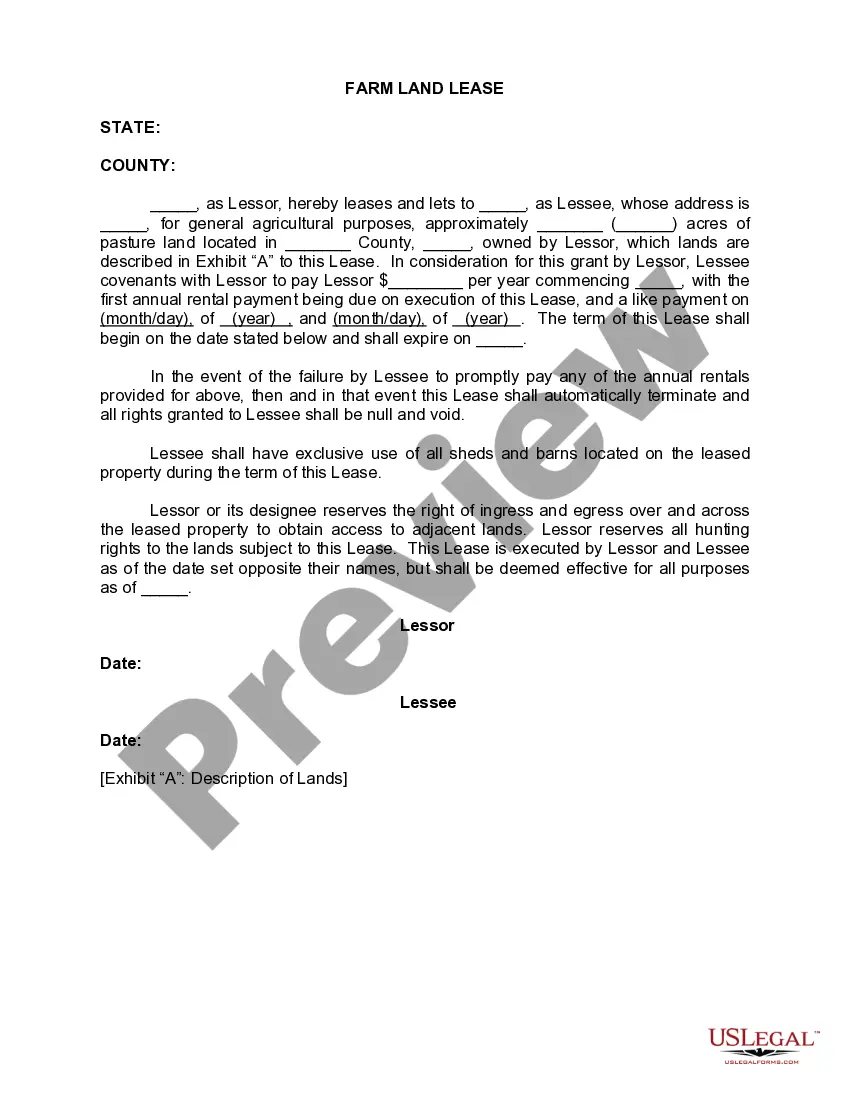

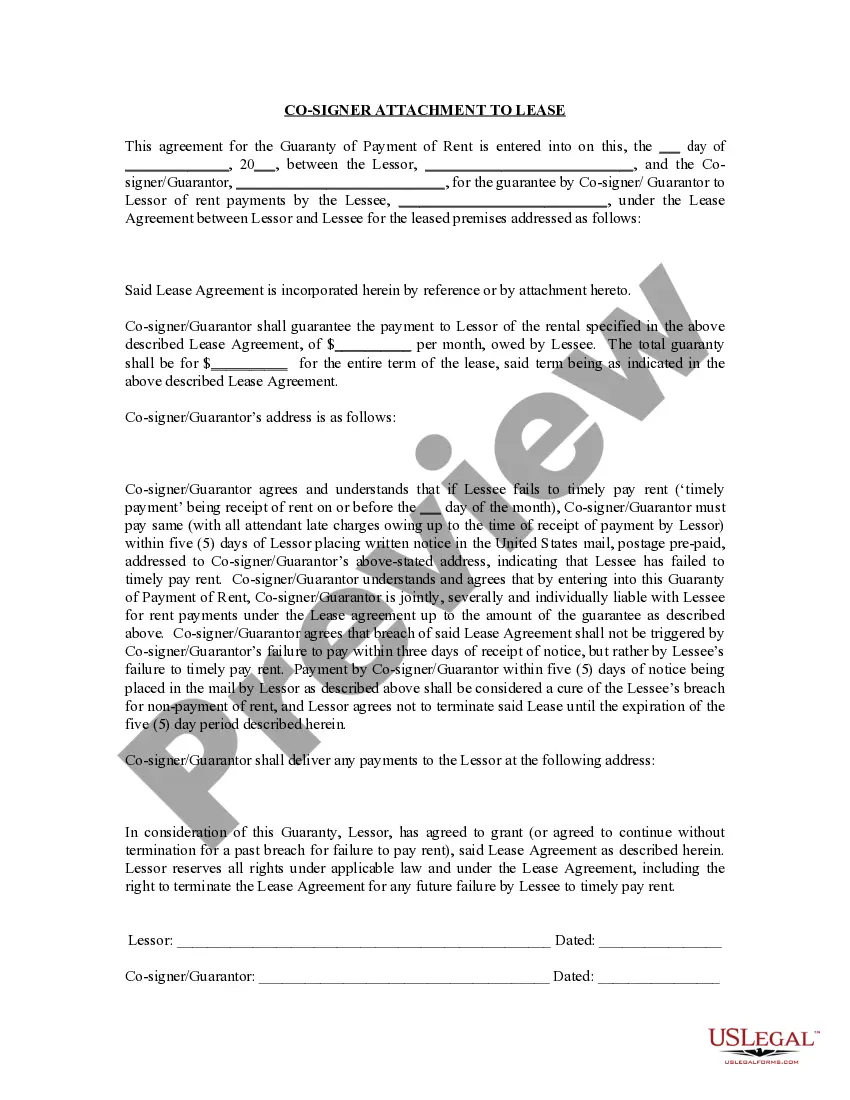
How to fill out Oregon Lead Based Paint Disclosure For Sales Transaction?
Whether for corporate reasons or personal matters, everyone must navigate legal circumstances at some point in their lives.
Filling out legal documents necessitates meticulous consideration, beginning with choosing the correct form template.
Once saved, you can fill out the form using editing software or print it and complete it by hand. With a comprehensive catalog of US Legal Forms at your disposal, you don't have to waste time searching for the correct template across the web. Utilize the library’s straightforward navigation to discover the right document for any scenario.
- Locate the template you need by utilizing the search bar or navigating the catalog.
- Review the form’s details to confirm it corresponds with your situation, jurisdiction, and area.
- Click on the form’s preview to view it.
- If it is the wrong document, return to the search function to find the Lead Based Paint Disclosure Oregon With Landlord template you require.
- Download the form if it meets your specifications.
- If you already possess a US Legal Forms account, simply click Log in to access previously saved templates in My documents.
- If you do not yet have an account, you can acquire the form by clicking Buy now.
- Choose the appropriate payment option.
- Complete the profile registration form.
- Select your payment method: you can use a credit card or PayPal account.
- Choose the document format you prefer and download the Lead Based Paint Disclosure Oregon With Landlord.
Form popularity
FAQ
These grounds can include, but are not limited to: forum non conveniens, meaning it is more appropriate for another court to hear the case; prior pending action, meaning a case between the parties on the same matter is already happening; or in a medical malpractice case the Certificate of Good Faith not being properly ...
Rule 1.7 - Conflict of Interest: General Rule (a) Except as provided in paragraph (b), a lawyer shall not represent a client if the representation involves a concurrent conflict of interest.
Rule 4.2 of the Rules of Professional Conduct provides that ?[i]n representing a client, a lawyer shall not communicate about the subject of the representation with a party the lawyer knows to be represented by another lawyer in the matter, unless the lawyer has the consent of the other lawyer or is authorized by law ...
Rule 1.10 - Imputation of Conflicts of Interest: General Rule (a) While lawyers are associated in a firm, none of them shall knowingly represent a client when any one of them practicing alone would be prohibited from doing so by Rules 1.7, 1.8(c), or 1.9, unless the prohibition is based on a personal interest of the ...
Regulatory Scheme: Connecticut Rule of Professional Conduct 7.4A permits attorneys to state or imply that they are certified specialists where certification is granted "by a board or other entity which is approved by the Rules Committee of the Superior Court." [Rule 7.4A].
Rule 7.1. A communication is false or misleading if it contains a material misrepresentation of fact or law, or omits a fact necessary to make the statement considered as a whole not materially misleading.
Rule 8.4(7) defines ?professional misconduct? by a Connecticut attorney as including speech that the lawyer knows or reasonably should know ?is harassment or discrimination on the basis of? any of 15 listed characteristics?among them race, sex, religion, disability, sexual orientation, and gender identity.