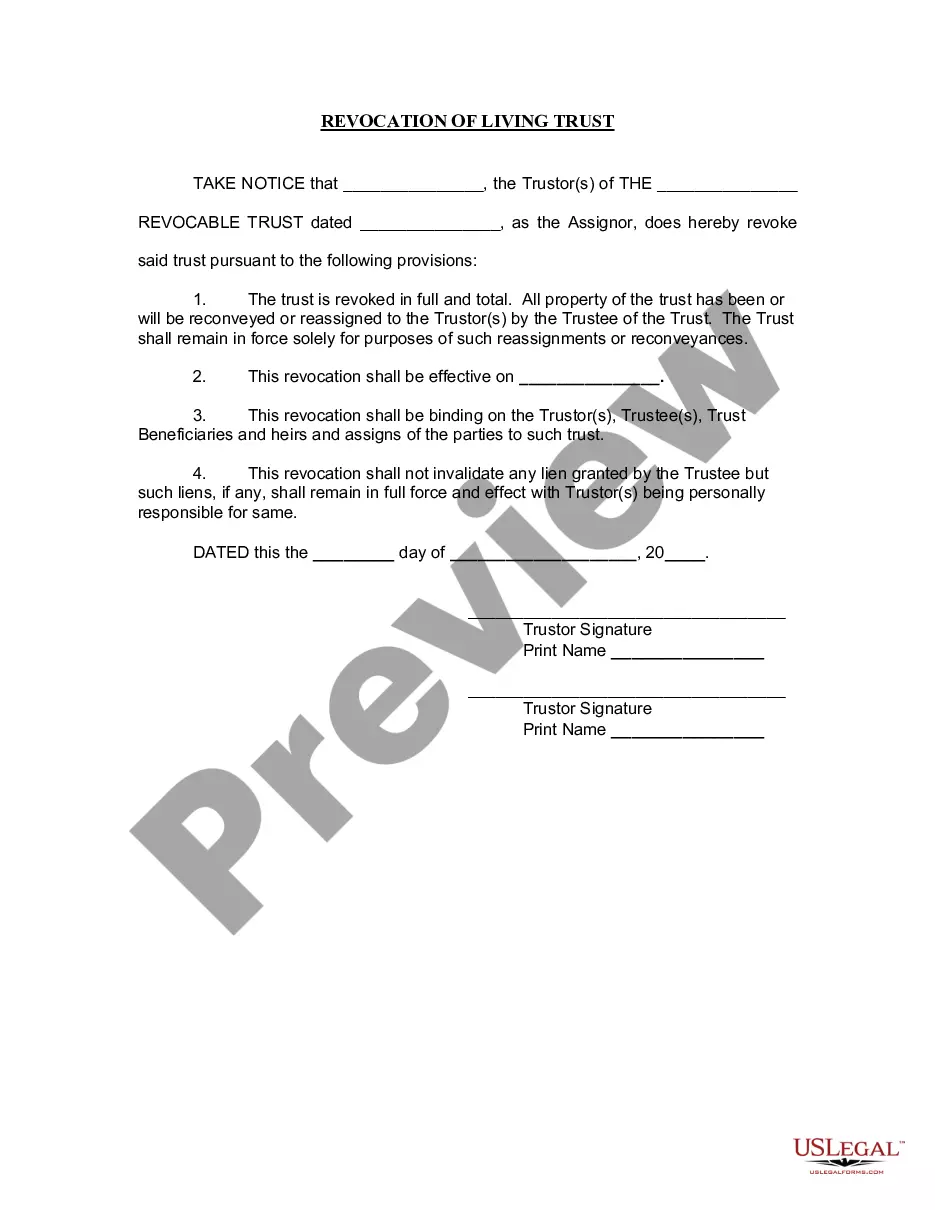
Revocation Living Trust With A Family Member
Description

Get your form ready online
Our built-in tools help you complete, sign, share, and store your documents in one place.
Make edits, fill in missing information, and update formatting in US Legal Forms—just like you would in MS Word.
Download a copy, print it, send it by email, or mail it via USPS—whatever works best for your next step.
Sign and collect signatures with our SignNow integration. Send to multiple recipients, set reminders, and more. Go Premium to unlock E-Sign.
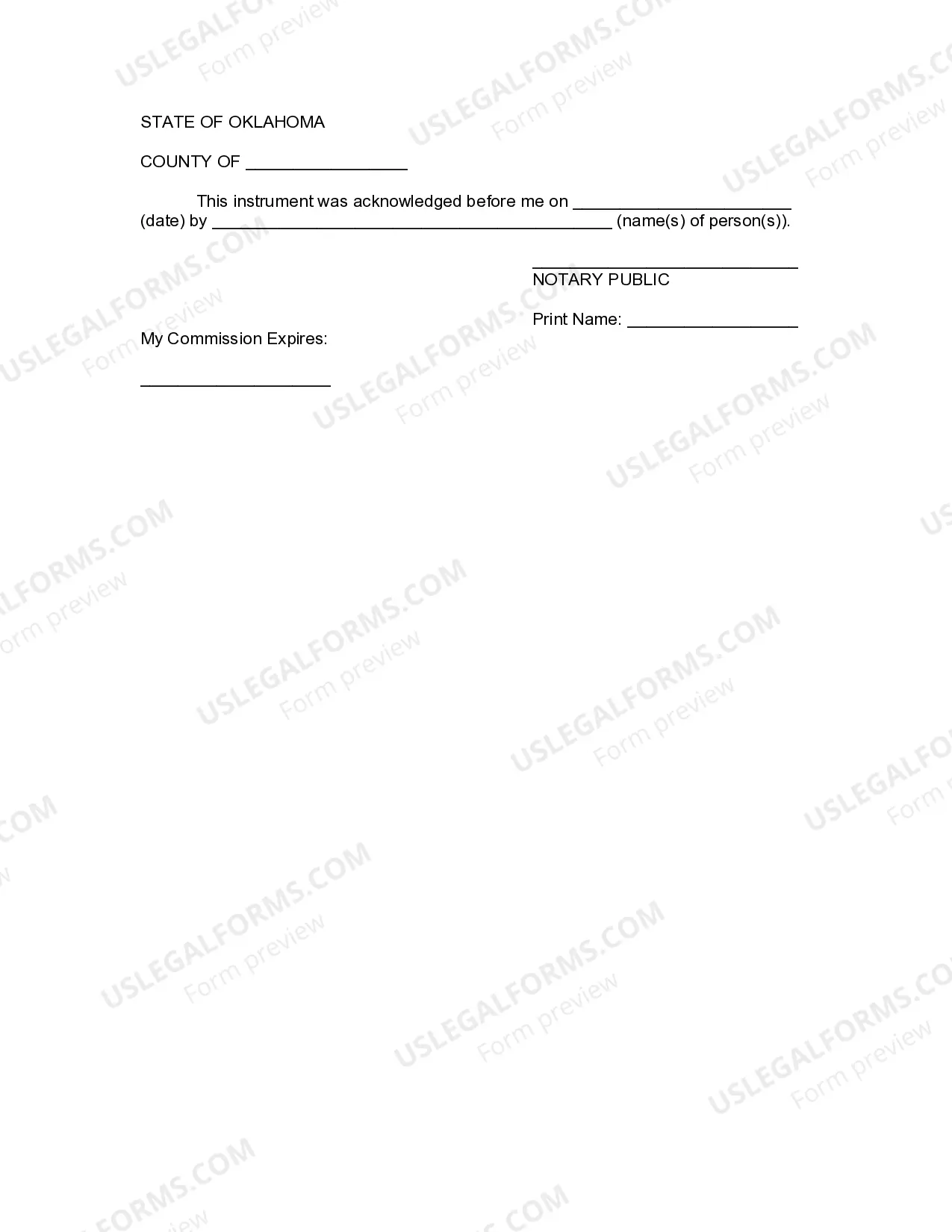
If this form requires notarization, complete it online through a secure video call—no need to meet a notary in person or wait for an appointment.
We protect your documents and personal data by following strict security and privacy standards.

Make edits, fill in missing information, and update formatting in US Legal Forms—just like you would in MS Word.

Download a copy, print it, send it by email, or mail it via USPS—whatever works best for your next step.

Sign and collect signatures with our SignNow integration. Send to multiple recipients, set reminders, and more. Go Premium to unlock E-Sign.

If this form requires notarization, complete it online through a secure video call—no need to meet a notary in person or wait for an appointment.

We protect your documents and personal data by following strict security and privacy standards.
Looking for another form?









How to fill out Oklahoma Revocation Of Living Trust?
- Log in to your US Legal Forms account if you're a returning user. Confirm your subscription status and download the required form template.
- For first-time users, begin by previewing the template and checking the form description to ensure it meets your jurisdictional requirements.
- If necessary, utilize the search function to find the appropriate document that fits your needs.
- To proceed, click the 'Buy Now' button and select your desired subscription plan. Remember, you'll need to create an account for full access.
- Once you've decided on a plan, enter your payment details or utilize your PayPal account to finalize your purchase.
- After payment confirmation, download the template to your device, and you'll also find it in the 'My Forms' section of your account for future access.
In conclusion, leveraging US Legal Forms allows you to efficiently revoke a living trust with a family member, ensuring all legal documents are readily viable and tailored to your needs. Start simplifying your legal documentation today!
Explore the resources at US Legal Forms now and take control of your estate planning.
Form popularity
FAQ
A trust revocation declaration typically includes the grantor's intent to revoke the trust, identification of the trust being revoked, and the signature of the grantor. When creating a revocation living trust with a family member, this document can serve as a formal notice to all involved parties. Clearly stating the reasons for the revocation ensures transparency and can reduce potential disputes. Using a legal service like US Legal Forms can simplify this process.
A downside of putting assets in a trust can be the loss of direct control over those assets. Once a revocation living trust with a family member is established, the trustee has the authority to manage those assets, which might not always align with the grantor's desires. This shift in control can be unsettling for some individuals. It’s important to choose a trustworthy and competent trustee to alleviate these concerns.
The biggest mistake parents often make when setting up a trust fund is failing to keep the trust documents updated. Life changes such as marriage, divorce, or the birth of a child may necessitate revisions. A revocation living trust with a family member requires ongoing attention to ensure it aligns with current wishes and circumstances. Regular check-ins can help prevent this common pitfall.
One significant downfall of having a trust is the initial setup and ongoing maintenance costs. A revocation living trust with a family member can become cumbersome if family dynamics complicate matters. These costs can sometimes outweigh the benefits, especially if the trust is not managed correctly. Regular legal reviews can mitigate some of these concerns.
One notable disadvantage of a family trust is the potential for misunderstandings among family members. When setting up a revocation living trust with a family member, it’s essential to communicate clearly about roles and responsibilities. Without strong communication, conflicts may arise, leading to family tension. Additionally, maintaining the trust may require ongoing administrative tasks.
Yes, you can amend a revocable living trust easily. To do this, create an amendment document that outlines the specific changes you wish to make. This document should be signed and dated by you, ensuring that all parties involved are aware of the updates. Amending a revocation living trust with a family member allows you to adapt to new circumstances and maintain alignment with your estate planning goals.
You should update your revocable trust whenever significant life events occur, such as marriage, divorce, or the birth of a child. It's also wise to review the trust every few years to ensure it reflects your current wishes and circumstances. By regularly updating your revocation living trust with a family member, you maintain its effectiveness and relevance for your family’s future.
To revoke a revocable living trust, you need to follow specific steps. First, locate the original trust document and confirm it is still valid. Then, draft a formal revocation document stating your intention to revoke the trust, including details like the name of the trust and your signature. Finally, distribute copies of this revocation to all relevant parties, ensuring clarity about the revocation of the living trust with a family member.
Shutting down a trust involves following the specific steps laid out in the trust document. For a revocable trust, the trustor can provide written notice of termination, after which the trust assets should be distributed according to the terms. It's important to document this process properly to avoid potential disputes. Resources like US Legal Forms can assist you in navigating the closure of a revocation living trust with a family member effectively.
There are several methods for terminating a trust. The trust can be terminated by written notice if it is revocable, as long as the trustor follows the required procedures. Additionally, trusts can terminate automatically upon the fulfillment of certain conditions or through judicial intervention. Knowing these options is essential, especially in the context of a revocation living trust with a family member, to ensure a smooth transition.