Probate Deed Of Family Arrangement
Description
Get your form ready online
Our built-in tools help you complete, sign, share, and store your documents in one place.
Make edits, fill in missing information, and update formatting in US Legal Forms—just like you would in MS Word.
Download a copy, print it, send it by email, or mail it via USPS—whatever works best for your next step.
Sign and collect signatures with our SignNow integration. Send to multiple recipients, set reminders, and more. Go Premium to unlock E-Sign.
If this form requires notarization, complete it online through a secure video call—no need to meet a notary in person or wait for an appointment.
We protect your documents and personal data by following strict security and privacy standards.

Make edits, fill in missing information, and update formatting in US Legal Forms—just like you would in MS Word.

Download a copy, print it, send it by email, or mail it via USPS—whatever works best for your next step.

Sign and collect signatures with our SignNow integration. Send to multiple recipients, set reminders, and more. Go Premium to unlock E-Sign.

If this form requires notarization, complete it online through a secure video call—no need to meet a notary in person or wait for an appointment.

We protect your documents and personal data by following strict security and privacy standards.
Looking for another form?
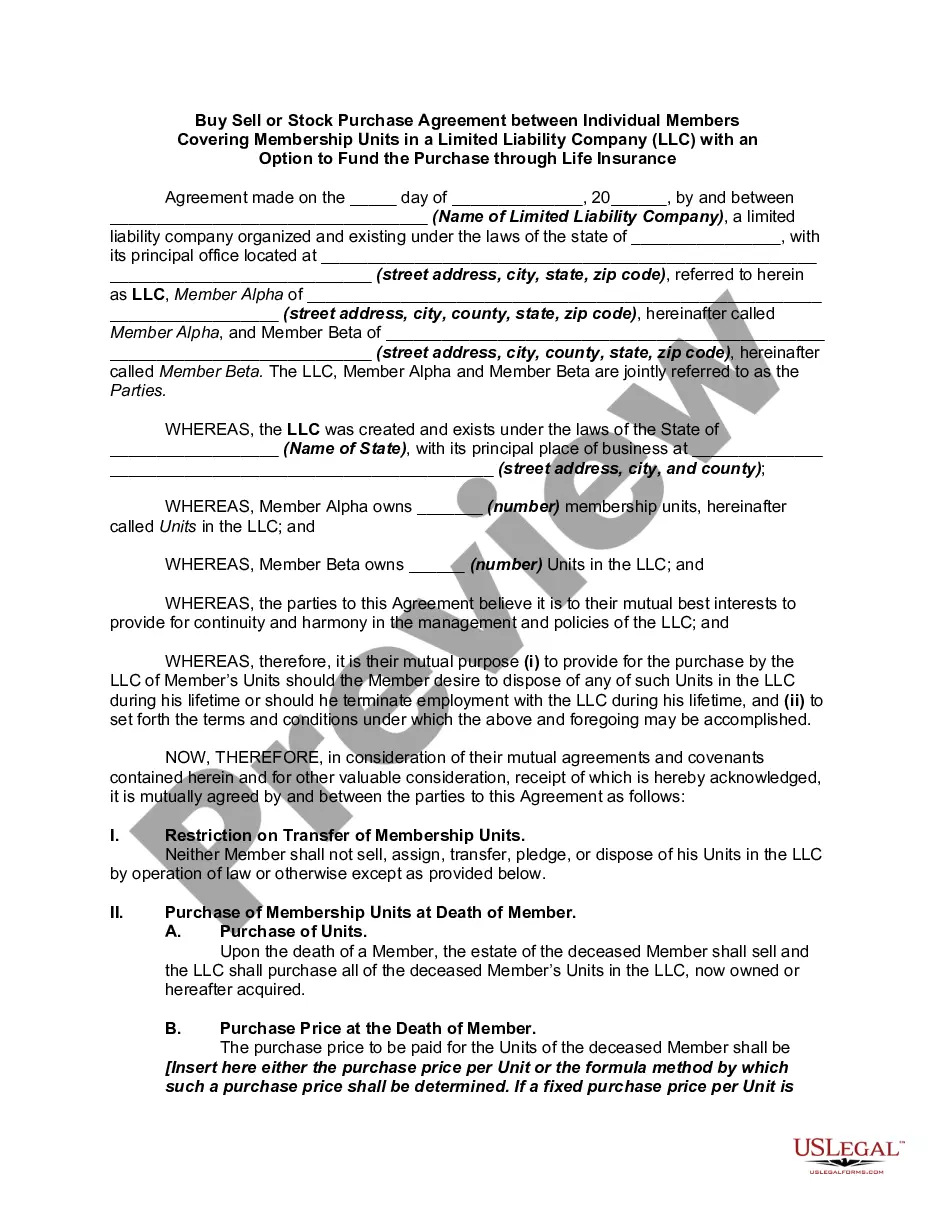

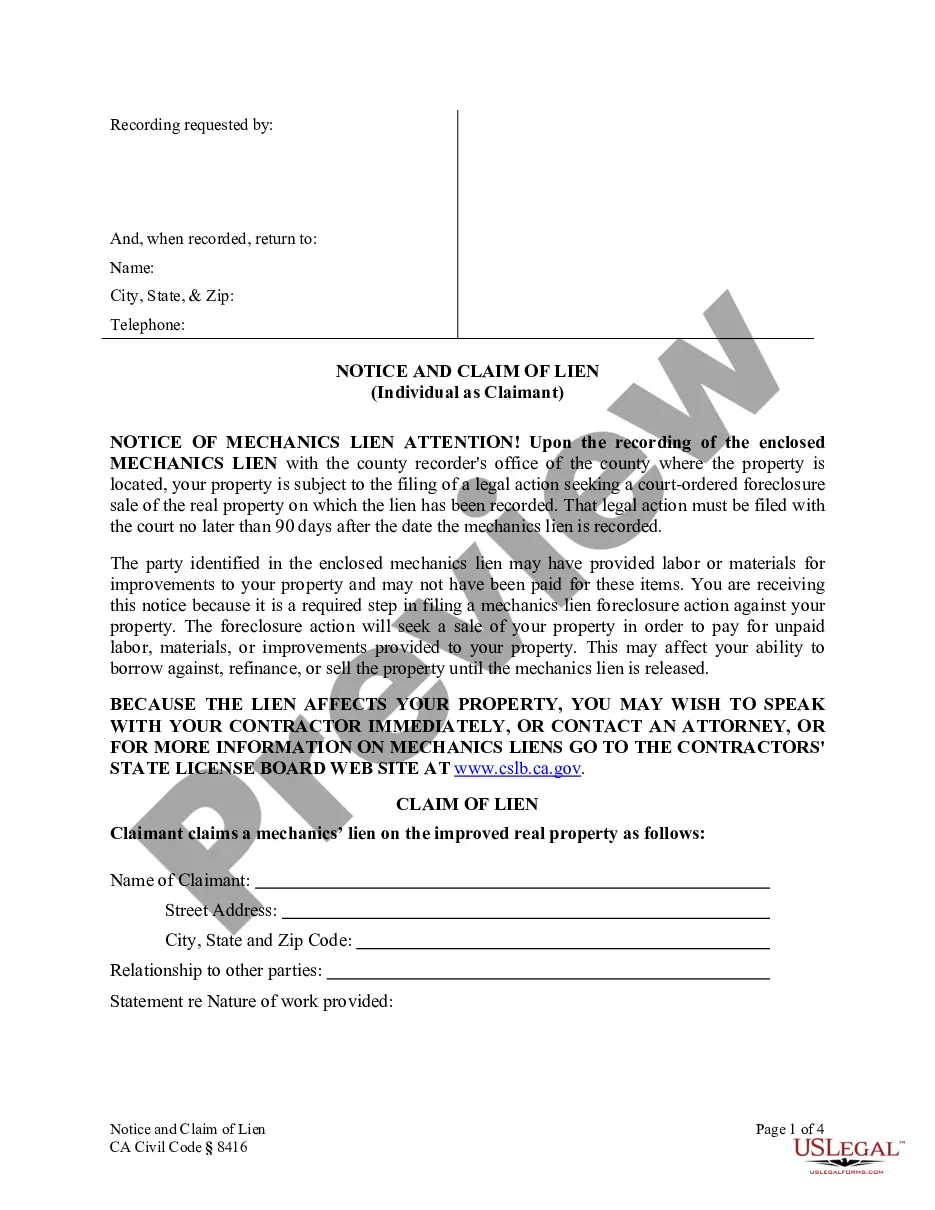
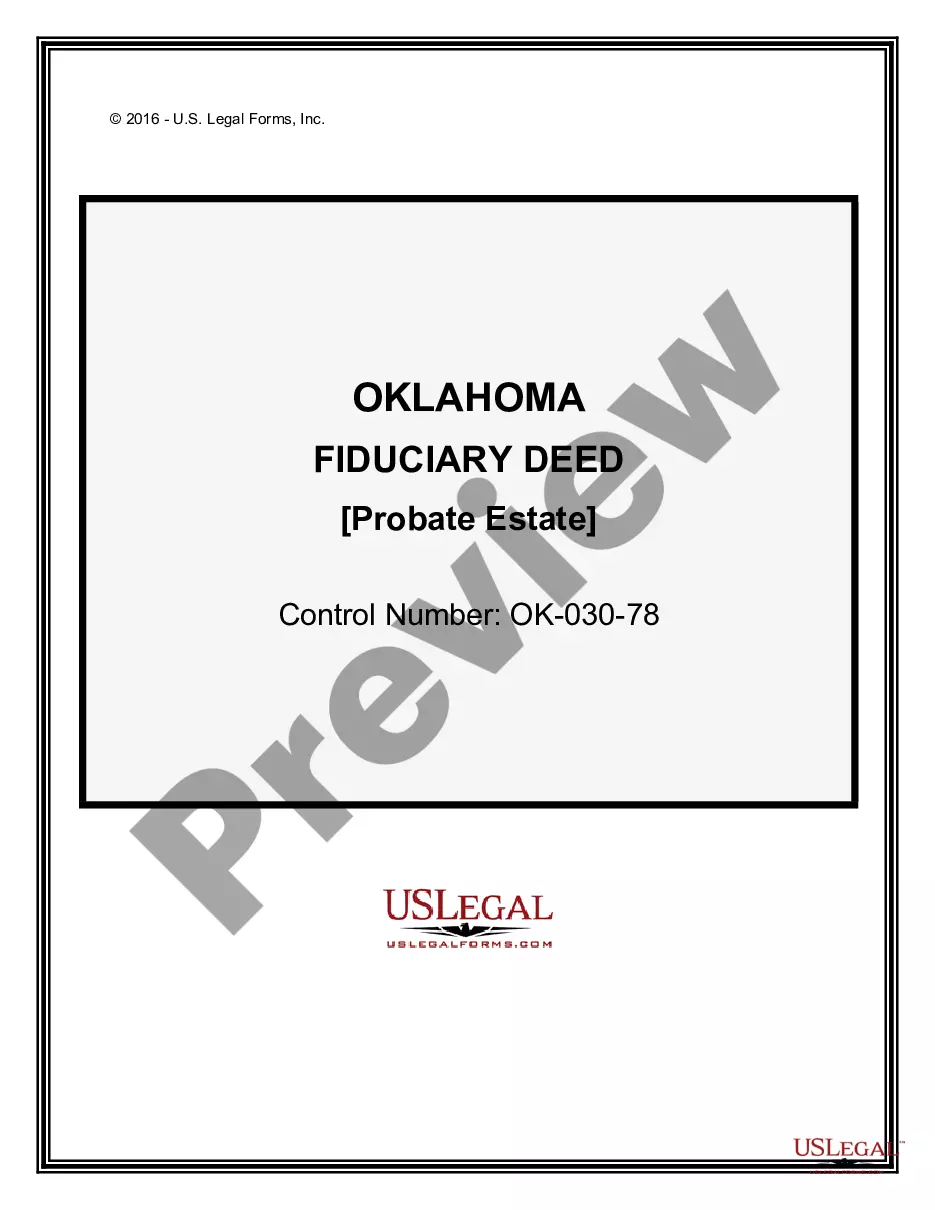
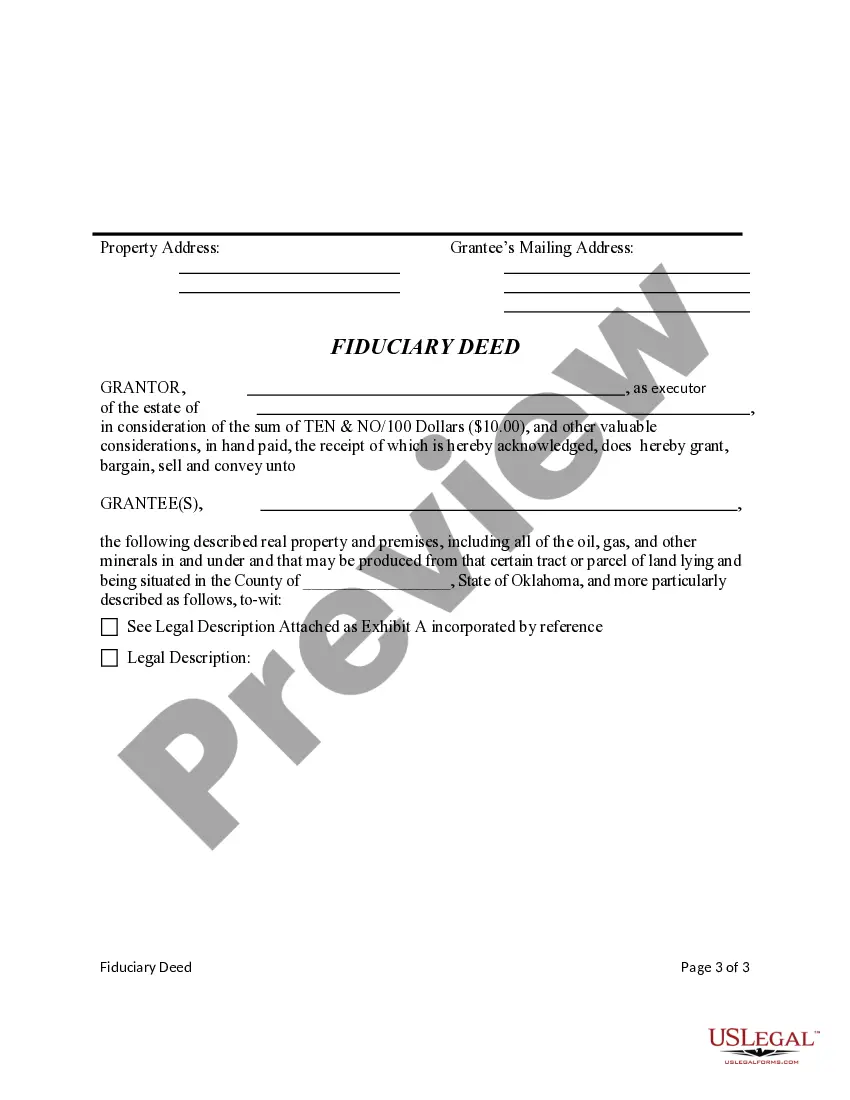
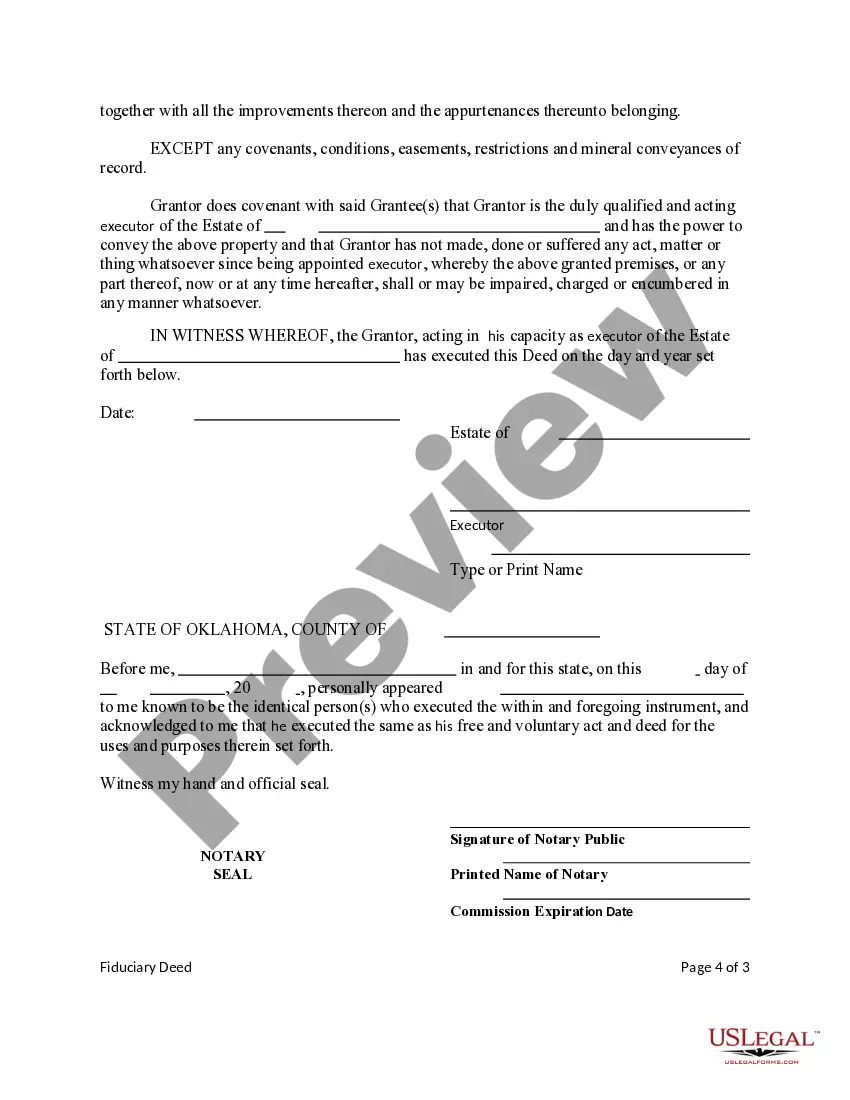
How to fill out Oklahoma Fiduciary Deed For Probate Estate - Testate Or Intestate?
Properly composed formal documents are a crucial safeguard against issues and legal disputes, yet obtaining them without the assistance of an attorney may require patience.
Whether you're in a hurry to locate a current Probate Deed Of Family Arrangement or any other forms for employment, familial, or commercial purposes, US Legal Forms is always ready to assist.
The process is even more straightforward for current users of the US Legal Forms repository. If your subscription is active, you merely need to Log In to your account and click the Download button adjacent to the chosen document. Furthermore, you can retrieve the Probate Deed Of Family Arrangement at any time, as all documents previously acquired on the platform are accessible within the My documents section of your profile. Save time and resources on creating formal documents. Experience US Legal Forms today!
- Verify that the form fits your situation and location by examining the description and preview.
- If necessary, search for an alternative sample using the Search bar located in the page header.
- Press Buy Now once you find the correct template.
- Select the payment plan, Log In to your account, or create a new one.
- Choose your preferred payment method to acquire the subscription plan (using a credit card or PayPal).
- Select either PDF or DOCX format for your Probate Deed Of Family Arrangement.
- Hit Download, then print the document to complete it or insert it into an online editor.
Form popularity
FAQ
To obtain a deed after probate, you typically need to locate the original documents from the probate court. The process can vary by state, but generally, you will need to request a certified copy of the probate deed of family arrangement. This document acts as proof of the transfer of assets and provides clarity on how the estate is divided. If you need assistance navigating this process, US Legal Forms can offer the necessary resources and templates to simplify your experience.
You typically have up to 12 months to probate a will after someone dies, but it's best to start the process as soon as possible. Delaying probate can complicate matters, especially when managing the deceased's assets. A probate deed of family arrangement can help resolve disputes among beneficiaries, ensuring a fair and equitable distribution of the estate. Taking prompt action is always in the best interest of all parties.
The current waiting time for probate can vary, often ranging from several weeks to several months. This is influenced by the complexity of the estate and the workload at the probate registry. By utilizing a probate deed of family arrangement, interested parties can clarify their intentions and potentially expedite the process. Staying informed and prepared can alleviate some of the delays.
After a person dies, there is no strict legal deadline for clearing a house, but it's advisable to act promptly. Executors should begin the clearing process as soon as possible to manage the estate efficiently. A probate deed of family arrangement may assist in making decisions about the property and distributing personal belongings among heirs. This proactive approach helps prevent complications down the line.
Once probate is granted, the executor must settle any debts and taxes before distributing funds to beneficiaries. This process can take several months, depending on the estate's complexity. Utilizing a probate deed of family arrangement can streamline discussions about fund distribution and help resolve any disputes. Proper management of this phase ensures a smoother transition for all parties involved.
In the UK, the threshold for probate varies depending on the estate's value. If the estate's value exceeds £5,000, you typically need to apply for probate. A probate deed of family arrangement can facilitate negotiations among beneficiaries, making the process smoother and more efficient. It's crucial to understand the threshold to ensure proper legal proceedings.
A deed of arrangement is a formal legal document that sets out an agreement among parties regarding property distribution or other responsibilities. It serves to clarify the intentions of the family and protect their rights. In cases involving probate, utilizing a probate deed of family arrangement can ensure that the family's wishes are honored in a clear and legally binding manner.
Legally, an arrangement refers to an agreement made between parties regarding specific actions or responsibilities. In the context of family arrangements, it often pertains to how assets are shared or how family obligations are managed. A probate deed of family arrangement can provide a formalized structure, ensuring that the intentions of all parties are legally recognized.
The time it takes to settle a will after probate can vary widely, typically ranging from several months to a few years. Factors like the complexity of the estate, potential disputes among heirs, and the state laws play significant roles in this timeline. Having a clear probate deed of family arrangement can expedite this process and reduce the likelihood of conflicts among family members.
Living arrangements in a family context describe the way family members choose to coexist and share responsibilities. This can include decisions on where to live, who contributes to household duties, and how to support one another. Effective living arrangements are often complemented by a probate deed of family arrangement that clarifies roles and inheritance after a bereavement.