Quit Claim Deed For Florida Property
Description


Get your form ready online
Our built-in tools help you complete, sign, share, and store your documents in one place.
Make edits, fill in missing information, and update formatting in US Legal Forms—just like you would in MS Word.
Download a copy, print it, send it by email, or mail it via USPS—whatever works best for your next step.
Sign and collect signatures with our SignNow integration. Send to multiple recipients, set reminders, and more. Go Premium to unlock E-Sign.
If this form requires notarization, complete it online through a secure video call—no need to meet a notary in person or wait for an appointment.
We protect your documents and personal data by following strict security and privacy standards.

Make edits, fill in missing information, and update formatting in US Legal Forms—just like you would in MS Word.

Download a copy, print it, send it by email, or mail it via USPS—whatever works best for your next step.

Sign and collect signatures with our SignNow integration. Send to multiple recipients, set reminders, and more. Go Premium to unlock E-Sign.

If this form requires notarization, complete it online through a secure video call—no need to meet a notary in person or wait for an appointment.

We protect your documents and personal data by following strict security and privacy standards.
Looking for another form?





How to fill out Oklahoma Quitclaim Deed - Trust To An Individual?
- Log in to your US Legal Forms account if you're a returning user and download the quit claim deed template by clicking the Download button. Ensure your subscription is active; if not, renew it according to your plan.
- If you're new to US Legal Forms, start by previewing the form description to confirm you've selected the correct quit claim deed for Florida that meets your local jurisdiction requirements.
- Search for alternative templates if necessary. If you find any discrepancies, utilize the search feature to locate the right document.
- Purchase the document by clicking the Buy Now button and choosing your preferred subscription plan. You’ll need to create an account to access the extensive library.
- Complete your purchase by entering your payment details via credit card or PayPal.
- Download the quit claim deed and save it to your device. You can access it anytime in the My Forms section of your account.
In conclusion, utilizing US Legal Forms makes acquiring your quit claim deed for Florida property a straightforward process. With over 85,000 accessible legal documents and expert assistance available, you can ensure that your forms are completed accurately and efficiently.
Start your legal journey today by visiting US Legal Forms and secure your quit claim deed!
Form popularity
FAQ
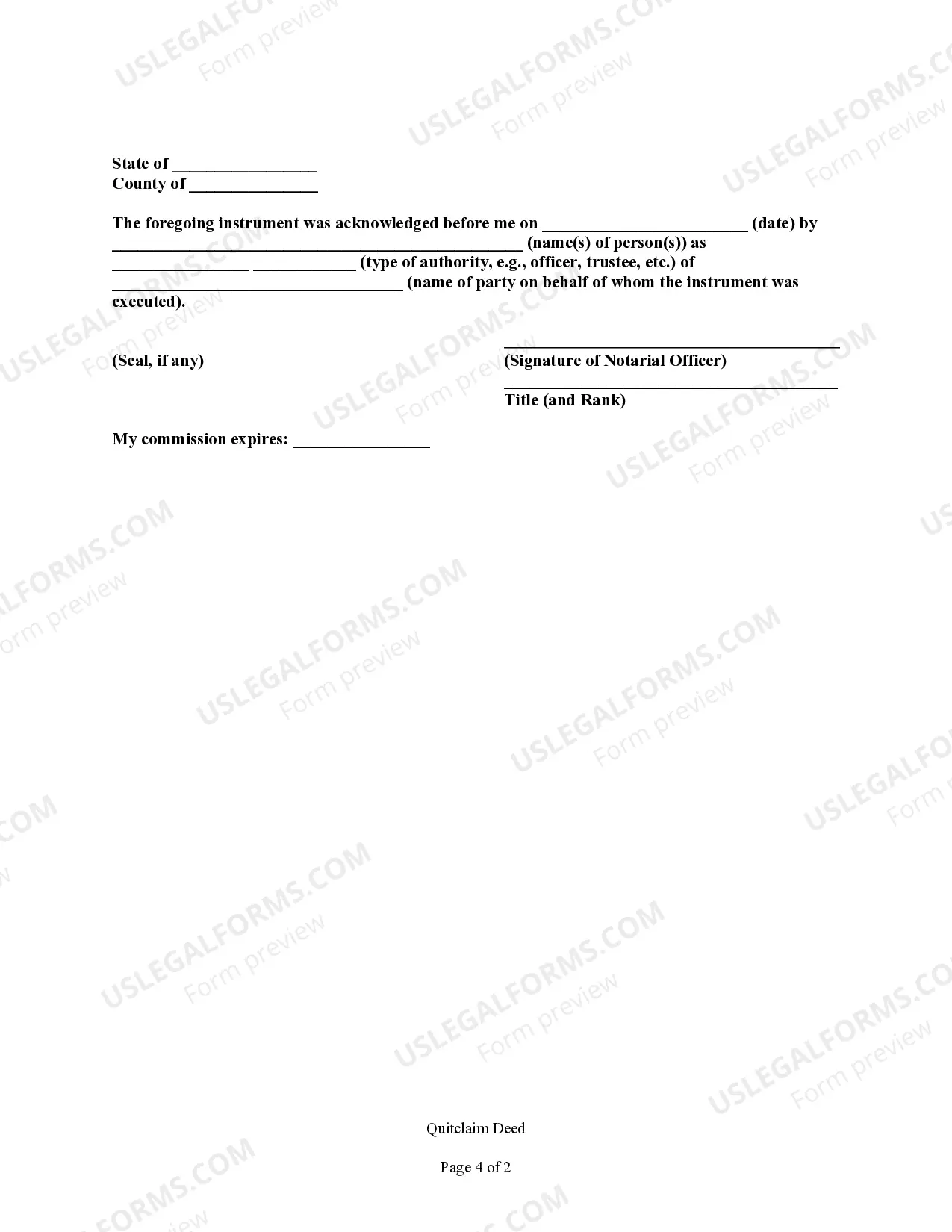
Yes, a quit claim deed for Florida property must be notarized to become legally binding. The signature of the person transferring the property and the notary's acknowledgment are both essential elements in this process. Notarization adds an extra layer of security and validity to your deed. For assistance in meeting these requirements, consider using the resources available at US Legal Forms.
While having a lawyer is not a requirement to file a quit claim deed for Florida property, seeking legal advice can be beneficial. A lawyer can help clarify any doubts and ensure your documents meet all legal requirements. If you prefer to manage the process independently, platforms like US Legal Forms provide templates and guidance that make self-filing easier.
Yes, you can execute a quit claim deed for Florida property on your own. The process is relatively straightforward, allowing property owners to transfer their interest without much hassle. However, it’s vital to follow Florida's specific guidelines to ensure a smooth transfer. For a seamless experience, consider leveraging resources offered by US Legal Forms.
The timeframe to complete a quit claim deed for Florida property typically ranges from a few days to a couple of weeks. This duration depends on your specific situation and whether you encounter any delays in the filing process. After preparing your documents, you should account for time needed to record the deed with the county. Using services like US Legal Forms can expedite your preparation.
Yes, you can handle a quit claim deed for Florida property by yourself. However, it's crucial to understand the process to ensure validity. Any mistakes can lead to legal issues or complications down the line. Using platforms like US Legal Forms can simplify the process and help you avoid pitfalls.
Yes, you can create a quit claim deed for Florida property yourself. Many people choose to do this to save on legal fees. However, it's important to ensure that you understand the requirements and format for the document to be valid in Florida. If you feel uncertain, using a platform like US Legal Forms can help you navigate the process, ensuring your deed meets all legal standards.
Filling out a quit claim deed form requires attention to detail. Start by clearly dating and identifying all parties involved in the transaction. Include an accurate legal description of the property, and ensure that both the grantor and grantee sign the document. For peace of mind, consider using platforms like US Legal Forms, which provide easy access to templates and guidance on how to complete these forms correctly.
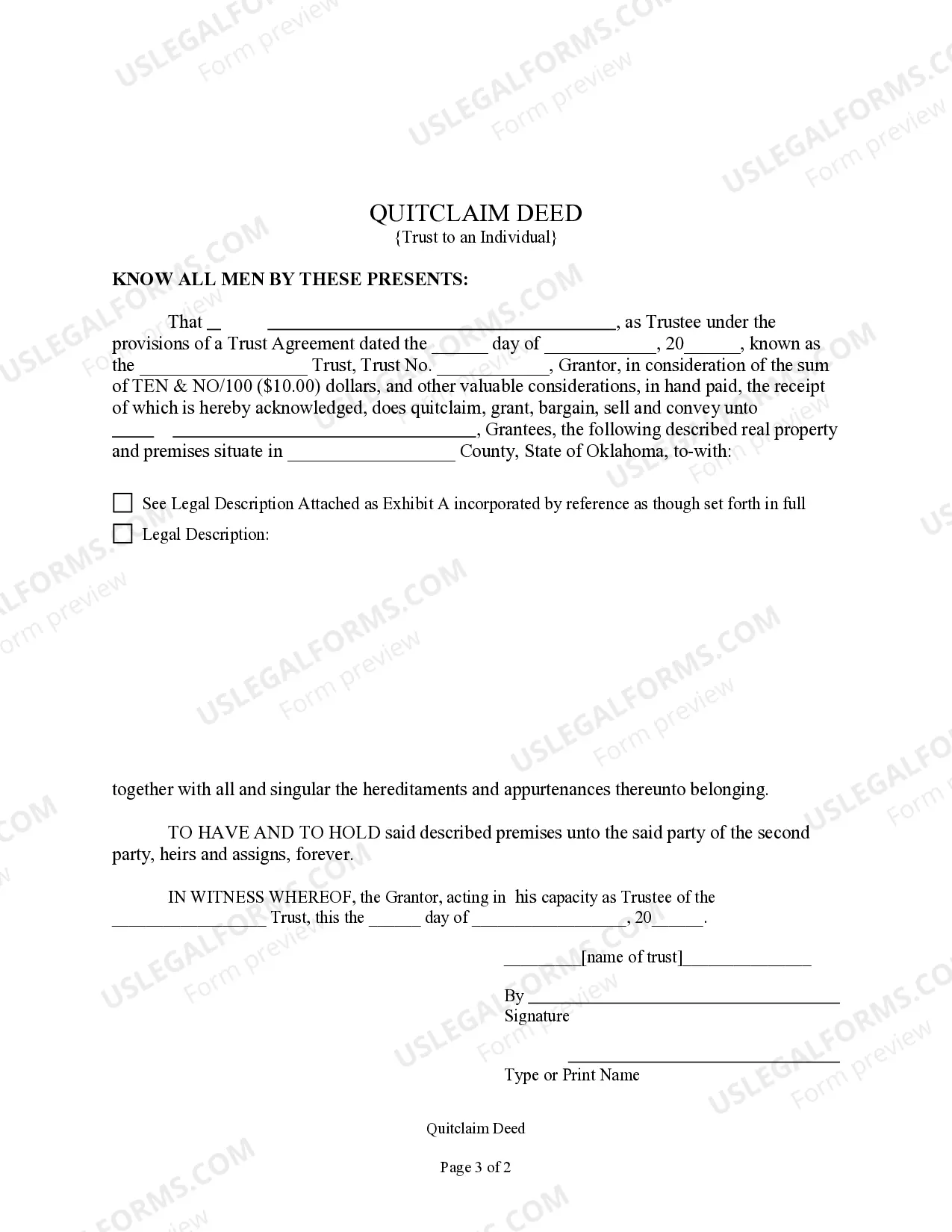
To properly fill out a quit claim deed for Florida property, start by identifying the property clearly. Include the legal description and the names of the grantor and grantee. Ensure the document is signed in front of a notary public to make it legally binding. After filling it out, file the quit claim deed with the county clerk's office to record the transfer.
The negatives associated with a quit claim deed include the lack of title protection, which can lead to complications if there are existing liens or claims on the property. Furthermore, using this type of deed in situations involving financial transactions can cause potential disputes later on. It's critical to clarify property rights before proceeding with a quit claim deed for Florida property, as this document offers limited buyer protections. For a smoother experience, leverage resources like USLegalForms to navigate these challenges effectively.
One significant disadvantage of a quit claim deed for Florida property is that it does not provide any warranties or guarantees regarding the property title. This means the grantee could inherit unknown liabilities or claims against the property. Additionally, these deeds may not be the best option in complex transactions, particularly where disputes are likely. For better security, explore alternatives or consider legal advice before initiating a quit claim deed.