Power Attorney For Property
Description
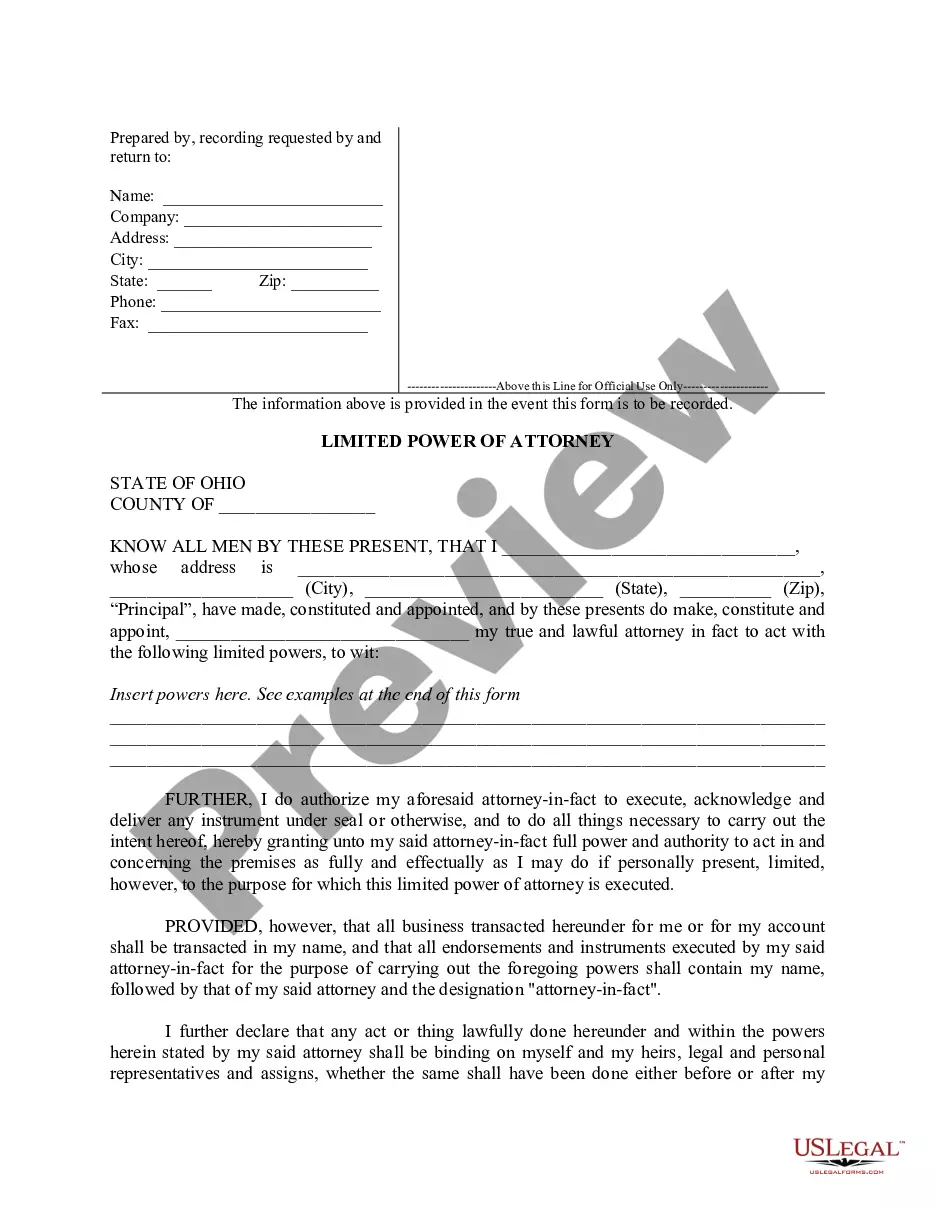
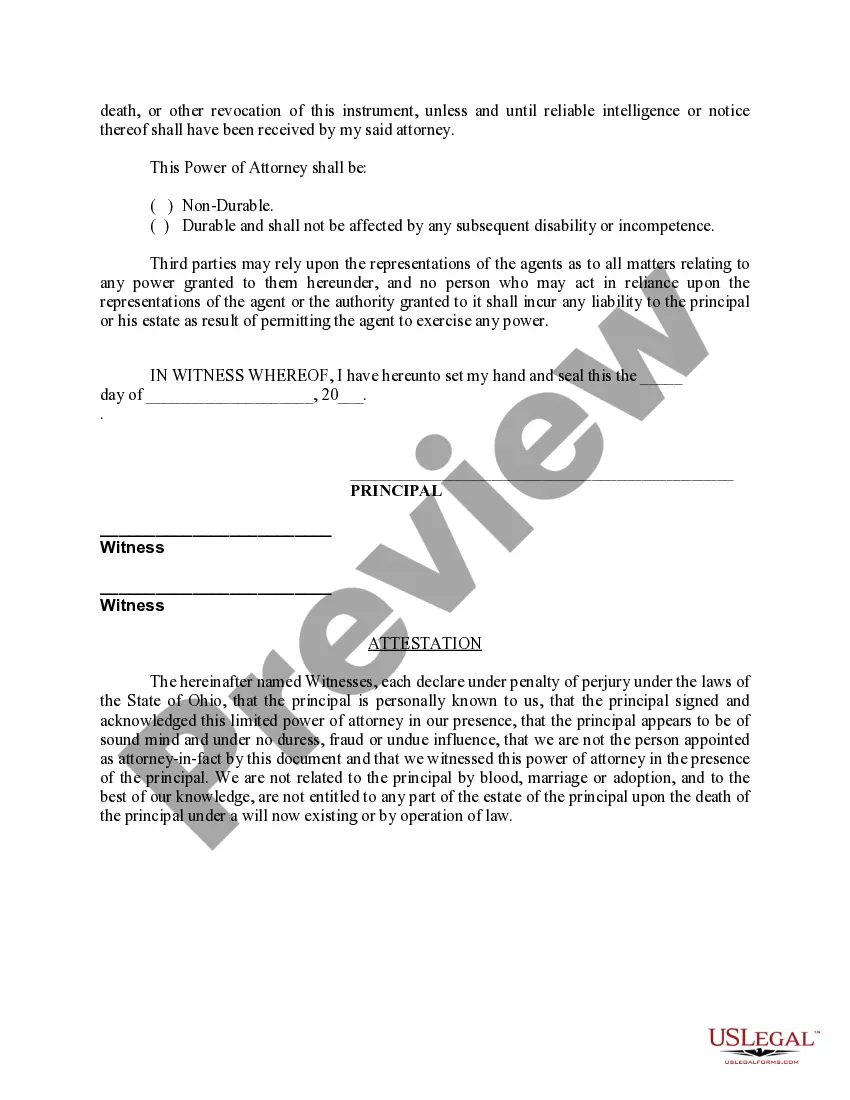
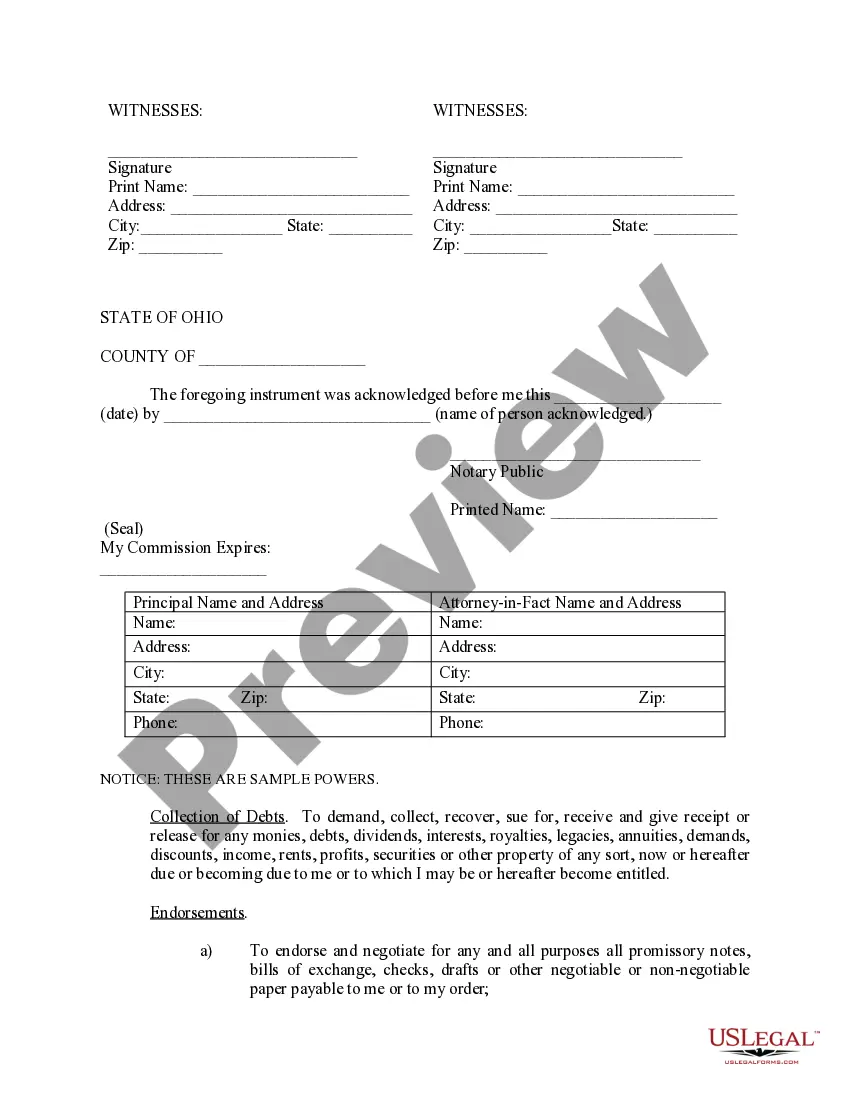

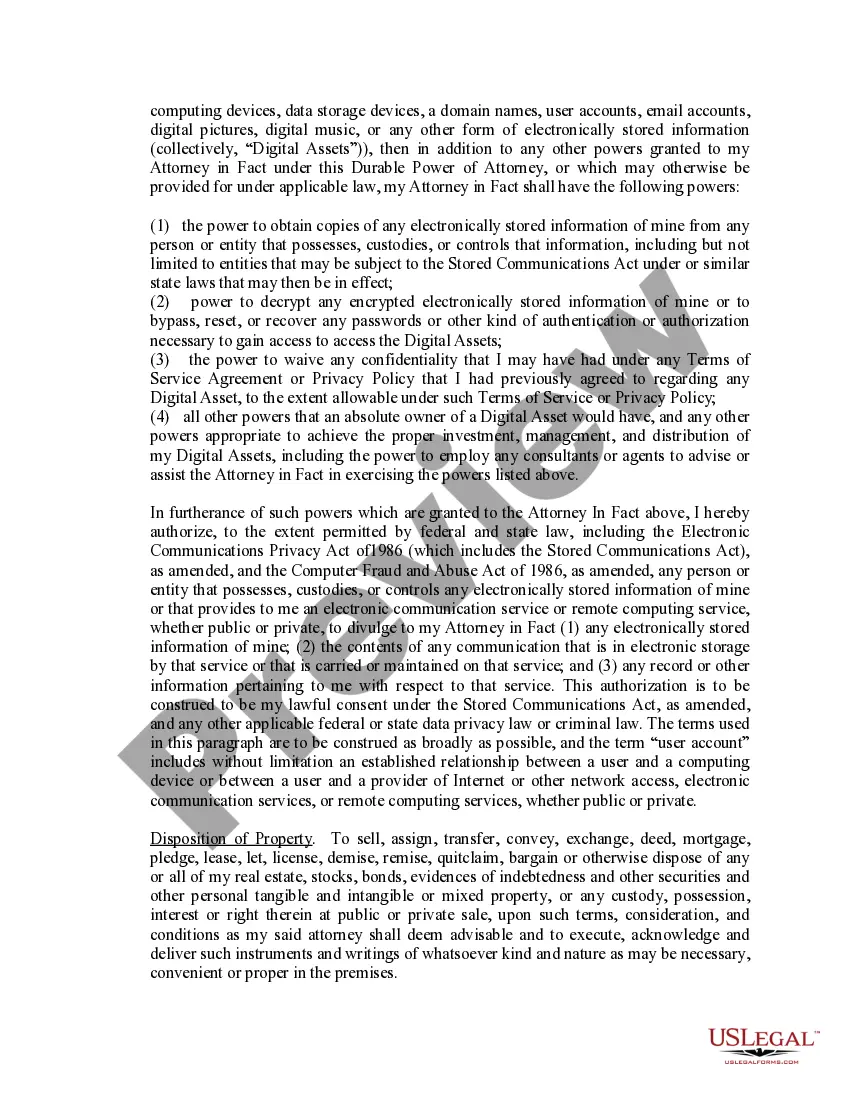

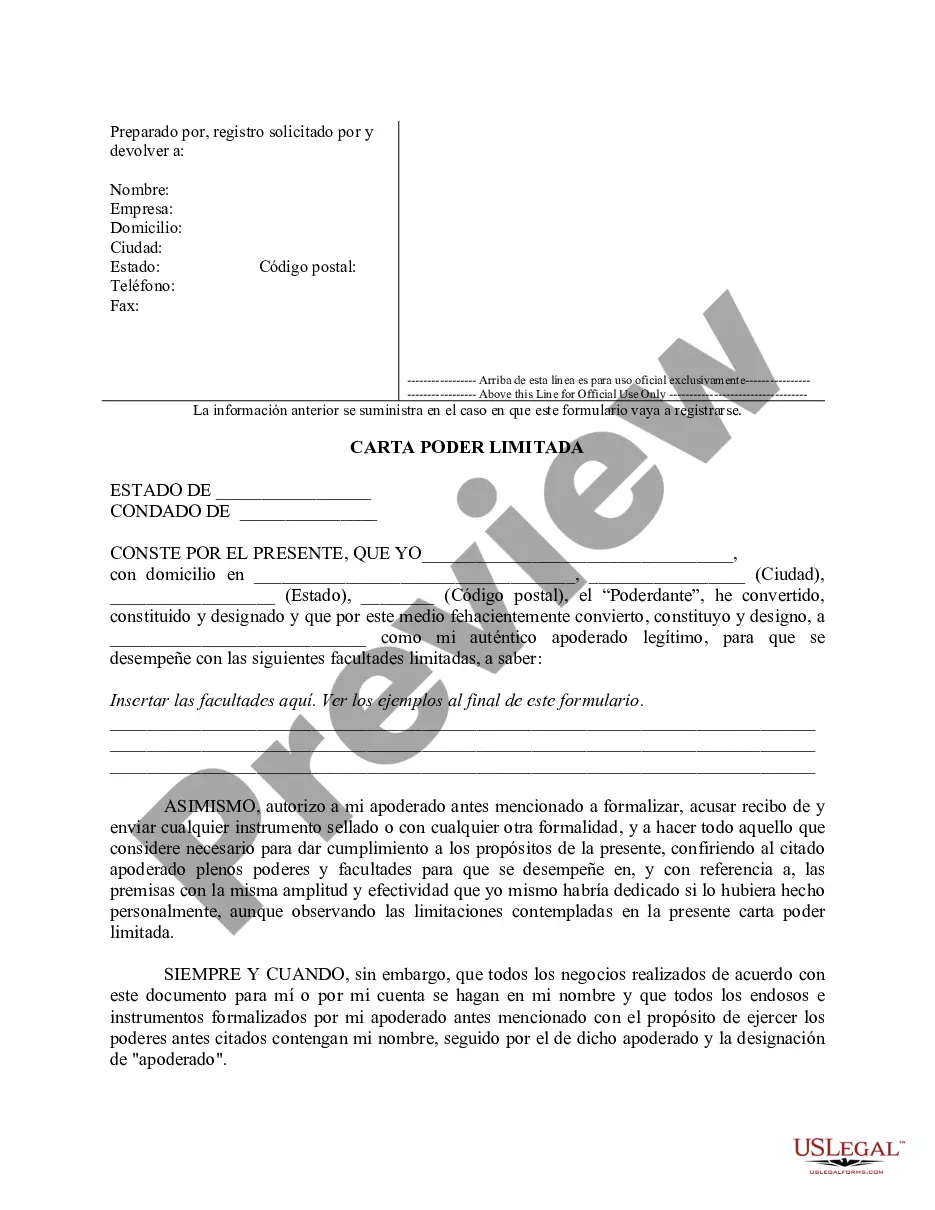
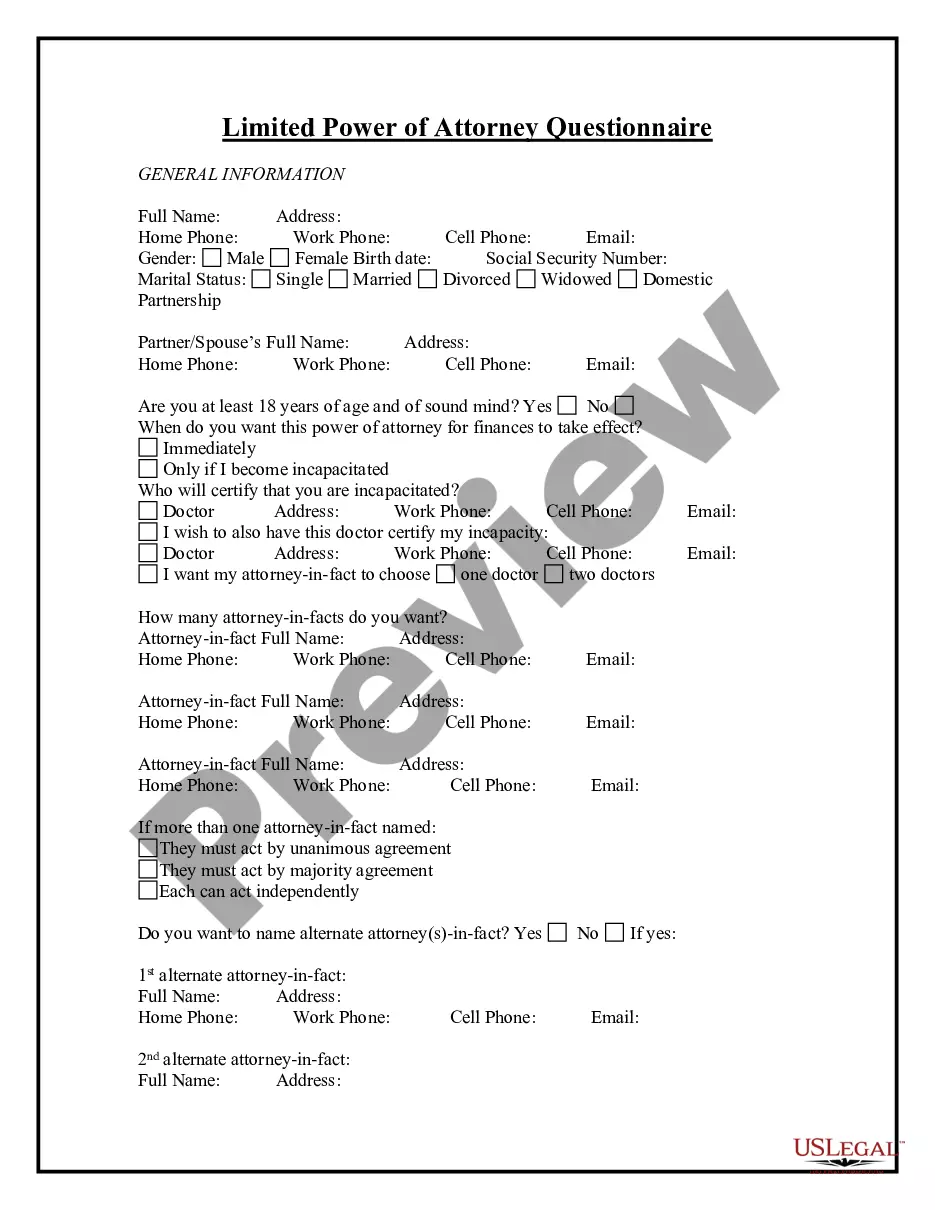
Get your form ready online
Our built-in tools help you complete, sign, share, and store your documents in one place.
Make edits, fill in missing information, and update formatting in US Legal Forms—just like you would in MS Word.
Download a copy, print it, send it by email, or mail it via USPS—whatever works best for your next step.
Sign and collect signatures with our SignNow integration. Send to multiple recipients, set reminders, and more. Go Premium to unlock E-Sign.
If this form requires notarization, complete it online through a secure video call—no need to meet a notary in person or wait for an appointment.
We protect your documents and personal data by following strict security and privacy standards.

Make edits, fill in missing information, and update formatting in US Legal Forms—just like you would in MS Word.

Download a copy, print it, send it by email, or mail it via USPS—whatever works best for your next step.

Sign and collect signatures with our SignNow integration. Send to multiple recipients, set reminders, and more. Go Premium to unlock E-Sign.

If this form requires notarization, complete it online through a secure video call—no need to meet a notary in person or wait for an appointment.

We protect your documents and personal data by following strict security and privacy standards.
Looking for another form?








How to fill out Ohio Limited Power Of Attorney Where You Specify Powers With Sample Powers Included?
- If you are a returning user, simply log in to your account and download your required form template by clicking the Download button. Ensure your subscription is active; if not, please renew it based on your current payment plan.
- For first-time users, start by previewing the form description to ensure it aligns with your requirements and local jurisdiction standards.
- If necessary, search for alternative templates using the Search feature if you notice any discrepancies. Select the appropriate form to move forward.
- Choose your document by clicking the Buy Now button, then select a subscription plan that suits your needs. Registration is mandatory for access to the document library.
- Complete your purchase by entering your payment details using a credit card or PayPal account.
- Once the transaction is finalized, download the form to your device. You can always find it later in the My Forms section of your account.
In conclusion, obtaining a power of attorney for property through US Legal Forms is straightforward and efficient. With numerous forms available and expert assistance at your fingertips, you can ensure your legal documents are accurate and compliant.
Start your journey today by visiting US Legal Forms and secure your power of attorney swiftly!
Form popularity
FAQ
While a power of attorney for property can offer great convenience, it does have some disadvantages. One primary concern is the potential for abuse, as someone with power of attorney can make financial decisions on your behalf. Additionally, if not properly established, it may not align with your actual wishes. Therefore, it is crucial to choose a trustworthy agent and consider consulting legal resources like US Legal Forms to create a strategy that protects your interests.
The easiest way to create a power of attorney for property is through a reliable online platform like US Legal Forms. You can find templates and guidance, allowing you to fill in necessary information without the hassle of legal jargon. This approach is user-friendly and ensures that your power of attorney meets all legal requirements. By using a professional service, you gain peace of mind knowing your documents are accurate and valid.
A power of attorney for property cannot make decisions that contradict the principal's wishes or legal rights. For example, you cannot change the principal's will or act in a way that benefits you personally at their expense. Engaging in self-dealing is prohibited. It's important to abide by ethical standards and legal guidelines to maintain trust and legitimacy in your role.
A power of attorney for property grants you authority over specific financial matters and decisions regarding the principal's property. This can include managing real estate, handling investments, and facilitating transactions. Your role is to manage these assets lawfully and ensure the principal's interests remain protected. It's crucial to understand the scope of your authority to avoid any confusion.
Being a power of attorney for property comes with significant responsibilities. You must act in the best interests of the principal, which can sometimes lead to conflicts. Mismanagement of the principal's assets could have legal consequences. Additionally, if you abuse your power, you may face legal action or a loss of trust.
In South Carolina, a power of attorney for property must be in writing and signed by the principal or an authorized person. The document must detail the powers conferred and should be witnessed by two individuals or notarized. It is essential to ensure all state laws are followed for the power of attorney to be effective and recognized.
To write a letter granting someone power of attorney, begin by drafting a formal document that includes your full name and the name of the person you are granting authority. Clearly outline the property-related powers you wish to delegate and any conditions they must follow. Remember to sign the document and have it witnessed and notarized to fulfill legal requirements.
Writing a power of attorney letter for property requires clarity and specificity. Start by identifying yourself and clearly stating the powers you wish to grant your agent. Include your agent's details and specify any limitations or specific tasks you want them to perform. Ensure that your signature is present and that the document is witnessed and notarized for legal validity.
A legal power of attorney for property does not allow an agent to make decisions regarding your healthcare, create or alter a will, or make decisions after your death. These decisions remain outside the scope of the power of attorney and often require separate legal documents, such as a living will or a will. It is important to understand these limitations when creating your power of attorney.
Choosing the right person to be your power of attorney for property is crucial. Ideally, this person should be someone you trust completely, such as a close family member or a close friend. It is helpful if they are familiar with your financial matters and can make decisions in your best interest, ensuring your wishes are honored.