Organ Donor Registry List
Description
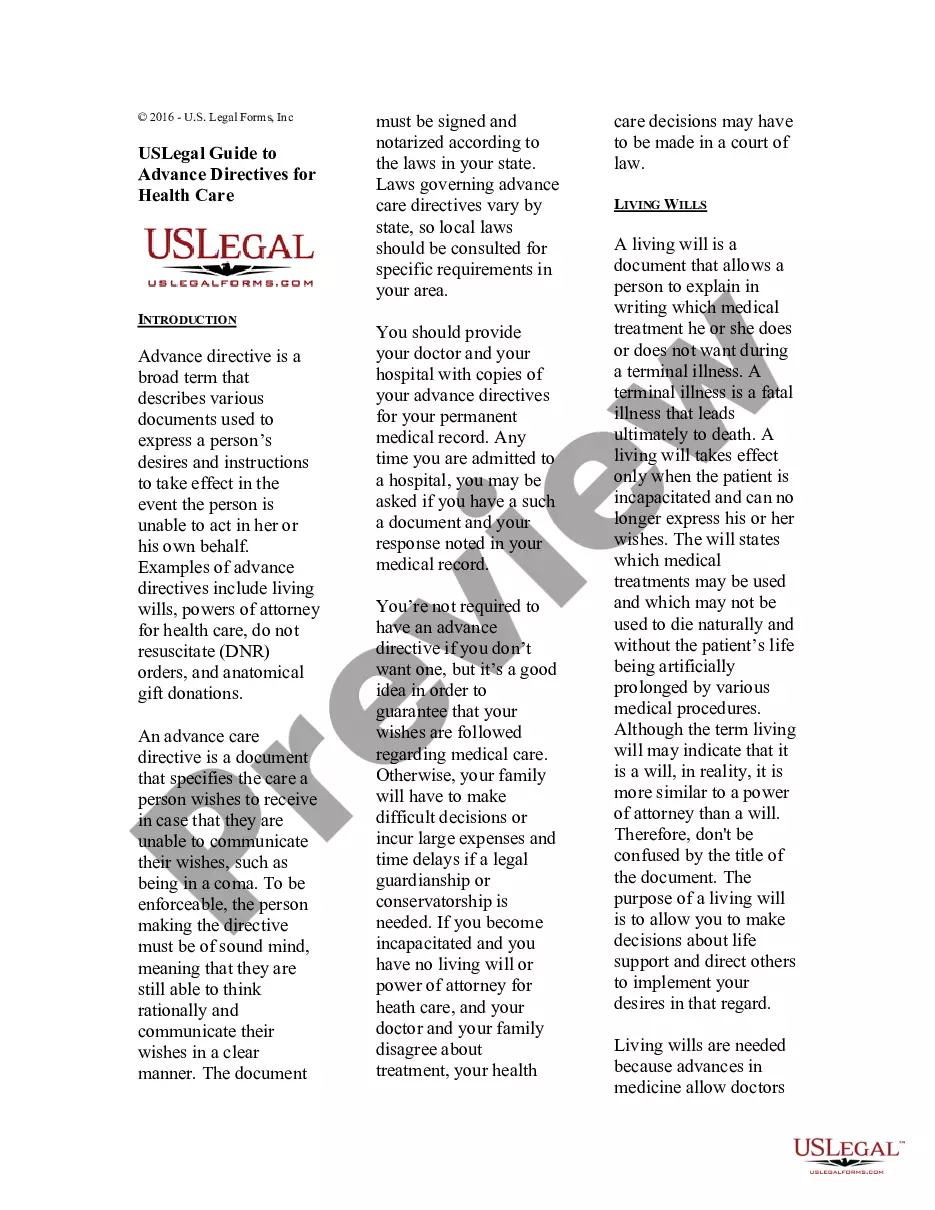
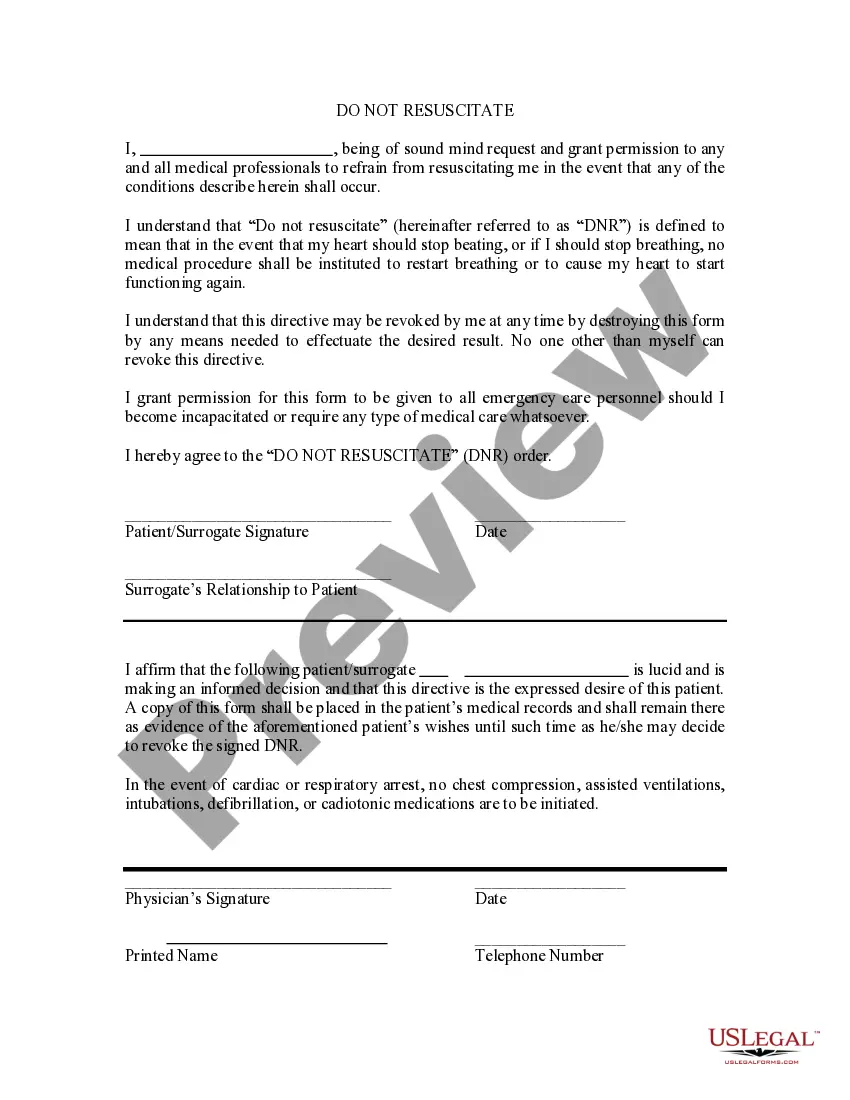
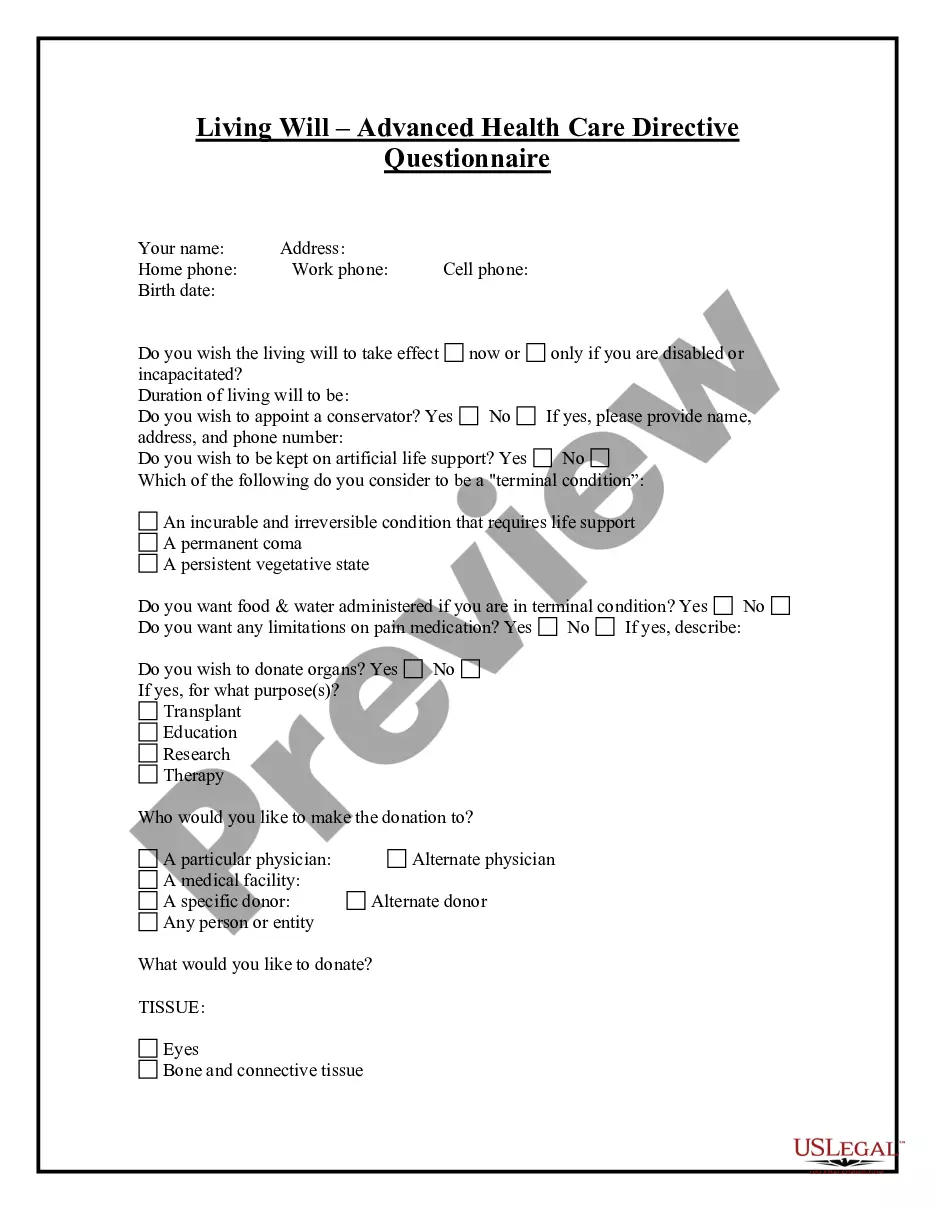
Get your form ready online
Our built-in tools help you complete, sign, share, and store your documents in one place.
Make edits, fill in missing information, and update formatting in US Legal Forms—just like you would in MS Word.
Download a copy, print it, send it by email, or mail it via USPS—whatever works best for your next step.
Sign and collect signatures with our SignNow integration. Send to multiple recipients, set reminders, and more. Go Premium to unlock E-Sign.
If this form requires notarization, complete it online through a secure video call—no need to meet a notary in person or wait for an appointment.
We protect your documents and personal data by following strict security and privacy standards.

Make edits, fill in missing information, and update formatting in US Legal Forms—just like you would in MS Word.

Download a copy, print it, send it by email, or mail it via USPS—whatever works best for your next step.

Sign and collect signatures with our SignNow integration. Send to multiple recipients, set reminders, and more. Go Premium to unlock E-Sign.

If this form requires notarization, complete it online through a secure video call—no need to meet a notary in person or wait for an appointment.

We protect your documents and personal data by following strict security and privacy standards.
Looking for another form?
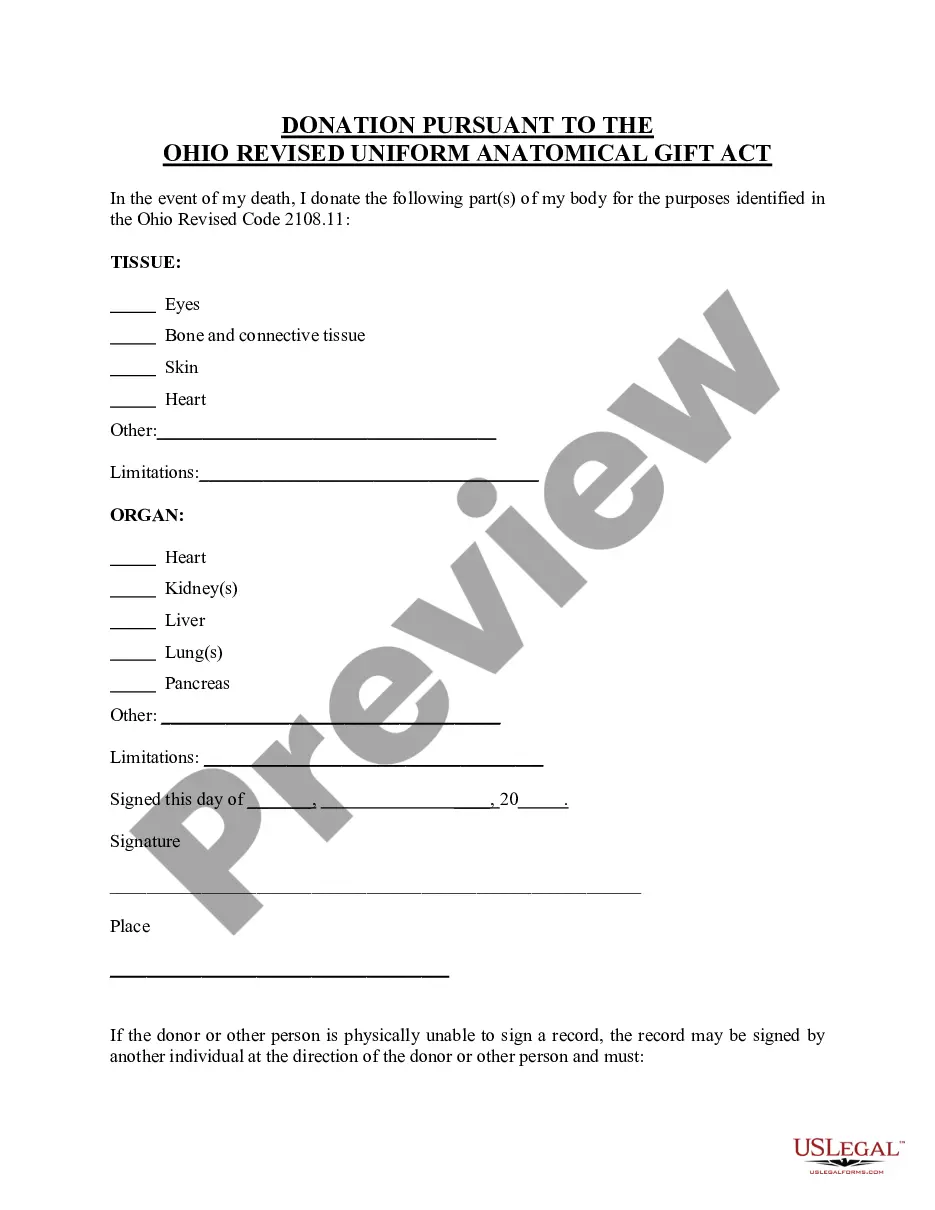
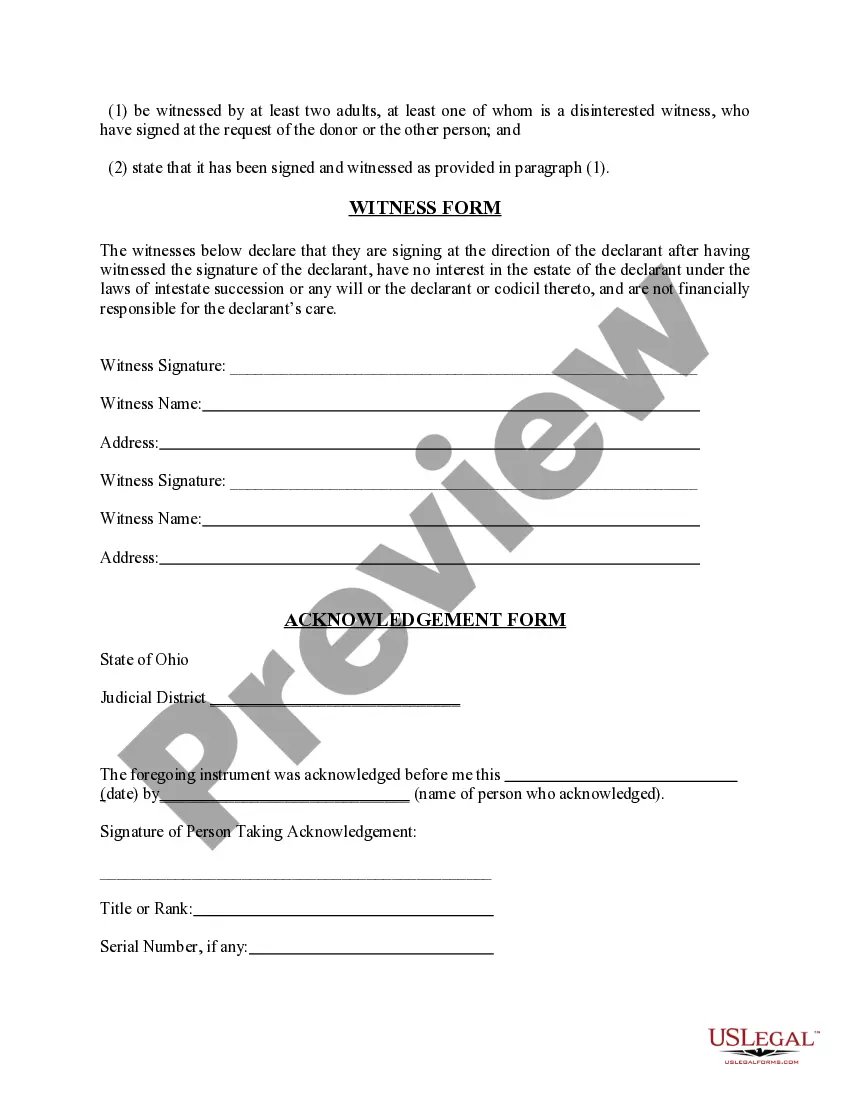
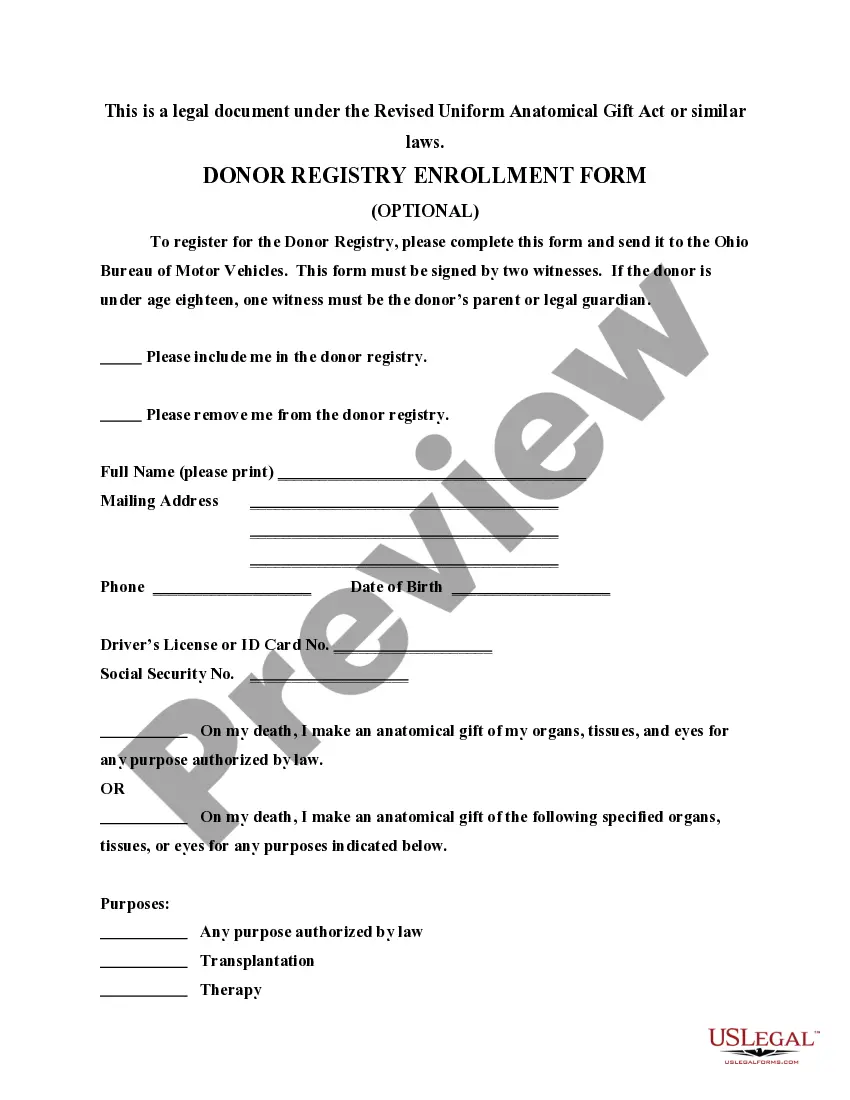
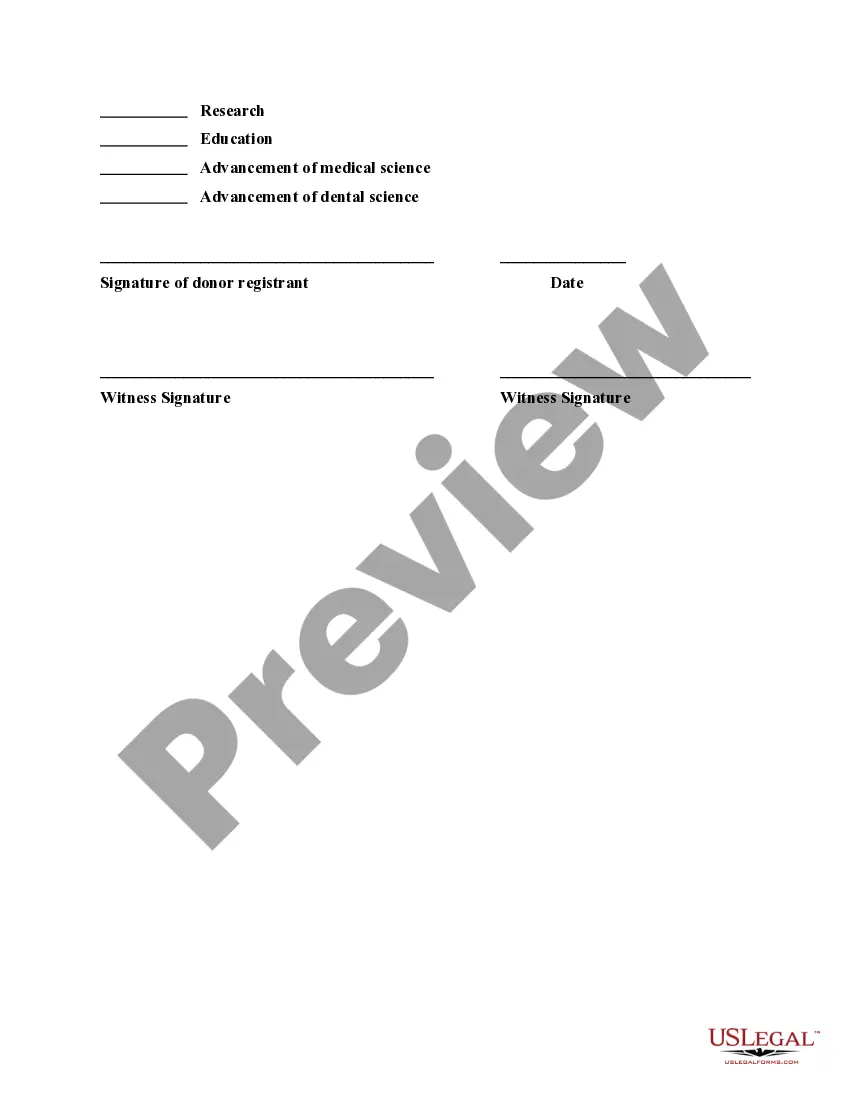
How to fill out Ohio Revised Uniform Anatomical Gift Act Donation With Donor Registry Enrollment Form?
Acquiring legal documents that adhere to federal and state regulations is crucial, and the web presents numerous choices to select from.
However, what’s the benefit of wasting effort searching for the suitable Organ Donor Registry List example online if the US Legal Forms digital library already contains such documents compiled in one location.
US Legal Forms is the largest online legal repository with over 85,000 fillable documents crafted by legal professionals for any business and personal need.
Review the template using the Preview feature or through the text outline to confirm it satisfies your needs.
- They are easy to navigate with all files categorized by state and intended use.
- Our experts stay informed on legal updates, ensuring that your form is current and compliant when acquiring an Organ Donor Registry List from our site.
- Getting an Organ Donor Registry List is quick and straightforward for both existing and new users.
- If you already possess a valid subscription account, Log In and save the document sample you need in the desired format.
- If you are new to our website, follow the steps below.
Form popularity
FAQ
Requirements to be an organ donor generally include being of a certain age and having the capacity to give consent. Each state may have specific guidelines, so it's important to review your local organ donor registry list. Additionally, maintaining good health can enhance your chances of being eligible to donate, ensuring your life-saving gifts can be realized.
Several factors may disqualify you as an organ donor, including certain medical conditions or infectious diseases. Age may also play a role; however, many older individuals can still donate organs. It is always best to consult with medical professionals or review guidelines on the organ donor registry list to understand your eligibility.
To check the organ donor registry, you can visit your state's organ donation website. Most states provide a simple online tool where you can enter your information to verify your status. This step is essential for ensuring you are listed correctly on the organ donor registry list, allowing you to confirm your decision and help save lives.
To be listed as an organ donor, you can register online through your state's organ donor registry. Simply visit the official website, fill out the necessary information, and confirm your decision. You may also choose to indicate your donor status on your driver's license. This process ensures your name appears on the organ donor registry list, making your wishes known.
To check your organ donor status, start by visiting the organ donor registry list specific to your state. This resource often allows you to input personal details to retrieve your information. If you have difficulty accessing the online registry, consider reaching out to local health agencies or organizations that handle organ donation for assistance.
In the United States, you are not automatically placed on the organ donor registry list. You need to actively register, typically through your state’s organ donation program or when you apply for or renew your driver's license. It's essential to take this step if you wish to be an organ donor, as it ensures your wishes are respected.
You can confirm your organ donor status by checking the organ donor registry list in your state. Each state maintains a database where you can look up your registration. Additionally, if you signed up through the DMV, you can verify your status by reviewing your driver's license or identification card, which may indicate your donor status.
To check if you are on the organ donor registry list, visit your state's official organ donation website. Most states offer an online tool where you can enter your information to verify your status. If you prefer, you can also contact your local Department of Motor Vehicles, as they often keep records of organ donor registrations.
Filling out an organ donation form online is simple and efficient. You can visit your state’s organ donor registry site or use USLegalForms for a user-friendly experience. Ensure that you have your personal information ready, complete the form, and submit it electronically. This process guarantees that you are officially recorded on the organ donor registry list.
To confirm your status as an organ donor, check the organ donor registry list in your state. You can do this online or by contacting your local health department. If you find that you are not listed, you can easily register through platforms like USLegalForms, ensuring your wishes are honored.