Ohio Family Trust Forms
Description
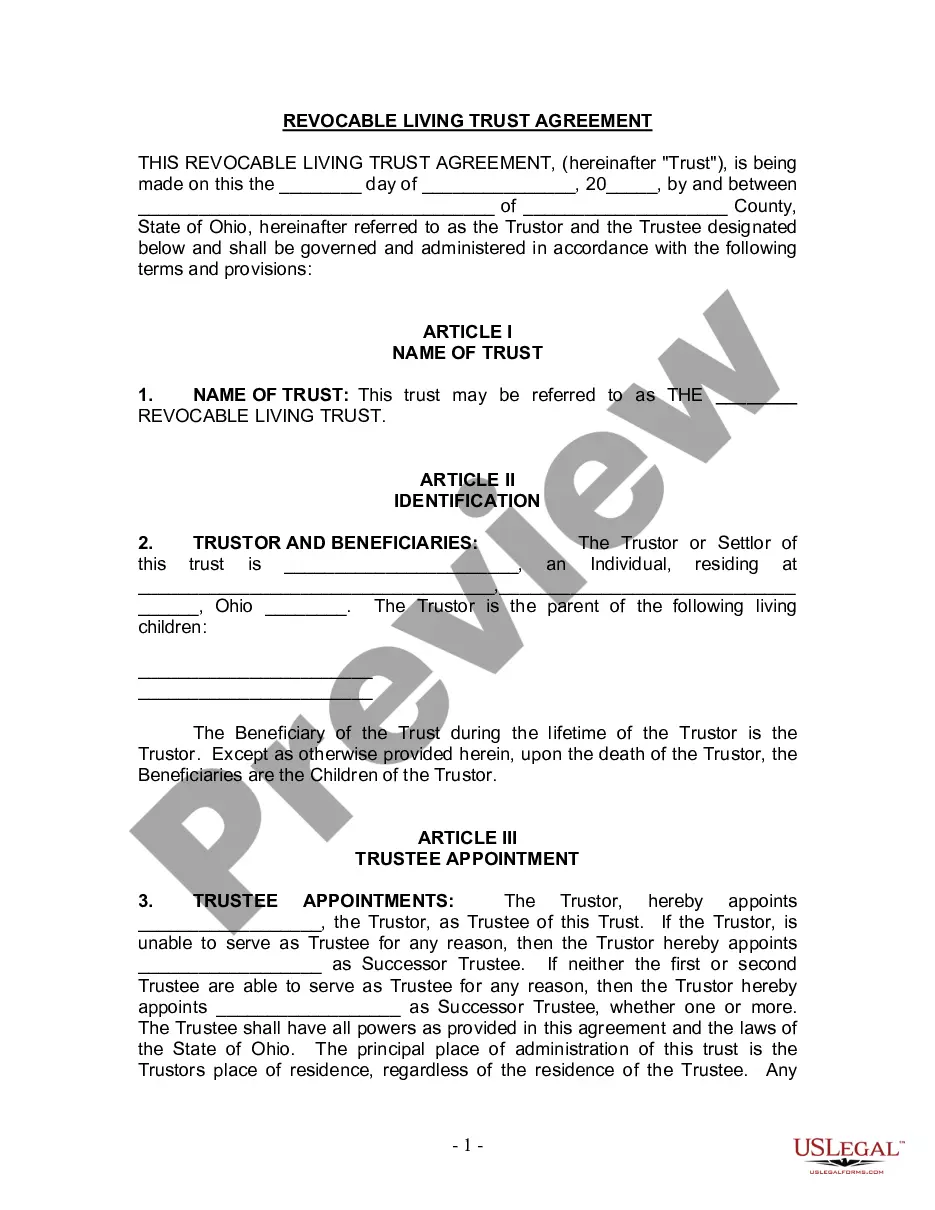
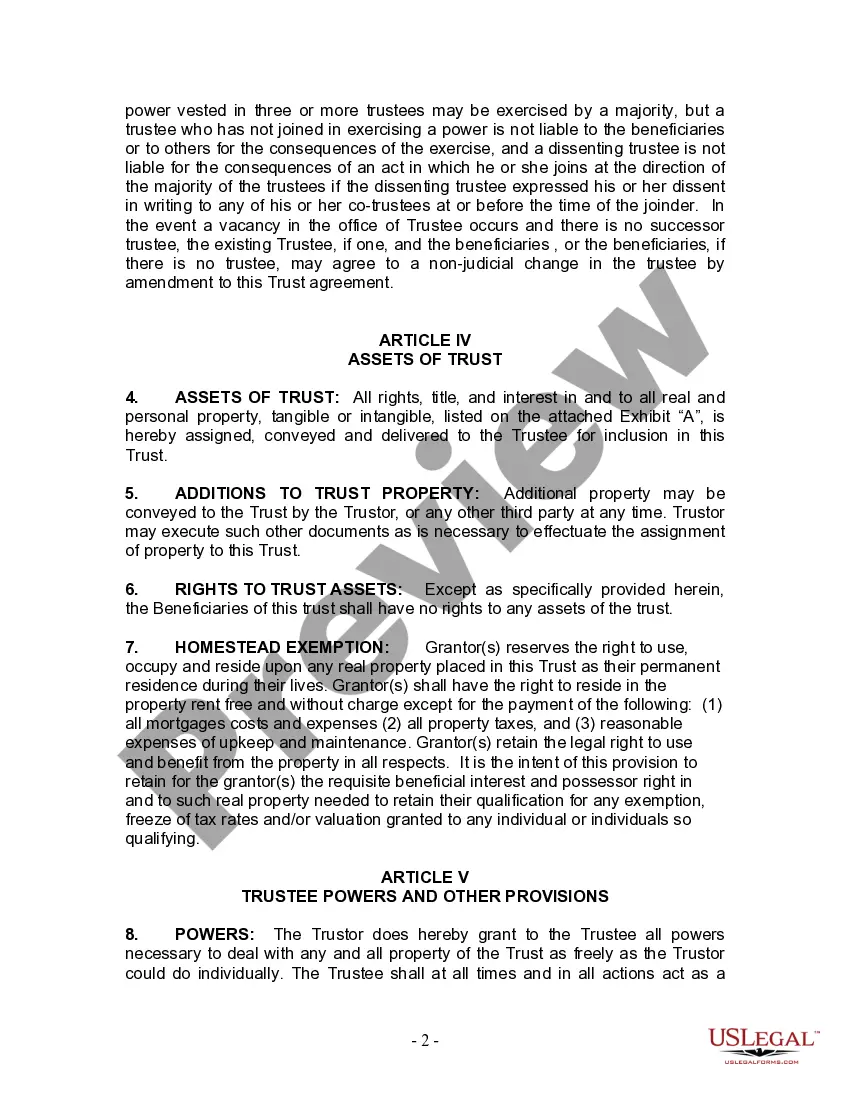
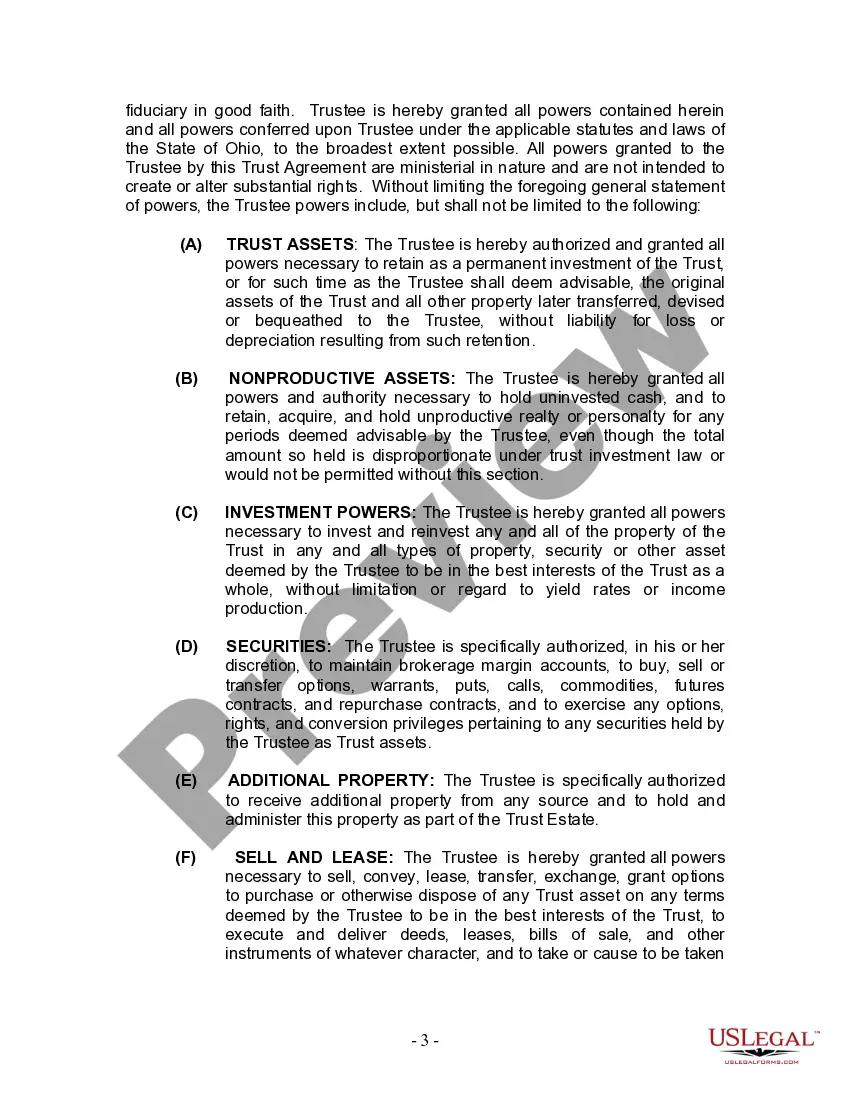
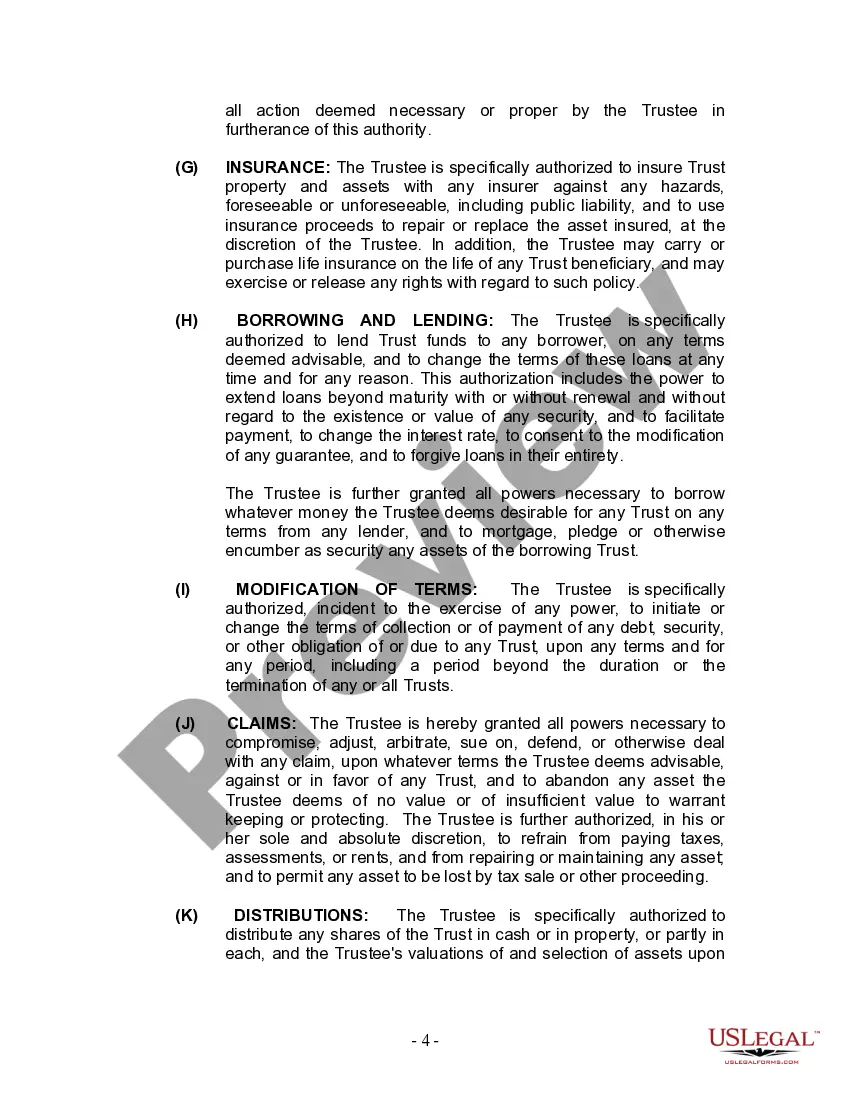



Get your form ready online
Our built-in tools help you complete, sign, share, and store your documents in one place.
Make edits, fill in missing information, and update formatting in US Legal Forms—just like you would in MS Word.
Download a copy, print it, send it by email, or mail it via USPS—whatever works best for your next step.
Sign and collect signatures with our SignNow integration. Send to multiple recipients, set reminders, and more. Go Premium to unlock E-Sign.
If this form requires notarization, complete it online through a secure video call—no need to meet a notary in person or wait for an appointment.
We protect your documents and personal data by following strict security and privacy standards.

Make edits, fill in missing information, and update formatting in US Legal Forms—just like you would in MS Word.

Download a copy, print it, send it by email, or mail it via USPS—whatever works best for your next step.

Sign and collect signatures with our SignNow integration. Send to multiple recipients, set reminders, and more. Go Premium to unlock E-Sign.

If this form requires notarization, complete it online through a secure video call—no need to meet a notary in person or wait for an appointment.

We protect your documents and personal data by following strict security and privacy standards.
Looking for another form?








Form popularity
FAQ
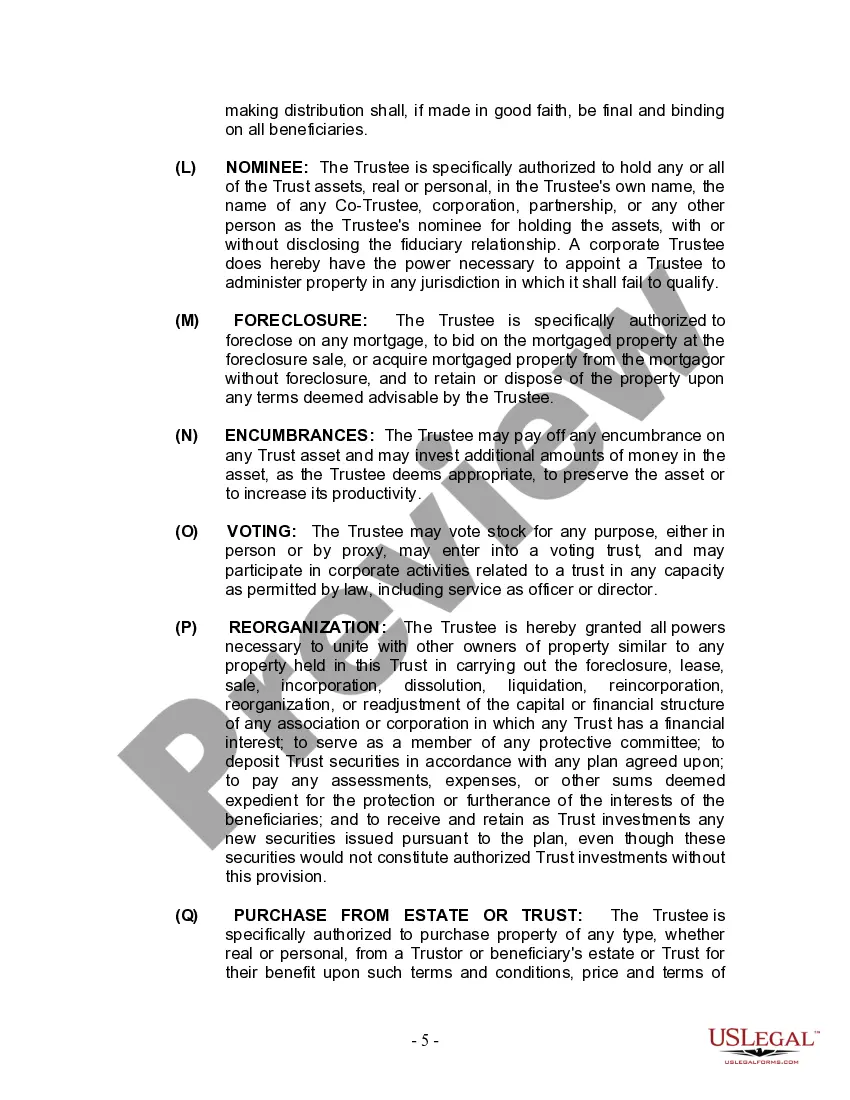
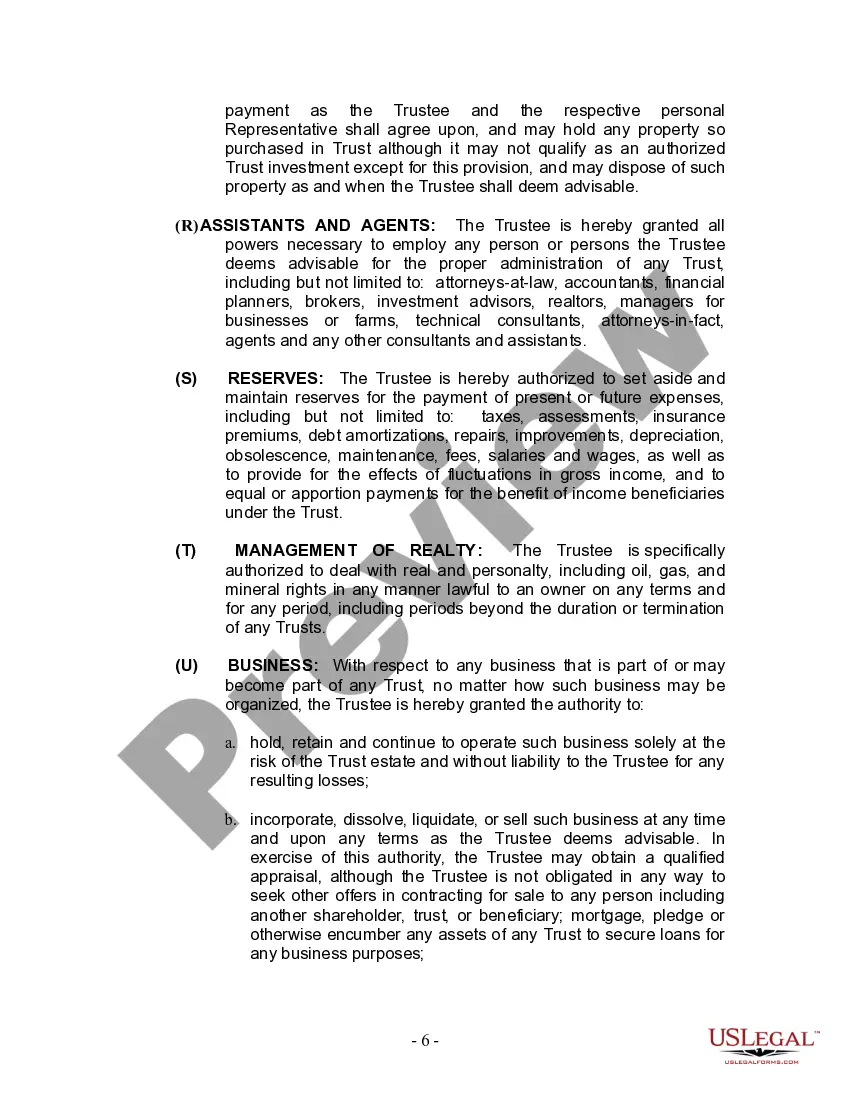
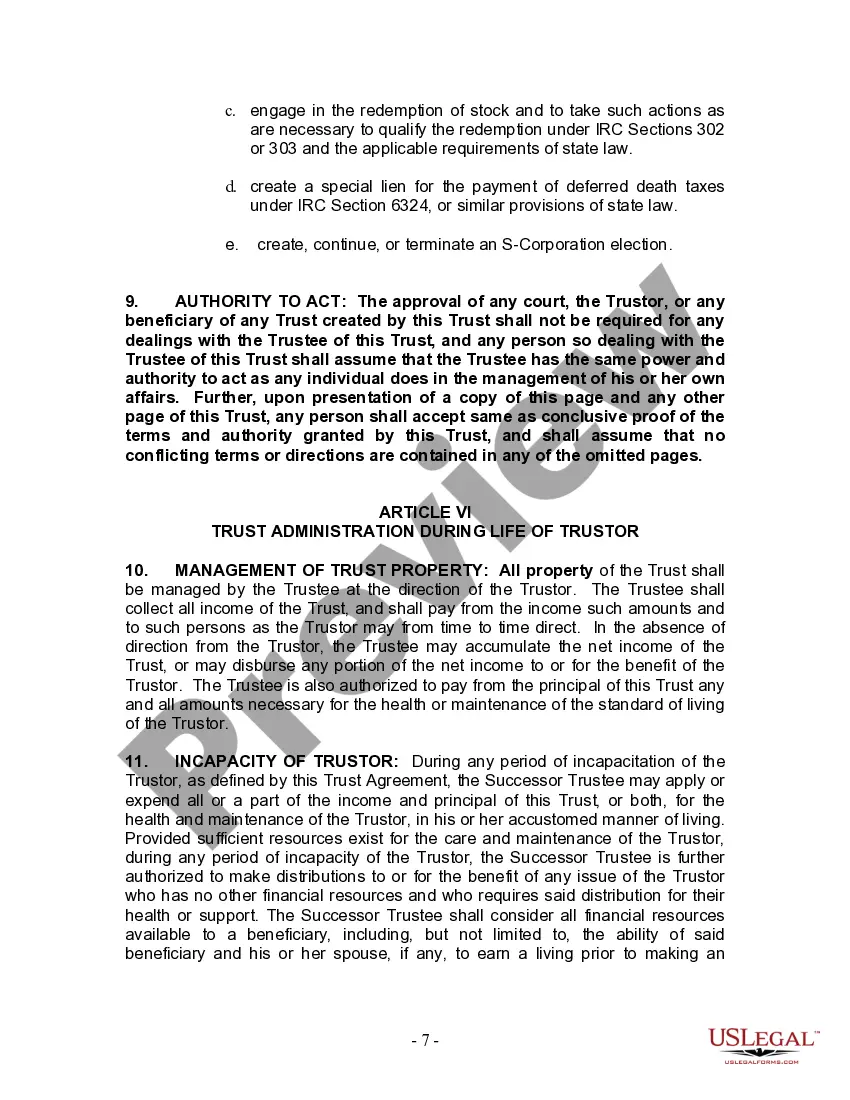
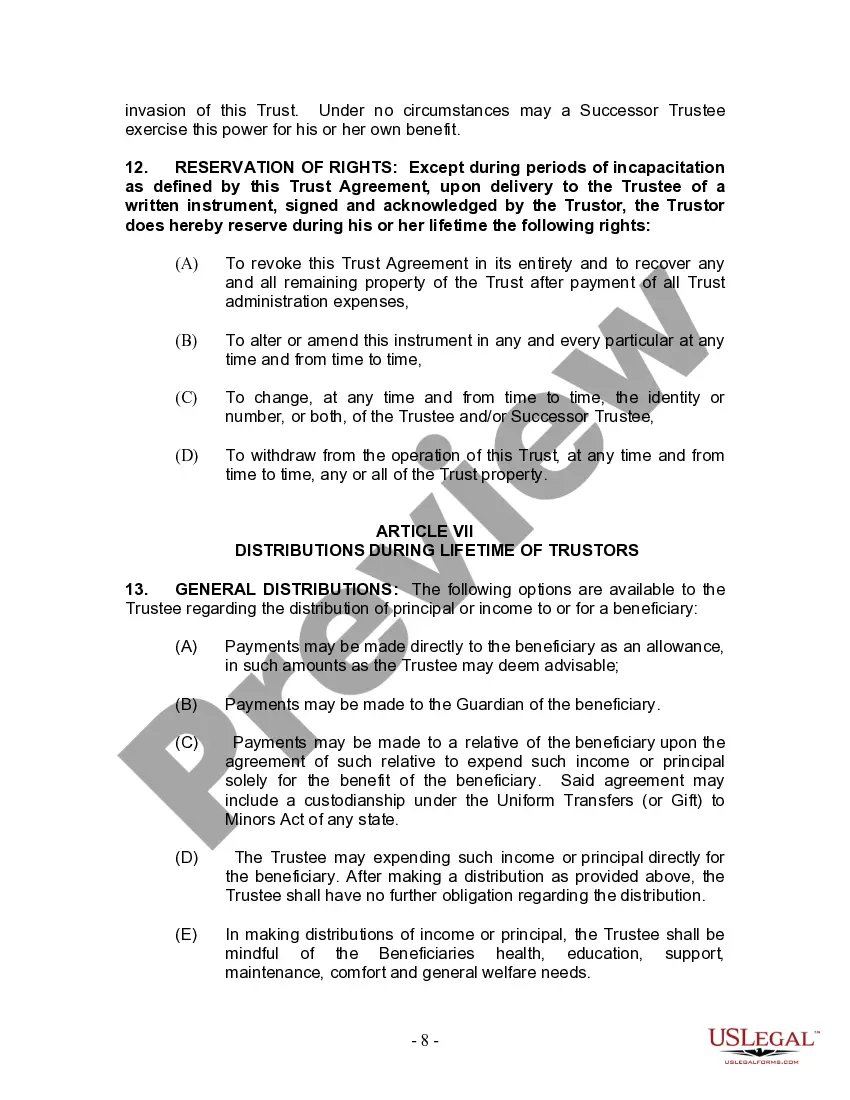
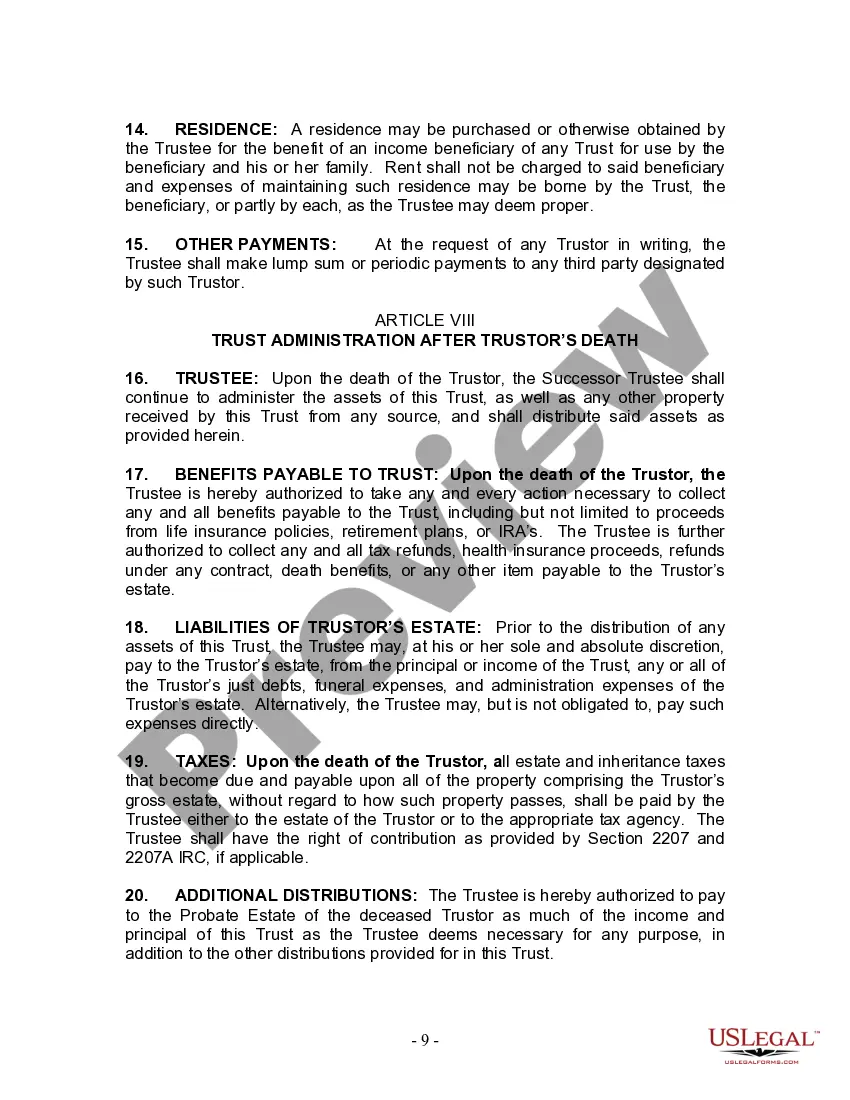
Setting up a family trust in Ohio begins with choosing the right Ohio family trust forms that suit your needs. You should determine what assets you want to transfer into the trust and appoint a trustee who will manage those assets. Once you complete the necessary forms, it's essential to sign them before a notary. After that, you should fund the trust by transferring ownership of your assets, ensuring everything is documented correctly.
You certainly can write your own trust in Ohio. By creating your own document using Ohio family trust forms, you have the flexibility to specify your wishes clearly. However, it is advisable to understand the legal framework governing trusts in Ohio to avoid any pitfalls. US Legal Forms can assist you in this endeavor by providing templates that guide you through the creation process, ensuring that your trust is valid and tailored to your needs.
To be valid in Ohio, a trust must meet specific criteria outlined in state law. First, there has to be a clear intent to create a trust, and it must have a lawful purpose. Additionally, the trust must have identifiable beneficiaries and be executed according to legal requirements, such as being in writing and signed by the grantor. Using Ohio family trust forms from services like US Legal Forms can help streamline this process and ensure compliance.
Yes, you can write your own trust in Ohio by using Ohio family trust forms. However, it is essential to follow state laws and ensure that your document meets all legal requirements. You might find it easier and more secure to use a platform like US Legal Forms, which provides customizable templates to help you create a valid trust. By utilizing their forms, you minimize the risk of errors and ensure your trust complies with Ohio regulations.
The specific form needed to file a trust can vary based on the trust's nature and purpose. Generally, you will need to use Ohio family trust forms designated for either revocable or irrevocable trusts. It's crucial to select the correct form to ensure your trust is legally recognized. Utilizing platforms like US Legal Forms can simplify this process by providing the necessary templates.
To file a trust in Ohio, you'll begin by gathering the required Ohio family trust forms. After completing these documents, you will need to ensure they are signed and witnessed as per legal requirements. Depending on your trust type, you may also have to register the trust with the county recorder. Make sure to keep a copy for your records to address any future matters.
Setting up a trust in Ohio involves a few essential steps. First, you should determine the type of trust that suits your needs, whether revocable or irrevocable. Then, complete the necessary Ohio family trust forms, which outline the terms and conditions of your trust. Finally, consider working with a legal professional to ensure everything is in order.
Filing taxes for a family trust requires specific forms, depending on the trust's structure. Typically, a revocable trust might not need a separate tax ID, while an irrevocable trust usually will. You will need to complete the appropriate Ohio family trust forms and report any income generated by the trust. Consulting a tax professional can help ensure compliance and accuracy.
Many parents overlook the importance of clearly defining their wishes when establishing a trust fund. They often assume that family members will automatically understand their intentions. Additionally, failing to review and update Ohio family trust forms regularly can lead to issues down the line. It's essential to communicate effectively and keep your documents current.
One potential downside of a family trust is the initial setup costs and ongoing administration fees. While Ohio family trust forms simplify the creation process, maintaining and managing the trust may require professional assistance, which can add to expenses. Moreover, transferring assets into a trust may impact your eligibility for certain public benefits. It’s essential to weigh these factors against the long-term benefits.
