Transfer On Death Designation Without Death Certificate
Description

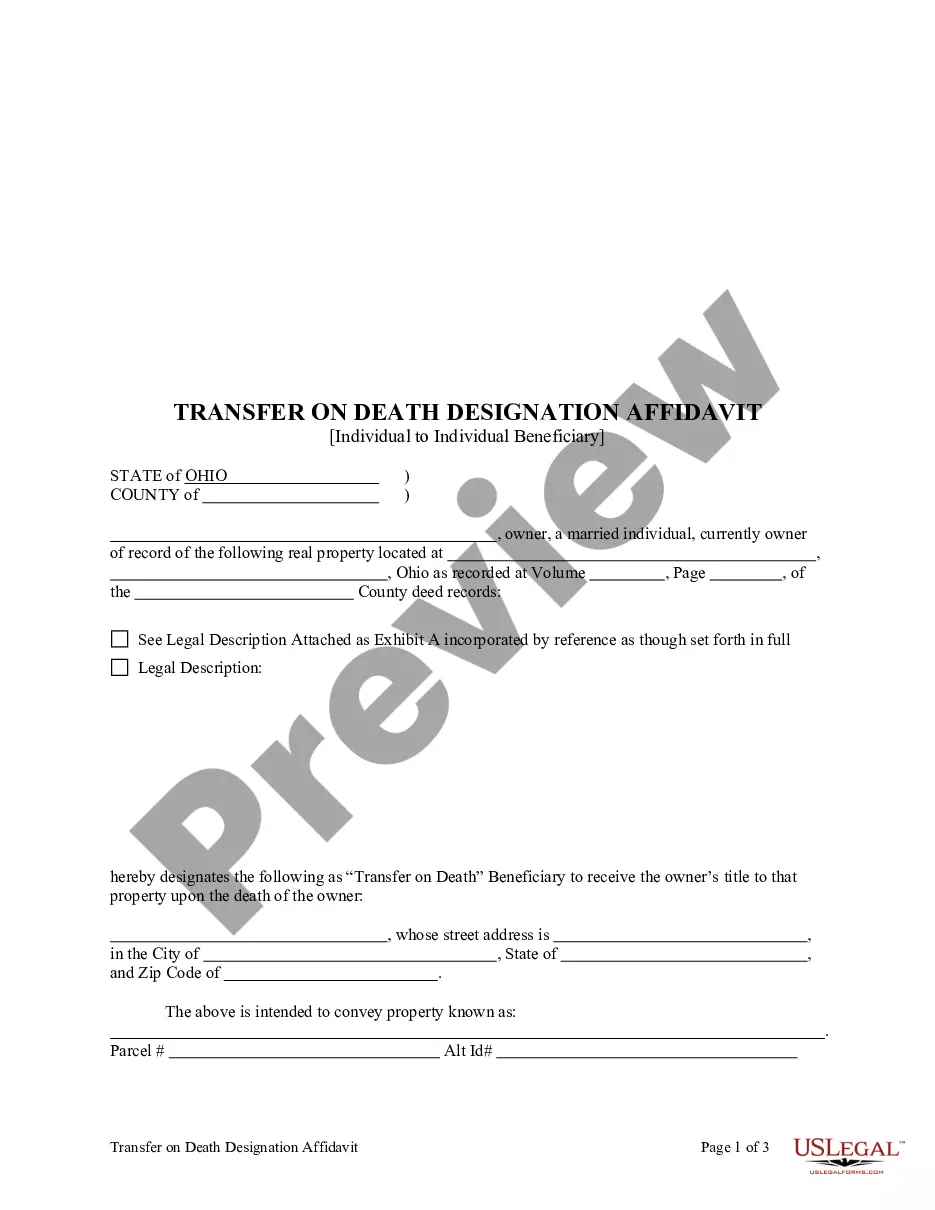
Get your form ready online
Our built-in tools help you complete, sign, share, and store your documents in one place.
Make edits, fill in missing information, and update formatting in US Legal Forms—just like you would in MS Word.
Download a copy, print it, send it by email, or mail it via USPS—whatever works best for your next step.
Sign and collect signatures with our SignNow integration. Send to multiple recipients, set reminders, and more. Go Premium to unlock E-Sign.
If this form requires notarization, complete it online through a secure video call—no need to meet a notary in person or wait for an appointment.
We protect your documents and personal data by following strict security and privacy standards.

Make edits, fill in missing information, and update formatting in US Legal Forms—just like you would in MS Word.

Download a copy, print it, send it by email, or mail it via USPS—whatever works best for your next step.

Sign and collect signatures with our SignNow integration. Send to multiple recipients, set reminders, and more. Go Premium to unlock E-Sign.

If this form requires notarization, complete it online through a secure video call—no need to meet a notary in person or wait for an appointment.

We protect your documents and personal data by following strict security and privacy standards.
Looking for another form?






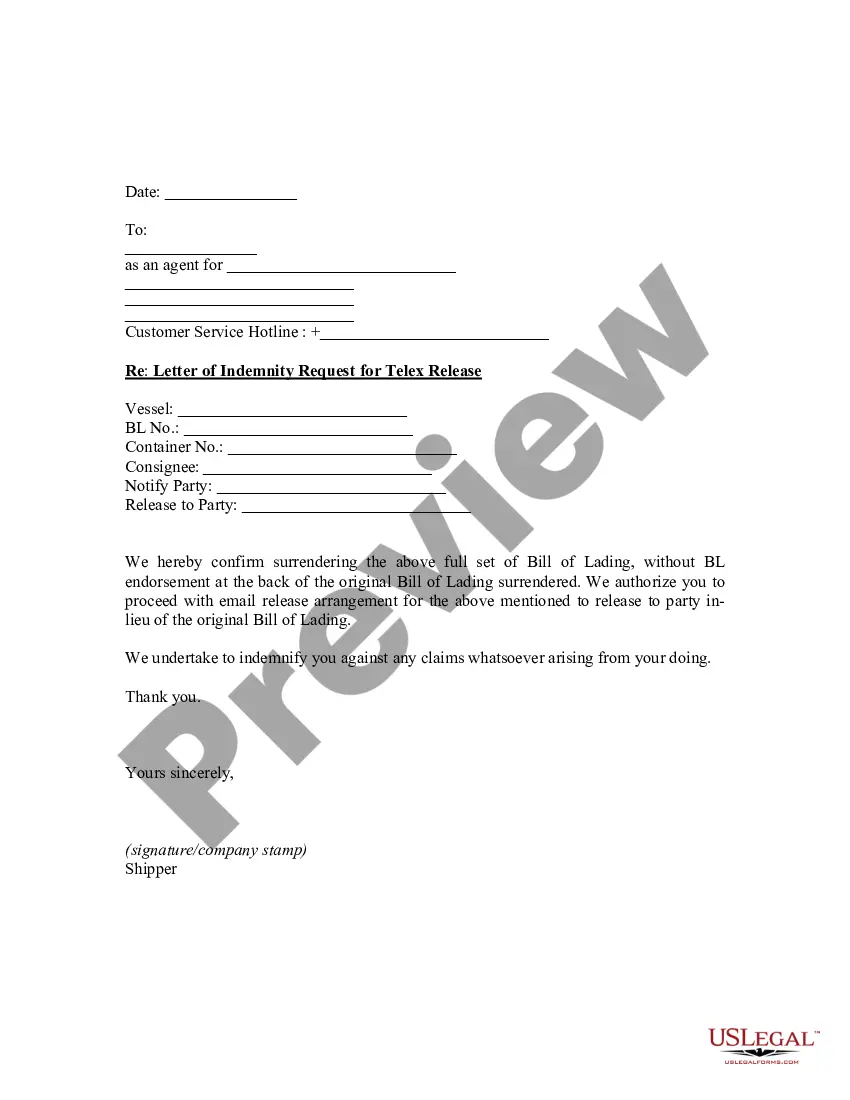



How to fill out Ohio Transfer On Death Designation Affidavit - TOD From Individual To A Trust?
Securing legal documents that align with federal and local regulations is crucial, and the internet provides numerous options to select from.
However, what's the use of squandering time searching for the appropriate Transfer On Death Designation Without Death Certificate template online, when the US Legal Forms digital library already compiles such documents in one location.
US Legal Forms is the largest online legal repository with more than 85,000 editable templates crafted by attorneys for any business and personal scenario.
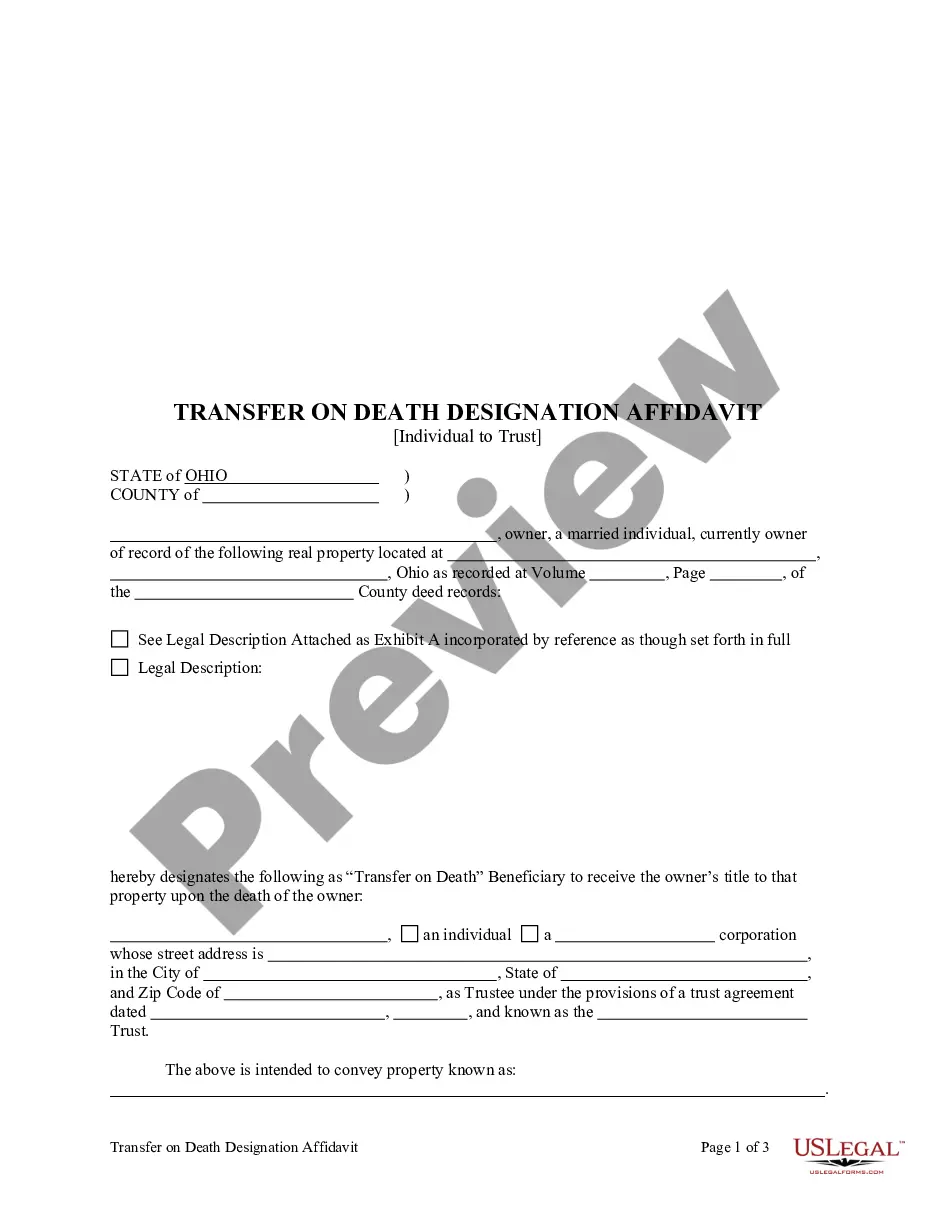
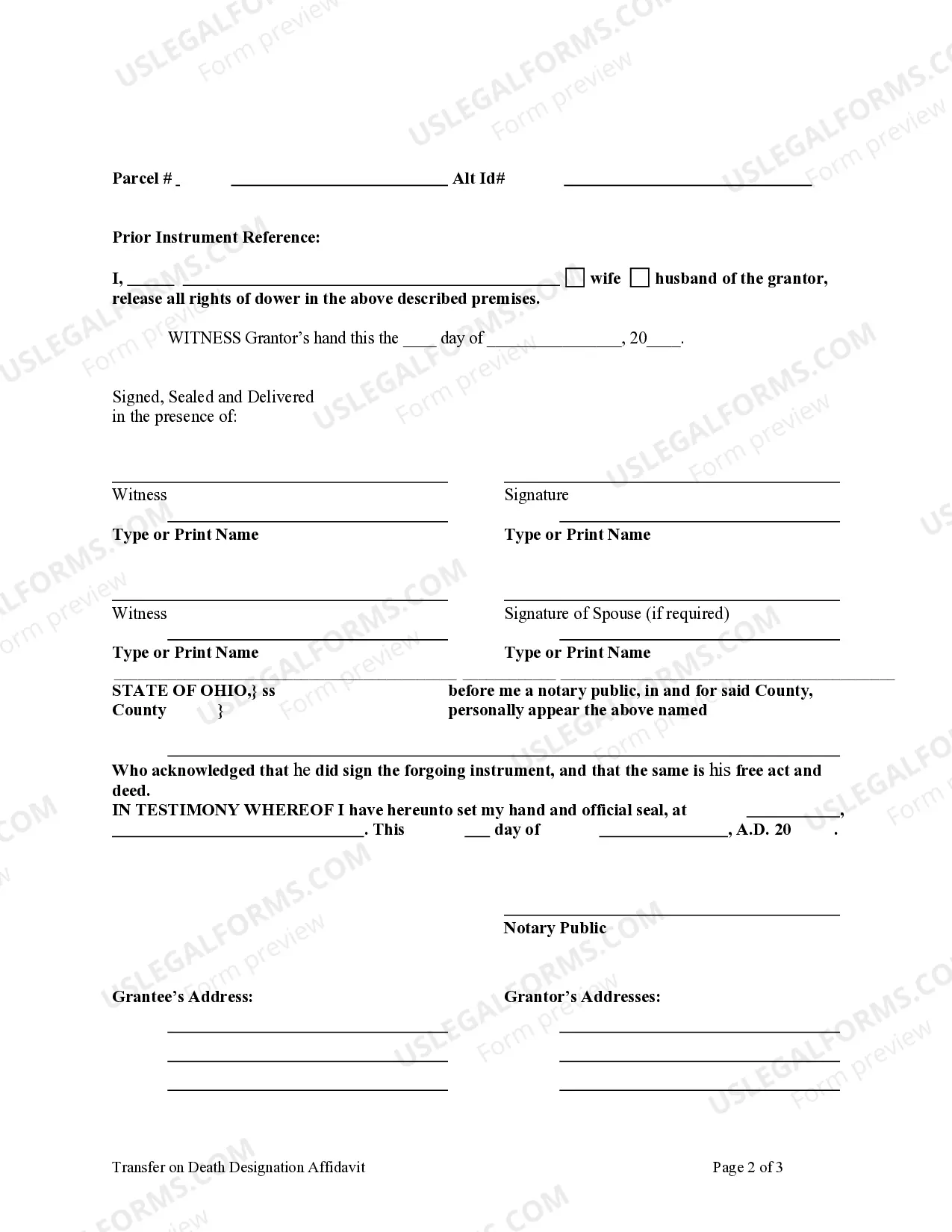
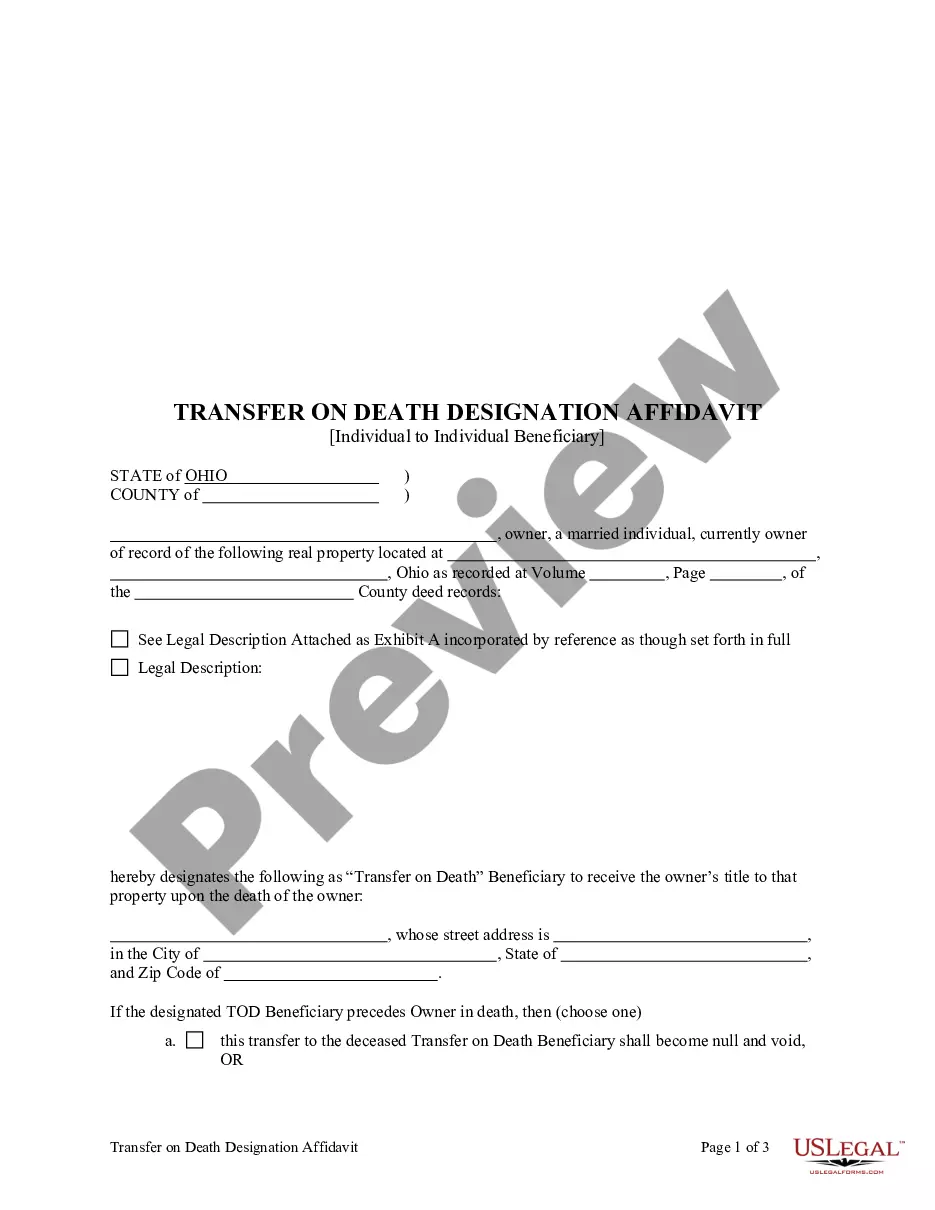
Review the template using the Preview option or through the text outline to ensure it meets your needs.
- They are easy to navigate with all documents organized by state and intended use.
- Our experts remain updated with legal changes, ensuring that your form is always current and compliant when obtaining a Transfer On Death Designation Without Death Certificate from our platform.
- Acquiring a Transfer On Death Designation Without Death Certificate is straightforward and quick for both existing and new clients.
- If you already possess an account with an active subscription, Log In and retrieve the document sample you need in your desired format.
- For new visitors to our site, please follow the steps below.
Form popularity
FAQ
Filling out a transfer on a death deed requires attention to detail and accuracy. Start by gathering the necessary information about the property and the beneficiary's details. After entering the required information, ensure the document is properly signed and notarized. If you prefer a straightforward approach, consider using USLegalForms, which provides comprehensive resources for completing the deed correctly.
To fill out a transfer on death deed, begin by clearly identifying the property involved and the beneficiaries. Make sure to provide all required information, including legal descriptions and names. You will also need to sign the document in front of a notary public to ensure its validity. For those unfamiliar with the process, USLegalForms offers easy-to-follow instructions and templates to assist you.
While it's not mandatory to hire a lawyer to file a transfer on death deed, doing so can provide valuable guidance. A lawyer can help ensure that the paperwork meets all legal requirements, minimizing the risk of errors. This is especially important if you want to avoid complications related to a transfer on death designation without a death certificate. Using a platform like USLegalForms can simplify the process with user-friendly templates.
One disadvantage of a transfer on death designation without a death certificate is that it may complicate the transfer process for your heirs. If the designated beneficiary lacks proper documentation, they might face delays in receiving the assets. Additionally, some states have specific rules that could limit the effectiveness of the transfer. It's important to consult with a legal professional to understand these nuances.
You do not necessarily need a lawyer to file a transfer-on-death deed, especially if you feel comfortable navigating the process on your own. Many individuals successfully complete this task using resources available through platforms like USLegalForms, which offer comprehensive support. However, if you have specific questions or complex situations, consulting with a lawyer can provide peace of mind and ensure your transfer on death designation is executed correctly.
Yes, you can create a transfer on death designation by yourself. Many people choose to handle this process independently using resources like USLegalForms, which provide easy-to-follow instructions and customizable templates. By taking this route, you can save on legal fees while ensuring your property goes directly to your chosen beneficiary without the need for a death certificate. Just make sure to follow your state's guidelines for validity.
To obtain a transfer on death designation without a death certificate, you need to complete a transfer-on-death deed. This legal document allows you to designate a beneficiary who will receive your property upon your passing, bypassing the probate process. You can find templates and guidance on platforms like USLegalForms to ensure your deed meets legal requirements. Once completed, file the deed with your local recorder's office to make it official.
While you are not required to hire a lawyer for a transfer on death deed, consulting one can be beneficial, especially if your estate is complex. Many individuals successfully complete the process on their own, particularly when using resources like US Legal Forms. They provide the necessary templates and instructions for creating a transfer on death designation without death certificate. This can save time and reduce potential legal issues in the future.
Yes, you can establish a transfer on death deed in Washington state. This allows you to designate a beneficiary for your property, which can be transferred upon your death without the need for probate. The process requires you to complete the appropriate forms and file them with the county recorder. US Legal Forms can guide you through the requirements specific to Washington, making it easier to navigate the legal landscape.
Setting up a transfer on death deed involves filling out a specific form that names the beneficiary who will receive the property upon your death. You must sign the deed in front of a notary and file it with the appropriate local government office. This ensures the transfer is legally binding and avoids probate. US Legal Forms offers resources to help you create and file a transfer on death designation without death certificate efficiently.