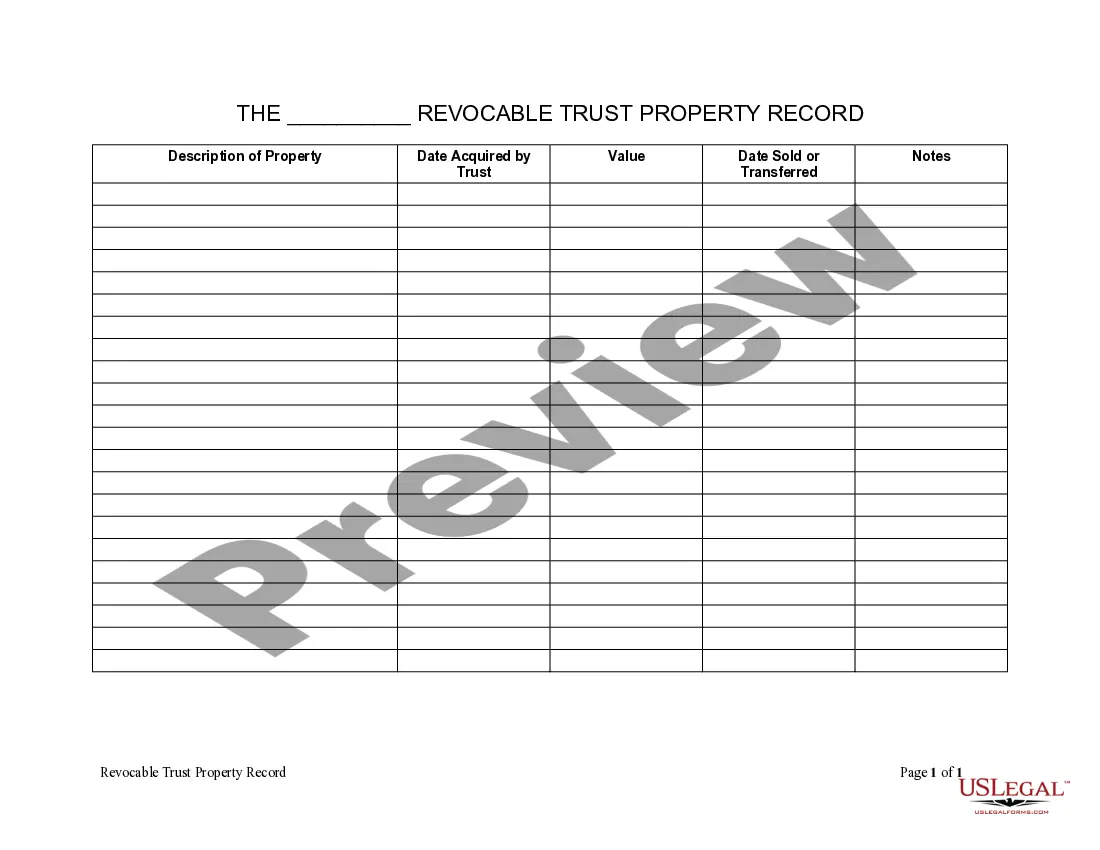
Living Trust Property With A Will
Description
Get your form ready online
Our built-in tools help you complete, sign, share, and store your documents in one place.
Make edits, fill in missing information, and update formatting in US Legal Forms—just like you would in MS Word.
Download a copy, print it, send it by email, or mail it via USPS—whatever works best for your next step.
Sign and collect signatures with our SignNow integration. Send to multiple recipients, set reminders, and more. Go Premium to unlock E-Sign.
If this form requires notarization, complete it online through a secure video call—no need to meet a notary in person or wait for an appointment.
We protect your documents and personal data by following strict security and privacy standards.

Make edits, fill in missing information, and update formatting in US Legal Forms—just like you would in MS Word.

Download a copy, print it, send it by email, or mail it via USPS—whatever works best for your next step.

Sign and collect signatures with our SignNow integration. Send to multiple recipients, set reminders, and more. Go Premium to unlock E-Sign.

If this form requires notarization, complete it online through a secure video call—no need to meet a notary in person or wait for an appointment.

We protect your documents and personal data by following strict security and privacy standards.
Looking for another form?





How to fill out New York Living Trust Property Record?
- Visit the US Legal Forms website and log into your account if you're a returning user. Click on the Download button to get your required template after confirming your subscription is active.
- If this is your first time using US Legal Forms, begin by browsing the extensive library. Ensure you check the Preview mode and form descriptions to find the right documents tailored to your jurisdiction.
- Use the website's Search tab to locate alternative templates if necessary. If you find one that matches your needs, proceed to the purchasing stage.
- Click on the Buy Now button to select your preferred subscription plan. Remember, you'll need to create an account for full access to the library.
- Input your payment information to complete the purchase through credit card or PayPal.
- Download your chosen form directly to your device. You can revisit the document anytime via the My Forms section of your profile.
By following these steps, you can efficiently create a living trust and will that best serve your circumstances. US Legal Forms not only offers a vast selection of forms but also connects you to premium experts to assist with your legal documentation needs.
Start today by exploring the US Legal Forms library and secure your estate with the right documents!
Form popularity
FAQ
A disadvantage of a family trust, including a living trust property with a will, is the potential loss of control over the assets. Once assets are transferred into the trust, the grantor may have less direct access to them. Family dynamics can also complicate trust management, leading to disputes among beneficiaries. It’s essential to have clear communication and establish a well-drafted trust to minimize these issues.
If your parents want to manage their living trust property with a will effectively, creating a trust can be a wise decision. A trust can help them control their assets during their lifetime and simplify the process of passing them on after death. However, it's important they consider their unique financial situations and family dynamics before making this decision. Consulting with an estate planning professional can provide tailored guidance.
Yes, a living trust property with a will may need to file a tax return, depending on its structure. When a revocable trust becomes irrevocable, it typically requires its own tax identification number and must file a return. However, many revocable trusts do not file separate tax returns during the grantor's lifetime. Knowing your trust's requirements is essential for compliance.
One downside of placing assets in a living trust property with a will is the potential for ongoing management costs. While trusts can ensure smoother transitions of assets, they require careful oversight to avoid mismanagement or misallocation. Additionally, you must keep your trust updated to reflect changes in your situation. This can sometimes become a cumbersome process.
One significant mistake parents make is failing to fully fund the trust at the outset. When establishing a trust fund, it’s critical to transfer ownership of your living trust property with a will into the trust. Incomplete funding may lead to complications during distribution and defeat the purpose of creating the trust. Always keep track of your assets to ensure they're properly integrated into the trust.
The choice between a will and a living trust depends on your specific needs. A will can address various issues, but a living trust offers advantages like avoiding probate and maintaining privacy. Ultimately, consider how each option affects your living trust property with a will to ensure your estate plan aligns with your goals. Consulting an expert can provide guidance tailored to your situation.
Writing a living trust will involves outlining your wishes regarding your property. Start by listing all your assets to clearly define what you want included in the trust. Then, consult with an attorney or use a reliable platform like US Legal Forms to ensure all legal requirements are met. This approach will help secure your living trust property with a will, providing clarity and protection for your beneficiaries.
Generally, a will does not override a living trust for assets already placed in the trust. However, any assets not included in the living trust could be addressed by your will, which may create confusion. Understanding the relationship between living trust property with a will is crucial to effectively manage your estate plan. Using a platform like uslegalforms can help clarify these relationships and simplify your estate planning process.
Yes, a living trust does override a will when it comes to the assets placed within the trust. Such assets are distributed according to the trust's provisions, making it a crucial part of your estate planning. When dealing with living trust property with a will, it is vital to understand how both tools interact to ensure your wishes are honored. Consider consulting a legal expert to clarify your options.
In most cases, a living trust takes precedence over a will. If you have placed your assets in a living trust, those assets are distributed according to the trust's terms, regardless of anything stated in your will. This can help simplify the transfer of your living trust property with a will, allowing for quicker distribution to your beneficiaries. It is essential to ensure that your estate plan is organized clearly to avoid conflicts.