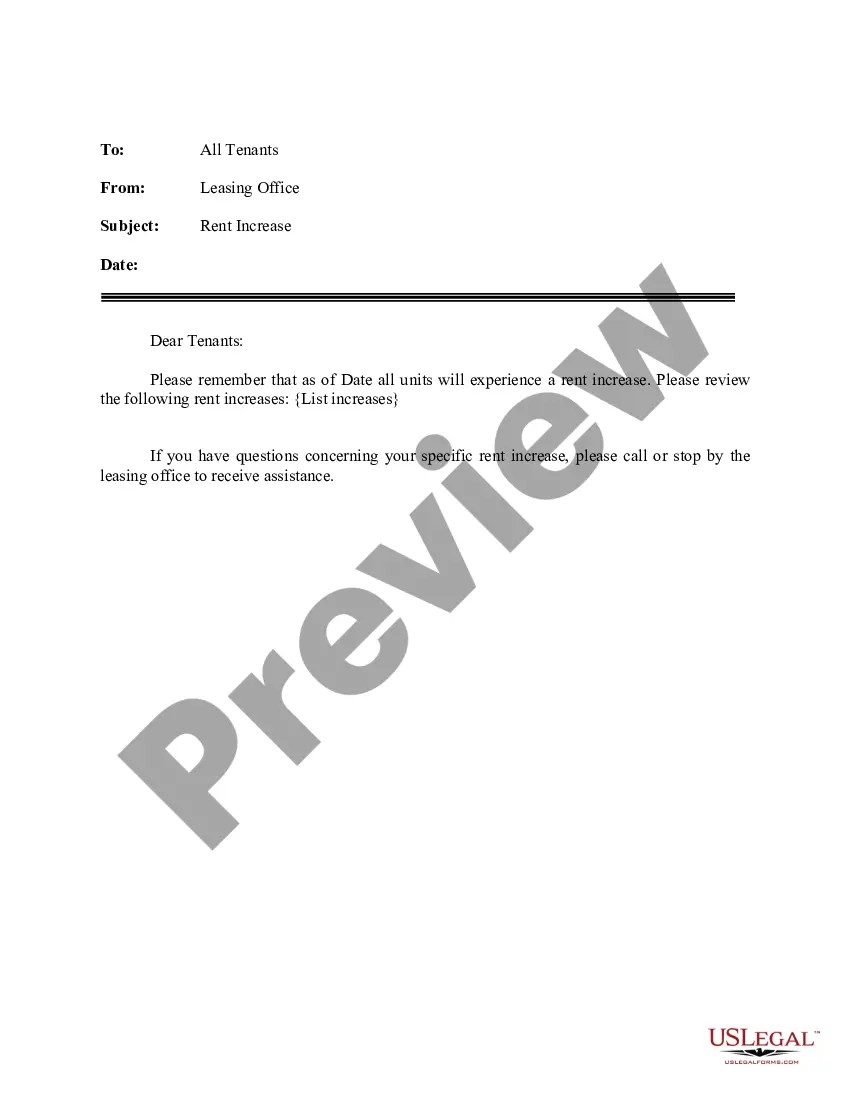
Rent Increase Notice For Month To Month
Description

Get your form ready online
Our built-in tools help you complete, sign, share, and store your documents in one place.
Make edits, fill in missing information, and update formatting in US Legal Forms—just like you would in MS Word.
Download a copy, print it, send it by email, or mail it via USPS—whatever works best for your next step.
Sign and collect signatures with our SignNow integration. Send to multiple recipients, set reminders, and more. Go Premium to unlock E-Sign.
If this form requires notarization, complete it online through a secure video call—no need to meet a notary in person or wait for an appointment.
We protect your documents and personal data by following strict security and privacy standards.

Make edits, fill in missing information, and update formatting in US Legal Forms—just like you would in MS Word.

Download a copy, print it, send it by email, or mail it via USPS—whatever works best for your next step.

Sign and collect signatures with our SignNow integration. Send to multiple recipients, set reminders, and more. Go Premium to unlock E-Sign.

If this form requires notarization, complete it online through a secure video call—no need to meet a notary in person or wait for an appointment.

We protect your documents and personal data by following strict security and privacy standards.
Looking for another form?
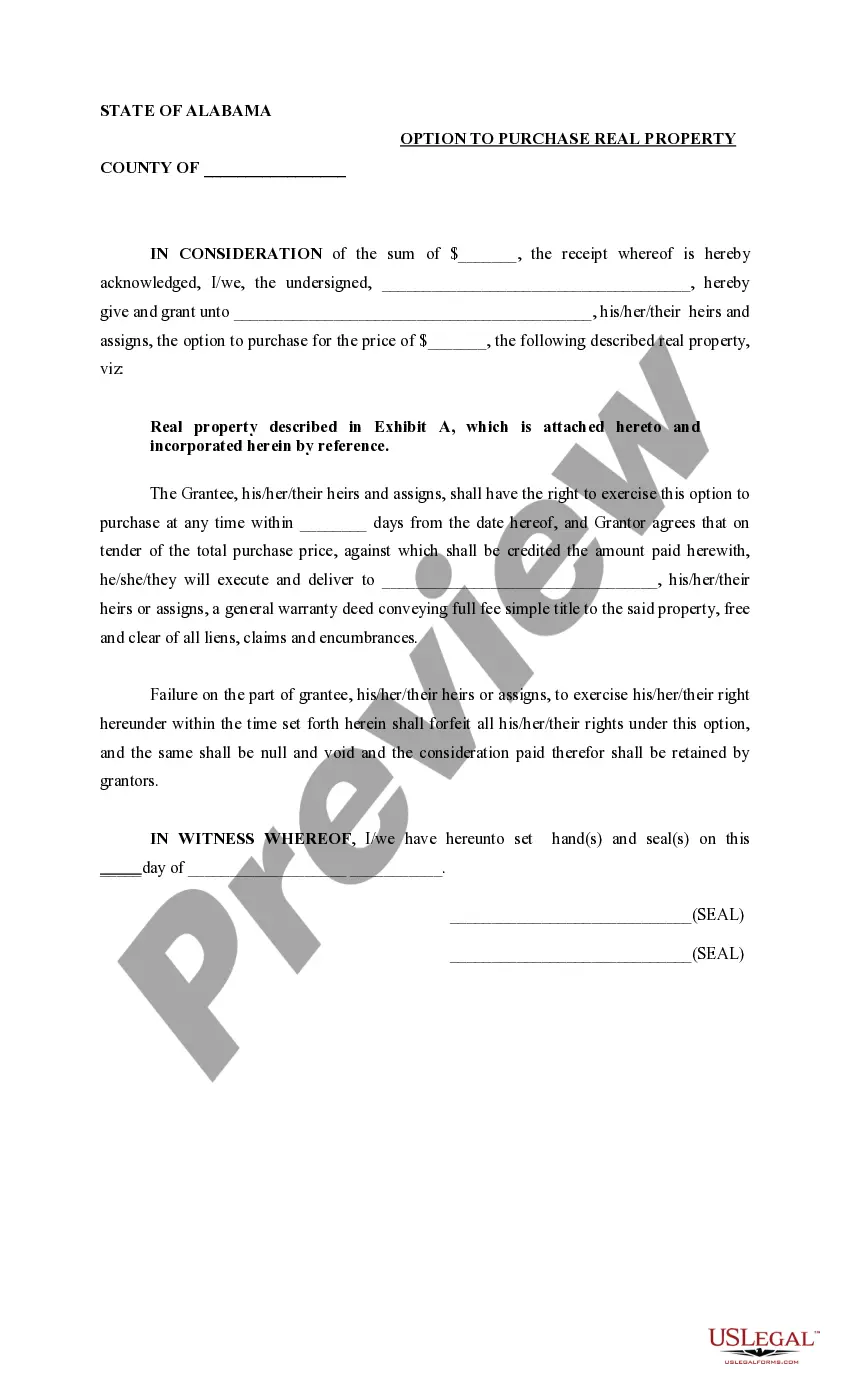
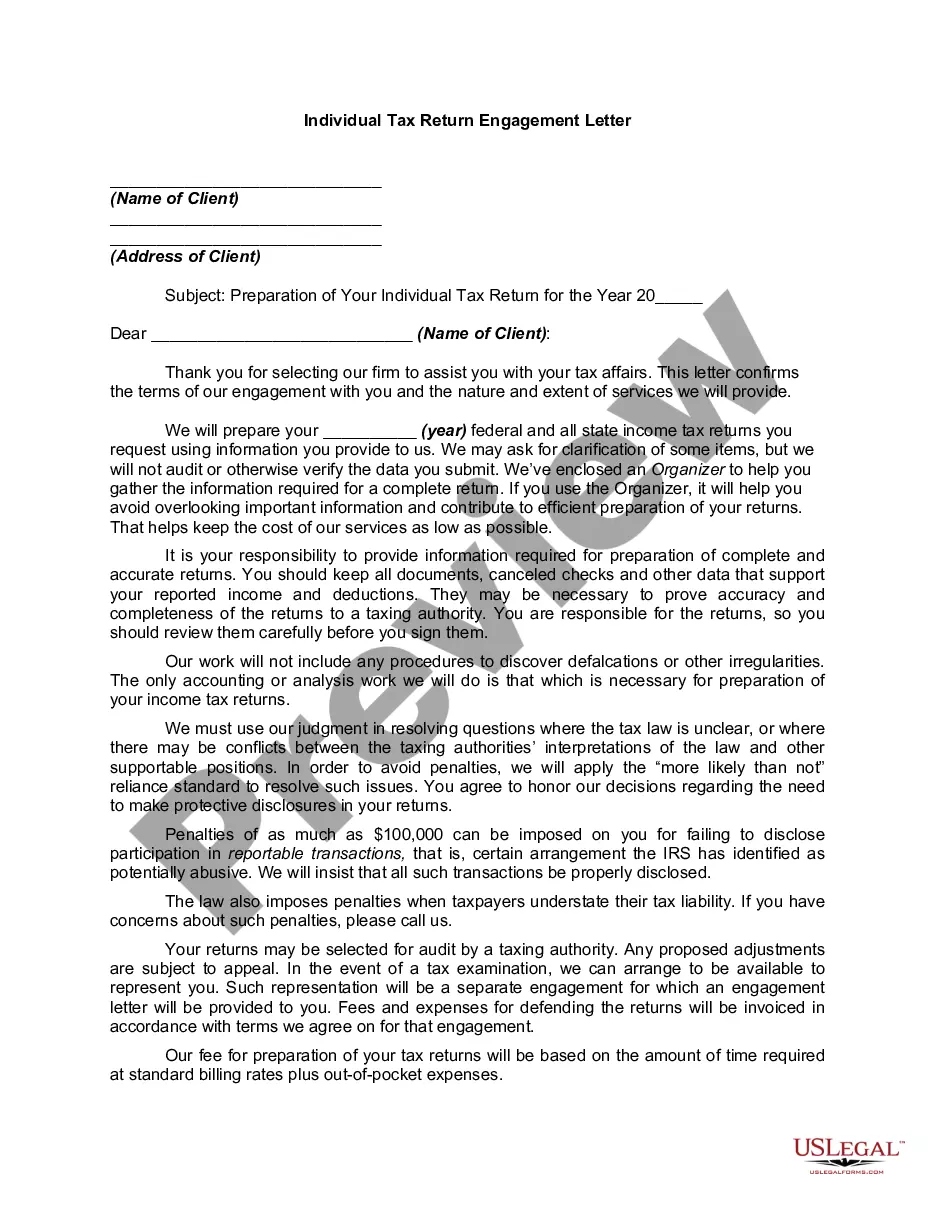
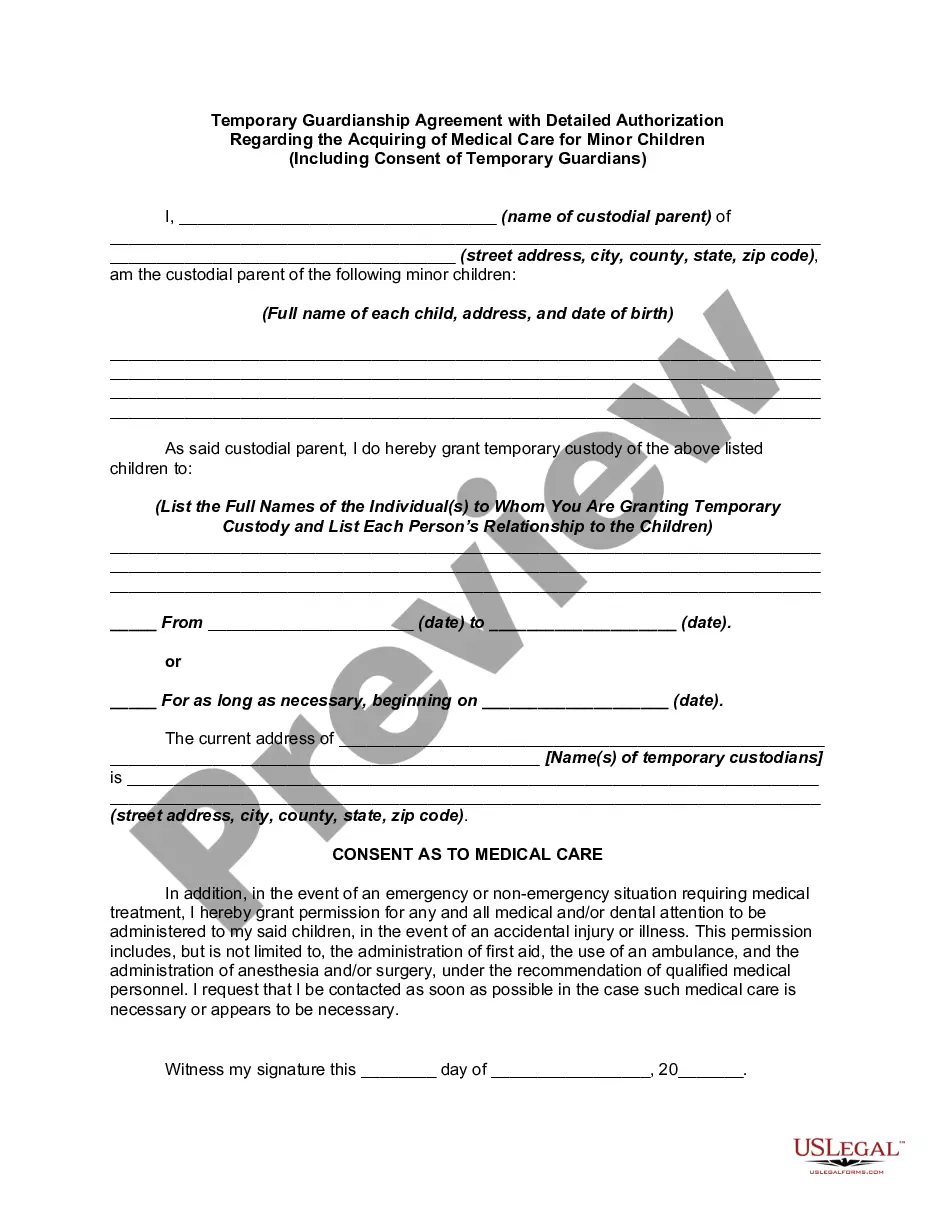



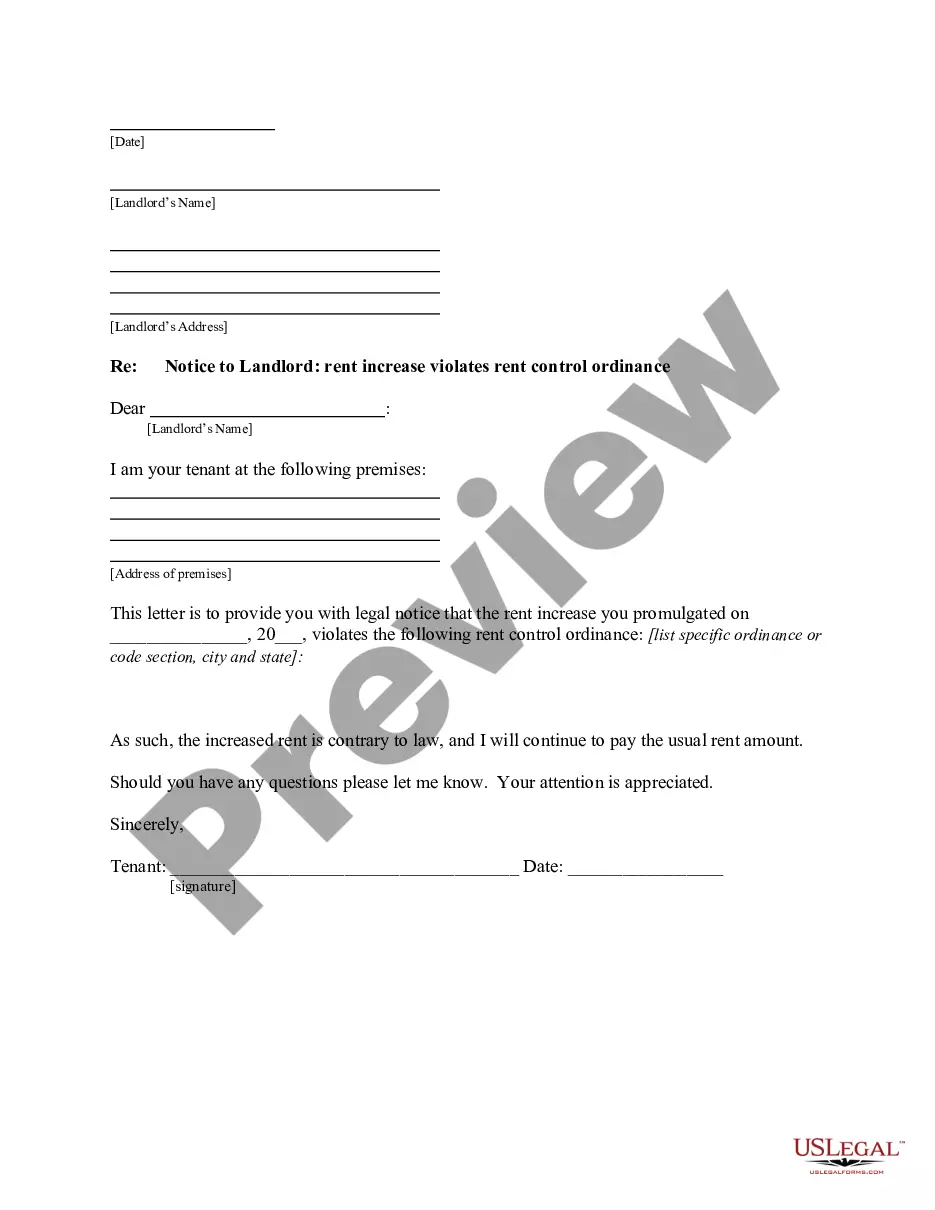
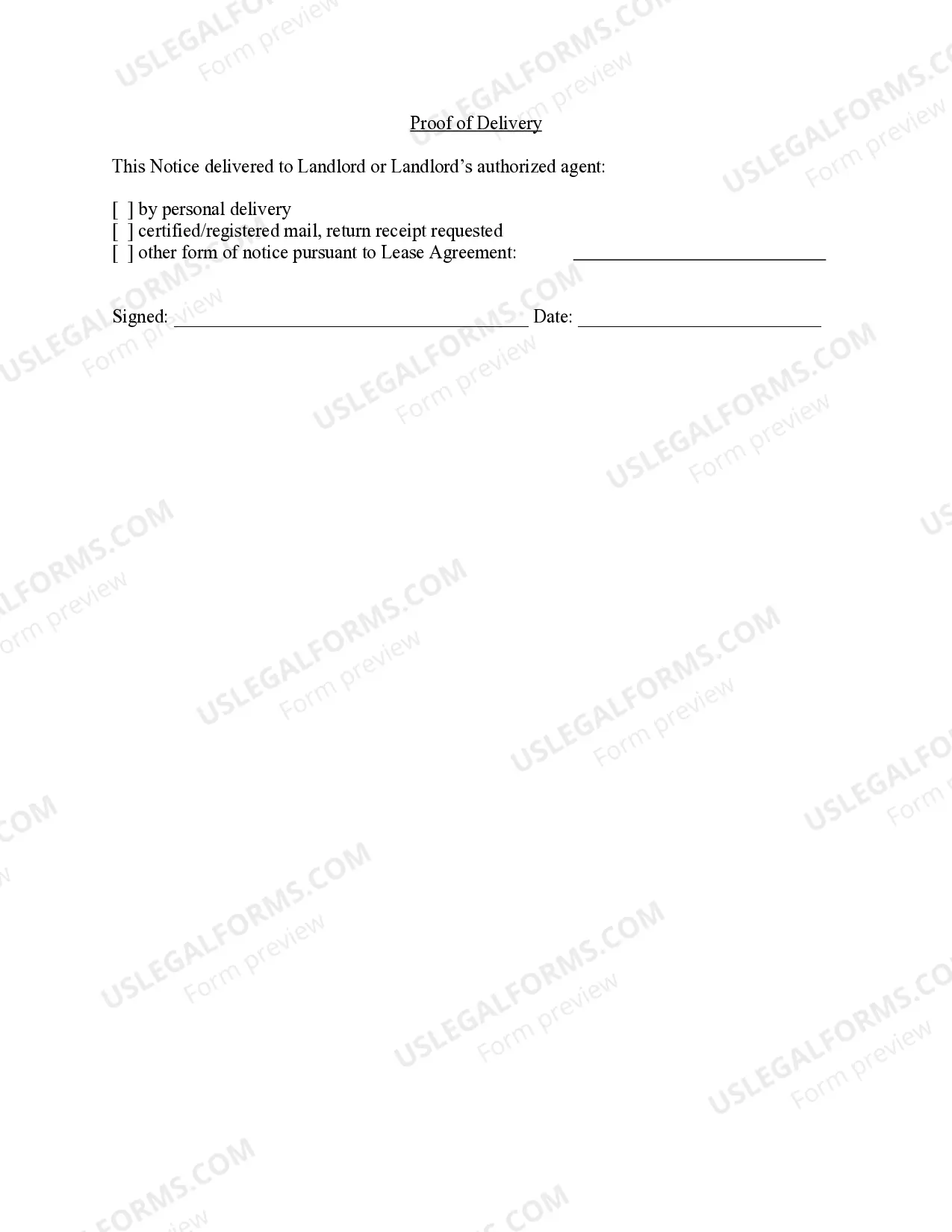
How to fill out New York Letter From Tenant To Landlord Containing Notice To Landlord To Withdraw Improper Rent Increase Due To Violation Of Rent Control Ordinance?
- If you're an existing user, log in to your account and download the rent increase notice template by clicking the Download button. Confirm your subscription is active; renew it if necessary.
- For first-time users, start by browsing the Preview mode and read the form description. Verify that the notice meets your needs and complies with your local regulations.
- If you spot any discrepancies, use the Search tab to find the right template that fits your requirements.
- Once you find the correct document, click the Buy Now button and choose your subscription plan. Register an account for access to the extensive library.
- Complete your purchase using credit card details or your PayPal account for the subscription fee.
- After the transaction, download the rent increase notice form to your device. You can access it any time in the My Forms section of your profile.
Using US Legal Forms simplifies the process of obtaining necessary legal documents. With over 85,000 forms available, you can ensure accuracy and compliance in your rentals.
Don't let the paperwork stress you out. Start your journey to securing essential legal templates with US Legal Forms today!
Form popularity
FAQ
A landlord in Florida must give a tenant at least 30 days' notice for a rent increase, especially for month-to-month agreements. This requirement ensures tenants have sufficient time to adjust their budgets or seek alternative accommodations. Knowing your rights can empower you as a tenant and help maintain a positive landlord-tenant relationship. Utilize platforms like USLegalForms to access helpful resources and templates on rent notices.
When a landlord decides to increase rent in Florida, they must provide adequate notice to the tenant. Generally, landlords are required to give a 30-day rent increase notice for month to month rentals, but it's important to check local laws for any variations. Understanding these requirements can help you manage your living situation effectively and prevent disruptions. Staying engaged with resources like USLegalForms can clarify these obligations.
In Florida, there is no state cap on the percentage a landlord can raise rent. However, landlords must follow local regulations and provide a proper rent increase notice for month to month agreements. Tenants should review their lease agreements to understand the terms of any potential increases. Staying informed helps you navigate unexpected changes smoothly.
In Florida, the amount of notice you must give your landlord typically depends on the terms of your lease. For month-to-month rentals, the usual notice period is at least 30 days. Therefore, if you plan to terminate your agreement or expect a rent increase notice for month to month, it's wise to inform your landlord well in advance. This proactive approach can foster better communication and clarity.
The new Florida rent increase law implements specific guidelines for landlords concerning rent fluctuations. This law ensures that tenants receive a rent increase notice for month to month agreements within a reasonable timeframe. Familiarizing yourself with these regulations can help you understand your rights as a tenant. For more detailed information, consider visiting platforms like USLegalForms that provide essential legal documents and guidance.
In California, rules for month-to-month leases include the requirement for landlords to provide a valid rent increase notice for month to month. These leases typically allow either party to terminate with proper notice, usually 30 days. Understanding these rules will help you navigate your rental situation more effectively.
If you move out before your lease is up, you might be responsible for the remaining rent until the lease expires. Additionally, your landlord may seek damages or try to withhold your security deposit. To ensure all legal aspects are managed correctly, consider using a platform like US Legal Forms for guidance.
Failing to inform your landlord about your move can create legal complications, including potential financial liability for unpaid rent. This can affect your security deposit and future rental applications. To avoid these issues, always provide the required notice and consult resources like US Legal Forms to guide your actions.
Moving out without giving notice can lead to financial penalties and affect your rental history. You may lose your security deposit or face challenges in finding future rental agreements. It's wise to consult a legal resource or platform like US Legal Forms to understand your rights and obligations.
If you fail to give a 30-day notice to your landlord, you may be held responsible for paying rent for that additional month. This can lead to complications in your rental agreement, especially if a rent increase notice for month to month has been issued. It's always best to communicate and follow the guidelines set forth in your lease.