New York State Fair Housing Disclosure Form
Description
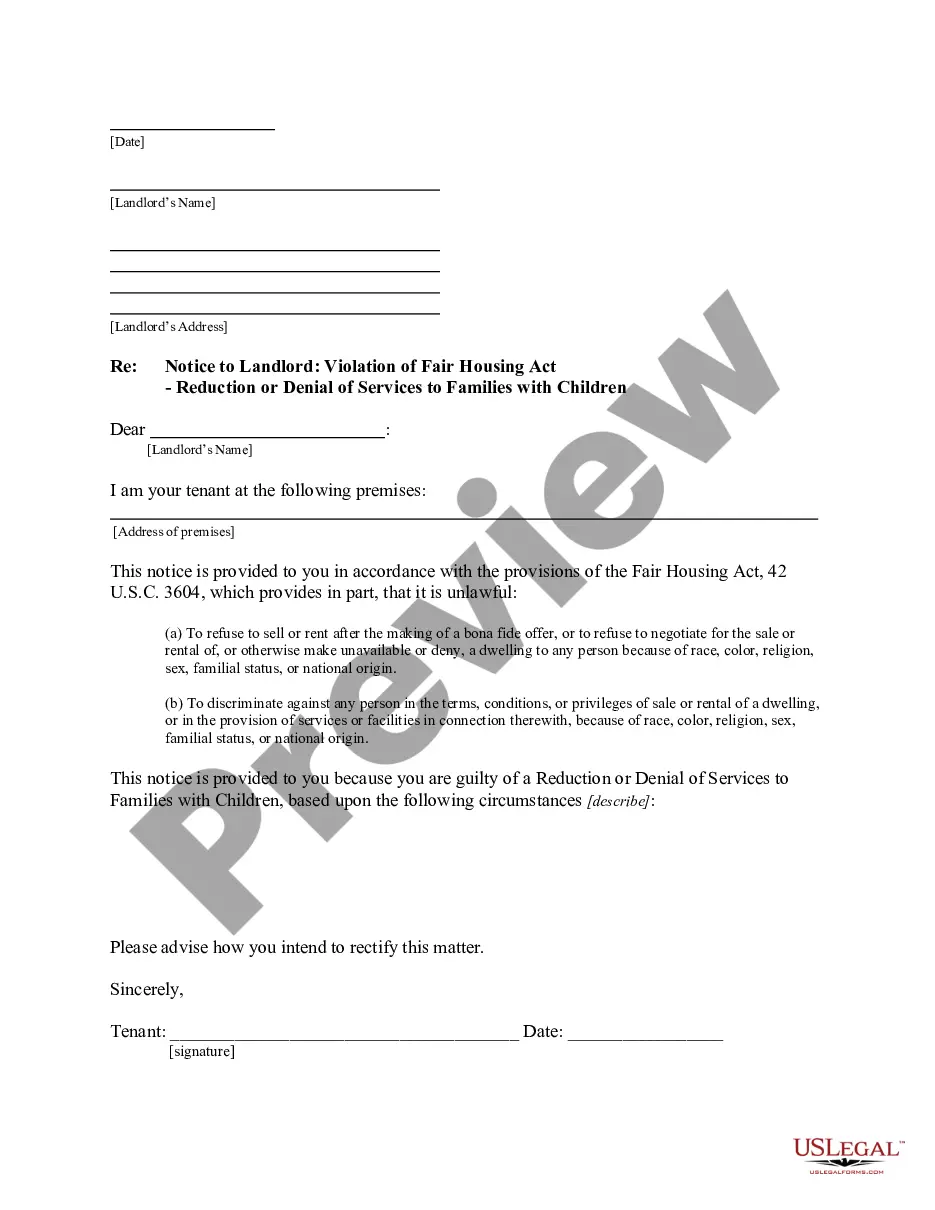

Get your form ready online
Our built-in tools help you complete, sign, share, and store your documents in one place.
Make edits, fill in missing information, and update formatting in US Legal Forms—just like you would in MS Word.
Download a copy, print it, send it by email, or mail it via USPS—whatever works best for your next step.
Sign and collect signatures with our SignNow integration. Send to multiple recipients, set reminders, and more. Go Premium to unlock E-Sign.
If this form requires notarization, complete it online through a secure video call—no need to meet a notary in person or wait for an appointment.
We protect your documents and personal data by following strict security and privacy standards.

Make edits, fill in missing information, and update formatting in US Legal Forms—just like you would in MS Word.

Download a copy, print it, send it by email, or mail it via USPS—whatever works best for your next step.

Sign and collect signatures with our SignNow integration. Send to multiple recipients, set reminders, and more. Go Premium to unlock E-Sign.

If this form requires notarization, complete it online through a secure video call—no need to meet a notary in person or wait for an appointment.

We protect your documents and personal data by following strict security and privacy standards.
Looking for another form?






Form popularity
FAQ
The Fair Housing Act is enforced through various mechanisms, including the Department of Housing and Urban Development (HUD) and the courts. In New York, individuals who experience housing discrimination can file a complaint with HUD or take the matter to state agencies. By properly completing the New York State Fair Housing Disclosure Form, you provide evidence that can support your claim. This form helps ensure transparency and compliance with fair housing laws.
The primary purpose of a disclosure form is to inform potential buyers about a property’s condition and any existing issues. By providing this information, sellers can foster transparency and honesty during the transaction process. Using the New York State fair housing disclosure form is essential for maintaining trust and ensuring a smooth real estate experience.
The fair housing law in New York State prohibits discrimination in housing based on various protected characteristics, such as race, gender, and disability. This law ensures that all individuals have equal access to housing opportunities. Compliance with these laws is crucial for creating a fair and equitable housing environment.
The new property disclosure law in New York emphasizes the importance of transparency in real estate transactions. The law requires sellers to provide a comprehensive New York State fair housing disclosure form, detailing any known defects or issues with the property. This regulation aims to protect buyers and promote fair practices in the housing market.
The most common fair housing complaint involves discrimination based on race, color, or national origin. Other frequent issues include discrimination against families with children or people with disabilities. Understanding these complaints is essential for promoting equal housing opportunities and ensuring compliance with fair housing laws.
To report housing discrimination in New York, you can contact the New York State Division of Human Rights. They provide a straightforward process for filing complaints related to discrimination in housing. Additionally, you may also choose to reach out to local fair housing organizations for guidance and support.
When signing the New York State fair housing disclosure form, an individual acknowledges the information provided about the property. This includes details about its condition and any known potential hazards. It is essential for both buyers and sellers to understand what is included in the disclosure to ensure informed decisions.
Yes, New York is a mandatory disclosure state. This means that sellers of residential properties must provide potential buyers with a New York State fair housing disclosure form. This form informs buyers about any known issues with the property and ensures transparency during the sales process.
The New York accommodation law addresses the need for reasonable accommodations for people with disabilities in housing situations. It mandates that landlords allow modifications and make exceptions to their policies to promote accessibility. The New York state fair housing disclosure form is essential in this process, as it informs tenants of their rights and highlights the responsibilities of landlords regarding accommodating needs.
The Safe Housing Act in New York focuses on maintaining safe and habitable living conditions for all tenants. Under this act, landlords must adhere to strict safety standards and may be required to provide a New York state fair housing disclosure form to tenants. This ensures that individuals are aware of their rights concerning housing safety, which plays a crucial role in contributing to overall community well-being.
