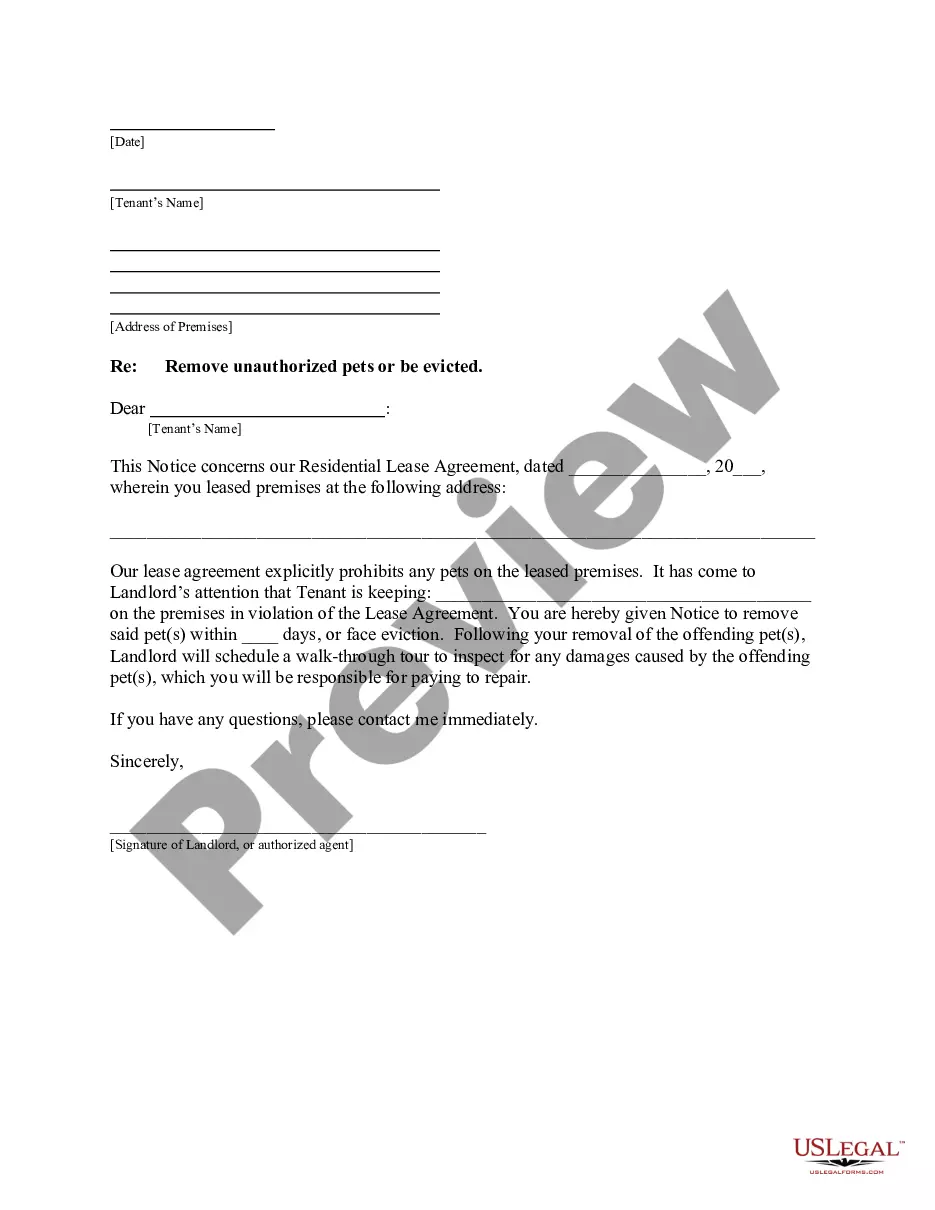
Tenant With Remove With Hdb
Description
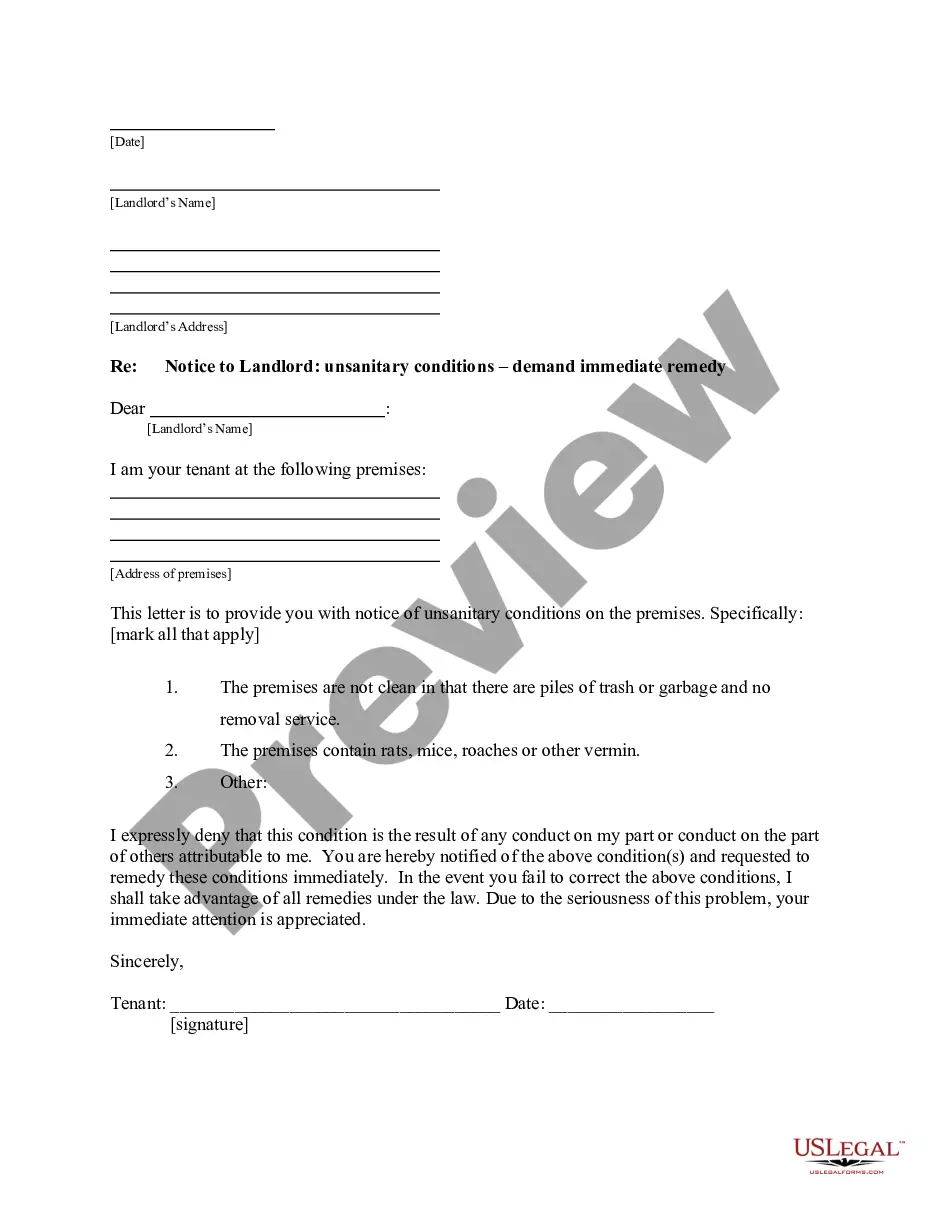

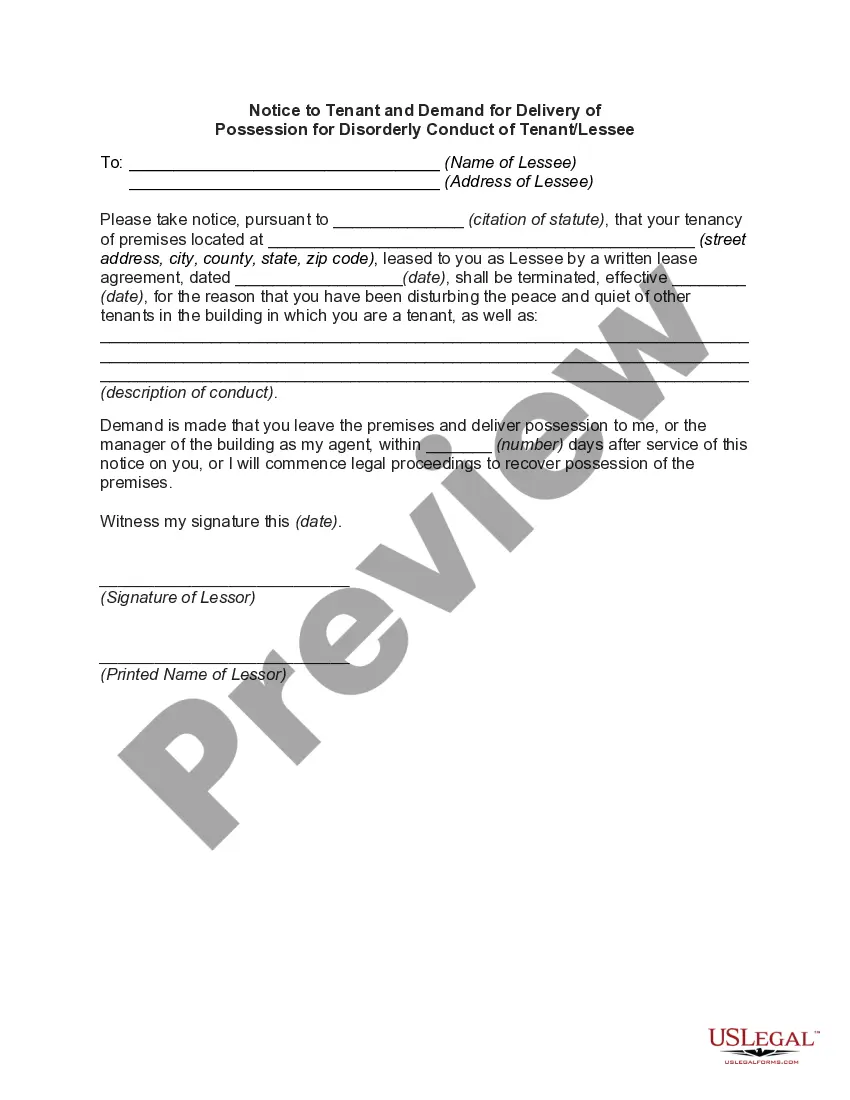
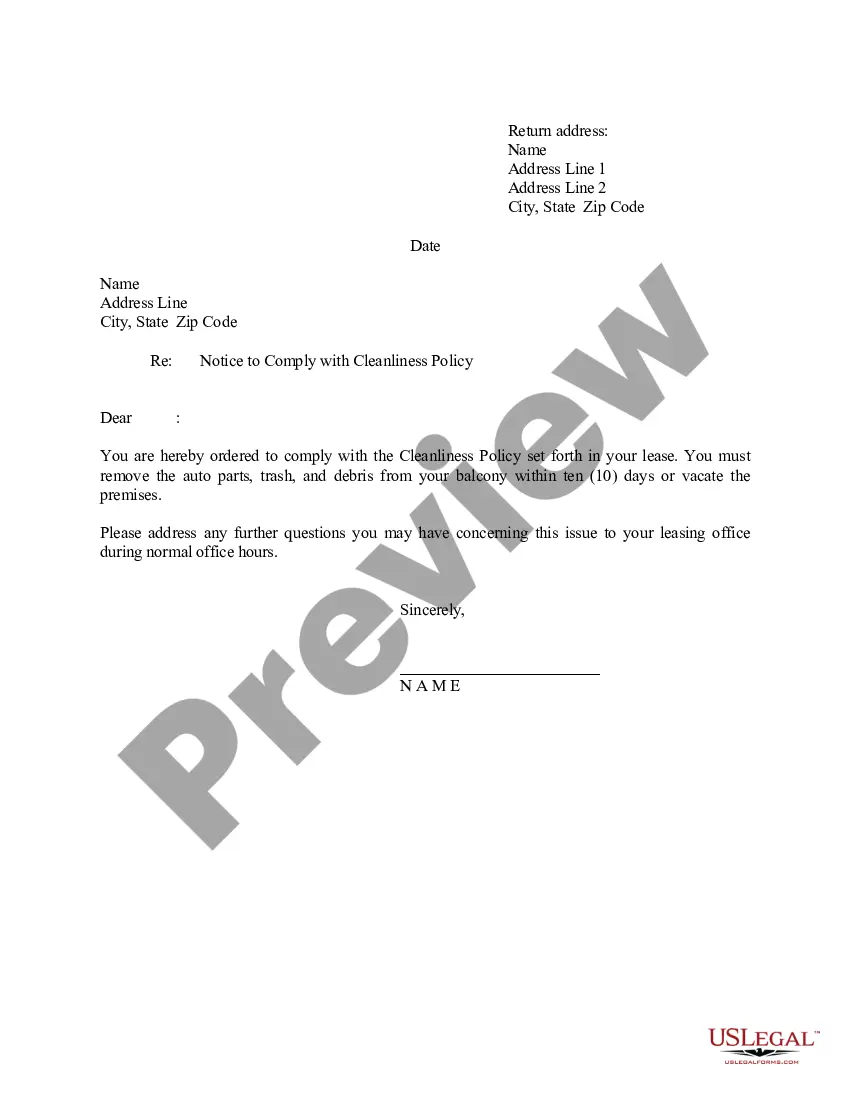
Get your form ready online
Our built-in tools help you complete, sign, share, and store your documents in one place.
Make edits, fill in missing information, and update formatting in US Legal Forms—just like you would in MS Word.
Download a copy, print it, send it by email, or mail it via USPS—whatever works best for your next step.
Sign and collect signatures with our SignNow integration. Send to multiple recipients, set reminders, and more. Go Premium to unlock E-Sign.
If this form requires notarization, complete it online through a secure video call—no need to meet a notary in person or wait for an appointment.
We protect your documents and personal data by following strict security and privacy standards.

Make edits, fill in missing information, and update formatting in US Legal Forms—just like you would in MS Word.

Download a copy, print it, send it by email, or mail it via USPS—whatever works best for your next step.

Sign and collect signatures with our SignNow integration. Send to multiple recipients, set reminders, and more. Go Premium to unlock E-Sign.

If this form requires notarization, complete it online through a secure video call—no need to meet a notary in person or wait for an appointment.

We protect your documents and personal data by following strict security and privacy standards.
Looking for another form?





How to fill out New York Letter From Tenant To Landlord With Demand That Landlord Remove Garbage And Vermin From Premises?
Utilizing legal document examples that adhere to federal and state regulations is crucial, and the internet provides numerous alternatives to select from.
However, what's the benefit of spending time searching for the appropriate Tenant With Remove With Hdb example online when the US Legal Forms digital library already consolidates such templates in one location.
US Legal Forms is the largest online legal repository featuring over 85,000 fillable templates crafted by lawyers for various professional and personal situations. They are easy to navigate with all documents organized by state and intended use.
Find another sample using the search feature at the top of the page if necessary. Click Buy Now once you've located the correct form and select a subscription plan. Create an account or sign in and complete the payment using PayPal or a credit card. Choose the format for your Tenant With Remove With Hdb and download it. All templates you discover through US Legal Forms are reusable. To re-download and complete previously purchased forms, access the My documents tab in your account. Enjoy the most comprehensive and user-friendly legal documentation service!
- Our specialists stay updated with legal changes, ensuring your documents are current and compliant when acquiring a Tenant With Remove With Hdb from our platform.
- Acquiring a Tenant With Remove With Hdb is straightforward and swift for both existing and new users.
- If you already possess an account with an active subscription, Log In and save the document template you require in your desired format.
- If you are new to our site, follow the steps below.
- Review the template using the Preview option or through the text description to confirm it meets your requirements.
Form popularity
FAQ
Removing one tenant from your lease requires clear communication and consent from all involved parties. Typically, you will need to modify the lease agreement to reflect this change. It may also involve drafting a release form for the departing tenant to sign. The US Legal platform offers helpful templates and legal advice to make this process straightforward.
An HDB tenant can sublet their unit, but there are specific regulations to follow. The tenant must obtain approval from the HDB and ensure that the subletting period aligns with the rules. Additionally, the tenant must be aware of their obligations to the subtenant. The US Legal platform can provide you with the guidelines to navigate subletting legally.
To remove one person from a lease, it is essential to get consent from all parties involved. You may need to draft an amendment to the lease agreement or create a new lease altogether. This process ensures that everyone's rights are protected. The US Legal platform can assist you in preparing the necessary documentation for this change.
An HDB occupier is a person who resides in a Housing and Development Board (HDB) flat but may not be the legal tenant. This individual typically has permission from the tenant to live in the property. Understanding the rights and responsibilities of HDB occupiers is crucial for both tenants and landlords. The US Legal platform offers detailed information to clarify these roles.
Removing a tenant that won't leave can be challenging. You should start by reviewing the lease agreement to understand your rights. If necessary, you may need to file an eviction notice, which outlines the reason for the removal. The US Legal platform provides resources that can help you navigate the eviction process smoothly.
To remove one person from a joint tenancy, you must follow specific legal steps. First, all parties involved must agree to the removal. Then, you can execute a deed of severance or a new tenancy agreement, which will require the consent of all tenants. Using the US Legal platform can help guide you through this process effectively.
The number of tenants allowed in HDB flats typically depends on the size of the unit. Generally, the HDB guidelines permit up to six persons per household. However, it's important to check your specific flat's conditions, as these regulations can vary. If you find yourself needing to remove a tenant with HDB, knowing the limits can aid in your decision-making.
Getting rid of an unwanted tenant involves several steps. First, you should review the lease agreement to understand your rights and obligations. Next, communicate with the tenant about the issues you face. If necessary, you can use resources like US Legal Forms to draft notices or legal documents that help you effectively remove a tenant with HDB.
An occupier in HDB refers to someone who lives in an HDB flat but is not listed as a tenant. Occupiers might include family members or friends of the tenant. It is important to know the difference since occupiers do not have the same rights as registered tenants. Understanding this distinction can be helpful if you are considering actions to remove a tenant with HDB.
To check if a tenant is registered in HDB, you can visit the HDB website or contact their customer service. You will need specific details like the tenant's NRIC or property address. This process ensures you have accurate information about the tenant in relation to your property. Knowing the registration status can help you if you need to take steps to remove a tenant with HDB.