Limited Business
Description
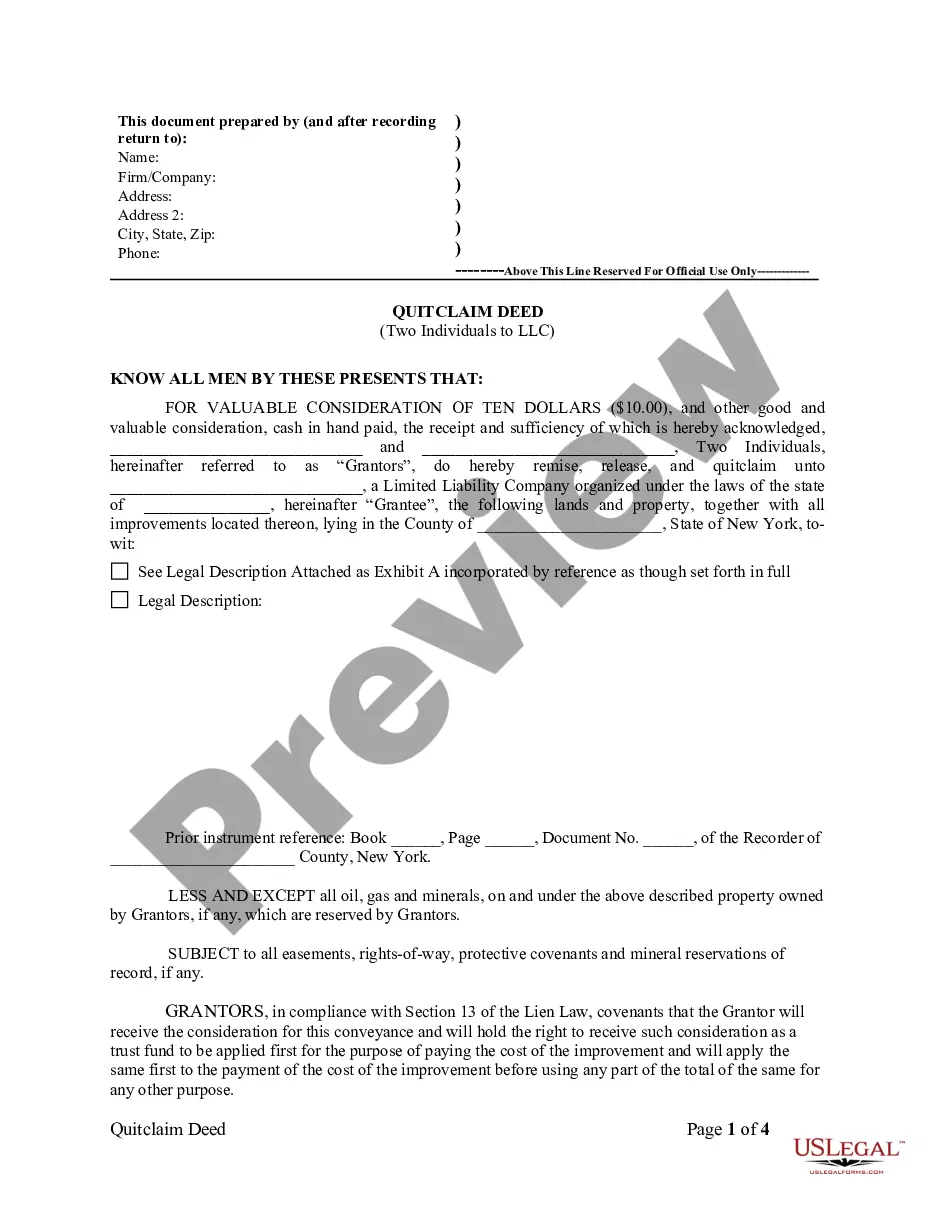
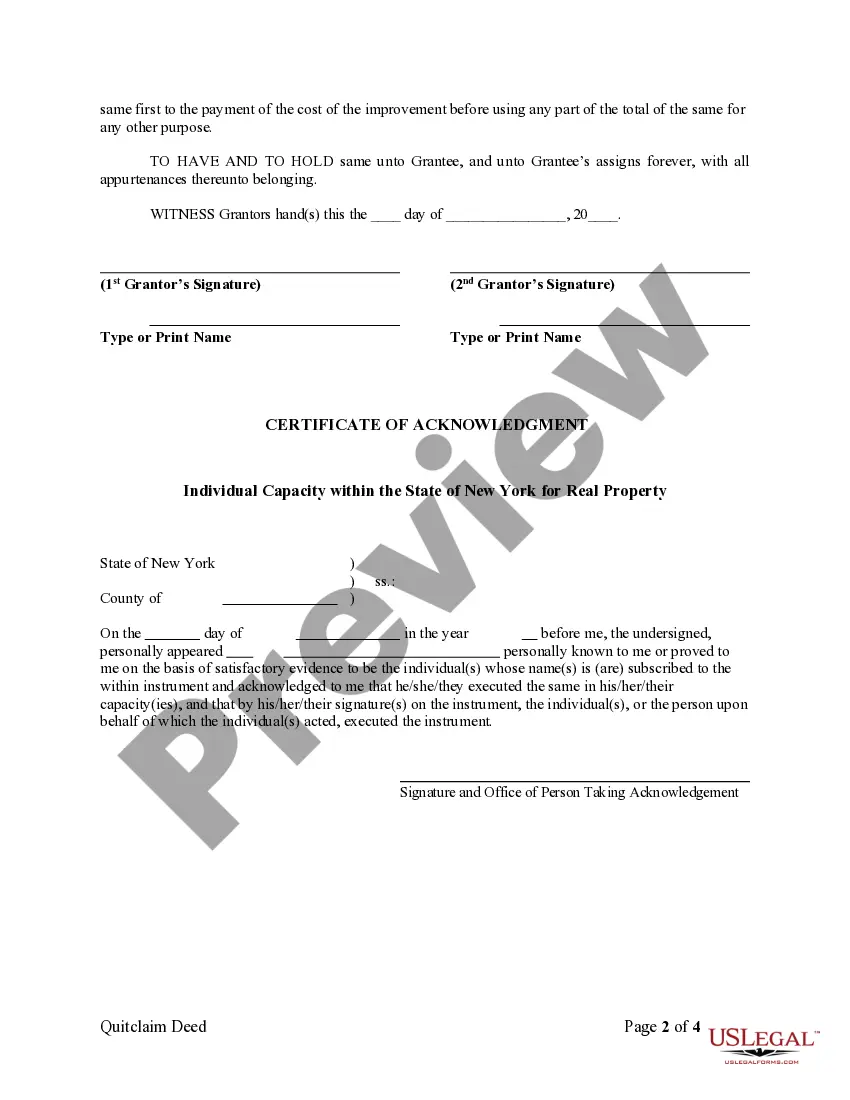
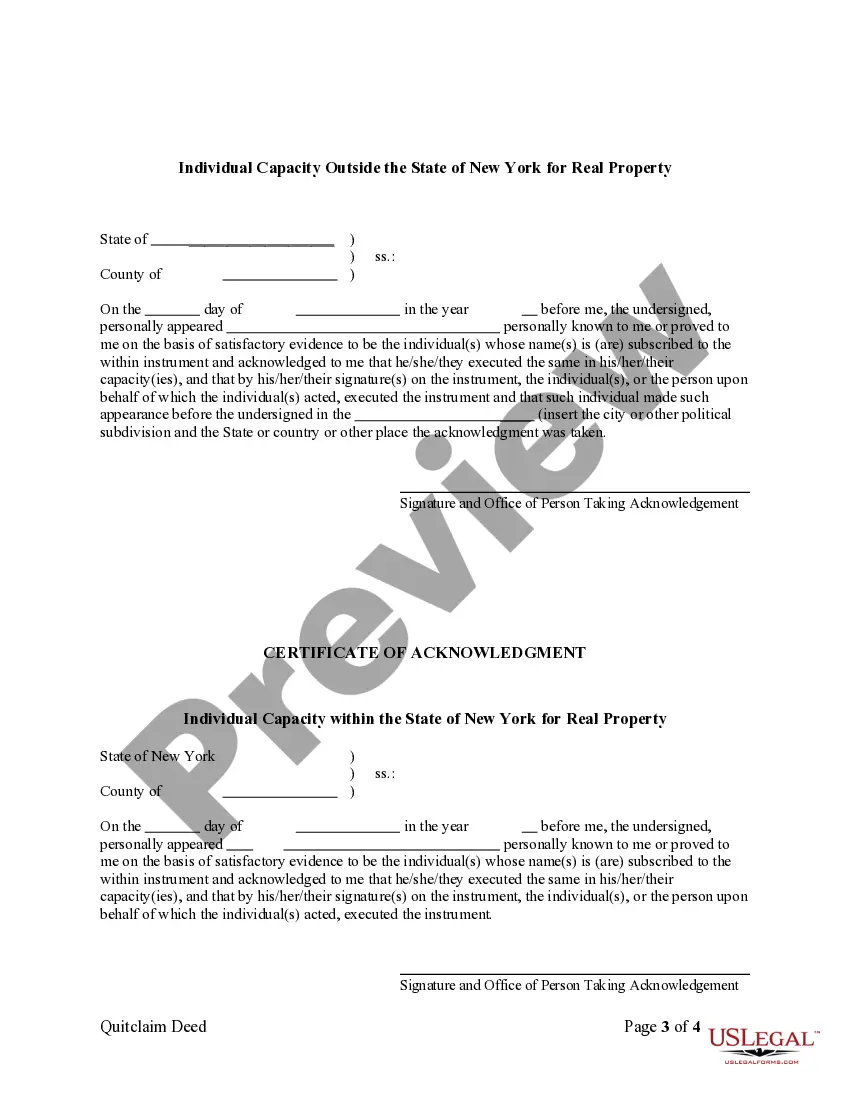
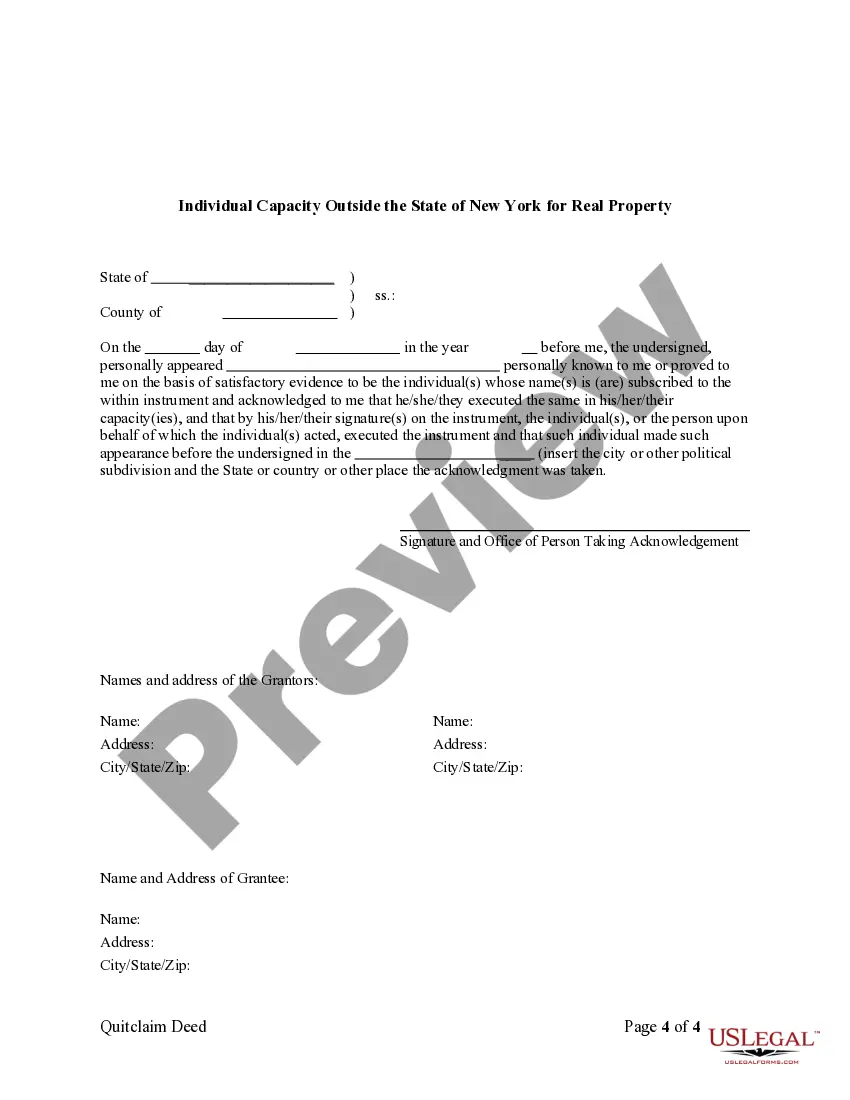


Get your form ready online
Our built-in tools help you complete, sign, share, and store your documents in one place.
Make edits, fill in missing information, and update formatting in US Legal Forms—just like you would in MS Word.
Download a copy, print it, send it by email, or mail it via USPS—whatever works best for your next step.
Sign and collect signatures with our SignNow integration. Send to multiple recipients, set reminders, and more. Go Premium to unlock E-Sign.
If this form requires notarization, complete it online through a secure video call—no need to meet a notary in person or wait for an appointment.
We protect your documents and personal data by following strict security and privacy standards.

Make edits, fill in missing information, and update formatting in US Legal Forms—just like you would in MS Word.

Download a copy, print it, send it by email, or mail it via USPS—whatever works best for your next step.

Sign and collect signatures with our SignNow integration. Send to multiple recipients, set reminders, and more. Go Premium to unlock E-Sign.

If this form requires notarization, complete it online through a secure video call—no need to meet a notary in person or wait for an appointment.

We protect your documents and personal data by following strict security and privacy standards.
Looking for another form?








How to fill out New York Quitclaim Deed By Two Individuals To LLC?
- Log into your US Legal Forms account. If you're a returning user, simply log in to access your subscription. Ensure your subscription is active—if not, renew it based on your payment plan.
- Explore form descriptions and preview options. Review the extensive library to select the template that aligns with your business and local jurisdiction requirements.
- Use the search function if necessary. If the desired form isn’t suitable, leverage the Search tab at the top to find an appropriate legal document.
- Purchase your document. Click the Buy Now button and choose the subscription plan that fits your needs. You'll need to register an account to gain access.
- Complete your purchase. Enter your payment details using a credit card or PayPal to finalize the transaction.
- Download your selected form. Save the template to your device for completion and revisit it anytime through the My Forms section.
US Legal Forms streamlines the legal documentation process, particularly crucial for limited businesses, with its robust collection and premium expert assistance.
Start now and take advantage of the extensive resources available at US Legal Forms to ensure your documents are precise and compliant. Access the library today!
Form popularity
FAQ
The choice between an LTD and an LLC hinges on your specific business goals and needs. An LTD, or limited company, often follows stricter regulations but has distinct advantages for certain types of businesses, particularly in the UK. On the other hand, an LLC offers simplified management and operational flexibility within a limited business framework. To make the best choice, consider your business model, future goals, and legal implications.
You can use the term 'limited' in some cases, but it is essential to choose the correct legal structure. LLC stands for Limited Liability Company, and this designation is legally recognized in many states. Utilizing 'limited' may mislead potential clients or partners unless you have established a clear and compliant business structure. Understanding the nuances of limited businesses can help clarify your branding.
Yes, but it depends on the business structure you choose. In many cases, LLCs are treated as limited businesses, allowing owners to benefit from limited liability. However, using 'limited' in your business name can imply a specific type of legal entity, such as a limited partnership or a limited company. It's crucial to ensure compliance with state regulations to avoid confusion.
While both structures provide limited liability protection, they are not the same. A private limited company typically follows corporate regulations and may have different operational requirements compared to an LLC. In a limited business context, LLCs tend to offer greater flexibility in management and taxation options. Understanding these distinctions can help you determine which structure best fits your business needs.
A limited partnership can be an effective choice for those looking to balance control and investment. In a limited business structure, general partners manage the business while limited partners contribute funds without taking part in day-to-day operations. This arrangement can be beneficial for attracting investors while protecting them from personal liability. If you seek a specific balance between control and investment, consider exploring the advantages of a limited partnership.
A company qualifies as a limited business based on its registration and adherence to legal definitions set by the state. Limited companies usually have shareholders and distinct financial records separated from personal accounts. Moreover, they should follow ongoing compliance requirements, such as annual reporting. If you are exploring the benefits of forming a limited company, consider using the US Legal Forms platform to ensure your paperwork is completed accurately and efficiently.
Several factors characterize a limited company, primarily its formation and liability structure. A limited business is typically formed by filing with the state and fulfilling specific legal requirements. This structure provides owners with limited liability, meaning their personal finances are not at risk if the company faces financial issues. Understanding these aspects is essential for managing your business effectively.
To determine if you are a limited company, check your registration status with the state. A limited business typically has the terms 'Limited,' 'Ltd,' or 'Incorporated' in its name. Additionally, review your formation documents, which should outline your company structure. If you have this designation, you benefit from limited liability and can separate your personal assets from business debts.
If a business is a limited company, it indicates that it has been registered under specific legal framework, which grants it a separate legal identity from its owners. This structure helps safeguard personal assets, ensures better management of resources, and makes it easier to raise funds. Moreover, operating as a limited company often increases credibility with clients and partners, presenting your limited business in a professional light. Knowing these implications can help you make informed decisions for your entrepreneurial journey.
In a business context, 'limited' refers to restrictions on the liability of the owners or shareholders. This means they are not personally responsible for the debts or liabilities incurred by the business beyond their invested capital. This limitation helps business owners focus on growth without the fear of losing personal assets due to business-related issues. Therefore, understanding the concept of limited liability is essential for any aspiring entrepreneur.