Real Estate Mortgage Foreclosure
Description
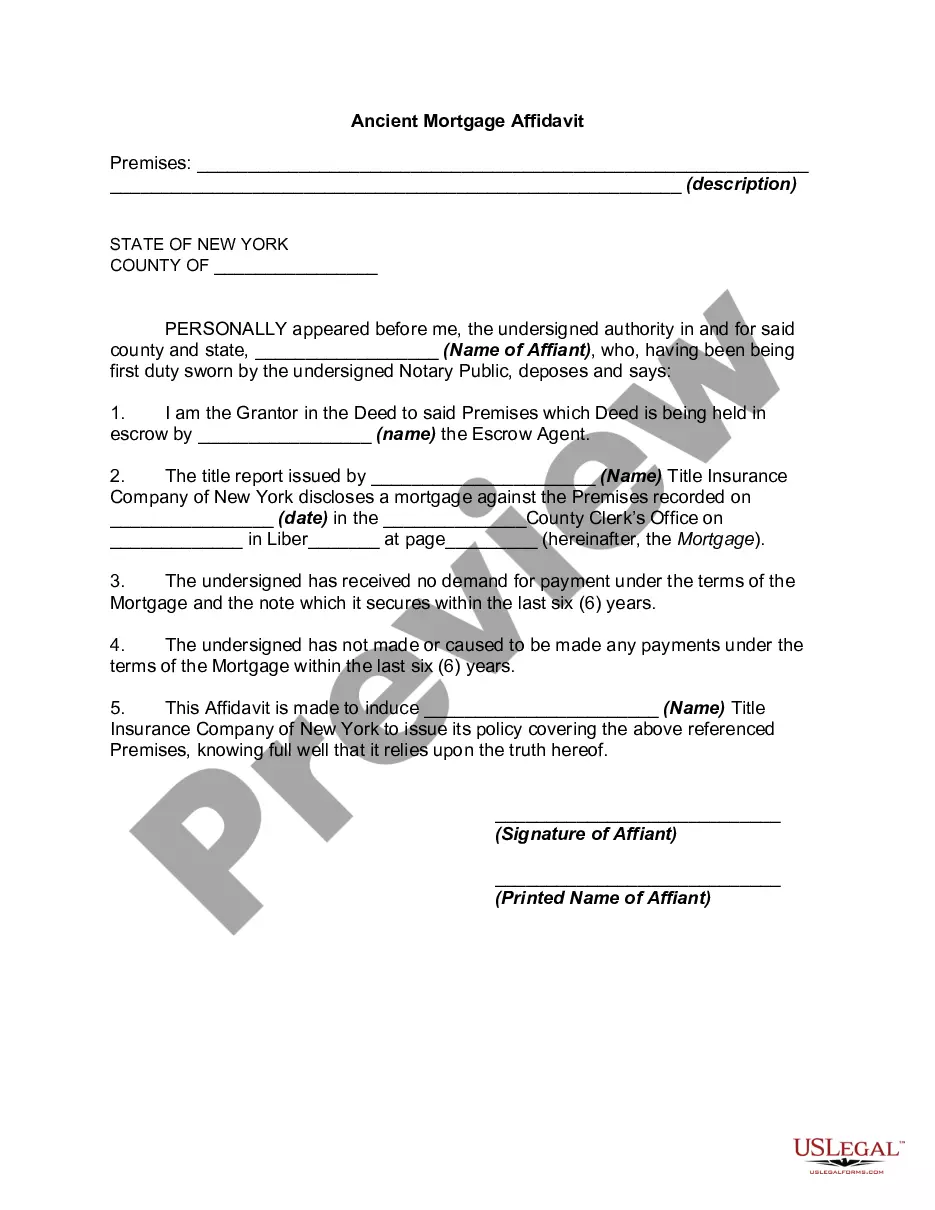
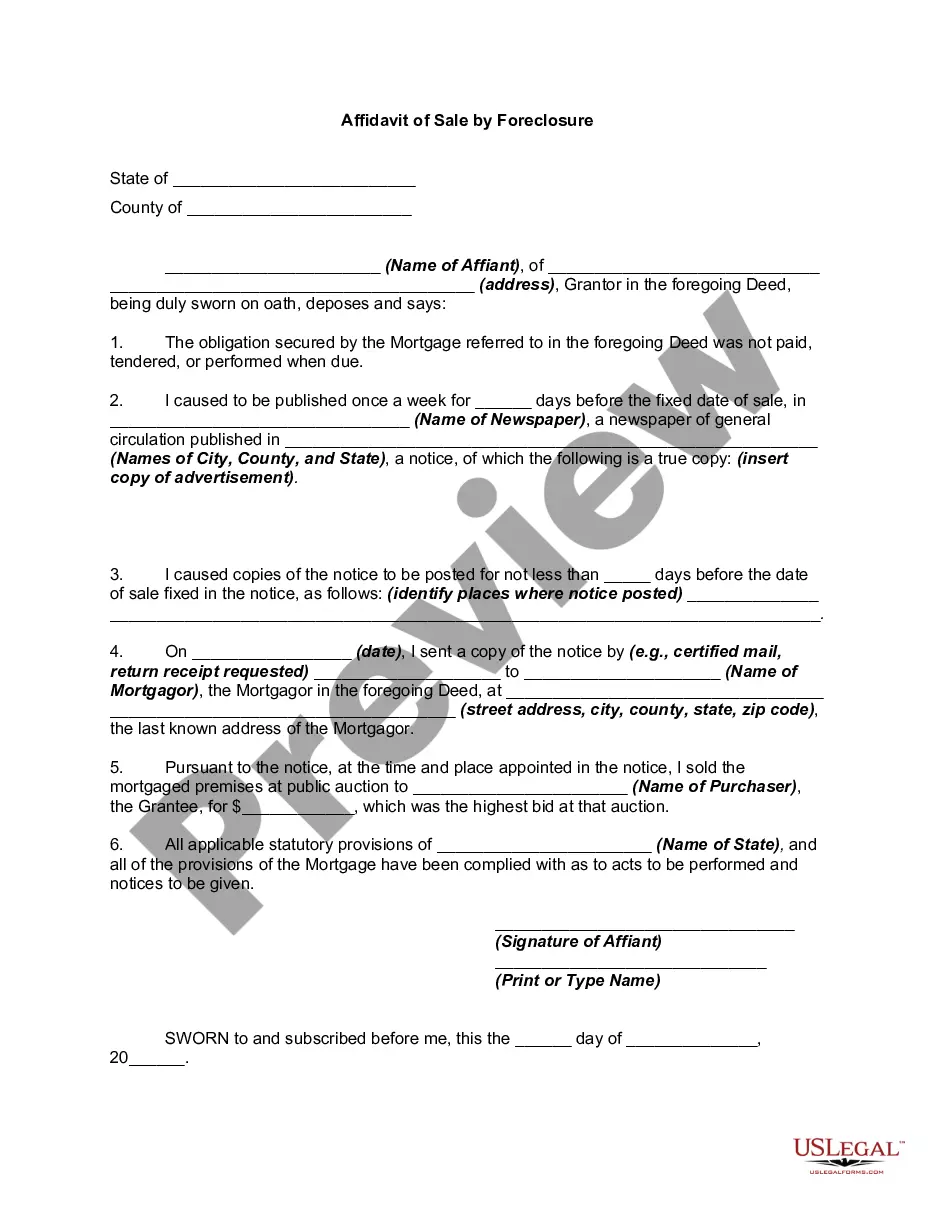
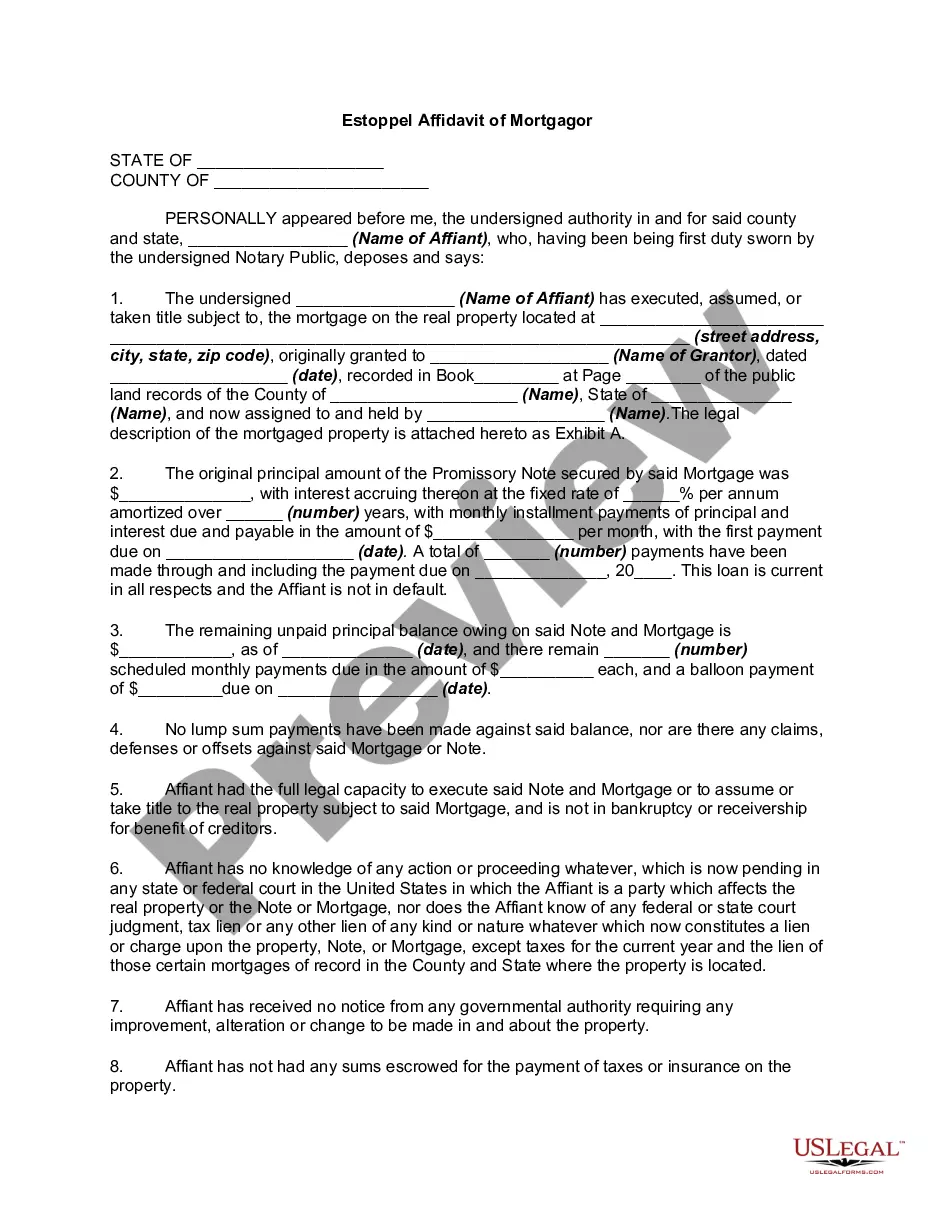

Get your form ready online
Our built-in tools help you complete, sign, share, and store your documents in one place.
Make edits, fill in missing information, and update formatting in US Legal Forms—just like you would in MS Word.
Download a copy, print it, send it by email, or mail it via USPS—whatever works best for your next step.
Sign and collect signatures with our SignNow integration. Send to multiple recipients, set reminders, and more. Go Premium to unlock E-Sign.
If this form requires notarization, complete it online through a secure video call—no need to meet a notary in person or wait for an appointment.
We protect your documents and personal data by following strict security and privacy standards.

Make edits, fill in missing information, and update formatting in US Legal Forms—just like you would in MS Word.

Download a copy, print it, send it by email, or mail it via USPS—whatever works best for your next step.

Sign and collect signatures with our SignNow integration. Send to multiple recipients, set reminders, and more. Go Premium to unlock E-Sign.

If this form requires notarization, complete it online through a secure video call—no need to meet a notary in person or wait for an appointment.

We protect your documents and personal data by following strict security and privacy standards.
Looking for another form?










How to fill out New York Ancient Mortgage Affidavit?
Managing legal documents can be perplexing, even for the most experienced professionals.
If you're dealing with a Real Estate Mortgage Foreclosure and lack the time to thoroughly search for the appropriate and current version, the processes can be overwhelming.
Gain access to a valuable repository of articles, guides, and resources pertinent to your circumstances and necessities.
Save time and energy searching for the documents you require, and leverage US Legal Forms' sophisticated search and Preview tool to find and download Real Estate Mortgage Foreclosure.
Ensure that the template is permissible in your state or county. Choose Buy Now when you're ready. Select a monthly subscription plan. Find the file format you need, and Download, complete, eSign, print, and send your document. Make the most of the US Legal Forms online library, backed by 25 years of experience and trustworthiness. Simplify your routine document handling into a seamless and intuitive experience today.
- If you have a monthly subscription, Log In to your US Legal Forms account, search for the form, and download it.
- Check your My documents tab to view the documents you've previously downloaded and manage your folders accordingly.
- If it's your initial time using US Legal Forms, create an account and obtain unlimited access to all the features of the library.
- Here are the steps to follow after downloading your desired form.
- Confirm this is the correct document by previewing it and reviewing its description.
- Access state- or county-specific legal and business documents.
- US Legal Forms addresses any requirements you might have, from personal to business paperwork, all in one place.
- Utilize cutting-edge tools to complete and manage your Real Estate Mortgage Foreclosure.
Form popularity
FAQ
In Tennessee, foreclosures generally occur through a non-judicial process, meaning the lender can initiate the process without court involvement. Once a mortgage has defaulted, the lender will typically notify the borrower and schedule a public sale of the property. Understanding how foreclosures work in TN can help homeowners respond effectively to challenges associated with real estate mortgage foreclosure.
Foreclosure rules in Tennessee dictate that lenders must provide proper notice and follow the specified legal process, including a public auction. Borrowers are also entitled to a redemption period under certain circumstances. Familiarizing yourself with these rules is essential when navigating real estate mortgage foreclosure, as they can significantly impact your rights as a homeowner.
In California, the foreclosure process typically takes around 6 months, but it can be longer if certain complications arise. Factors such as whether the homeowner contests the foreclosure or if there's a requirement for judicial approval can extend this timeline. Understanding the California real estate mortgage foreclosure process is key to preparing your next steps.
The six phases of foreclosure include default, notice of default, pre-foreclosure, auction, post-foreclosure, and eviction. Each phase represents a crucial step in the real estate mortgage foreclosure process. Familiarizing yourself with these phases can help you anticipate what to expect and strategize appropriately if you find yourself facing foreclosure.
In Tennessee, the foreclosure process typically takes about 2 to 4 months to complete, depending on various factors such as the lender's actions and whether any disputes arise. This timeline can feel overwhelming, but knowing the general duration helps you plan your response. By understanding Tennessee's specific process, you can better navigate potential real estate mortgage foreclosure situations.
You can typically miss three to six mortgage payments before the foreclosure process begins, but this can vary by lender. During this time, lenders may offer options to help you catch up on payments. However, it is vital to address any payment issues early to avoid the complexities associated with real estate mortgage foreclosures.
The most common method of foreclosure is through a non-judicial process, where lenders can foreclose without court intervention. This method is generally faster and allows lenders to sell the property quickly at auction. Understanding this process can help you navigate the landscape of real estate mortgage foreclosures more effectively.
To buy a foreclosed home, most lenders typically prefer a credit score of at least 620. However, some lenders may offer programs for those with lower scores, but these options may come with higher interest rates. When considering real estate mortgage foreclosures, boosting your credit score can help you secure better financing options.
The current foreclosure rate fluctuates based on economic conditions and housing market dynamics. As of the latest reports, there has been a slight increase in real estate mortgage foreclosures due to rising interest rates and slowing home sales. It's crucial for potential homeowners and investors to monitor these trends, as they can impact buying opportunities in the foreclosure market.
The current method of mortgage foreclosure primarily involves either judicial or non-judicial processes, depending on the state. In a judicial foreclosure, lenders must file a lawsuit against the homeowner, while non-judicial foreclosures allow lenders to bypass courts and proceed with a trustee sale. Understanding these methods is essential for anyone dealing with real estate mortgage foreclosures, as the process can significantly vary.