Enhanced Life Estate For The Future
Description
Get your form ready online
Our built-in tools help you complete, sign, share, and store your documents in one place.
Make edits, fill in missing information, and update formatting in US Legal Forms—just like you would in MS Word.
Download a copy, print it, send it by email, or mail it via USPS—whatever works best for your next step.
Sign and collect signatures with our SignNow integration. Send to multiple recipients, set reminders, and more. Go Premium to unlock E-Sign.
If this form requires notarization, complete it online through a secure video call—no need to meet a notary in person or wait for an appointment.
We protect your documents and personal data by following strict security and privacy standards.

Make edits, fill in missing information, and update formatting in US Legal Forms—just like you would in MS Word.

Download a copy, print it, send it by email, or mail it via USPS—whatever works best for your next step.

Sign and collect signatures with our SignNow integration. Send to multiple recipients, set reminders, and more. Go Premium to unlock E-Sign.

If this form requires notarization, complete it online through a secure video call—no need to meet a notary in person or wait for an appointment.

We protect your documents and personal data by following strict security and privacy standards.
Looking for another form?



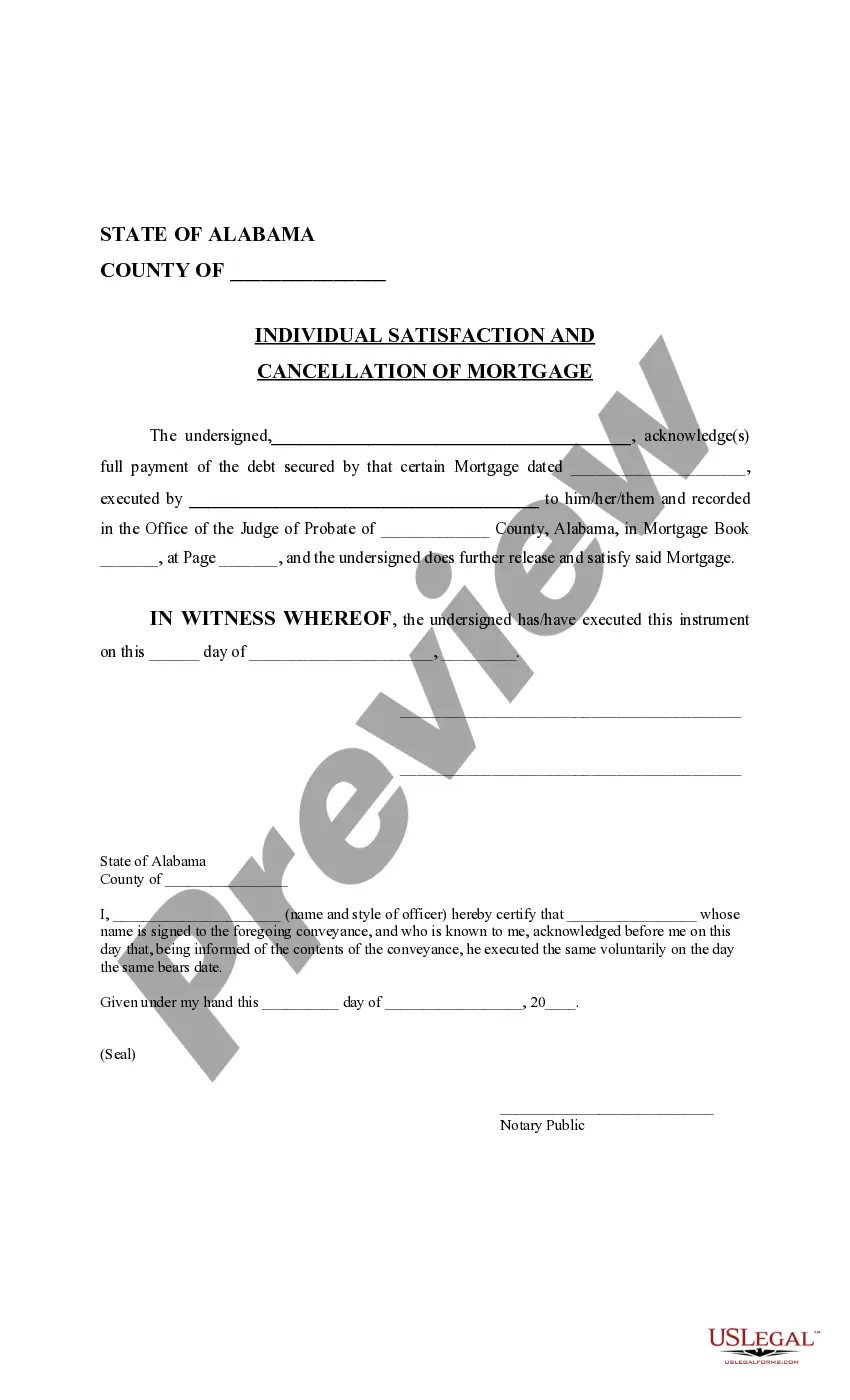
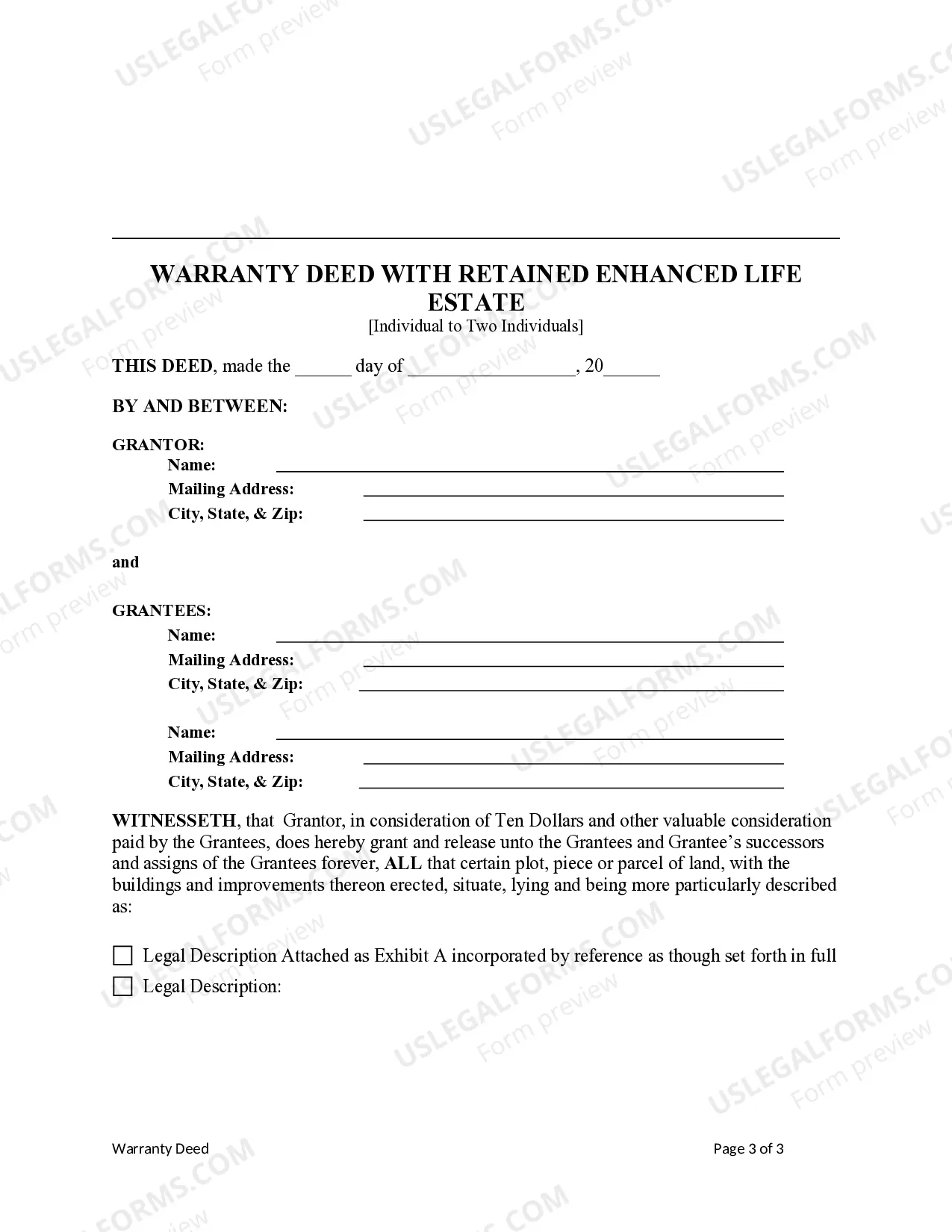
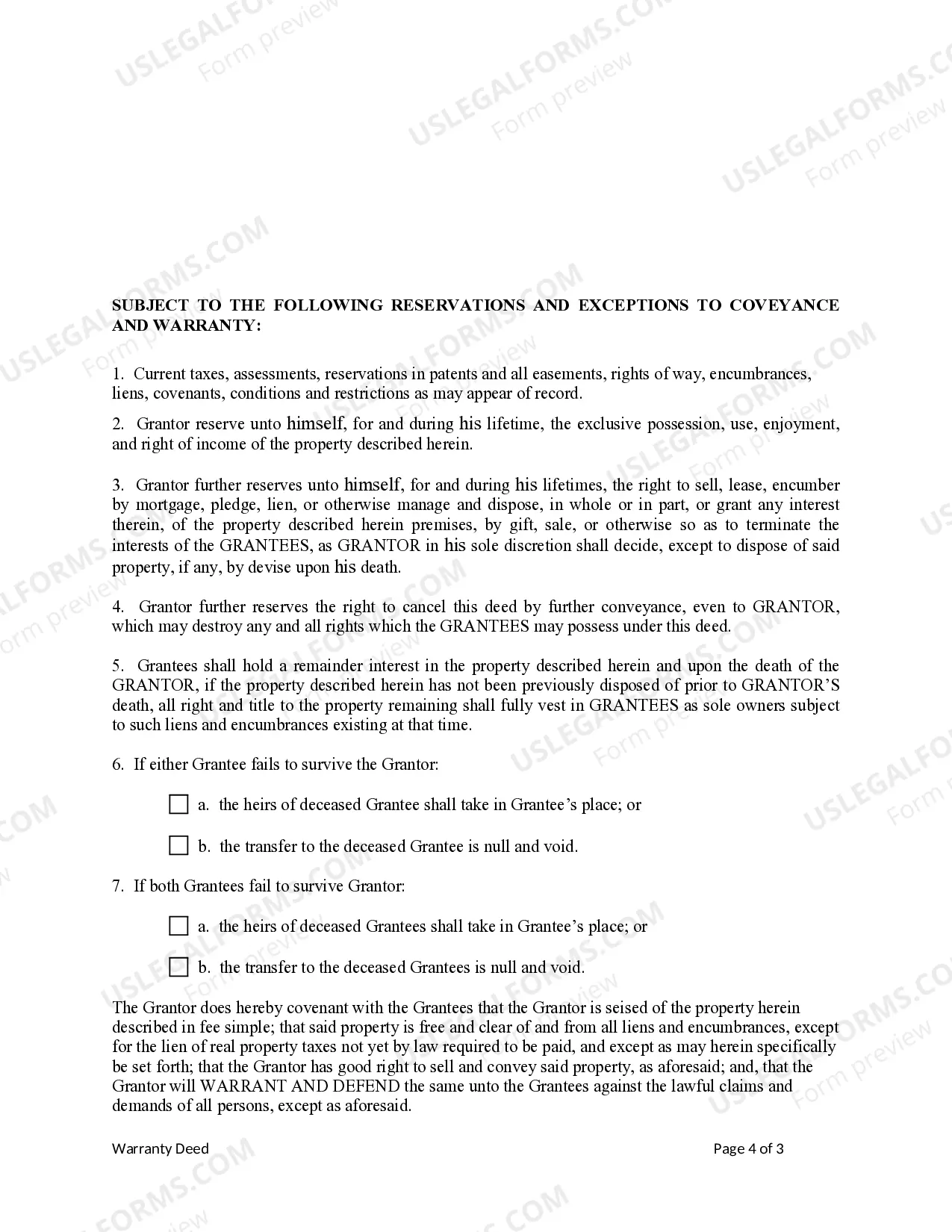
How to fill out New York Enhanced Life Estate Or Lady Bird Warranty Deed From Individual To Two Individuals?
- Log in to your US Legal Forms account if you're a returning user or create a new account if it's your first visit.
- Browse the extensive library of over 85,000 legal forms, and use the preview mode to verify that the enhanced life estate form meets your local jurisdiction requirements.
- If the initial choice doesn't fit your needs, utilize the search functionality to find the correct form.
- Select the desired subscription plan by clicking the Buy Now button. Register for an account to access the complete library.
- Complete your purchase using a credit card or PayPal to activate your subscription.
- Download the enhanced life estate form and save it on your device for easy access in the My Forms section of your profile.
In conclusion, US Legal Forms simplifies the legal document creation process, providing users access to a robust form collection and expert assistance.
Start planning for your future today by visiting US Legal Forms and take control of your estate planning needs.
Form popularity
FAQ
Enhanced life estate deeds are recognized and permitted in several states, including Florida, Michigan, and Texas, among others. These deeds provide significant benefits, such as avoiding probate and maintaining control over your property. To effectively implement an enhanced life estate for the future, check the specific regulations in your state, and consider using platforms like uslegalforms to navigate the paperwork smoothly.
Lady bird deeds, or enhanced life estate deeds, are primarily recognized in states like Florida and Texas, enabling homeowners to retain control over their property while ensuring it passes to their heirs without probate. They offer a beneficial way to manage property ownership and help avoid potential complications that can arise after death. If you are exploring an enhanced life estate for the future, these states are particularly advantageous for your estate planning.
Transfer-on-death deeds for real estate are allowed in several states, including Arizona, California, and Illinois. This option allows property owners to dictate who receives their real estate, bypassing probate entirely. For anyone considering an enhanced life estate for the future, exploring transfer-on-death options can also provide broader flexibility in estate planning.
Alternatives to a life estate include setting up a revocable living trust or utilizing a transfer-on-death deed, depending on your goals. A revocable living trust allows you to manage your assets during your lifetime while deciding their distribution after your passing. For those focused on an enhanced life estate for the future, these options also provide alternatives that can help simplify the transfer of property.
Most states in the U.S. recognize enhanced life estate deeds, also known as lady bird deeds. Typically, Florida, Texas, and Michigan are some of the states where these deeds are particularly popular. If you’re considering planning your estate with an enhanced life estate for the future, it’s essential to consult local laws and possibly seek professional advice to ensure compliance.
A life estate deed grants an individual the right to use their property during their lifetime, after which the property transfers to designated beneficiaries. An enhanced life estate deed, often referred to as a lady bird deed, allows the original owner to retain the right to sell or alter the property without needing consent from the beneficiaries. This means that with an enhanced life estate for the future, you maintain more control over your asset while ensuring a smoother transfer process after your passing.
Yes, a life estate can indeed be established through a will. When a will specifies that a person can use a property for their lifetime, it creates a life estate. This arrangement ensures that the property is passed on according to your wishes after your passing, allowing for an enhanced life estate for the future, which helps streamline the transfer process and protect assets from legal complications.
The two main types of life estate are the standard life estate and the enhanced life estate. A standard life estate allows a person to use the property during their lifetime, but it does not protect it from creditors. In contrast, the enhanced life estate offers more benefits, such as avoiding probate and providing a smoother transition of ownership, making it a valuable option for those planning for the future.
The downside of a life estate primarily involves potential limitations on property use. Since life tenants do not fully own the property, they cannot sell or mortgage it without consent from the remainderman. Additionally, the obligations for property maintenance and taxes continue, which can cause financial strain. While an enhanced life estate for the future provides many benefits, it's essential to weigh these drawbacks when considering your estate plan.
An example of an enhanced life estate deed would be a situation where the property owner says, 'I transfer my house to myself for my lifetime, and upon my death, it goes to my children.' This language establishes an enhanced life estate for the future, clarifying the rights of the life tenant and the eventual heirs. Such a deed prevents complications, as the property automatically transfers to the children without going through probate. This helps create a seamless transition for the family.