Legal Description Of Property Example For Property
Description
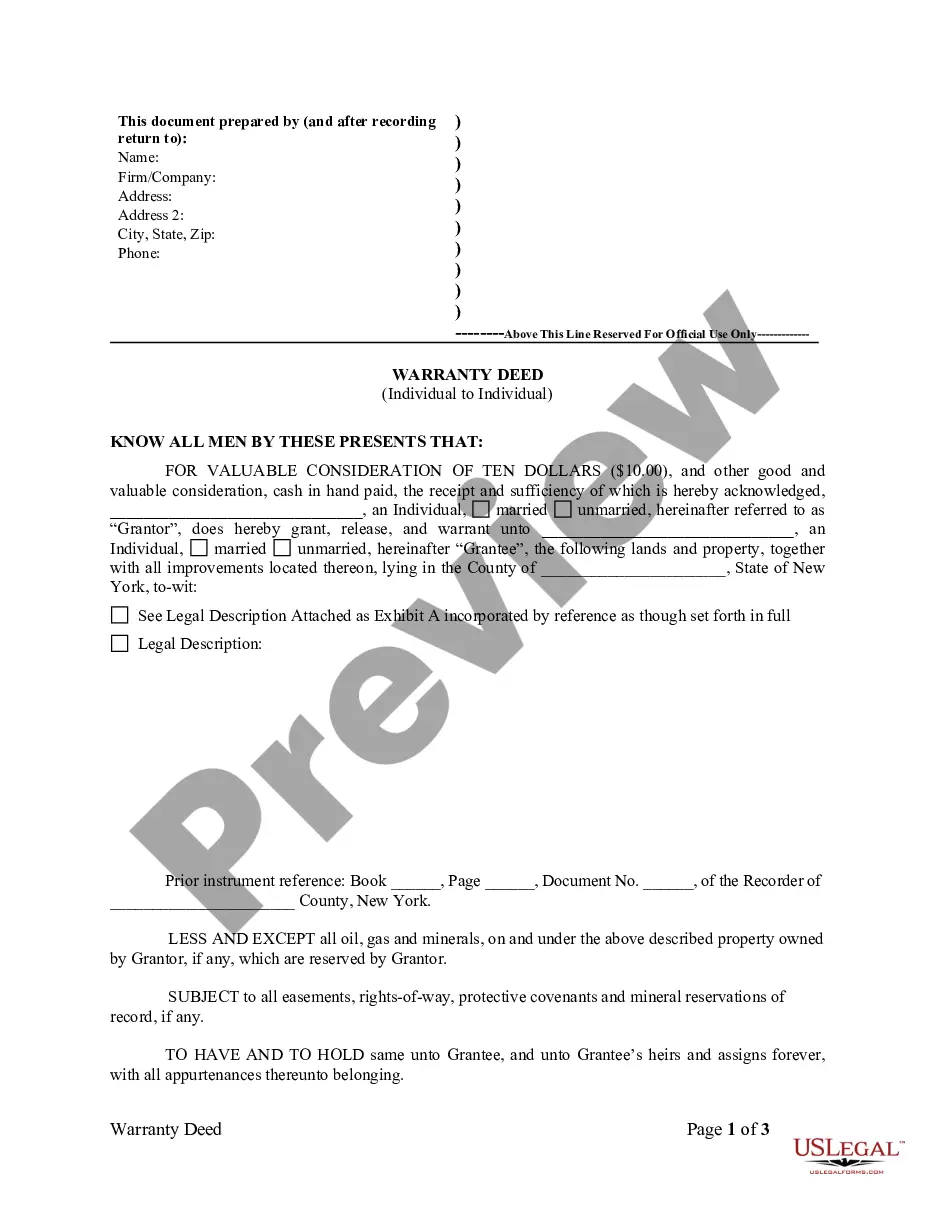
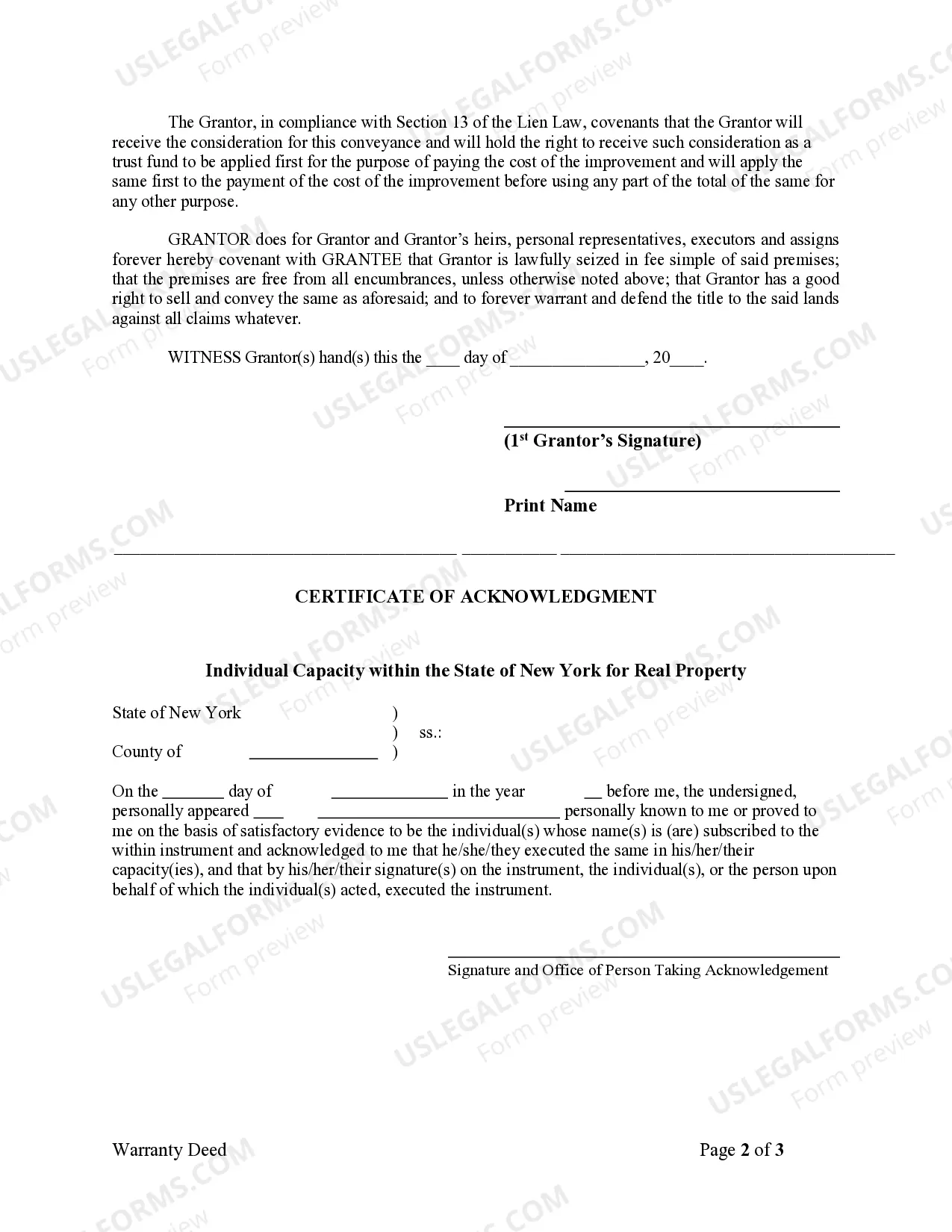
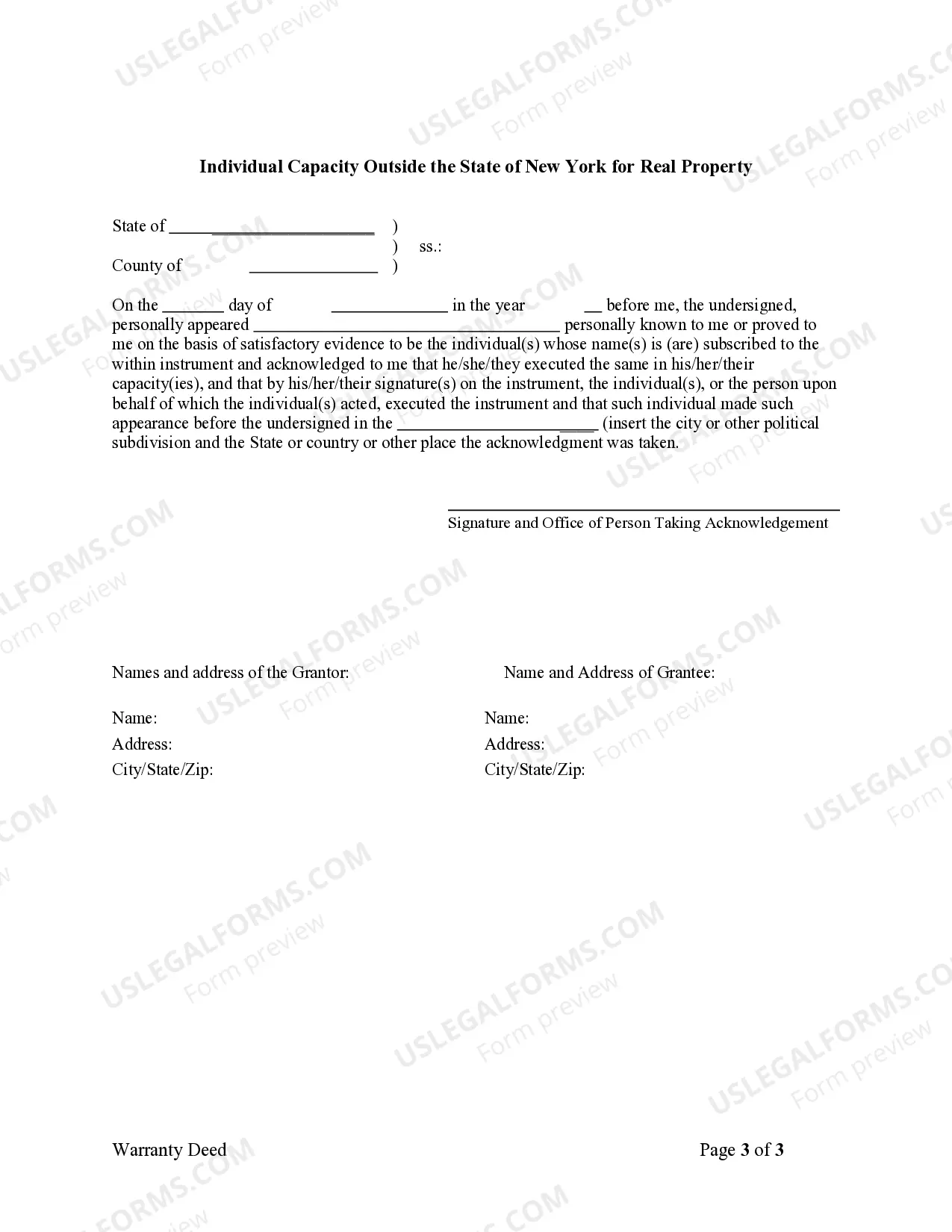

How to fill out New York Warranty Deed From Individual To Individual?
Legal management can be perplexing, even for the most seasoned experts.
When you are interested in a Legal Description Of Property Example For Property and don’t have the opportunity to spend time searching for the correct and updated version, the procedures may be challenging.
US Legal Forms meets any needs you may have, from personal to business documents, all in one location.
Utilize advanced tools to complete and manage your Legal Description Of Property Example For Property.
Here are the steps to follow after locating the form you need: Verify that this is the correct form by previewing it and checking its details. Ensure that the sample is accepted in your state or county. Click Buy Now when you are ready. Select a monthly subscription plan. Choose the format you need, and Download, complete, eSign, print, and deliver your documents. Take advantage of the US Legal Forms online library, backed by 25 years of experience and dependability. Transform your everyday document management into a simple and user-friendly process today.
- Access a repository of articles, guides, and manuals relevant to your circumstances and requirements.
- Save time and effort searching for the documents you require, and use US Legal Forms’ advanced search and Preview tool to find Legal Description Of Property Example For Property and download it.
- If you have a membership, Log In to your US Legal Forms account, search for the form, and download it.
- Check your My documents tab to view the documents you previously downloaded and to manage your folders as you see fit.
- If it’s your first time with US Legal Forms, create a free account and gain unlimited access to all platform benefits.
- A robust online form library could be transformative for anyone looking to navigate these situations effectively.
- US Legal Forms is a frontrunner in online legal forms, with over 85,000 state-specific legal forms available to you at any time.
- With US Legal Forms, you can access state- or county-specific legal and organizational forms.
Form popularity
FAQ
The best place to find a legal description is usually the most recent deed to the property (the deed that conveyed the property to the current owner). The legal description is usually contained in the body of the deed.
Fractional Designation: The most common form seen. A fractional designation uses rectangular surveying to correctly describe the land in sections. Metes and Bounds: This form of description uses references, such as streets and rivers to identify each point of the property (north, south, east, and west).
Property definition says that a property is anything that is owned by a person or a business. A property could be a tangible item such as land, car, or clothing or an intangible item such as stocks, patents, etc.
A property description is the written portion of a real estate listing that describes the real estate for sale or lease. Nowadays, most buyers begin their property search online. Therefore, real estate descriptions are your best chance to sway buyers and sellers.
Metes and bounds landmarks are often used in a ?legal description? of a land. Legal description is the geographical description of a land that identifies its precise location, and is kept with the deed of the land.