Home Inspection
Description
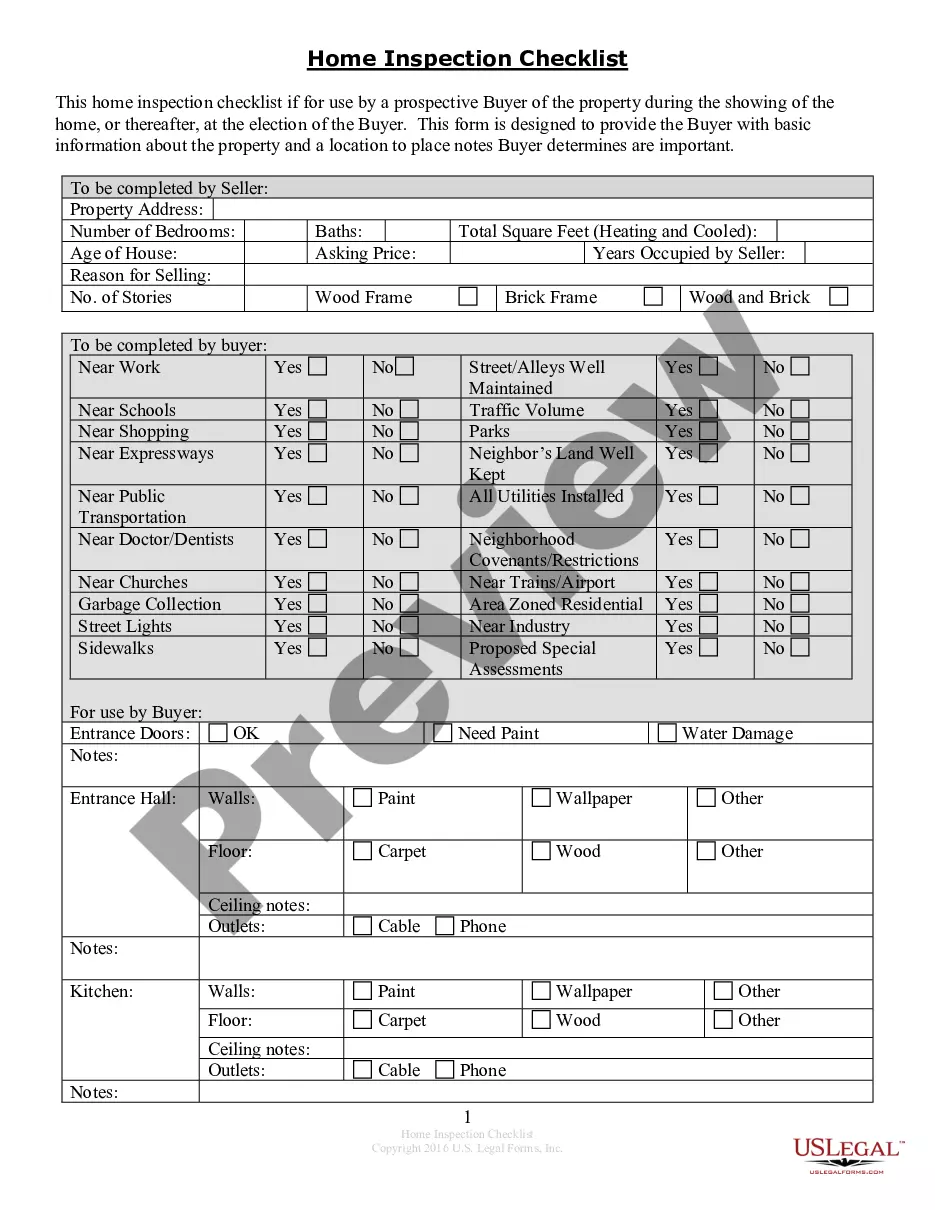
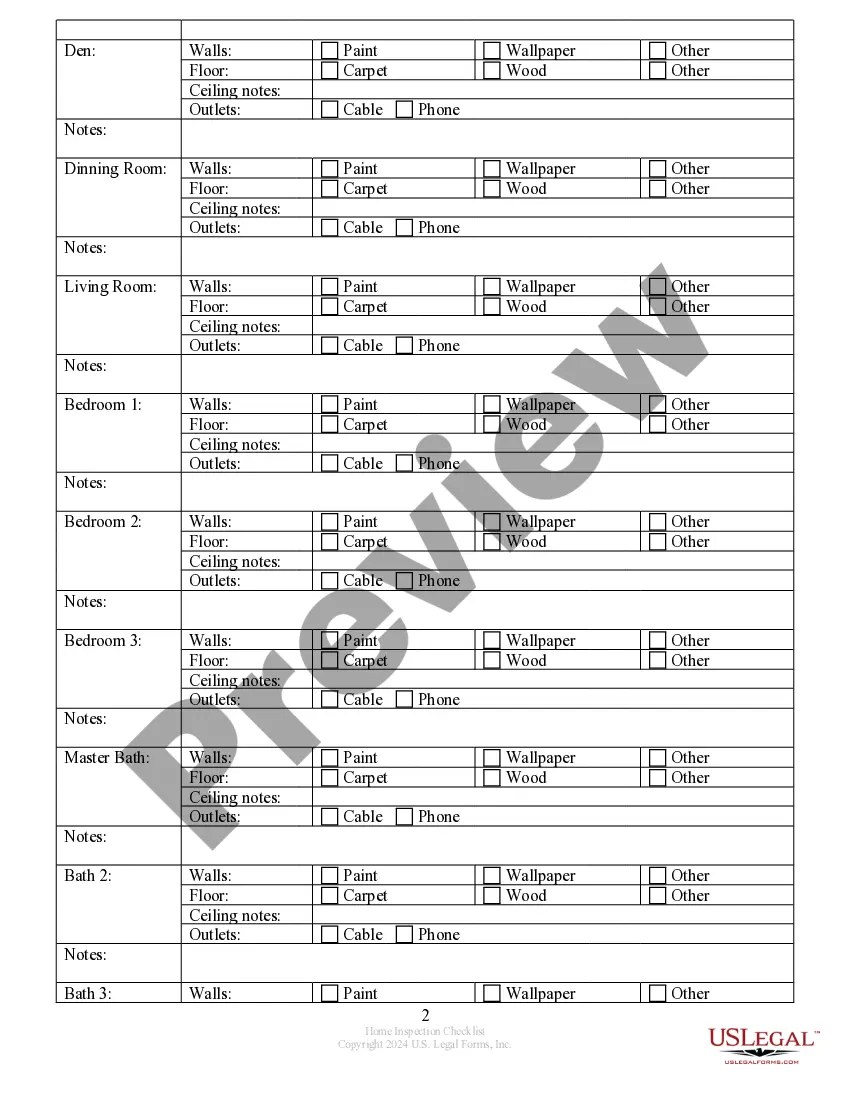
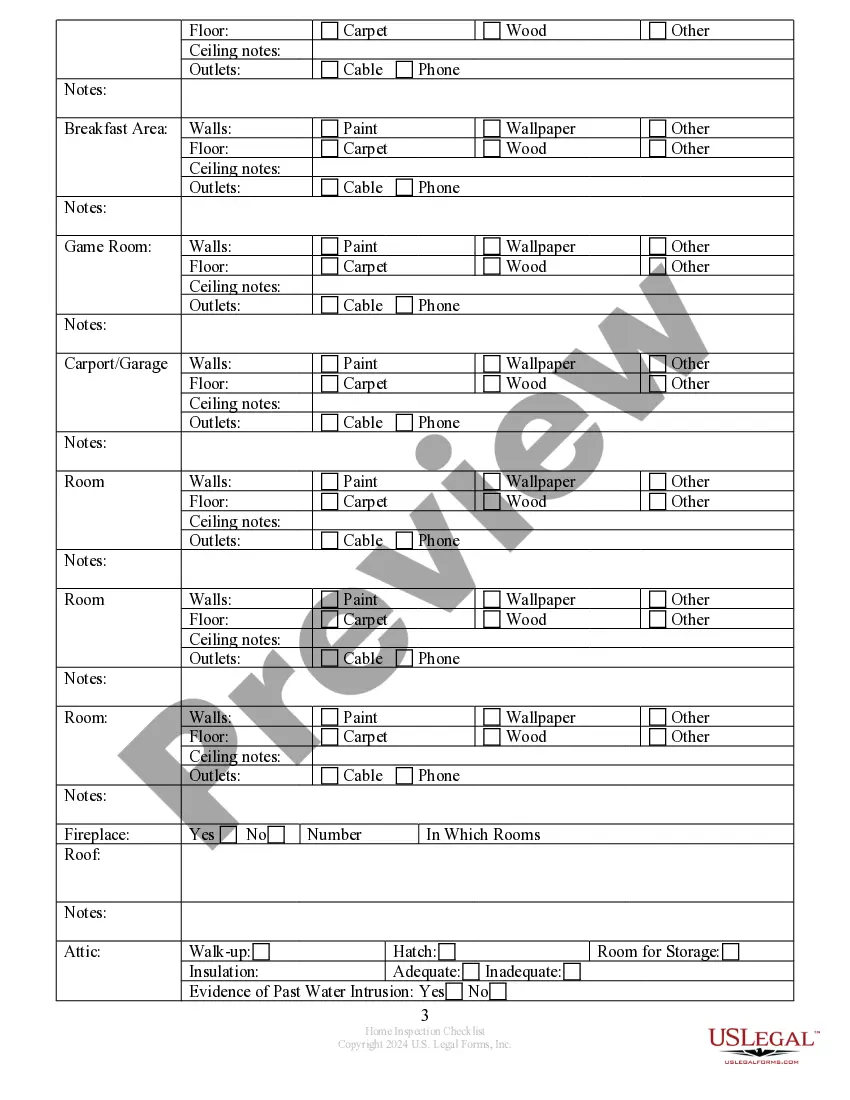
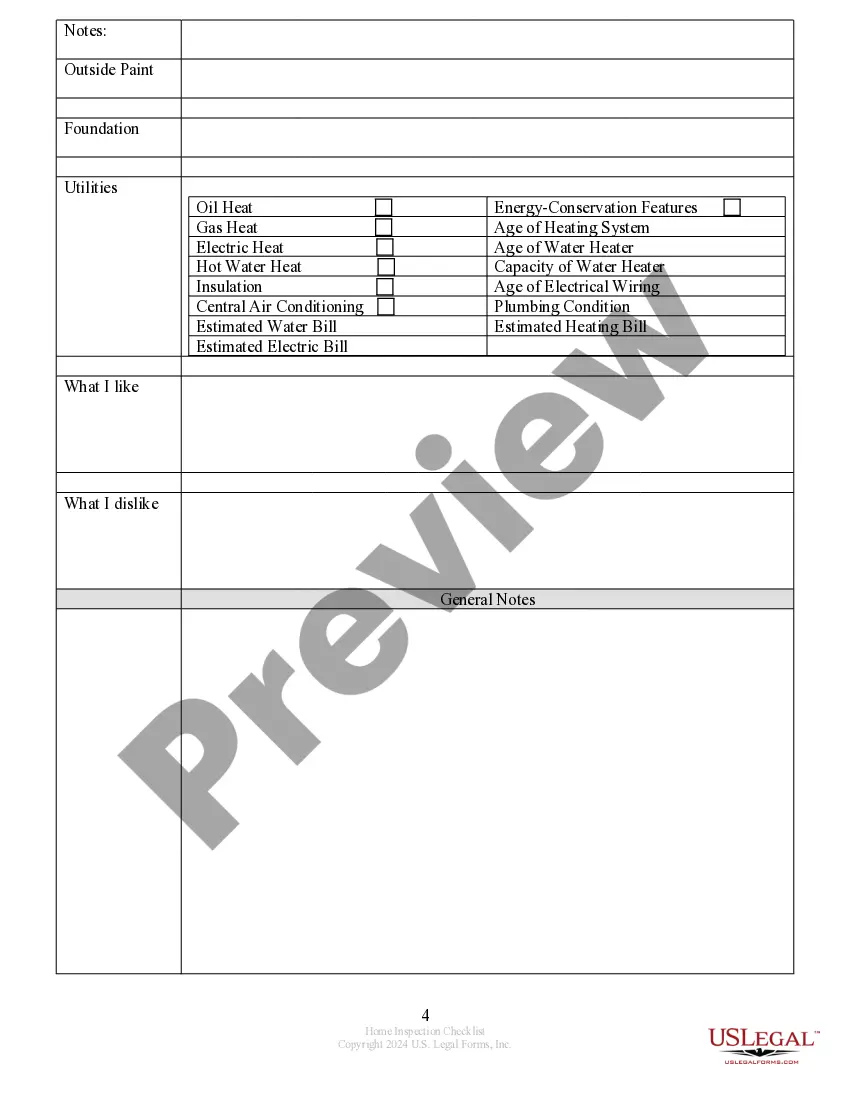
Get your form ready online
Our built-in tools help you complete, sign, share, and store your documents in one place.
Make edits, fill in missing information, and update formatting in US Legal Forms—just like you would in MS Word.
Download a copy, print it, send it by email, or mail it via USPS—whatever works best for your next step.
Sign and collect signatures with our SignNow integration. Send to multiple recipients, set reminders, and more. Go Premium to unlock E-Sign.
If this form requires notarization, complete it online through a secure video call—no need to meet a notary in person or wait for an appointment.
We protect your documents and personal data by following strict security and privacy standards.

Make edits, fill in missing information, and update formatting in US Legal Forms—just like you would in MS Word.

Download a copy, print it, send it by email, or mail it via USPS—whatever works best for your next step.

Sign and collect signatures with our SignNow integration. Send to multiple recipients, set reminders, and more. Go Premium to unlock E-Sign.

If this form requires notarization, complete it online through a secure video call—no need to meet a notary in person or wait for an appointment.

We protect your documents and personal data by following strict security and privacy standards.
Looking for another form?








How to fill out New York Buyer's Home Inspection Checklist?
- If you're a returning user, log into your account to download the necessary home inspection form. Verify your subscription status and renew it if needed.
- For first-time users, start by previewing the form descriptions to find a template that aligns with your local jurisdiction requirements.
- Use the Search tab to locate alternative templates if your initial choice does not meet your specific needs.
- To purchase the document, click on the Buy Now button, select a subscription plan, and create an account to access the library.
- Complete your purchase by providing your payment details through credit card or PayPal.
- Finally, download your completed form and save it to your device, where you can access it again via the My Forms section.
With the help of US Legal Forms, you can ensure that your home inspection documentation is accurate and legally sound, thanks to access to premium experts.
Don’t wait any longer—take advantage of this comprehensive library and simplify your home inspection process today!
Form popularity
FAQ
In Ohio, the annual income for home inspectors varies, but it typically ranges from $40,000 to $70,000, depending on experience and the volume of inspections conducted. Many inspectors can increase their earnings by performing additional services or specializing in certain inspection types. A successful career in home inspection can provide both financial stability and job satisfaction.
The 4 point inspection process focuses on evaluating the roof, electrical system, plumbing system, and HVAC system. Inspectors carefully assess each of these elements for safety, functionality, and potential issues. This focused inspection provides significant insights into the home’s condition and is often a requirement for some insurance providers.
While you can inspect your own home, it's not recommended due to the complexity of many systems. A professional home inspector possesses the necessary training and experience to identify issues that may not be visible to an untrained eye. Relying on a certified inspector for a home inspection ensures a comprehensive evaluation.
The four phases of a home inspection usually encompass planning, the actual inspection, reporting, and follow-up. During the planning phase, the inspector outlines the scope and schedule. The actual inspection consists of assessing key home components, followed by compiling a detailed report for the homeowner, which is vital for understanding the condition of the property.
As of now, approximately 30 states in the U.S. require home inspectors to hold a license. This regulation is essential for upholding the quality of home inspections nationwide. Each state has its own licensing requirements, so it’s important to be aware of the regulations applicable in your state.
Home inspectors must be licensed in Ohio to operate legally. This requirement helps maintain high standards in the home inspection industry, providing peace of mind for homebuyers. Choosing a licensed inspector guarantees you receive a thorough and professional home inspection.
Yes, Ohio requires home inspectors to be licensed to ensure they meet specific training and educational standards. This licensing process helps protect both the inspector and the homebuyer. By having your home inspection performed by a licensed professional, you can trust the quality and reliability of the assessment.
The four steps of a home inspection include preparation, observation, reporting, and follow-up. First, prepare by gathering documents and information about the home. Next, the inspector observes different components, such as the roof, plumbing, and electrical systems, documenting all findings. Afterward, you will receive a comprehensive report outlining the results, and a follow-up can help address any identified issues. Understanding these steps can make your home inspection experience smoother and more effective.
Completing your home inspection involves a series of steps that begin with scheduling the inspection and gathering necessary documentation. During the inspection, the professional will conduct a thorough evaluation of the home's structure, systems, and overall condition. After the inspection, you will receive a detailed report highlighting the findings and any recommendations for repairs or further evaluations. Utilizing platforms like US Legal Forms can help you manage documents efficiently throughout your home inspection journey.
To fill out an inspection report, start by gathering essential information about the property, such as its address and the date of the inspection. Next, systematically inspect each area of the home, noting any issues or areas of concern. Be sure to use clear language and include photos where necessary to support your findings. After completing the report, review it to ensure accuracy and clarity, as this document plays a critical role in your home inspection process.