Notice Period For Rent Increase Nsw
Description

Get your form ready online
Our built-in tools help you complete, sign, share, and store your documents in one place.
Make edits, fill in missing information, and update formatting in US Legal Forms—just like you would in MS Word.
Download a copy, print it, send it by email, or mail it via USPS—whatever works best for your next step.
Sign and collect signatures with our SignNow integration. Send to multiple recipients, set reminders, and more. Go Premium to unlock E-Sign.
If this form requires notarization, complete it online through a secure video call—no need to meet a notary in person or wait for an appointment.
We protect your documents and personal data by following strict security and privacy standards.

Make edits, fill in missing information, and update formatting in US Legal Forms—just like you would in MS Word.

Download a copy, print it, send it by email, or mail it via USPS—whatever works best for your next step.

Sign and collect signatures with our SignNow integration. Send to multiple recipients, set reminders, and more. Go Premium to unlock E-Sign.

If this form requires notarization, complete it online through a secure video call—no need to meet a notary in person or wait for an appointment.

We protect your documents and personal data by following strict security and privacy standards.
Looking for another form?






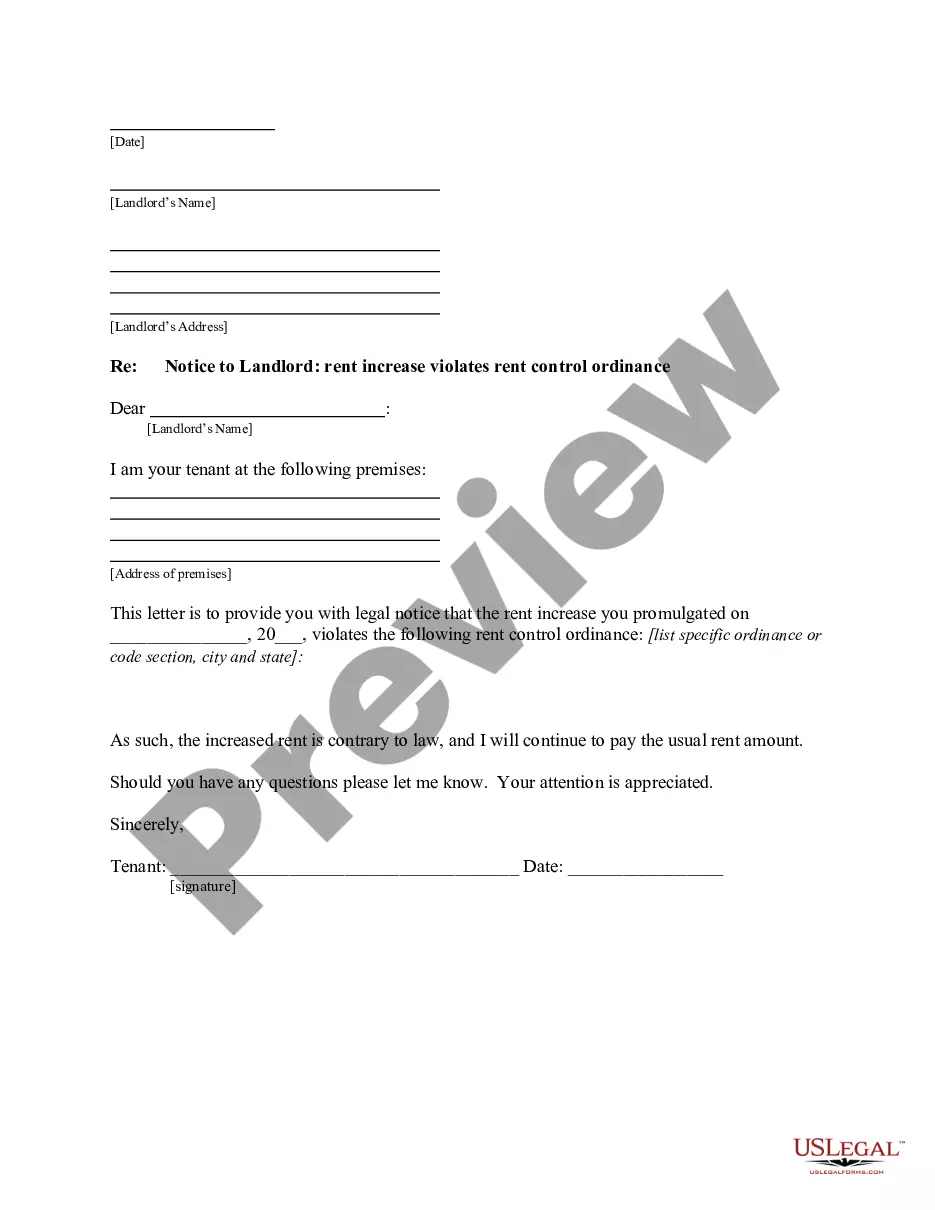
How to fill out Nevada Letter From Tenant To Landlord Containing Notice To Landlord To Withdraw Improper Rent Increase Due To Violation Of Rent Control Ordinance?
- Log in to your US Legal Forms account. If you're a returning user, simply access your account and ensure your subscription is active.
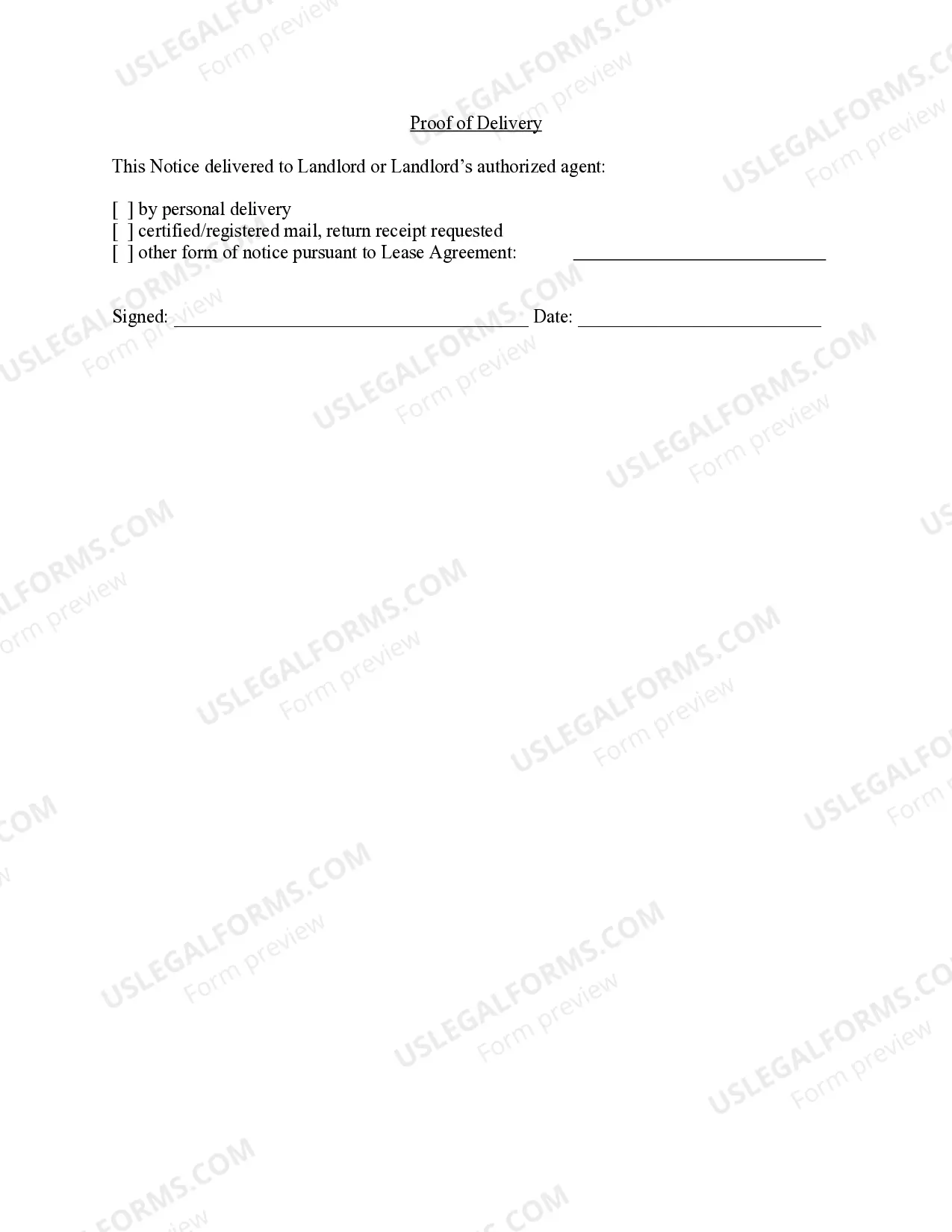
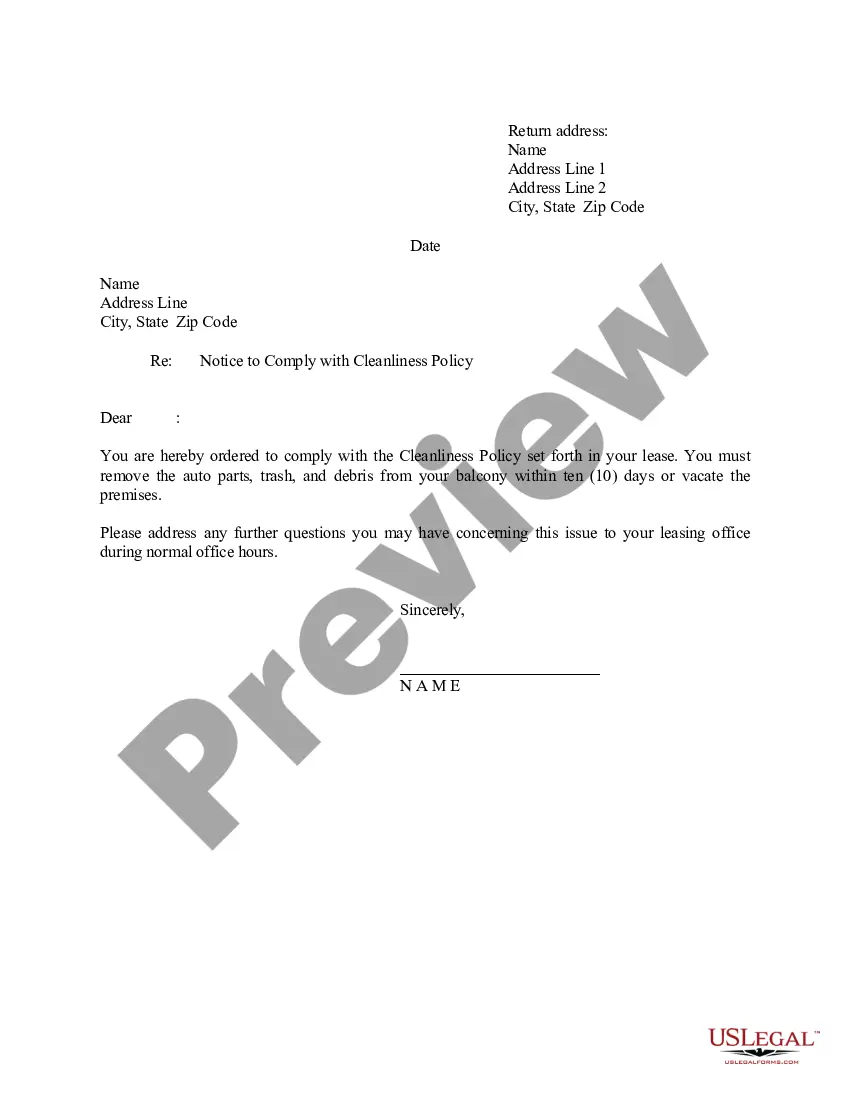
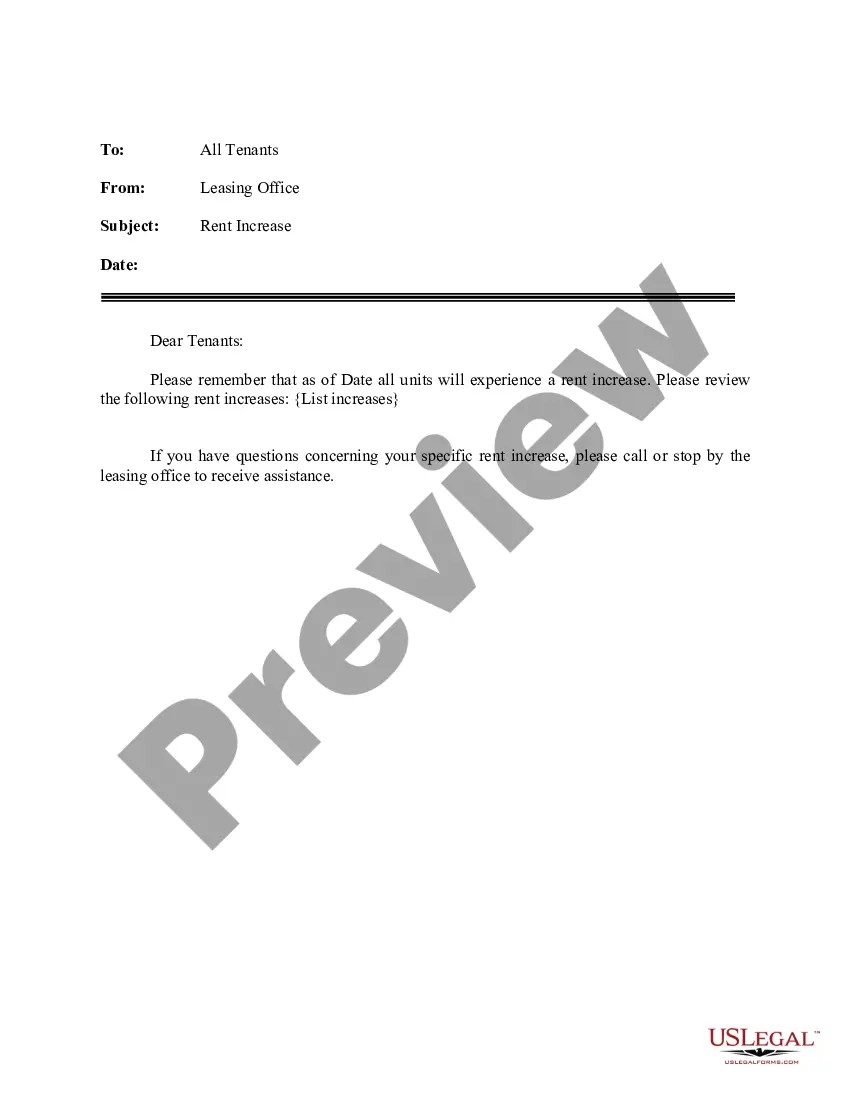
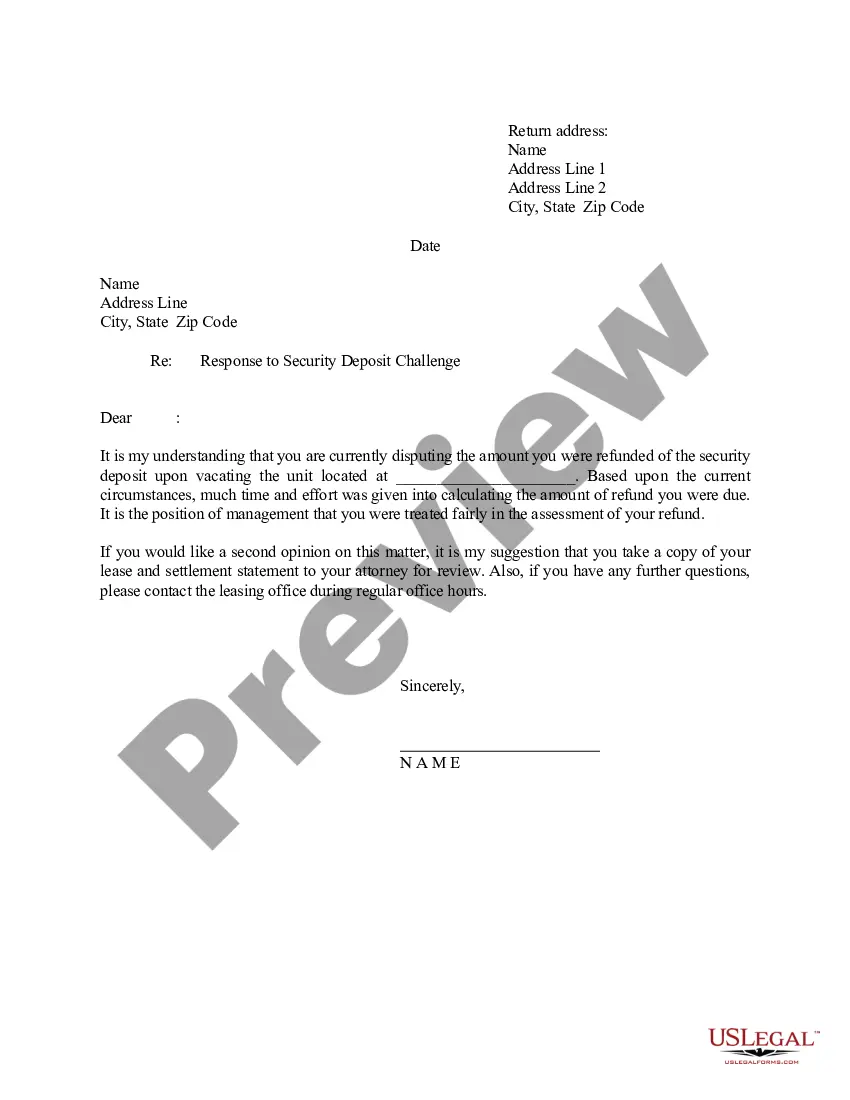
- Preview the document template that relates to the notice period for rent increase. Verify that it meets your specific legal requirements.
- If necessary, search for alternative templates. Utilize the search feature to find the most suitable option for your circumstances.
- Purchase the desired document. Click the 'Buy Now' button, select your preferred subscription plan, and register if you're a new user.
- Make your payment by entering your credit card information or using your PayPal account for secure processing.
- Download the completed form. Once your transaction is successful, save the document on your device for easy access whenever needed.
With US Legal Forms, you gain access to an extensive library of over 85,000 legal documents, ensuring you have the right tools at your fingertips. You'll also find premium expert support to assist in completing your forms accurately, guaranteeing they are legally sound.
Start managing your rental agreements efficiently today. Visit US Legal Forms and experience the ease of accessing essential legal documents.
Form popularity
FAQ
The minimum notice period in NSW for rental agreements varies. For fixed-term leases, a landlord can provide at least 30 days of notice, while periodic leases require a minimum of 90 days. It’s essential to be informed about the notice period for rent increase in NSW to ensure you are adequately prepared. Services like US Legal Forms offer guidance on these matters.
The minimum notice a landlord can give a tenant in NSW generally depends on the lease type. For fixed-term leases, the notice period can be as short as 30 days. For periodic leases, 90 days is the standard minimum. Familiarizing yourself with the notice period for rent increase in NSW will help you understand your rights as a tenant.
In NSW, the required notice period for tenants varies by lease type. For a fixed-term lease, it's typically 14 days, unless specified otherwise in the contract. For periodic leases, the notice can be at least 21 days. Knowing the notice period for rent increase in NSW is crucial to ensure compliance with legal regulations.
Yes, a tenant can change their mind after giving notice, but they must communicate this promptly to the landlord. However, the landlord may not be legally obligated to accept the retraction, depending on the situation. Always refer to the notice period for rent increase in NSW laws to navigate this process effectively. US Legal Forms can assist you in drafting any necessary communications.
In NSW, a landlord must give specific notice based on the lease term. For a fixed-term lease, the notice period can be 30 days, while for a periodic lease, it may be 90 days. Always check for any variations stipulated in your lease agreement. Understanding the notice period for rent increase in NSW can also clarify your landlord's obligations.
To effectively argue a rent increase, gather evidence to support your case. This could include comparisons with similar properties in your area and any economic changes that justify a lower rate. You may also want to reference the notice period for rent increase in NSW to ensure your landlord adheres to legal requirements. Resources like US Legal Forms can help you understand your rights and prepare your case.
In New South Wales, the notice period for rent increase is critical for landlords and tenants alike. Typically, landlords must provide at least 60 days' notice before any rent increase. This notice must be in writing and should clearly state the new rent amount and the effective date of the increase. Understanding the notice period for rent increase in NSW helps ensure compliance with the law and fosters a positive rental relationship.
In NSW, the maximum a landlord can raise rent depends on the type of tenancy agreement and current market conditions. Generally, landlords must provide a notice period for rent increase NSW, ensuring tenants can prepare for any financial changes. It's advisable to review local regulations or consult resources like USLegalForms for specific guidance tailored to your situation regarding permissible rent increases.
When discussing a rent increase with your landlord, express your understanding of market conditions or property improvements that may justify the increase. Politely mention the notice period for rent increase NSW to highlight your awareness of legal requirements. You may also want to share your positive experiences as a tenant, reinforcing your commitment to maintaining a good relationship.
Approaching your landlord about a rent increase requires a respectful and straightforward conversation. Start by discussing your current rental agreement and express your thoughts on any planned increases. It's helpful to reference the notice period for rent increase NSW, as it informs your landlord about legal expectations. Presenting your case with a calm demeanor can foster a productive dialogue.