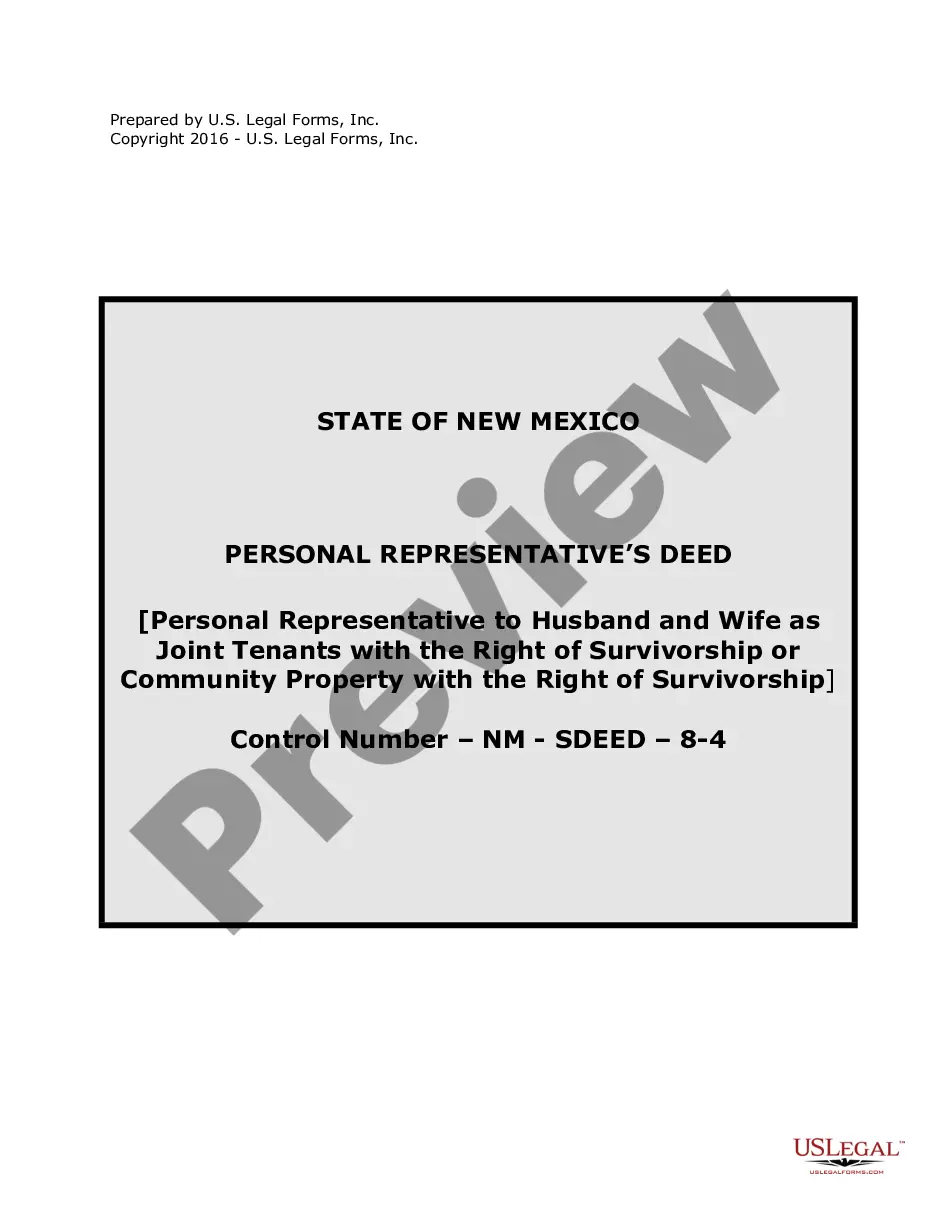
Personal Representative Deed Example With Distribution
Description
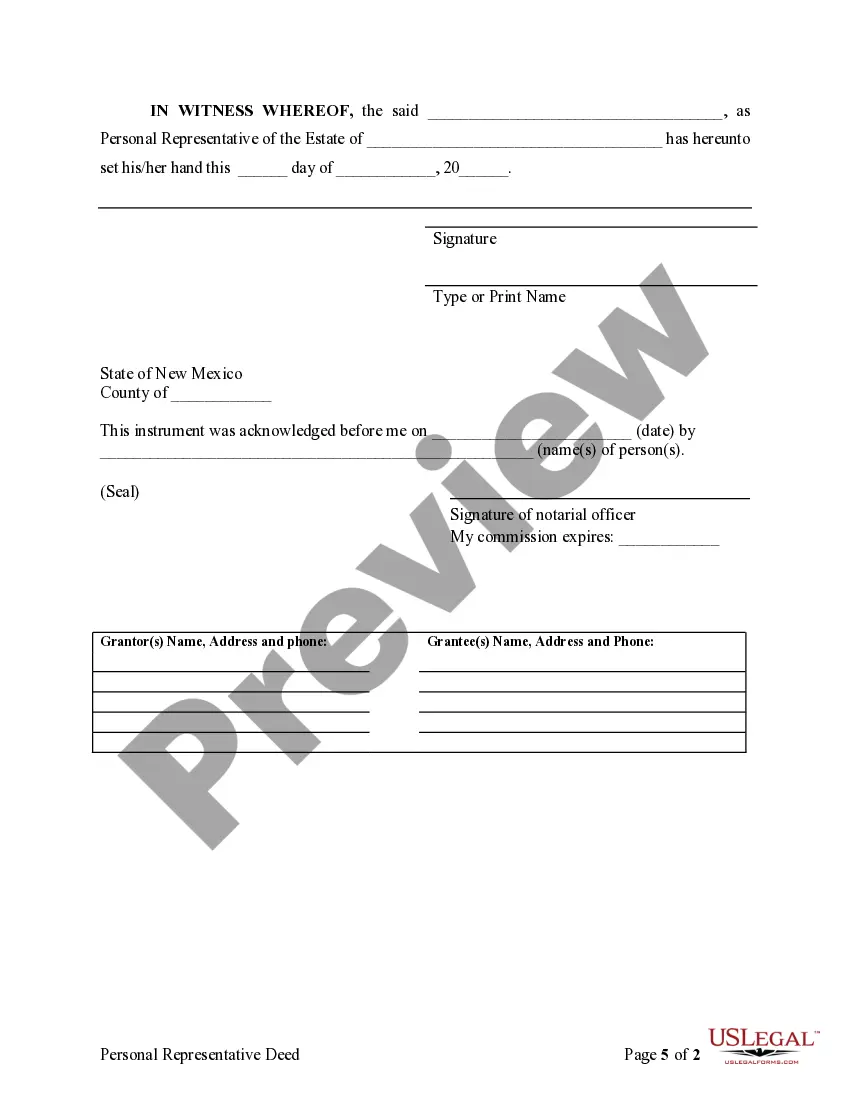


Get your form ready online
Our built-in tools help you complete, sign, share, and store your documents in one place.
Make edits, fill in missing information, and update formatting in US Legal Forms—just like you would in MS Word.
Download a copy, print it, send it by email, or mail it via USPS—whatever works best for your next step.
Sign and collect signatures with our SignNow integration. Send to multiple recipients, set reminders, and more. Go Premium to unlock E-Sign.
If this form requires notarization, complete it online through a secure video call—no need to meet a notary in person or wait for an appointment.
We protect your documents and personal data by following strict security and privacy standards.

Make edits, fill in missing information, and update formatting in US Legal Forms—just like you would in MS Word.

Download a copy, print it, send it by email, or mail it via USPS—whatever works best for your next step.

Sign and collect signatures with our SignNow integration. Send to multiple recipients, set reminders, and more. Go Premium to unlock E-Sign.

If this form requires notarization, complete it online through a secure video call—no need to meet a notary in person or wait for an appointment.

We protect your documents and personal data by following strict security and privacy standards.
Looking for another form?






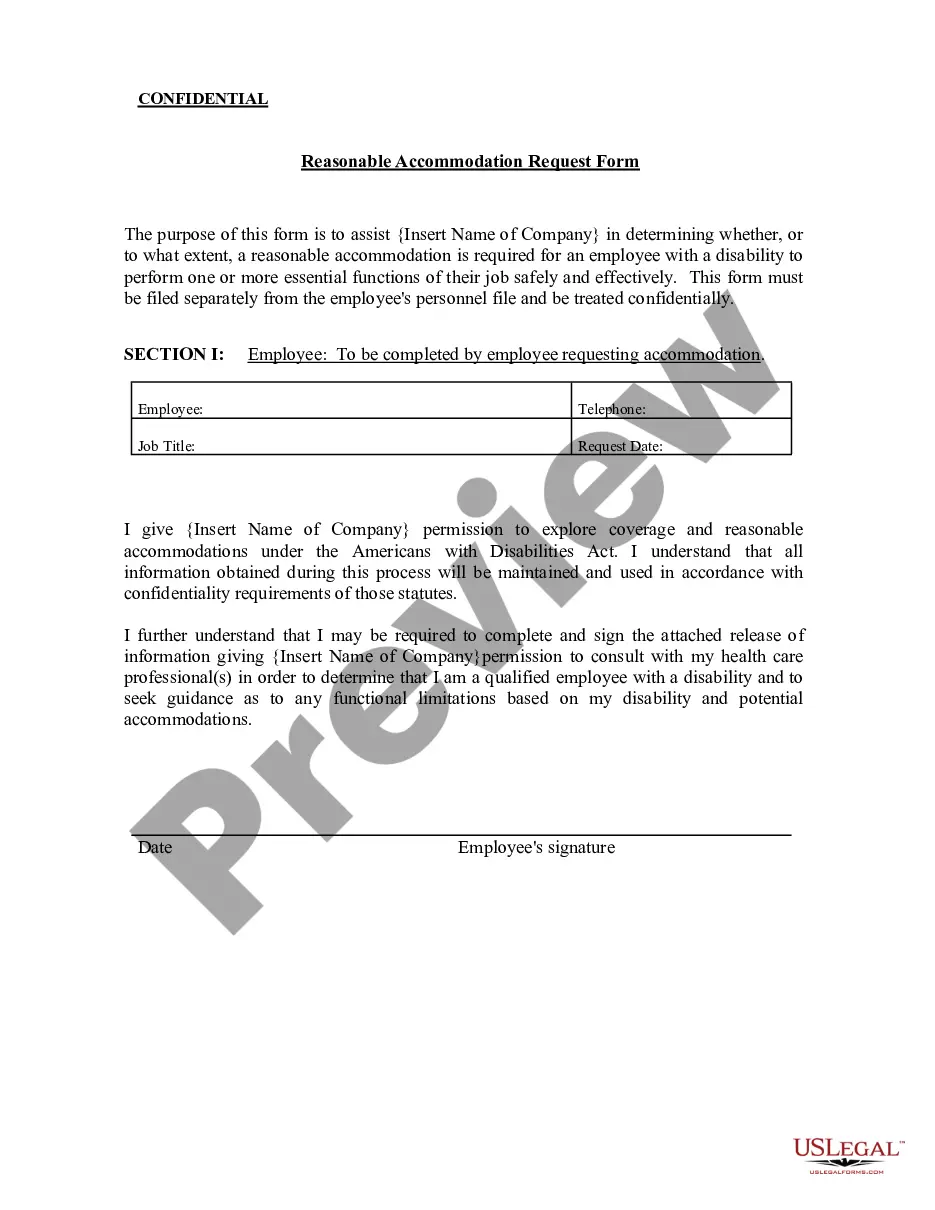
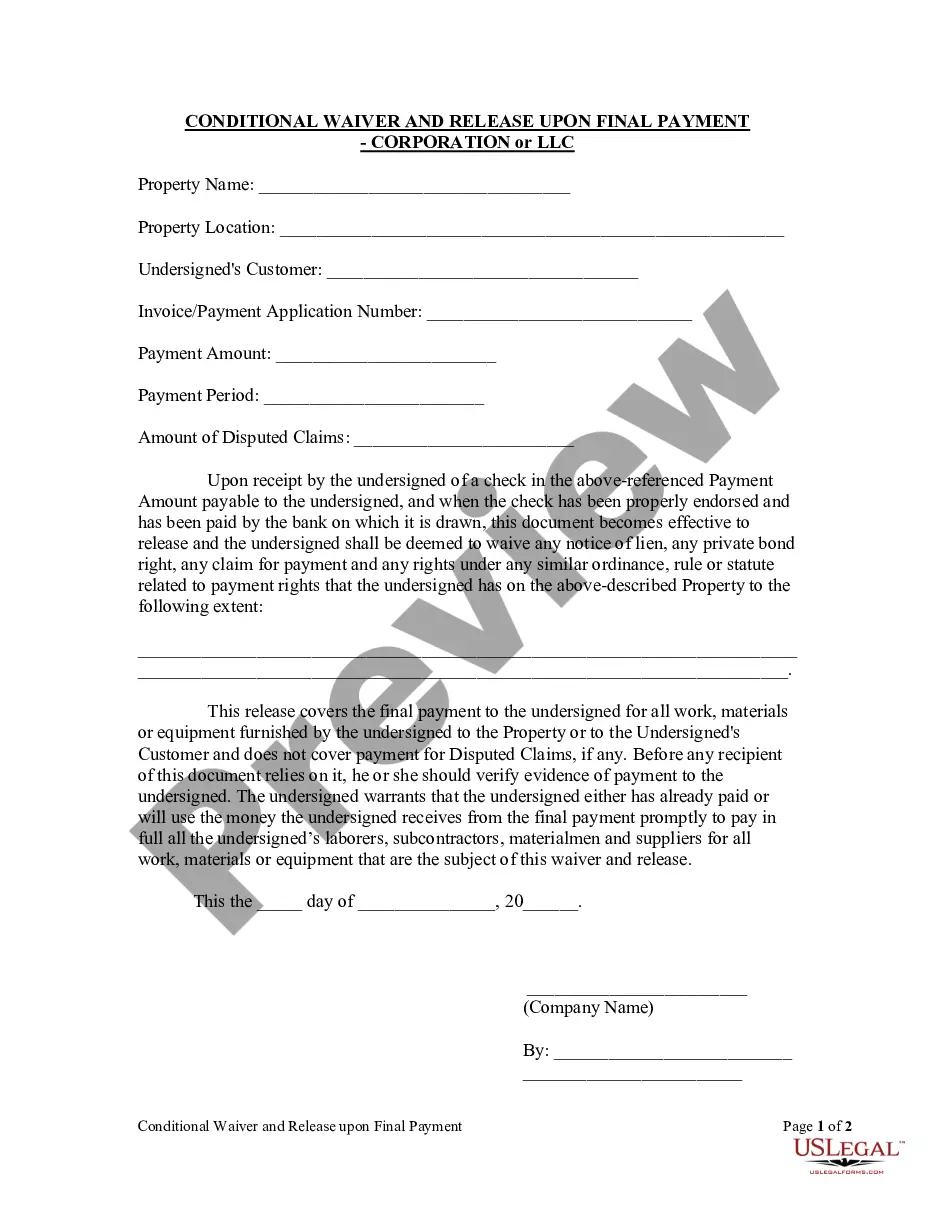
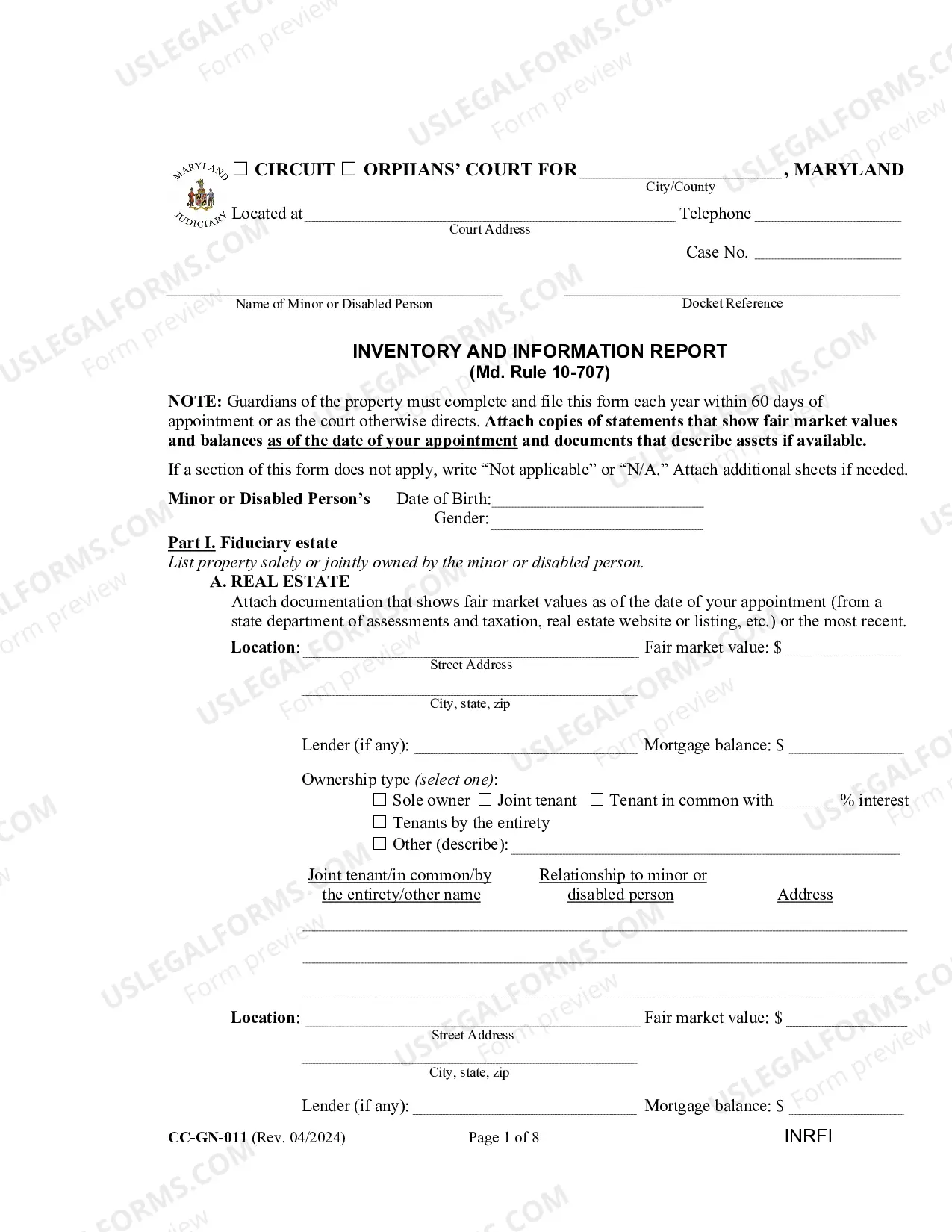
How to fill out New Mexico Quitclaim Deed For Personal Representative's Deed?
Legal paperwork management can be daunting, even for the most proficient professionals.
When you're seeking a Personal Representative Deed Example With Distribution and lack the time to invest in finding the appropriate and current version, the process can be taxing.
US Legal Forms accommodates all your needs, from personal to business documents, all in one location.
Utilize advanced tools to fill out and manage your Personal Representative Deed Example With Distribution.
Here are the steps to follow after acquiring the form you need: Verify it is the correct document by previewing it and examining its description. Ensure that the template is accepted in your state or county. Click Buy Now when you are ready. Select a subscription option. Choose the format you require, and Download, complete, sign, print, and submit your document. Take advantage of the US Legal Forms online catalog, backed by 25 years of experience and reliability. Streamline your daily document management in a seamless and user-friendly manner today.
- Tap into a valuable resource hub of articles, guides, and materials related to your situation and needs.
- Conserve time and effort searching for the forms you require, and utilize US Legal Forms’ sophisticated search and Preview tool to locate the Personal Representative Deed Example With Distribution and obtain it.
- If you possess a membership, Log In to your US Legal Forms account, search for the document, and obtain it.
- Check your My documents tab to review the documents you have previously saved and to manage your folders as necessary.
- If this is your first experience with US Legal Forms, create an account and gain unlimited access to all the advantages of the library.
- A robust online form directory could transform the experience for anyone looking to manage these matters effectively.
- US Legal Forms stands as a frontrunner in online legal documents, offering over 85,000 state-specific legal forms accessible at any time.
- With US Legal Forms, you can access legal and business forms specific to your state or county.
Form popularity
FAQ
Generally, distributions from an estate to beneficiaries are not considered taxable income for the recipients. However, certain circumstances may lead to tax implications, such as income generated by the estate before distribution. It's wise to consult a tax professional for specific advice. A personal representative deed example with distribution can clarify how assets transfer, helping beneficiaries understand any potential tax obligations.
The final estate distribution letter is a document that informs beneficiaries about how the estate's assets will be distributed. It outlines the specific shares each beneficiary will receive and confirms the completion of the distribution process. A personal representative deed example with distribution can help illustrate what this letter should include and how it ensures transparency in the estate settlement.
To file a deed of distribution in South Carolina, you need to prepare the document according to state guidelines and have it signed by the personal representative. Once completed, file it with the probate court in the county where the estate is administered. A personal representative deed example with distribution can be a great reference to ensure you meet all requirements during this filing.
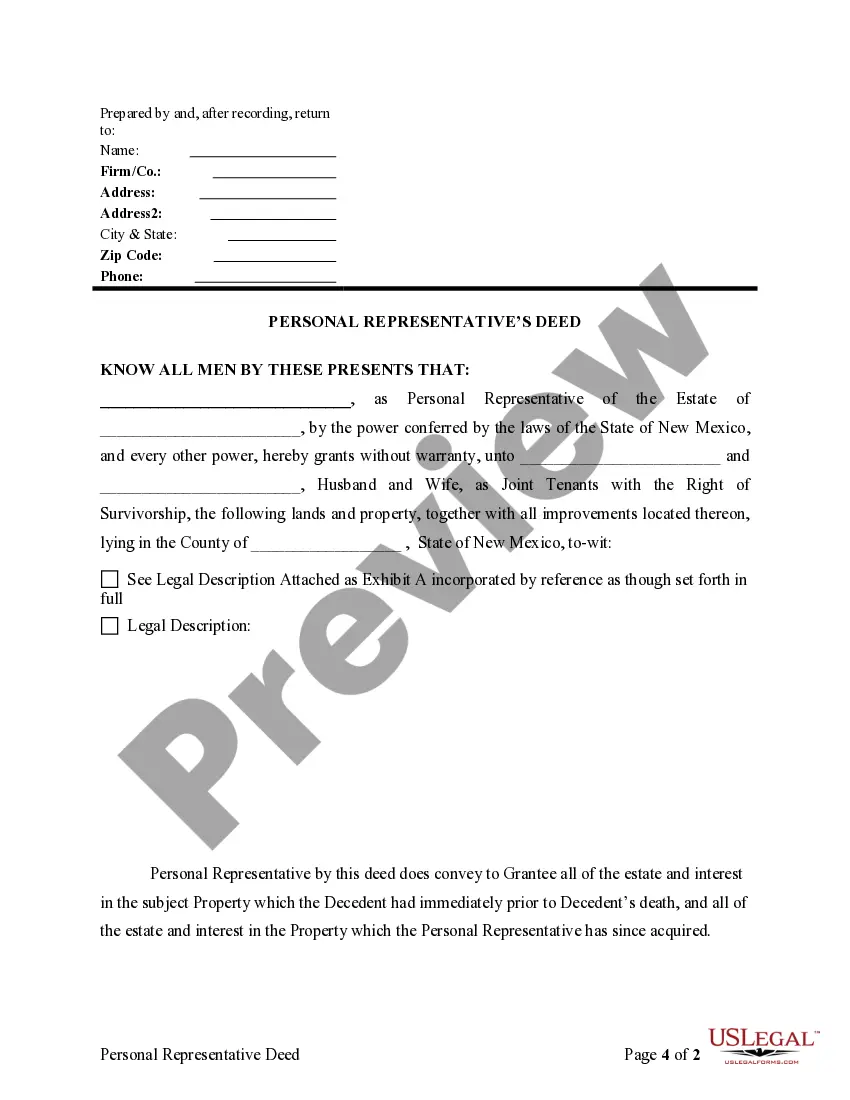
A deed of distribution is a legal document that facilitates the transfer of assets from an estate to its beneficiaries. This deed serves as proof that the personal representative has fulfilled their duties in distributing the estate's assets as per the will or state laws. Utilizing a personal representative deed example with distribution can simplify understanding of this important process.
The correct order of payment from an estate typically follows a structured path. First, debts and funeral expenses are settled, followed by taxes owed by the estate. After these obligations are met, distributions to beneficiaries can proceed. A personal representative deed example with distribution outlines this process clearly, ensuring all parties understand their roles.
A deed of distribution and a standard deed serve different purposes in property transfer. The deed of distribution specifically relates to the transfer of assets from a deceased person's estate to their beneficiaries. It outlines how the property is divided according to the will or state law. If you're looking for a personal representative deed example with distribution, USLegalForms offers templates that can simplify this process.
In South Carolina a Deed of Distribution releases real property such as a house or land from the deceased persons name to the name of the beneficiary. This is usually one of the last steps in the probate procedure and is done after the eight month creditor period has expired.
Deed of Distribution: The DEED OF DISTRIBUTION must be used to transfer any real estate/real property. After all claims have been settled and you are ready to transfer the property to someone, you need to fill out the DEED OF DISTRIBUTION and record it with the County Recorder.
Proof that a distributee has received an instrument or deed of distribution of assets in kind, or payment in distribution, from a personal representative, is conclusive evidence that the distributee has succeeded to the interest of the estate in the distributed assets, as against all persons interested in the estate, ...
A copy of the recorded Deed of Distribution needs to be filed at the Probate Court. Real property located in other South Carolina counties will require the Deed of Distribution be recorded in that location. You should then deliver the recorded Deed of Distribution to the new owners of the property.