New Mexico Parenting Plan With Supervised Visitation
Description
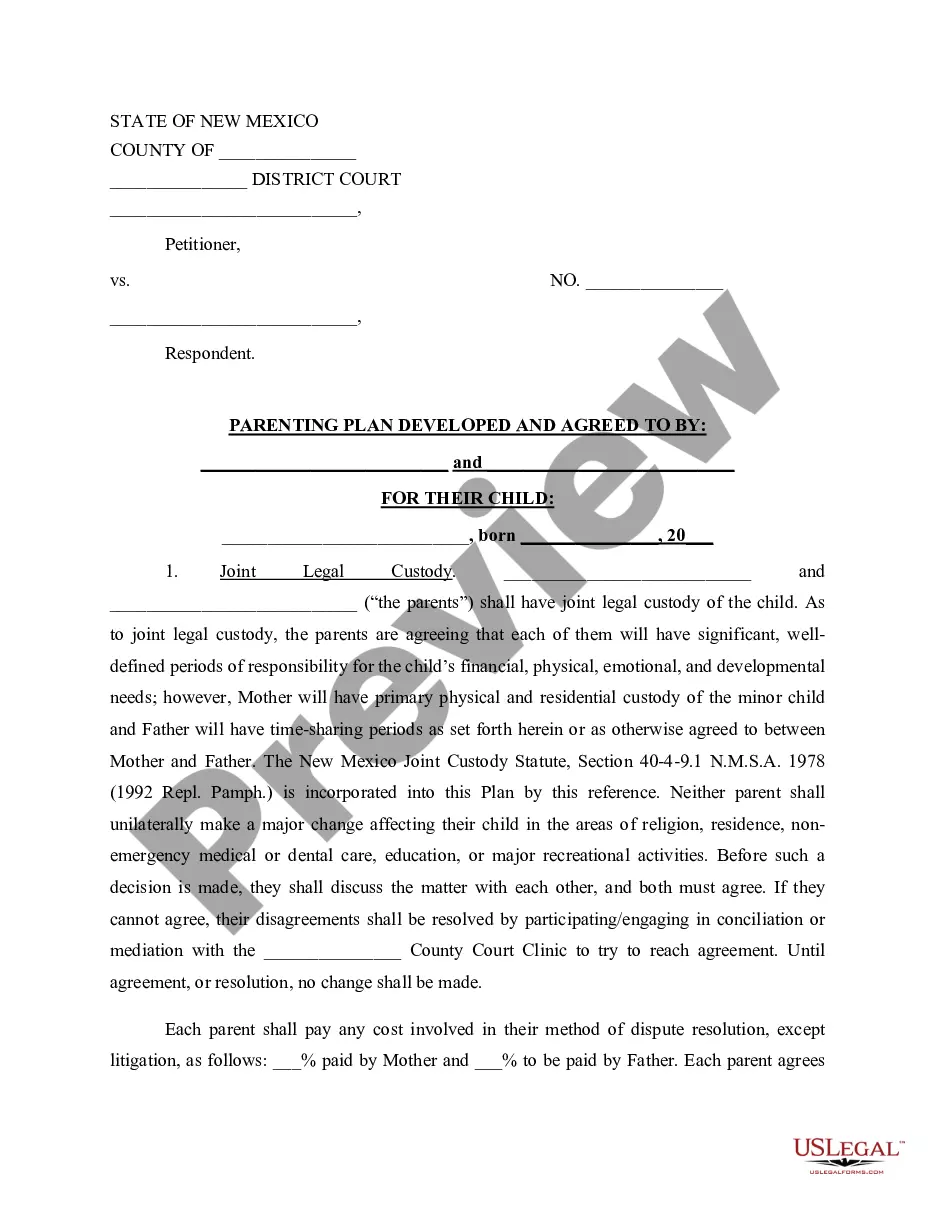
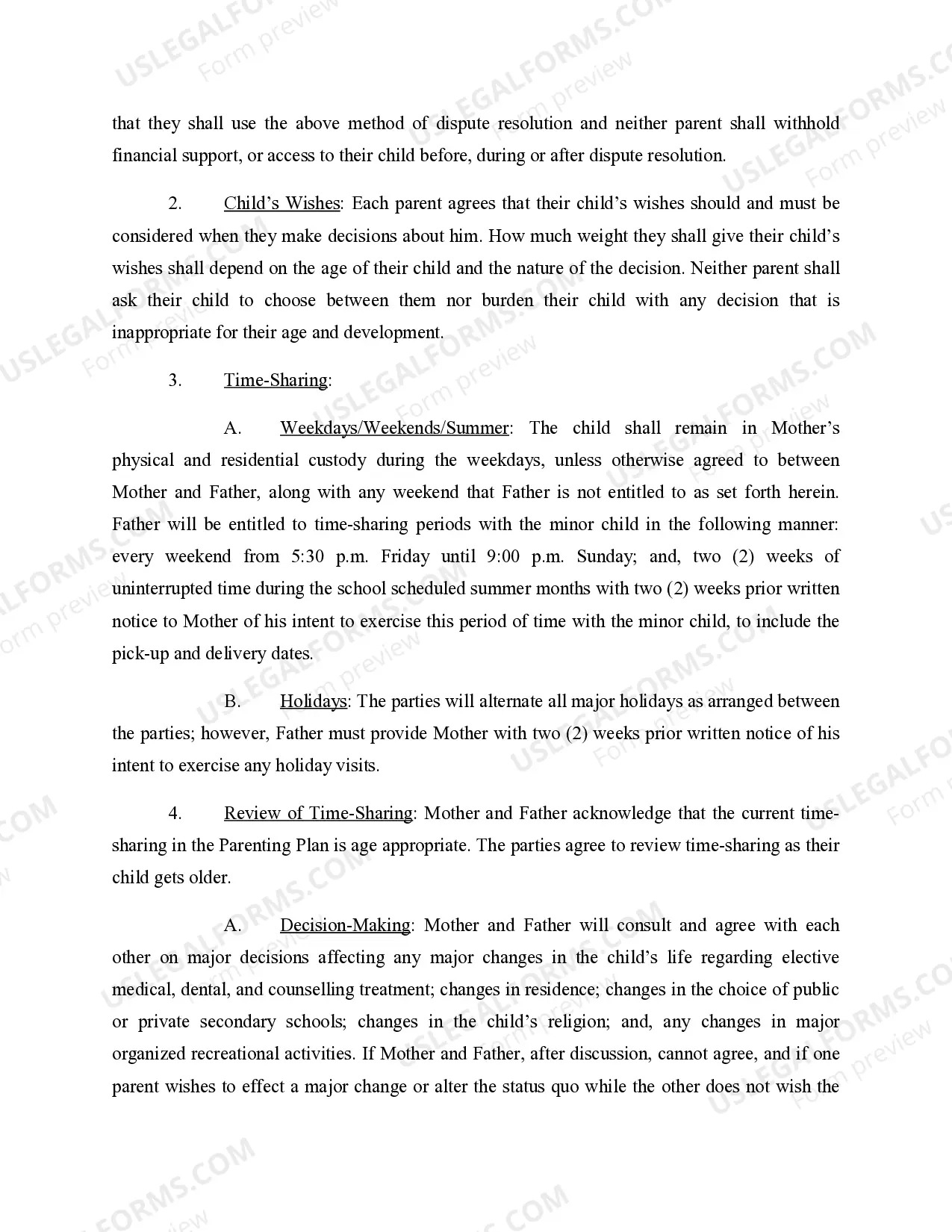
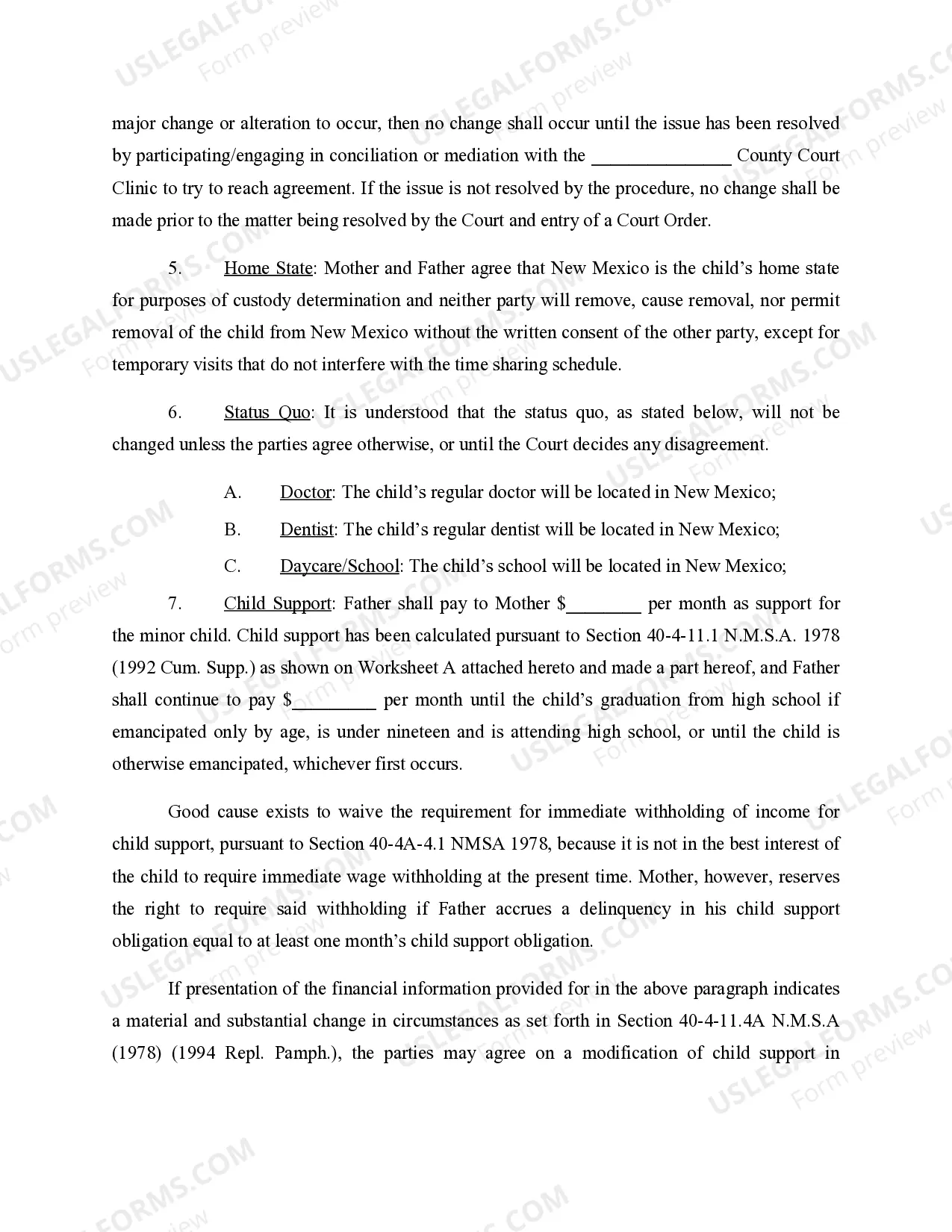
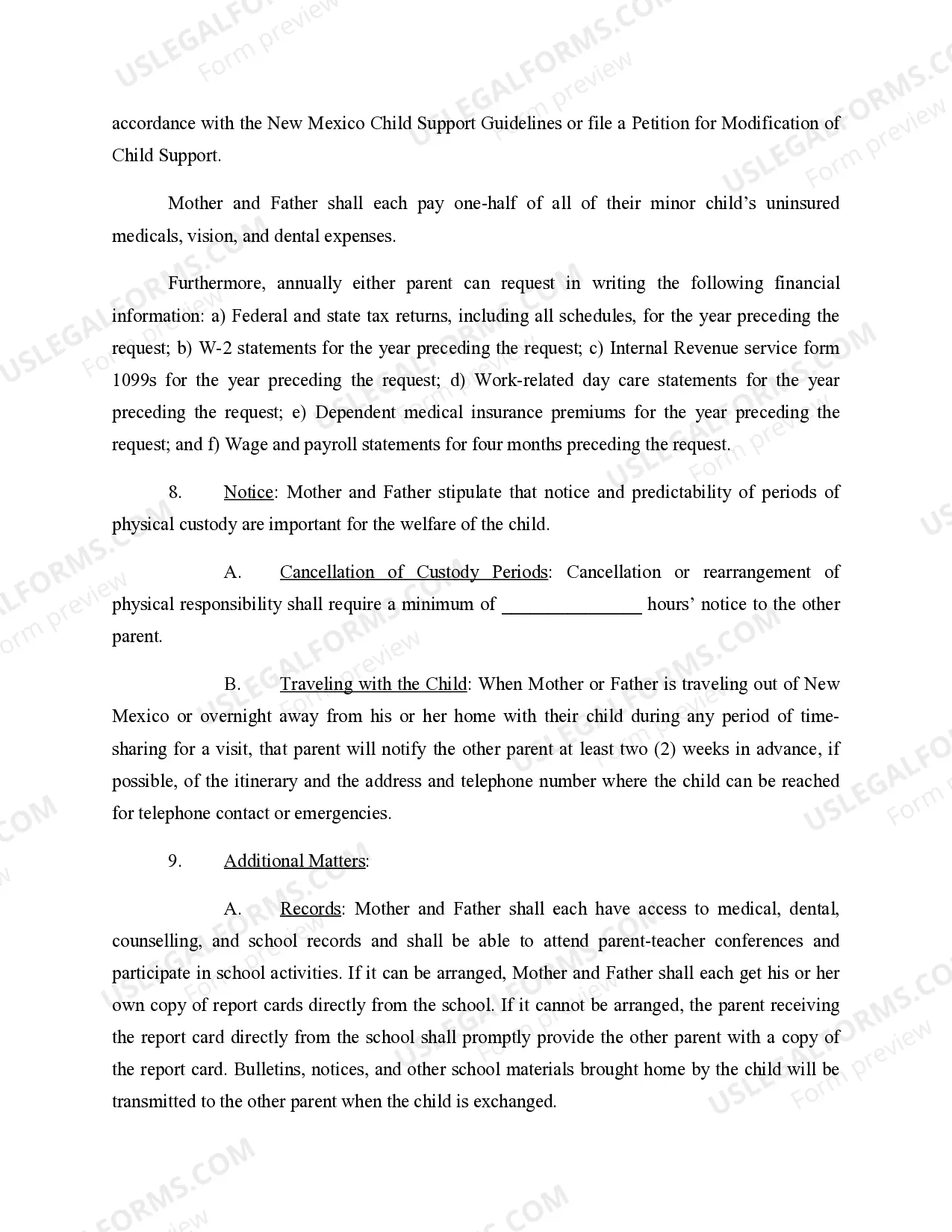
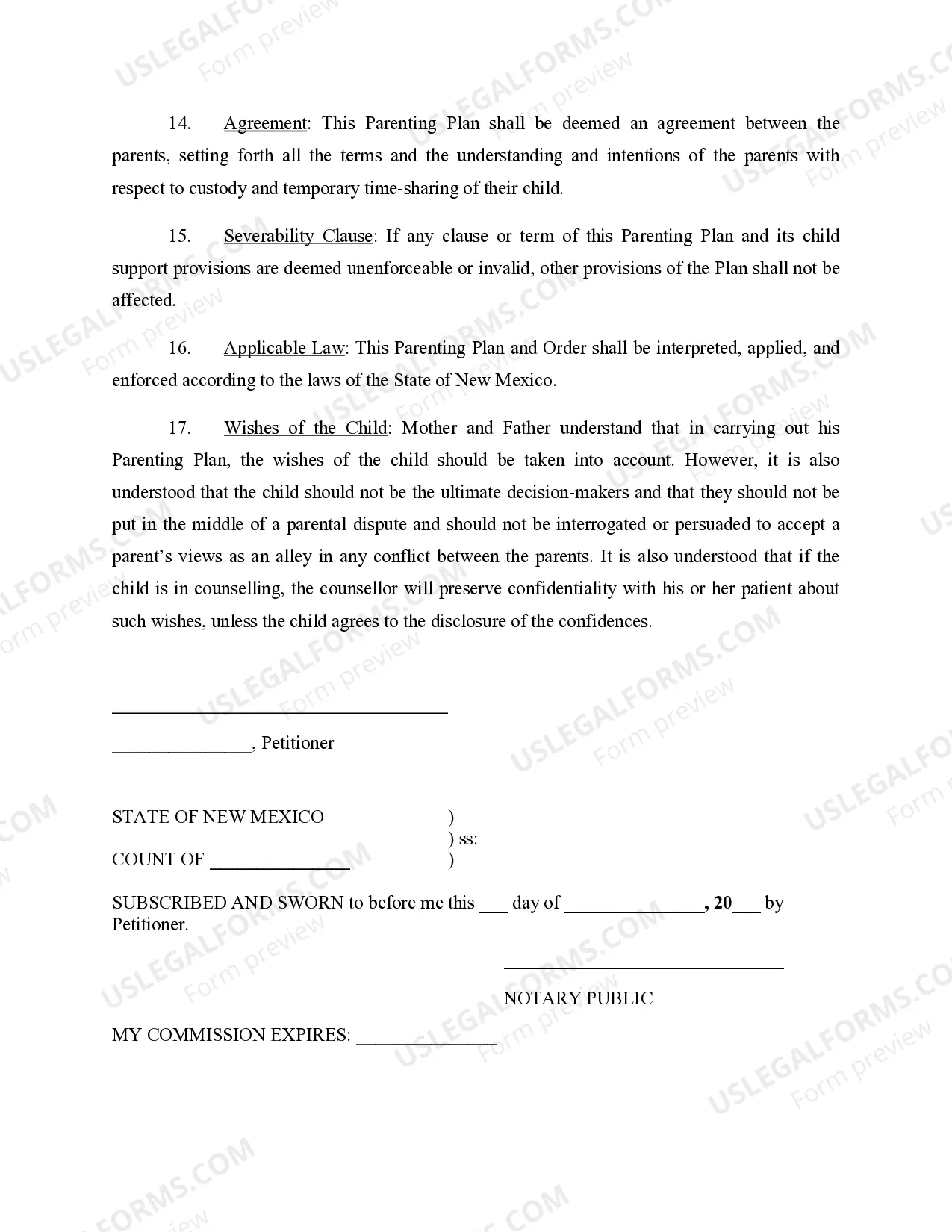
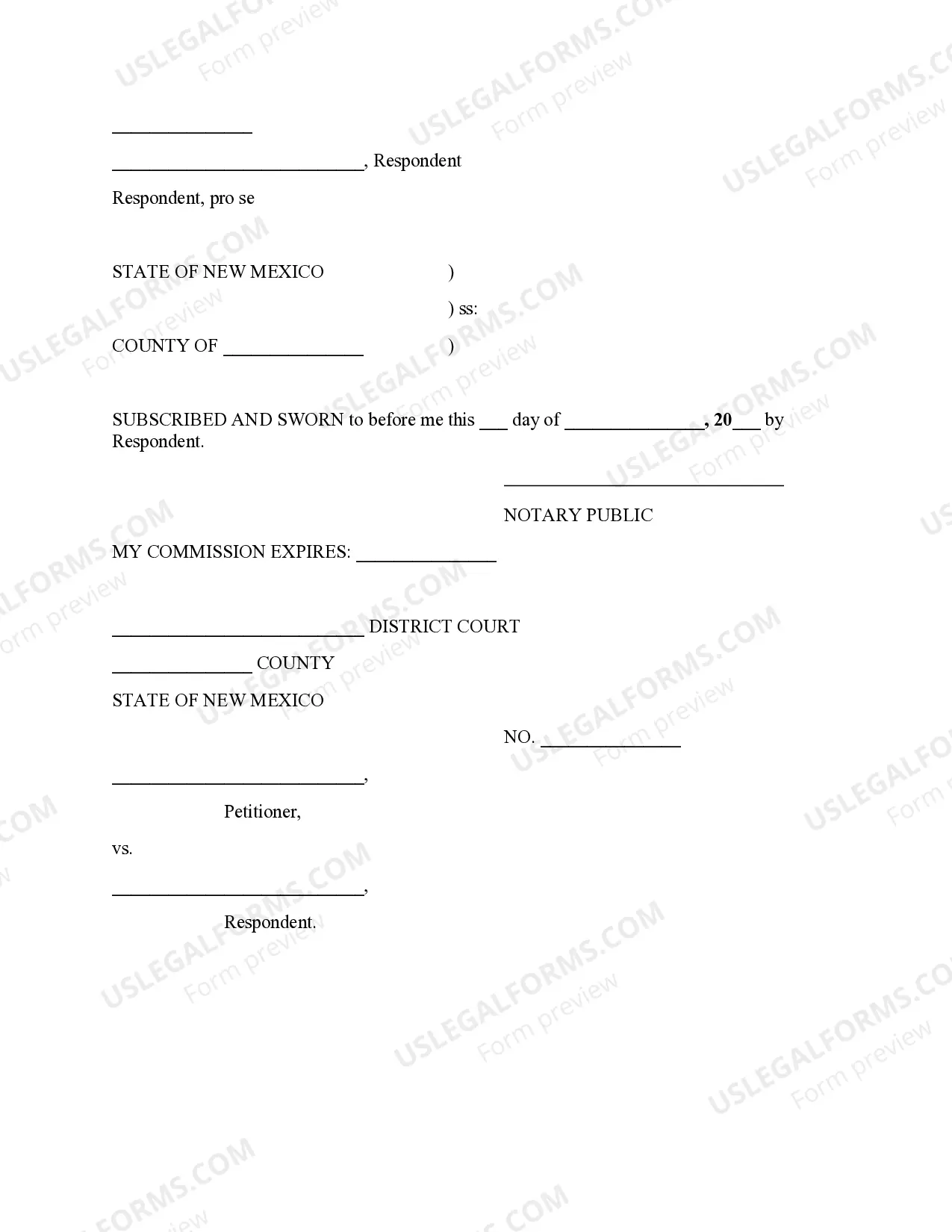

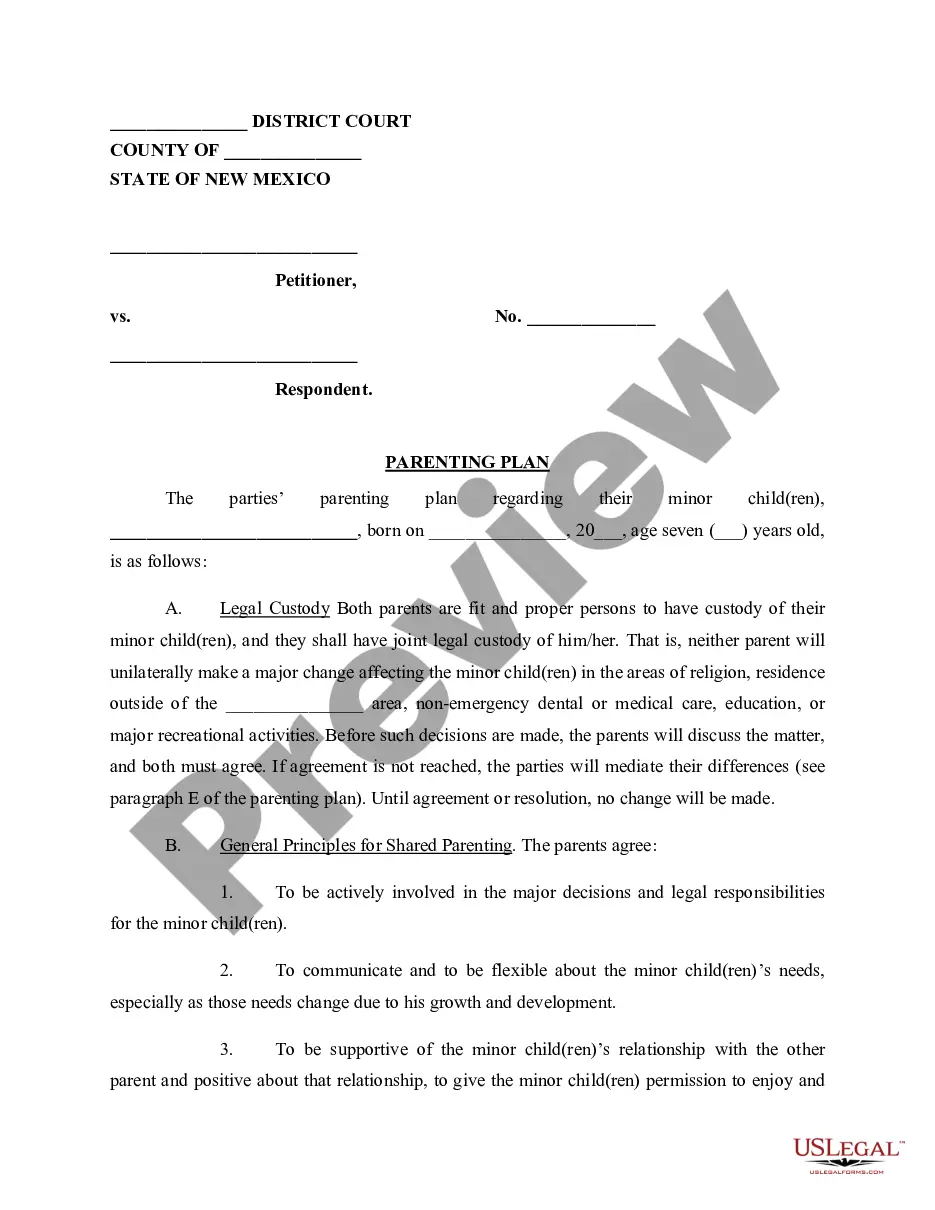
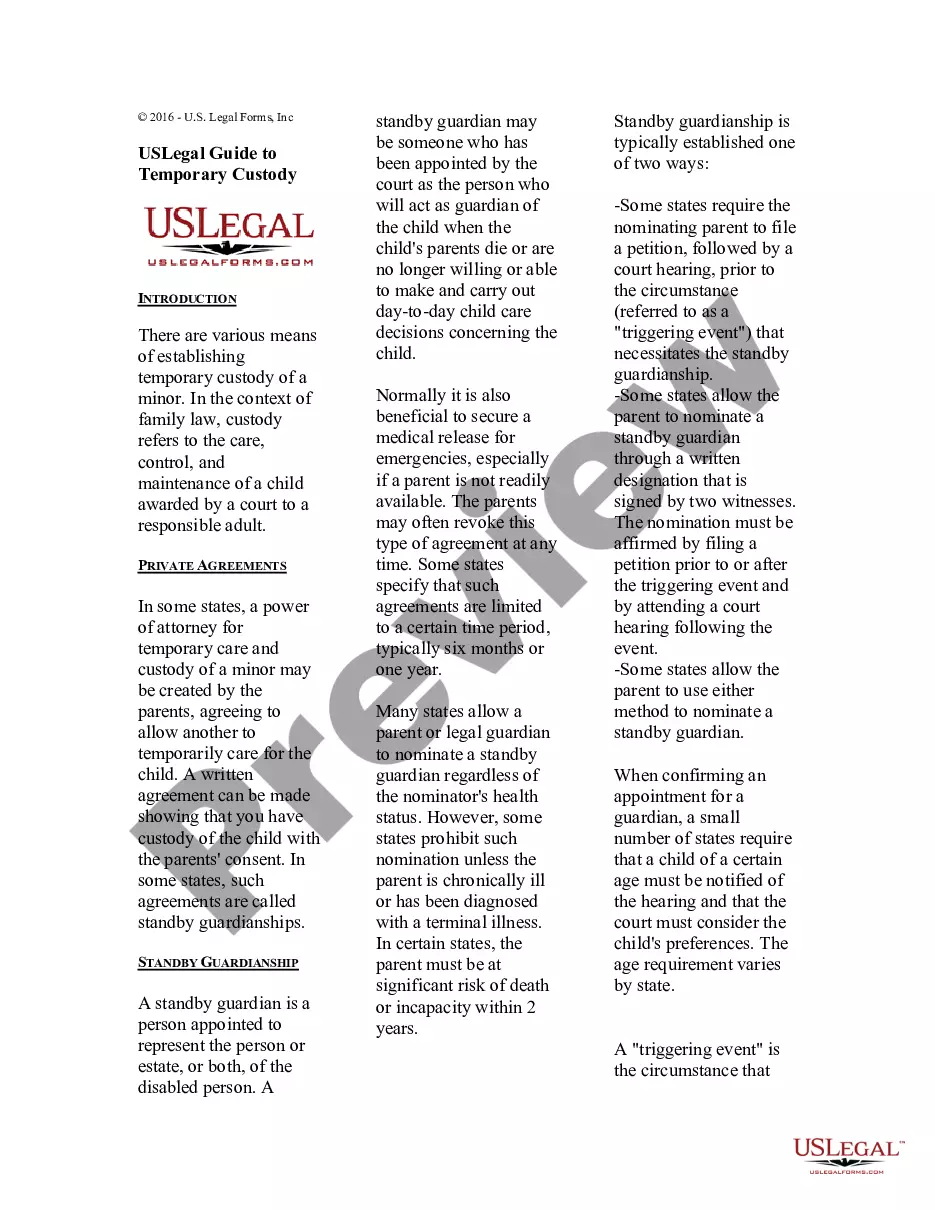
Get your form ready online
Our built-in tools help you complete, sign, share, and store your documents in one place.
Make edits, fill in missing information, and update formatting in US Legal Forms—just like you would in MS Word.
Download a copy, print it, send it by email, or mail it via USPS—whatever works best for your next step.
Sign and collect signatures with our SignNow integration. Send to multiple recipients, set reminders, and more. Go Premium to unlock E-Sign.
If this form requires notarization, complete it online through a secure video call—no need to meet a notary in person or wait for an appointment.
We protect your documents and personal data by following strict security and privacy standards.

Make edits, fill in missing information, and update formatting in US Legal Forms—just like you would in MS Word.

Download a copy, print it, send it by email, or mail it via USPS—whatever works best for your next step.

Sign and collect signatures with our SignNow integration. Send to multiple recipients, set reminders, and more. Go Premium to unlock E-Sign.

If this form requires notarization, complete it online through a secure video call—no need to meet a notary in person or wait for an appointment.

We protect your documents and personal data by following strict security and privacy standards.
Looking for another form?





Form popularity
FAQ
Recording supervised visitation is a sensitive issue that generally depends on state laws and the agreement between the parties involved. In many cases, consent from both parents is necessary before recording can take place. If you consider recording visits, it's advisable to discuss this aspect within your New Mexico parenting plan with supervised visitation to ensure everyone is on the same page and to maintain trust.
Documenting supervised visitation is essential for clarity and future reference. Keep detailed notes on the time, place, and activities during each visit. You can also record any significant events or interactions that occur. Utilizing a structured New Mexico parenting plan with supervised visitation can provide a clear framework for this documentation, helping to protect everyone's interests.
When discussing supervised visits with your child, it helps to approach the topic gently and honestly. Begin by explaining that these visits allow them to spend time with their parent in a safe environment. Emphasize that the supervision is there to ensure their comfort and security. Ultimately, your New Mexico parenting plan with supervised visitation focuses on creating positive experiences and maintaining healthy relationships.
Requesting supervised visitation begins with gathering the necessary information to support your case. You must file a petition with the family court, explaining why supervision is needed during visits. The court will review your request and may include specific conditions in a New Mexico parenting plan with supervised visitation. Utilizing platforms like USLegalForms can help streamline this process and provide comprehensive resources.
Supervised custody status means that one parent can only see the child when another trusted individual is present to ensure safety. This arrangement is common when there are concerns about the child's well-being during contact with a parent. The conditions for supervised custody are formally detailed in a New Mexico parenting plan with supervised visitation, ensuring that both parents and the child have a clear understanding of the expectations.
To obtain supervised visitation, a parent usually needs to file a request with the family court. This involves presenting evidence showing that supervision is necessary for the child's safety. After considering the details, the court will issue a ruling, often specifying the terms in a New Mexico parenting plan with supervised visitation. It is advisable to consult legal resources, such as USLegalForms, to navigate this process effectively.
Supervised visitation typically occurs when a parent visits their child in the presence of a designated supervisor, such as a family member or a professional. This type of visitation ensures the child's safety and well-being while allowing the parent to maintain a connection. For instance, a mother may visit her son at a local park with a social worker overseeing the interaction. This arrangement is often outlined in a New Mexico parenting plan with supervised visitation, focusing on the child's best interests.
When presenting your case to a judge about custody, clearly emphasize the best interests of your child. Discuss how your involvement supports their emotional stability and growth. Reference any relevant New Mexico parenting plan with supervised visitation, as this demonstrates your commitment to ensuring safe and healthy interactions. Presenting well-organized documentation can strengthen your argument in court.
To document supervised visitation, keep a detailed log of each meeting, noting the date, time, location, and activities. Include observations about interactions between the child and the parent, as this information can be critical. With a New Mexico parenting plan with supervised visitation, maintaining thorough records may prove valuable if disputes arise. Consider using USLegalForms for templates that can simplify this process.
When a child refuses to go with a parent under a New Mexico parenting plan with supervised visitation, it's essential to remain calm and understanding. Open communication with your child about their feelings can help. Document the incident and discuss it with your attorney or a mediator, as it may affect future visitation arrangements. Legal professionals can help you navigate these situations effectively.