Tenant Landlord With For And Against
Description


Get your form ready online
Our built-in tools help you complete, sign, share, and store your documents in one place.
Make edits, fill in missing information, and update formatting in US Legal Forms—just like you would in MS Word.
Download a copy, print it, send it by email, or mail it via USPS—whatever works best for your next step.
Sign and collect signatures with our SignNow integration. Send to multiple recipients, set reminders, and more. Go Premium to unlock E-Sign.
If this form requires notarization, complete it online through a secure video call—no need to meet a notary in person or wait for an appointment.
We protect your documents and personal data by following strict security and privacy standards.

Make edits, fill in missing information, and update formatting in US Legal Forms—just like you would in MS Word.

Download a copy, print it, send it by email, or mail it via USPS—whatever works best for your next step.

Sign and collect signatures with our SignNow integration. Send to multiple recipients, set reminders, and more. Go Premium to unlock E-Sign.

If this form requires notarization, complete it online through a secure video call—no need to meet a notary in person or wait for an appointment.

We protect your documents and personal data by following strict security and privacy standards.
Looking for another form?

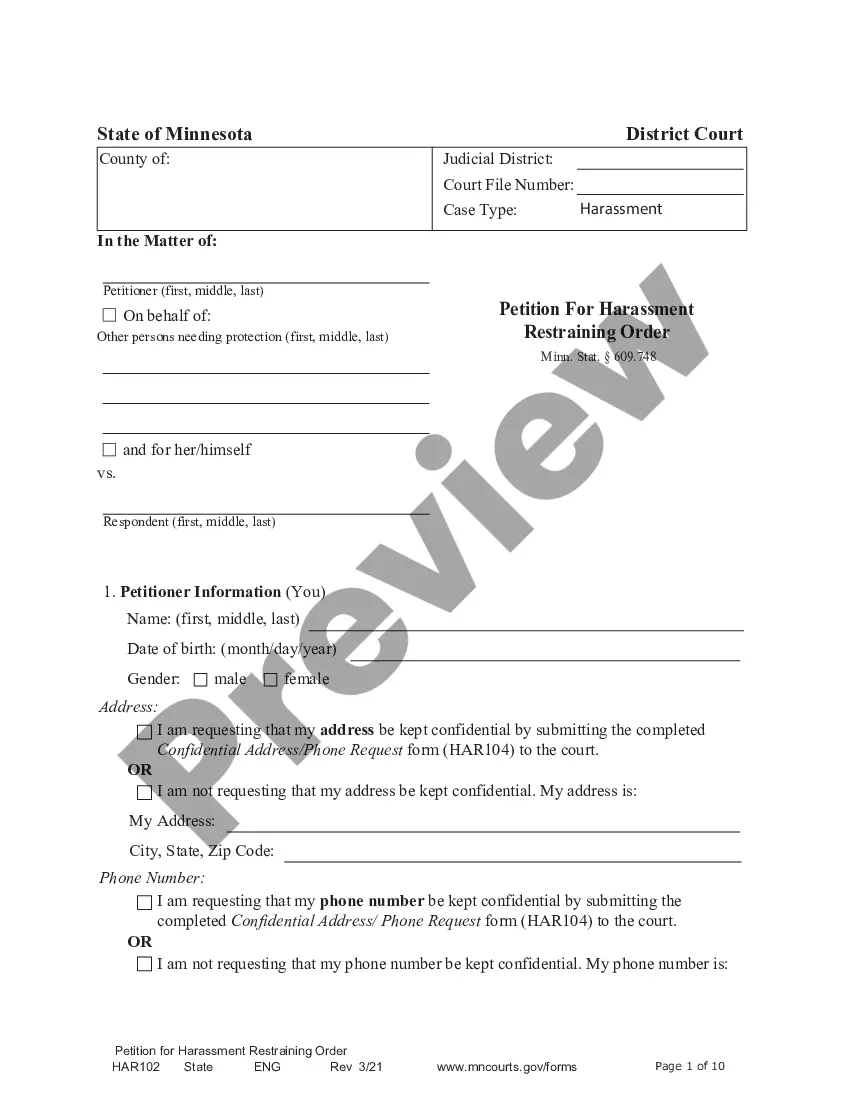




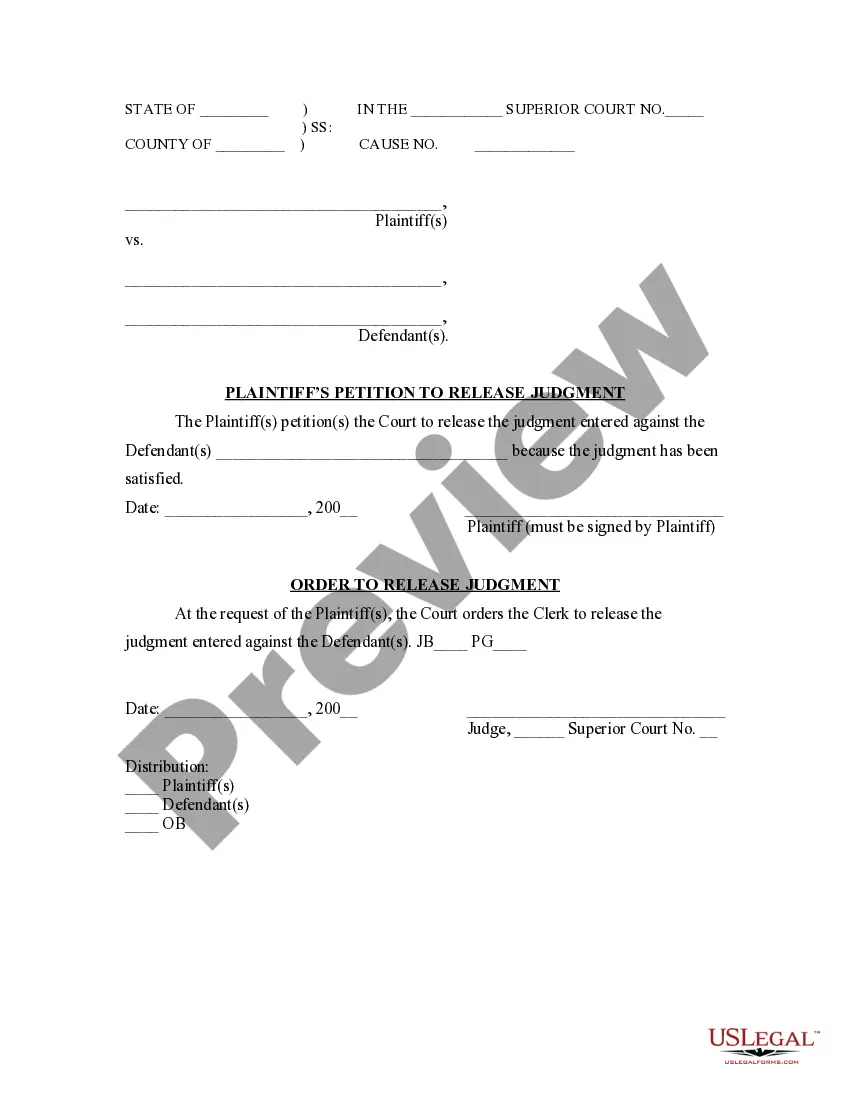


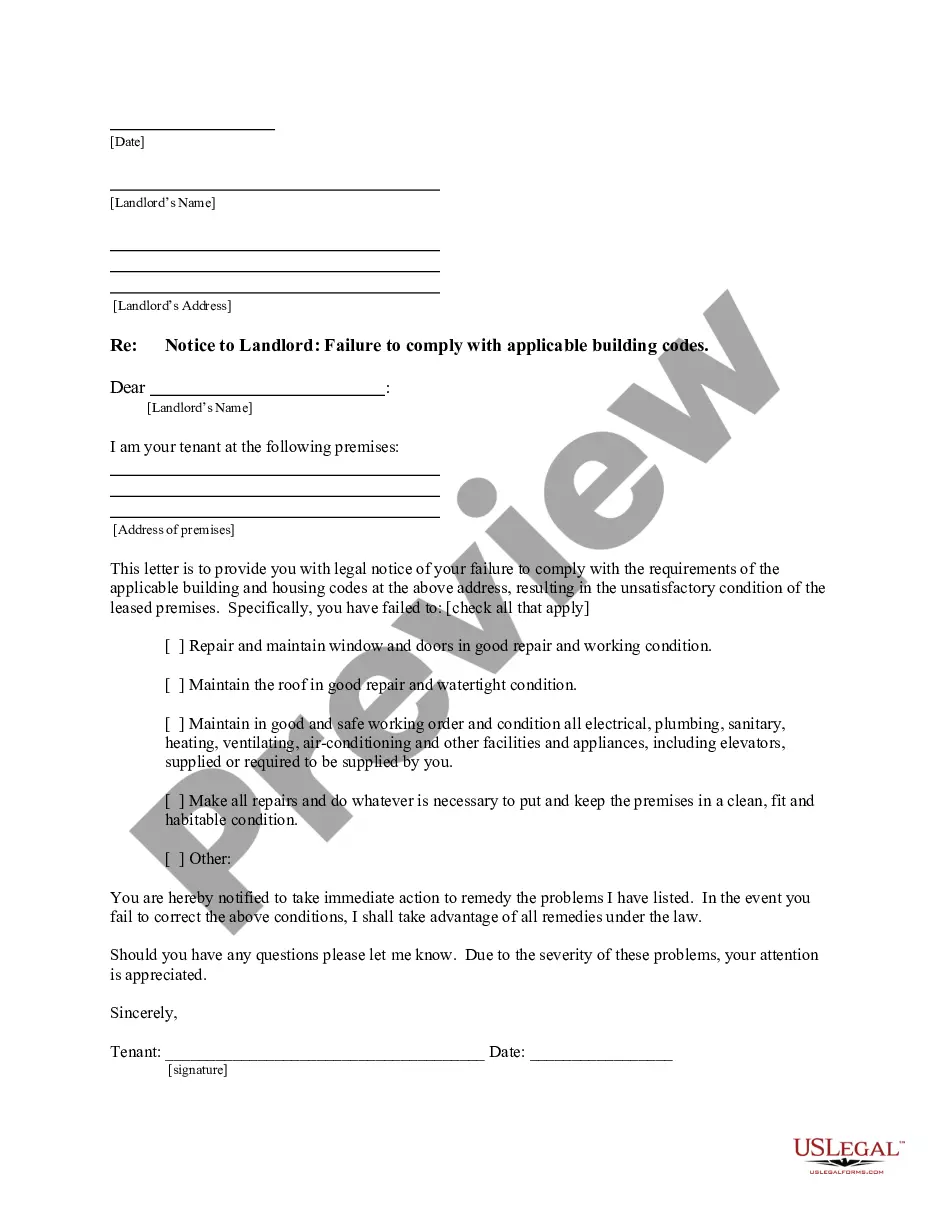
How to fill out New Mexico Letter From Tenant To Landlord For Failure Of Landlord To Comply With Building Codes Affecting Health And Safety Or Resulting In Untenantable Condition - Demand For Remedy?
- Log in to your US Legal Forms account if you've used our service before, and download your required document by clicking the 'Download' button. Confirm the validity of your subscription to access forms.
- For first-time users, start by exploring our extensive library—home to over 85,000 editable legal forms. Utilize the Preview mode and descriptions to select the appropriate document for your needs.
- If you encounter any discrepancies, utilize the Search feature to locate the correct template that meets your local jurisdictional requirements.
- Select your desired form and click the 'Buy Now' button. Choose a subscription plan that works for you; registration is required to unlock access to our library.
- Complete your purchase securely using your credit card or PayPal account, ensuring you can access vital legal documents swiftly and effortlessly.
- Once payment is confirmed, download your form to your device. You can always return to the 'My Forms' section of your account to retrieve it whenever needed.
In conclusion, US Legal Forms stands out with its comprehensive array of legal templates tailored for tenant-landlord relationships. With expert assistance available, you can ensure that your documents are accurately completed, minimizing potential legal issues in the future.
Start your journey today by logging in or creating an account with US Legal Forms to make the most of our extensive offerings.
Form popularity
FAQ
To threaten legal action against your landlord, it's essential to first send a formal letter outlining your grievances. Be specific about the problems you face and the actions you expect from them. It might be beneficial to reference relevant laws or regulations to strengthen your position. Using resources like US Legal Forms can help you create impactful communication for your tenant landlord with for and against situation.
Suing your landlord for emotional distress requires you to gather evidence that shows their actions negatively affected your well-being. You must demonstrate a clear link between their actions and your distress. Utilize services like US Legal Forms to help draft necessary documents and ensure you follow the proper legal procedures while preparing your case against a tenant landlord with for and against.
Dealing with a toxic landlord can be challenging, but you have options. Start by documenting any issues and communicating your concerns clearly and respectfully. If problems persist, consider seeking advice through resources like US Legal Forms, which can guide you through the process of formally addressing your landlord's behavior and protecting your rights as a tenant.
The new tenant protection law in California offers crucial safeguards for renters, focusing on preventing excessive rent increases and unjust evictions. It establishes clear guidelines that landlords must follow, which helps tenants feel more secure in their homes. As a tenant, understanding these laws will empower you to advocate for your rights and navigate disputes with your landlord more effectively.
Renters in Arizona have the right to a habitable living space, timely repairs, and protection from retaliatory actions by their landlord. You also have the right to privacy and may not be discriminated against. Understanding your rights can empower you to advocate for yourself in another tenant-landlord relationship.
In Arizona, a landlord cannot discriminate against tenants based on race, gender, or disability when renting property. Additionally, they cannot unlawfully evict you without following the proper legal procedures. Being informed about these regulations is essential for any tenant who wishes to protect their rights against unfair treatment.
In Arizona, a tenant can refuse a landlord entry if the landlord does not provide reasonable notice, typically 48 hours, unless there's an emergency. Understanding your rights can help you assert your privacy while maintaining a cooperative relationship with your landlord. Always check your lease agreement for specific terms related to entry rights.
When communicating with your landlord, avoid making accusations or using confrontational language. Statements that suggest you are ignoring the lease agreement could undermine your position. Instead, keep the dialogue respectful and focused on solutions to maintain a healthy tenant-landlord relationship.
To win against your landlord in court, gather all relevant documentation, such as your lease agreement and communication records. Having clear evidence of your claims will strengthen your case in front of a judge. Legal platforms like US Legal Forms can provide valuable resources to help you prepare your case and understand the tenant landlord laws.
A landlord is generally not responsible for maintenance issues that arise from a tenant's negligence, such as damaged appliances or excessive wear and tear. Additionally, they are not liable for tenant injuries resulting from misuse of premises. Clarifying these responsibilities in your lease can help you avoid misunderstandings and disputes in the future.