Promissory Estoppel In India
Description
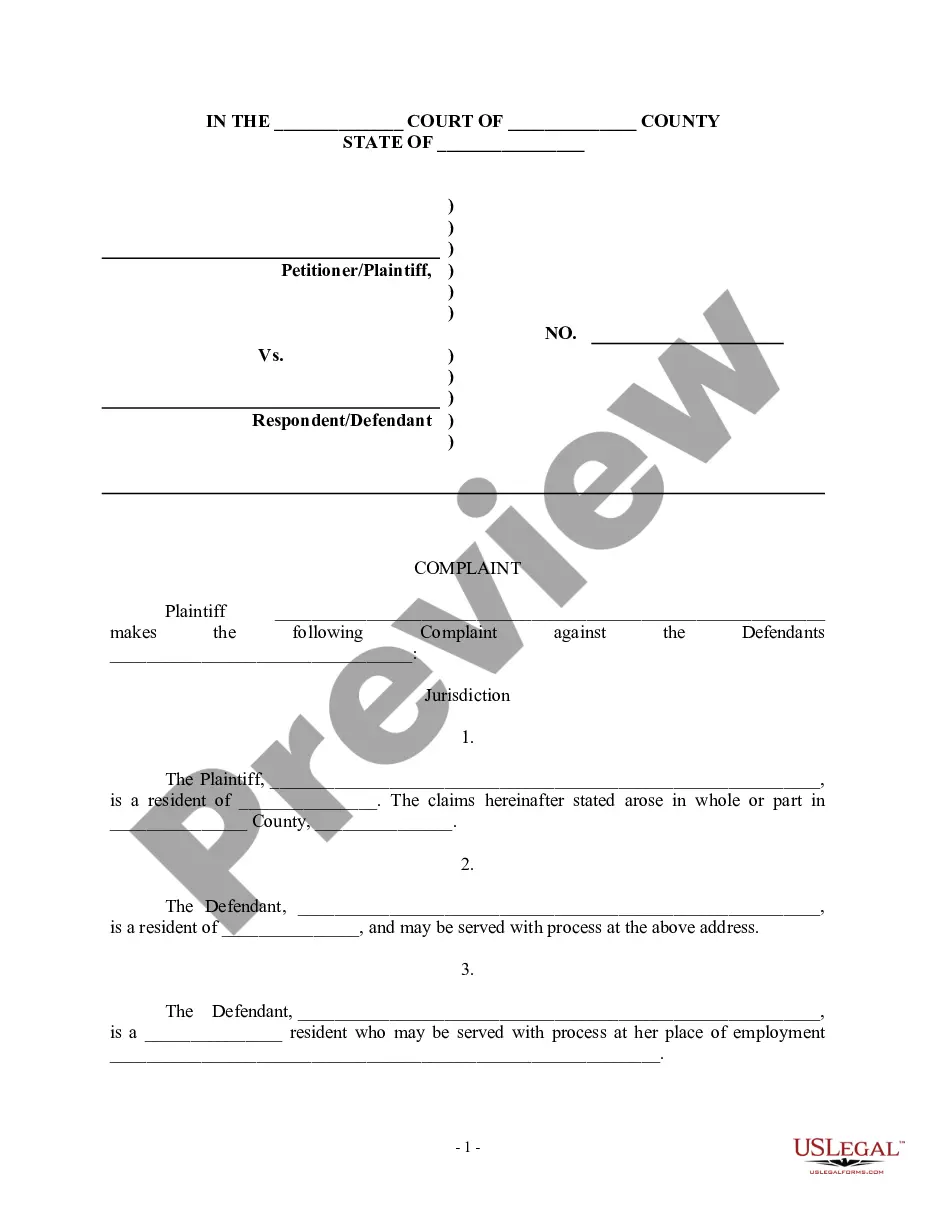
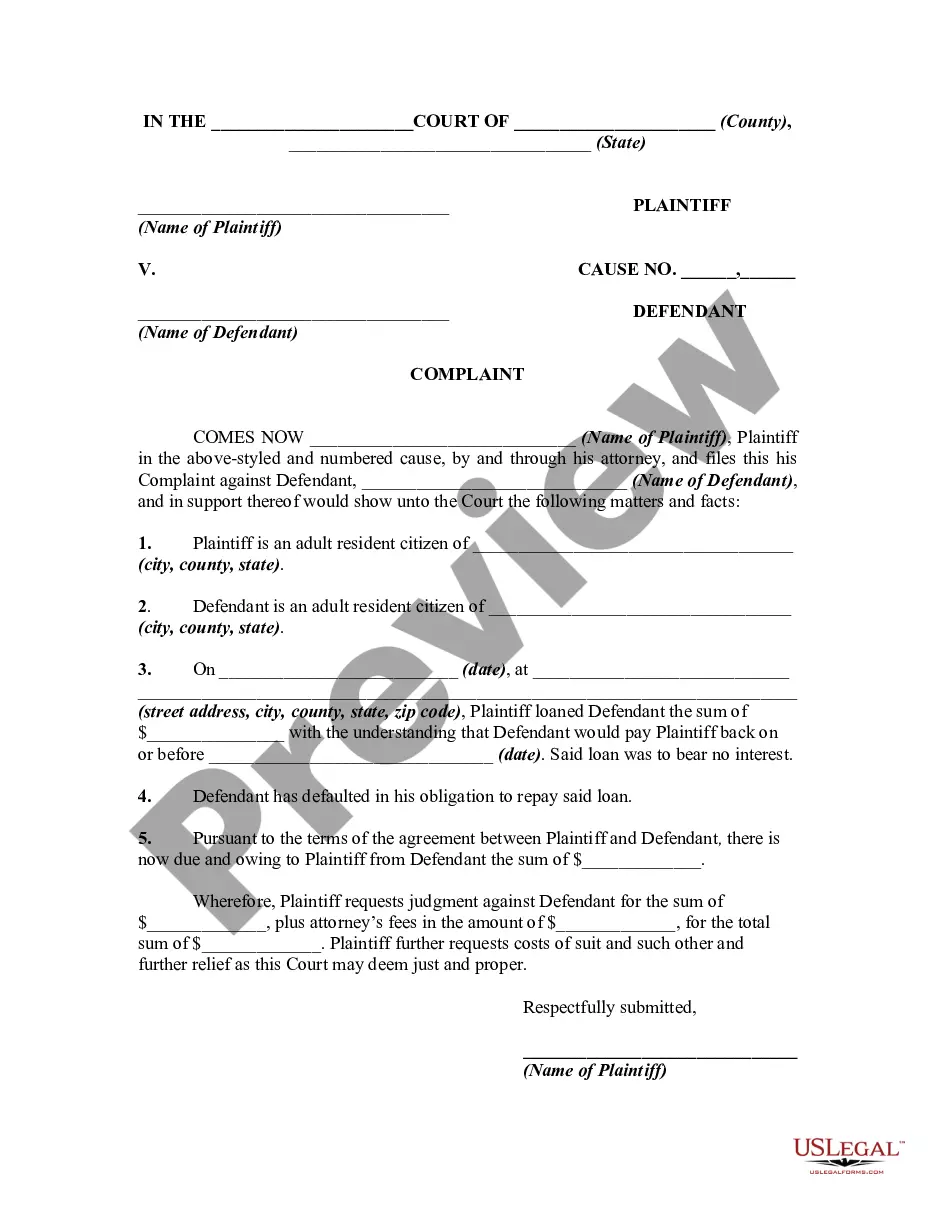
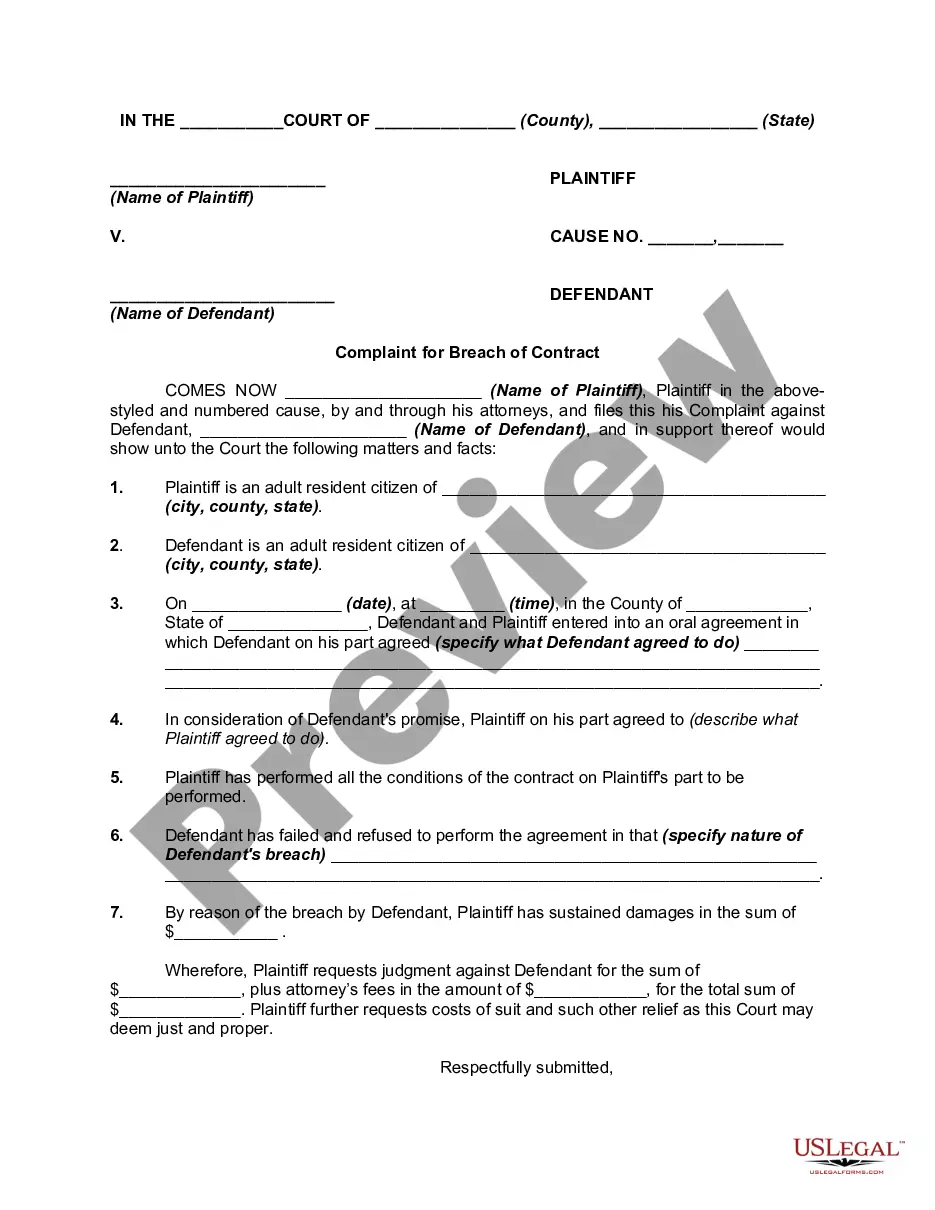
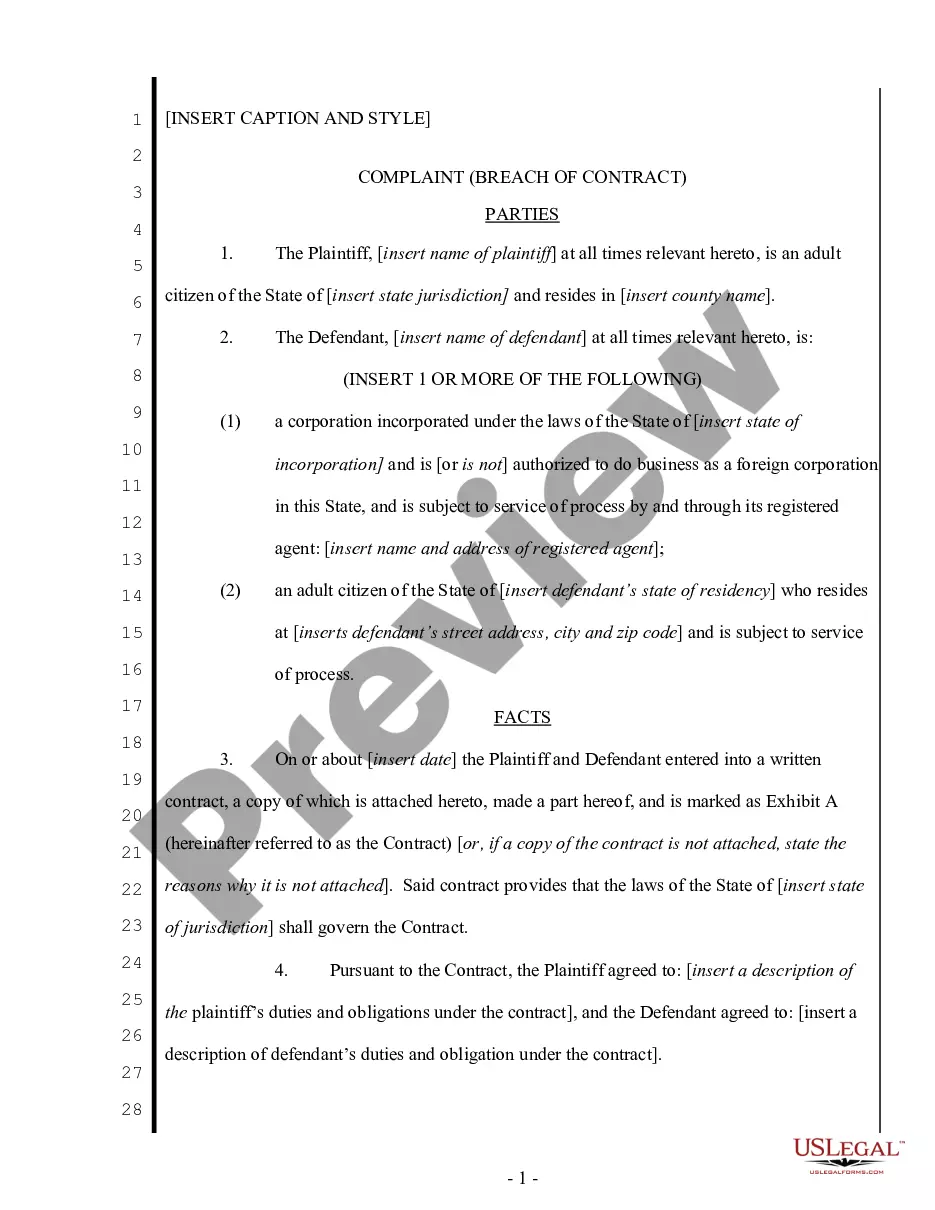
Get your form ready online
Our built-in tools help you complete, sign, share, and store your documents in one place.
Make edits, fill in missing information, and update formatting in US Legal Forms—just like you would in MS Word.
Download a copy, print it, send it by email, or mail it via USPS—whatever works best for your next step.
Sign and collect signatures with our SignNow integration. Send to multiple recipients, set reminders, and more. Go Premium to unlock E-Sign.
If this form requires notarization, complete it online through a secure video call—no need to meet a notary in person or wait for an appointment.
We protect your documents and personal data by following strict security and privacy standards.

Make edits, fill in missing information, and update formatting in US Legal Forms—just like you would in MS Word.

Download a copy, print it, send it by email, or mail it via USPS—whatever works best for your next step.

Sign and collect signatures with our SignNow integration. Send to multiple recipients, set reminders, and more. Go Premium to unlock E-Sign.

If this form requires notarization, complete it online through a secure video call—no need to meet a notary in person or wait for an appointment.

We protect your documents and personal data by following strict security and privacy standards.
Looking for another form?








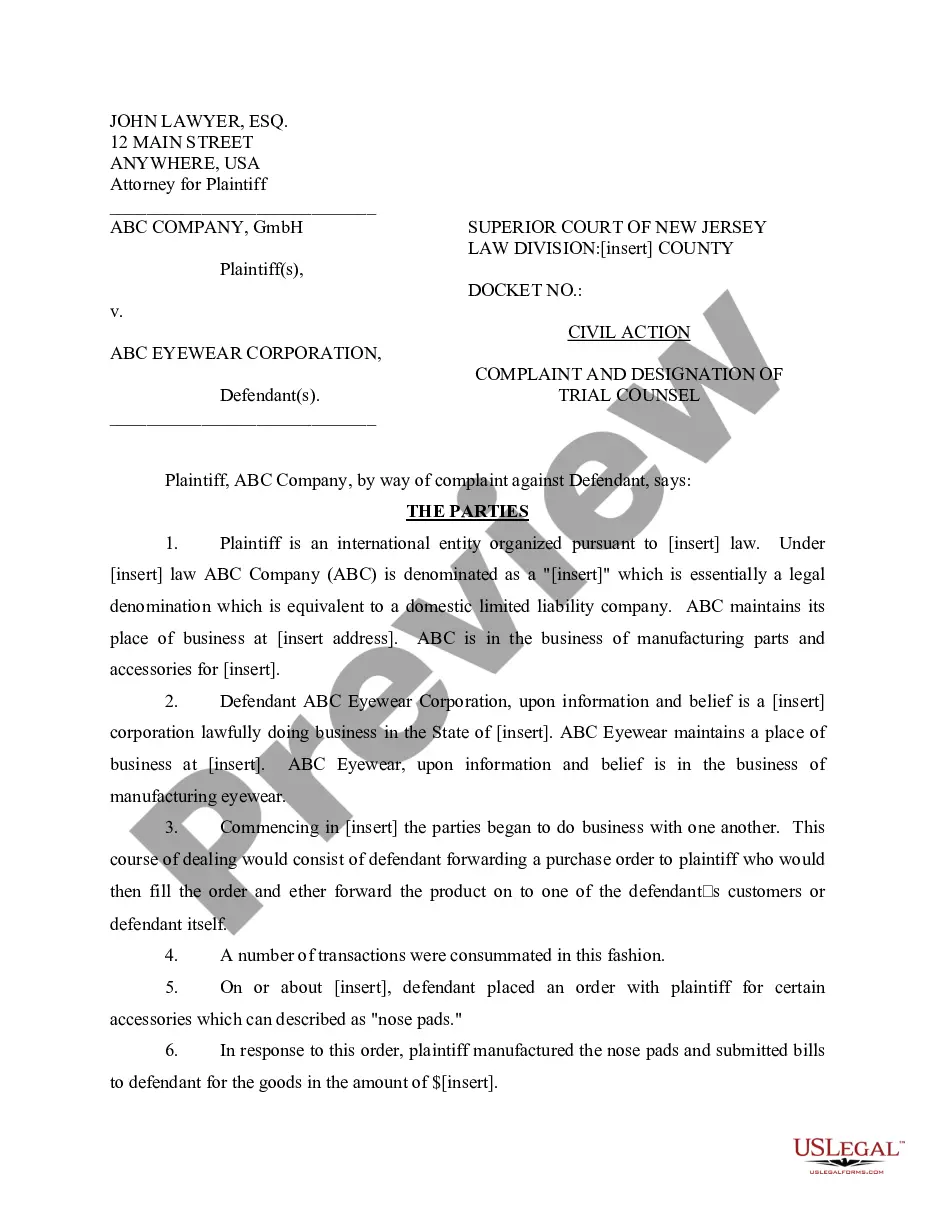
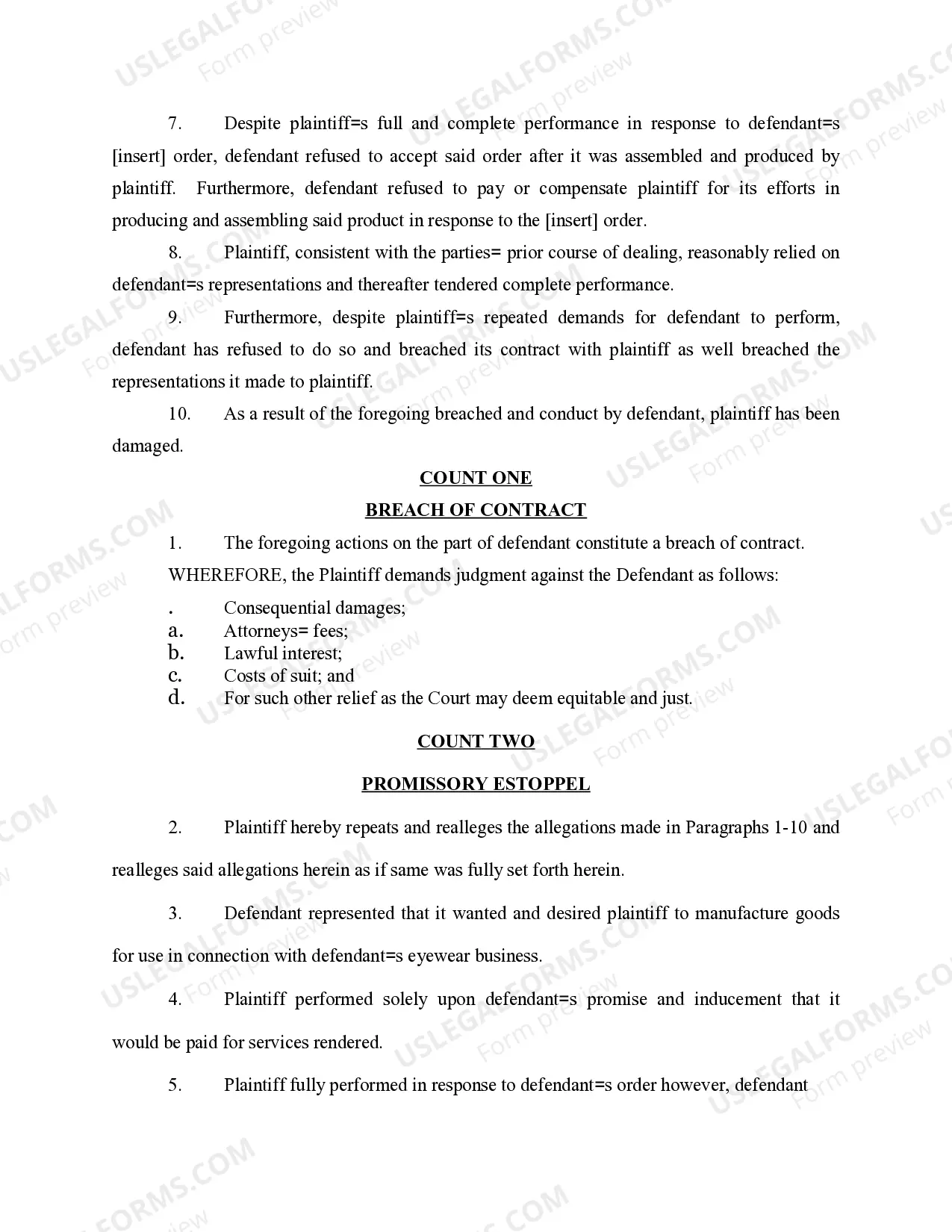
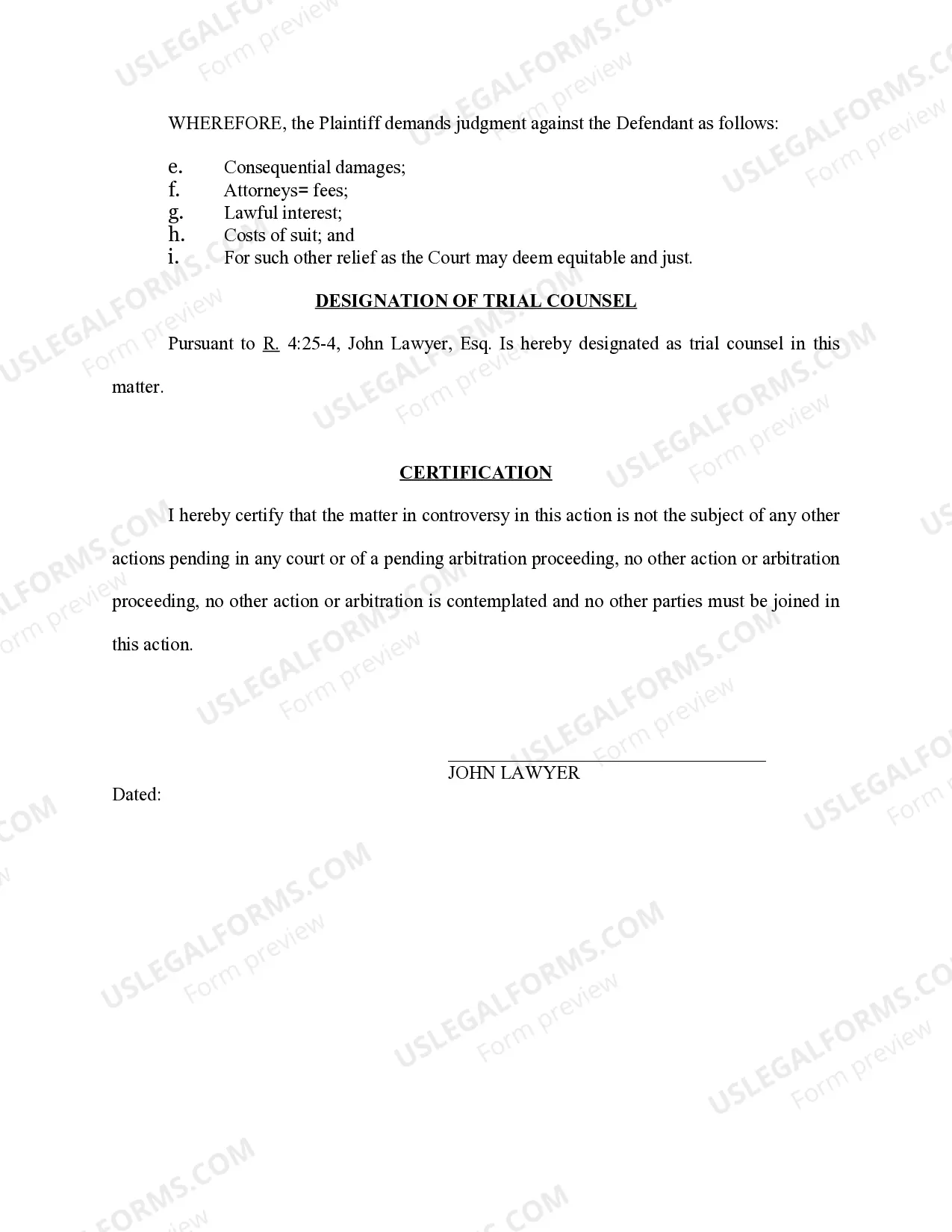
How to fill out New Jersey Complaint Alleging Promissory Estoppel?
Utilizing legal document samples that comply with federal and local laws is crucial, and the internet provides a multitude of choices.
However, why spend time searching for the appropriate Promissory Estoppel In India sample online when the US Legal Forms digital library has already assembled such templates in one location.
US Legal Forms is the premier online legal repository featuring over 85,000 editable templates created by lawyers for any business and personal situations.
Review the template using the Preview feature or through the text description to ensure it fits your requirements.
- They are easy to navigate with all documents organized by state and intended use.
- Our professionals stay updated with legal changes, ensuring you can trust that your form is current and compliant when acquiring a Promissory Estoppel In India from our site.
- The process of obtaining a Promissory Estoppel In India is quick and straightforward for both existing and new users.
- If you possess an account with a valid subscription, Log In and save the document sample you need in your desired format.
- If you're a newcomer to our site, follow the steps below.
Form popularity
FAQ
Yes, reliance is a critical element for establishing promissory estoppel in India. For a claim of promissory estoppel to succeed, a party must show that they relied on a clear promise to their detriment. This reliance must be reasonable and foreseeable by the party making the promise. Recognizing the importance of reliance in promissory estoppel in India empowers individuals and businesses to understand their rights and obligations better.
The rule of estoppel in India serves to prevent individuals from contradicting their previous statements or behaviors when another party has relied on those to their detriment. It reinforces the principle of fairness in dealings and maintains trust in agreements. This rule is crucial in various legal contexts, ensuring that parties uphold their commitments and creating a reliable legal environment. Understanding the rule of estoppel in India can significantly affect the outcomes of contractual relationships.
Issue estoppel is a legal concept in India that prohibits a party from re-litigating an issue that has already been decided in a court of law. When a court resolves a specific issue, that decision binds the parties if they contest the same issue again in future proceedings. This rule promotes judicial efficiency and consistency by preventing repeated litigation over the same matter. Having clarity on issue estoppel in India provides parties with a stronger foundation when dealing with disputes.
Proprietary estoppel is a legal principle in India that prevents a party from denying a right or interest in property if another party has reasonably relied on that belief to their detriment. This doctrine protects individuals who have acted on the assumption of ownership or rights in a property. Essentially, it ensures fairness and justice when someone has been led to believe they have a property interest. Understanding proprietary estoppel in India can help individuals navigate property disputes effectively.
Obtaining promissory estoppel in India involves proving the necessary elements that establish your case. If you believe you have a valid claim, you should gather all necessary documentation and seek legal counsel to help build your case. At UsLegalForms, we can guide you through this process by providing the necessary forms and resources to support your claim effectively.
Examples of promissory estoppel in India can include a situation where an employer promised an employee a promotion, and the employee relied on that promise by moving closer to work or not pursuing other job offers. It can also involve a vendor who promised a discount, and a customer ordered goods based on that assurance. These scenarios illustrate reliance on promises that could lead to legal claims.
To invoke promissory estoppel in India, you must clearly present your case to a court showing all relevant evidence that supports your claim. This includes demonstrating the promise made to you, your reliance on that promise, and the consequences of not enforcing it. Engaging with a competent legal advisor can assist you in navigating this process effectively.
The five elements of promissory estoppel in India include a clear and definite promise, reliance on that promise by the promisee, the reliance being reasonable, a detriment suffered due to the reliance, and the promise not being fulfilled. Each element must be satisfied for the doctrine to be invoked successfully in a legal context. Understanding these elements can guide you in your legal journey.
The proof of promissory estoppel in India involves presenting evidence that shows the existence of a promise, your reliance on that promise, and any detriment faced due to the promise not being kept. Documentation such as emails, contracts, or witness statements can substantiate your claims. Essentially, you must prove that without action, you would not have suffered harm.
To prove promissory estoppel in India, you need to establish that a promise was made, which you relied upon, and that you took action based on that promise. The reliance should be reasonable and should result in a disadvantage to you if the promise is not upheld. If you can demonstrate these elements clearly, you have a strong case for promissory estoppel.