Tenant Failure Use For Vacate
Description


Get your form ready online
Our built-in tools help you complete, sign, share, and store your documents in one place.
Make edits, fill in missing information, and update formatting in US Legal Forms—just like you would in MS Word.
Download a copy, print it, send it by email, or mail it via USPS—whatever works best for your next step.
Sign and collect signatures with our SignNow integration. Send to multiple recipients, set reminders, and more. Go Premium to unlock E-Sign.
If this form requires notarization, complete it online through a secure video call—no need to meet a notary in person or wait for an appointment.
We protect your documents and personal data by following strict security and privacy standards.

Make edits, fill in missing information, and update formatting in US Legal Forms—just like you would in MS Word.

Download a copy, print it, send it by email, or mail it via USPS—whatever works best for your next step.

Sign and collect signatures with our SignNow integration. Send to multiple recipients, set reminders, and more. Go Premium to unlock E-Sign.

If this form requires notarization, complete it online through a secure video call—no need to meet a notary in person or wait for an appointment.

We protect your documents and personal data by following strict security and privacy standards.
Looking for another form?

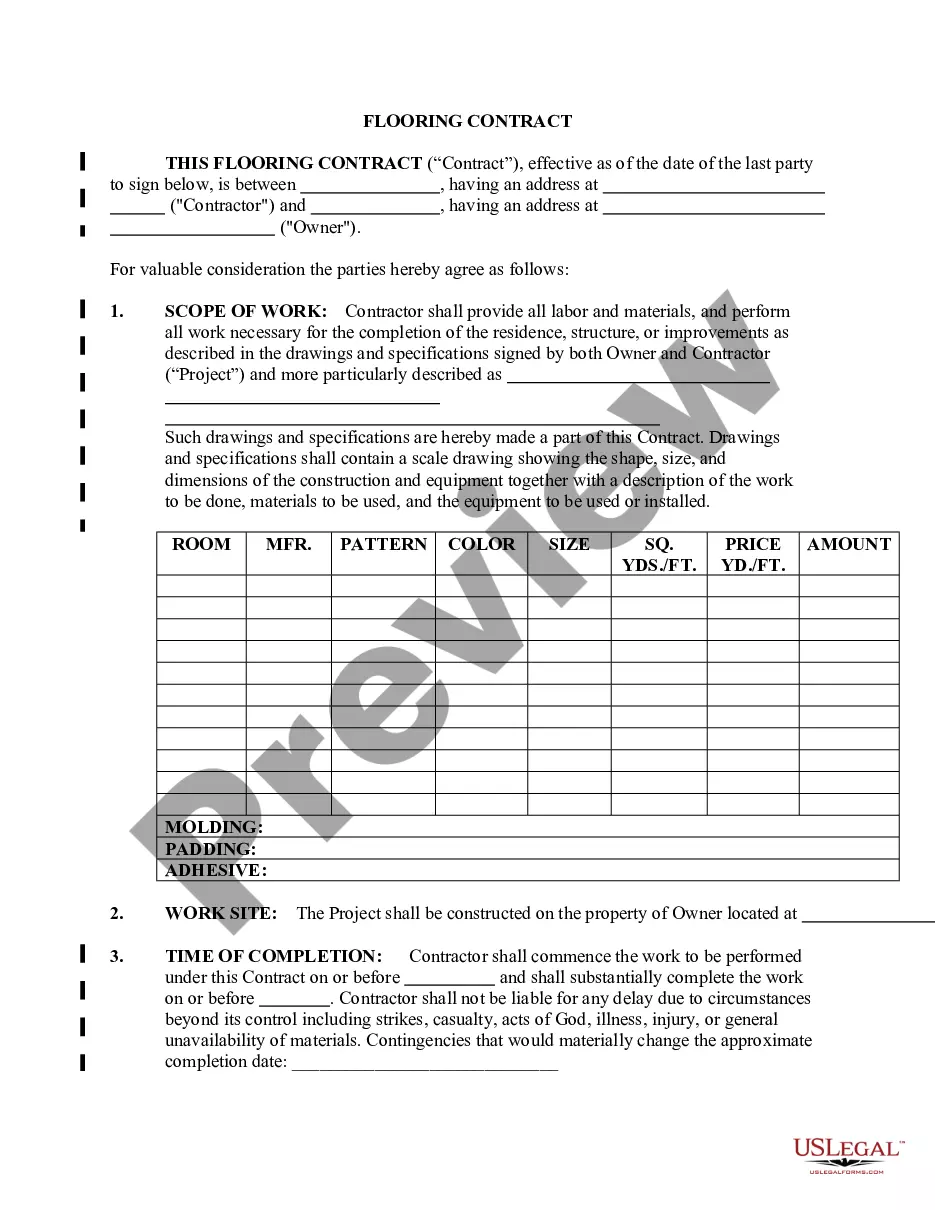






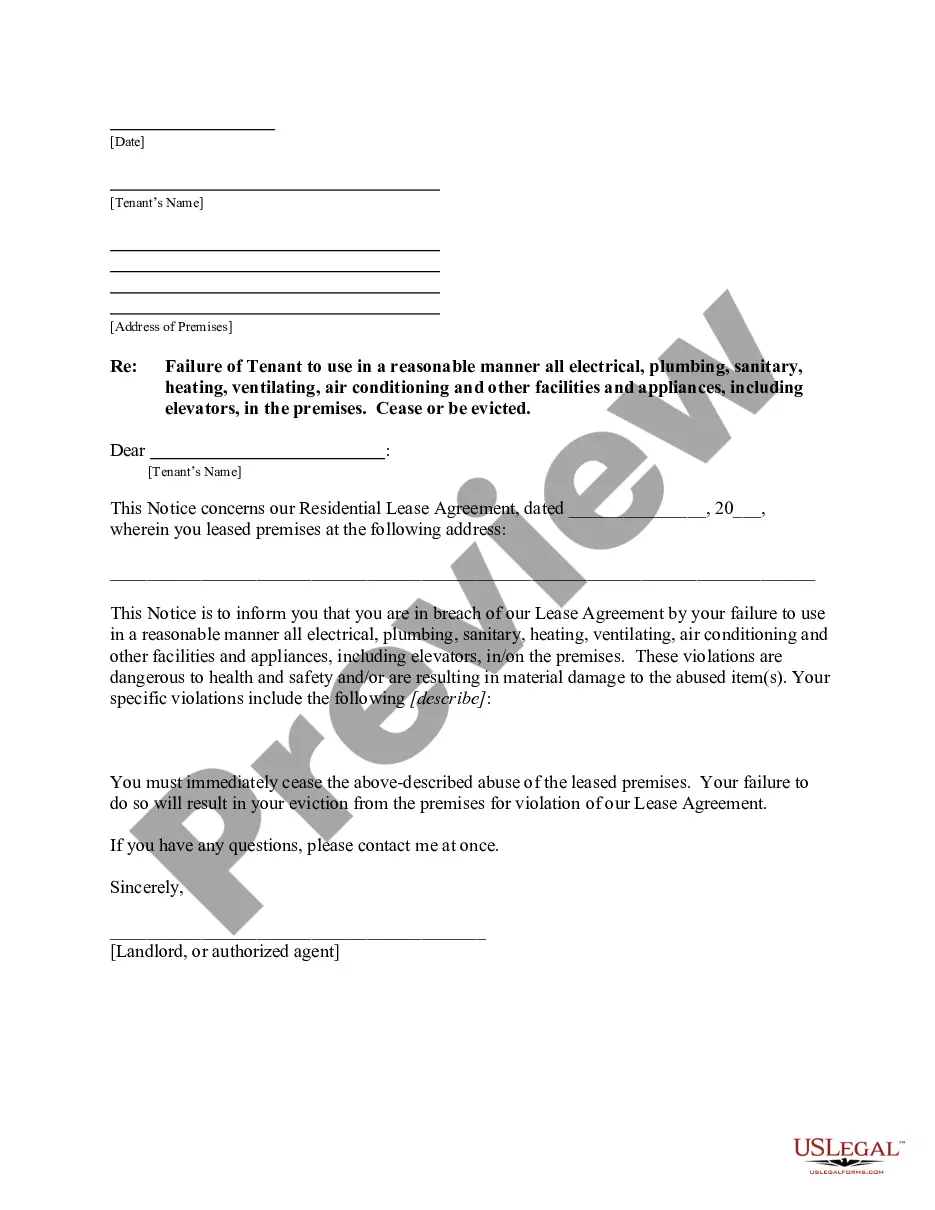
How to fill out New Jersey Letter From Landlord To Tenant For Failure To Use Electrical, Plumbing, Sanitary, Heating, Ventilating, Air Conditioning And Other Facilities In A Reasonable Manner?
- Log into your account on the US Legal Forms website. Ensure your subscription is active; renew it if necessary.
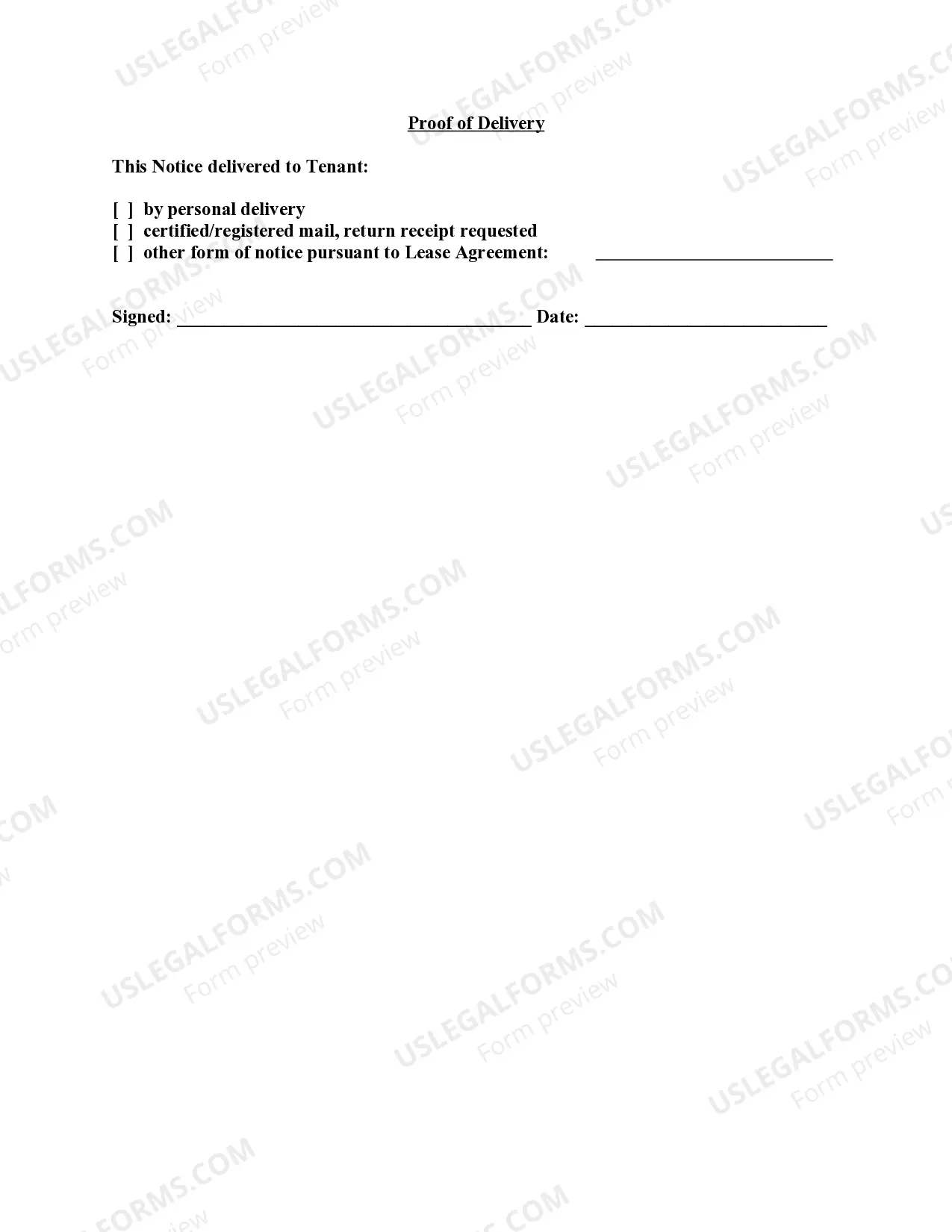
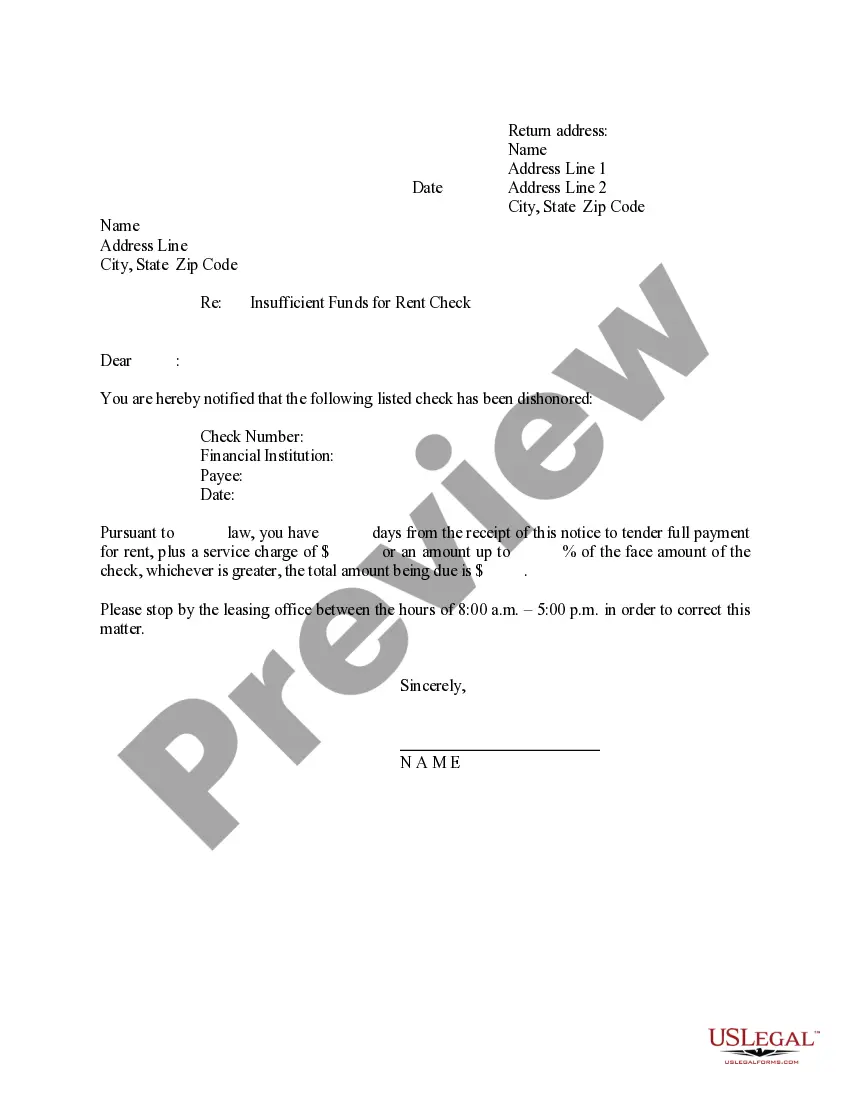
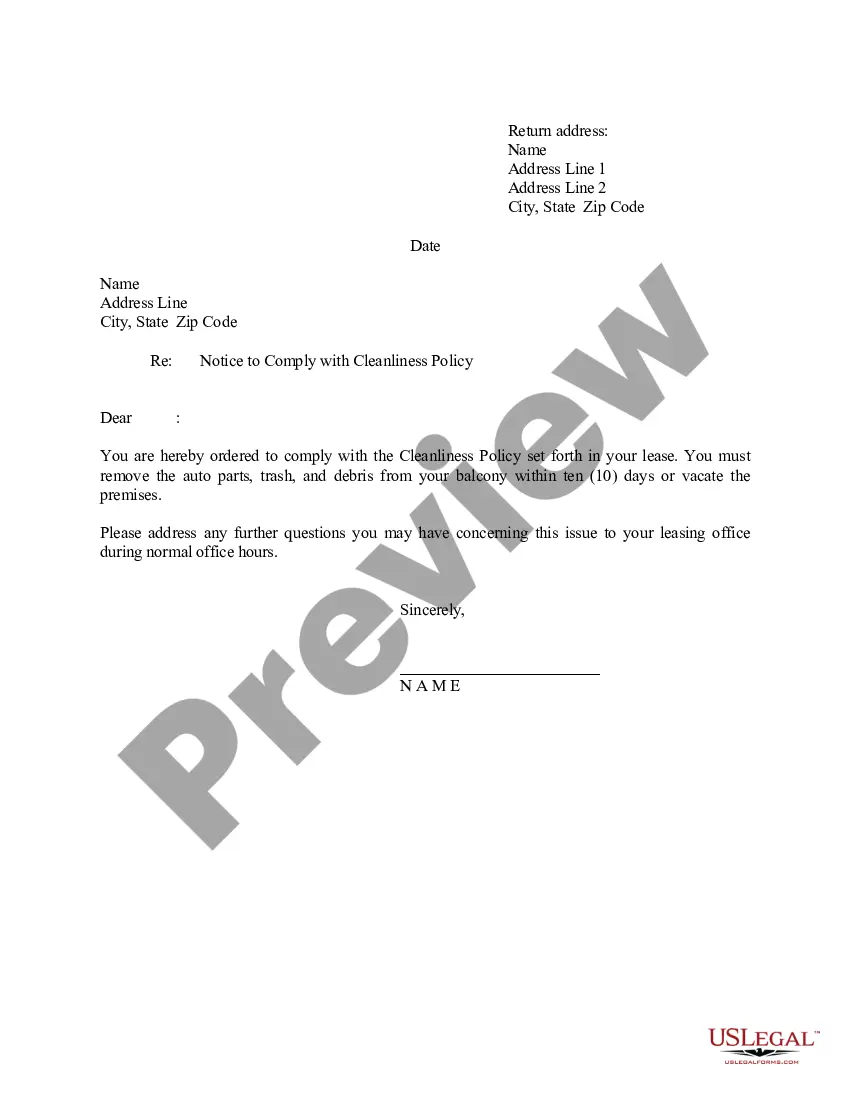
- Browse the selection to find the appropriate form for tenant failure situations. Check the Preview mode and description to confirm it meets your requirements.
- If the template doesn't fit your needs, utilize the Search feature to explore other options within the extensive library.
- Press the 'Buy Now' button and select a subscription plan that works for you. Create an account to access the full range of resources available.
- Complete your purchase using your credit card or PayPal, securing access to the legal documents you need.
- Download the form and save it on your device. You can revisit it anytime in the 'My Forms' section of your profile.
By using US Legal Forms, you not only save time but also gain access to over 85,000 editable legal forms. This vast library ensures that you can find the right documentation tailored to your specific jurisdiction.
With the support of premium experts, you can be confident that your legal documents are accurately completed. Start simplifying your legal needs today—visit US Legal Forms and experience the difference!
Form popularity
FAQ
Neglecting to give a notice to vacate can result in continued lease obligations and potential legal disputes. Your landlord may consider you a lease violator, which could affect your rental history adversely. Recognizing the importance of tenant failure use for vacate helps you comply with your lease terms. Platforms like USLegalForms offer essential tools to help you navigate the vacate notice process effortlessly.
Colorado's new eviction law emphasizes tenant protections, requiring landlords to provide more time for tenants to respond to eviction notices. This adjustment aims to create a fairer process for both landlords and tenants. Staying informed about tenant failure use for vacate is essential to understand your rights under these laws. Support from USLegalForms can give you access to the latest resources and templates you need.
In Vermont, eviction rules require landlords to provide a specific notice period based on the reason for eviction. For non-payment of rent, landlords typically must give a 30-day notice. Familiarizing yourself with tenant failure use for vacate can help you navigate these processes effectively. Proper resources can ensure you fulfill all legal requirements, making transitions smoother.
If you don't provide a notice to vacate, your landlord may assume you intend to stay beyond your lease term. This can lead to complications, such as continued financial liability for rent. Understanding tenant failure use for vacate can help you avoid such issues. Using platforms like USLegalForms can guide you in drafting the necessary notice to protect your rights.
When someone won’t move out, it is essential to follow the legal protocol. Begin with a clear notice indicating the reasons for eviction, particularly focusing on tenant failure use for vacate. If they continue to ignore your notice, seeking assistance from a legal service like uslegalforms can provide you with the necessary resources to navigate the eviction process effectively.
To get someone out of your house who won’t leave, start by reviewing your lease agreement and giving them proper notice, usually in written form. Make sure to address any tenant failure use for vacate as part of your notice. If they still refuse to vacate, you can escalate the matter by contacting legal services to start the eviction process.
If someone refuses to leave your house after their lease has expired, you have legal options to remove them. Begin by providing a formal written notice of eviction, outlining any tenant failure use for vacate. If they still do not leave, you may need to file an eviction lawsuit to regain possession of your property.
Dealing with a bad tenant can be challenging, but understanding the legal steps can simplify the process. First, make sure you document any lease violations and communicate clearly with the tenant about their failure to adhere to the lease terms. If the issue persists, consider serving a formal notice to terminate the lease, focusing on tenant failure use for vacate as a reason.
To get rid of someone who won't move out, you must follow legal procedures in your state. This typically includes giving written notice, possibly initiating eviction proceedings through the court. It’s essential to understand tenant failure use for vacate processes, and platforms like US Legal Forms can provide helpful resources and forms to guide you through this legal requirement.
Handling noncompliance of a tenant requires clear communication and documented notices. Start by discussing the specific issues directly with the tenant and, if necessary, provide formal written warnings. If problems persist, you may need to pursue tenant failure use for vacate options, which could involve eviction based on your lease agreement.