Failure Use Heating With Heat
Description



Get your form ready online
Our built-in tools help you complete, sign, share, and store your documents in one place.
Make edits, fill in missing information, and update formatting in US Legal Forms—just like you would in MS Word.
Download a copy, print it, send it by email, or mail it via USPS—whatever works best for your next step.
Sign and collect signatures with our SignNow integration. Send to multiple recipients, set reminders, and more. Go Premium to unlock E-Sign.
If this form requires notarization, complete it online through a secure video call—no need to meet a notary in person or wait for an appointment.
We protect your documents and personal data by following strict security and privacy standards.

Make edits, fill in missing information, and update formatting in US Legal Forms—just like you would in MS Word.

Download a copy, print it, send it by email, or mail it via USPS—whatever works best for your next step.

Sign and collect signatures with our SignNow integration. Send to multiple recipients, set reminders, and more. Go Premium to unlock E-Sign.

If this form requires notarization, complete it online through a secure video call—no need to meet a notary in person or wait for an appointment.

We protect your documents and personal data by following strict security and privacy standards.
Looking for another form?
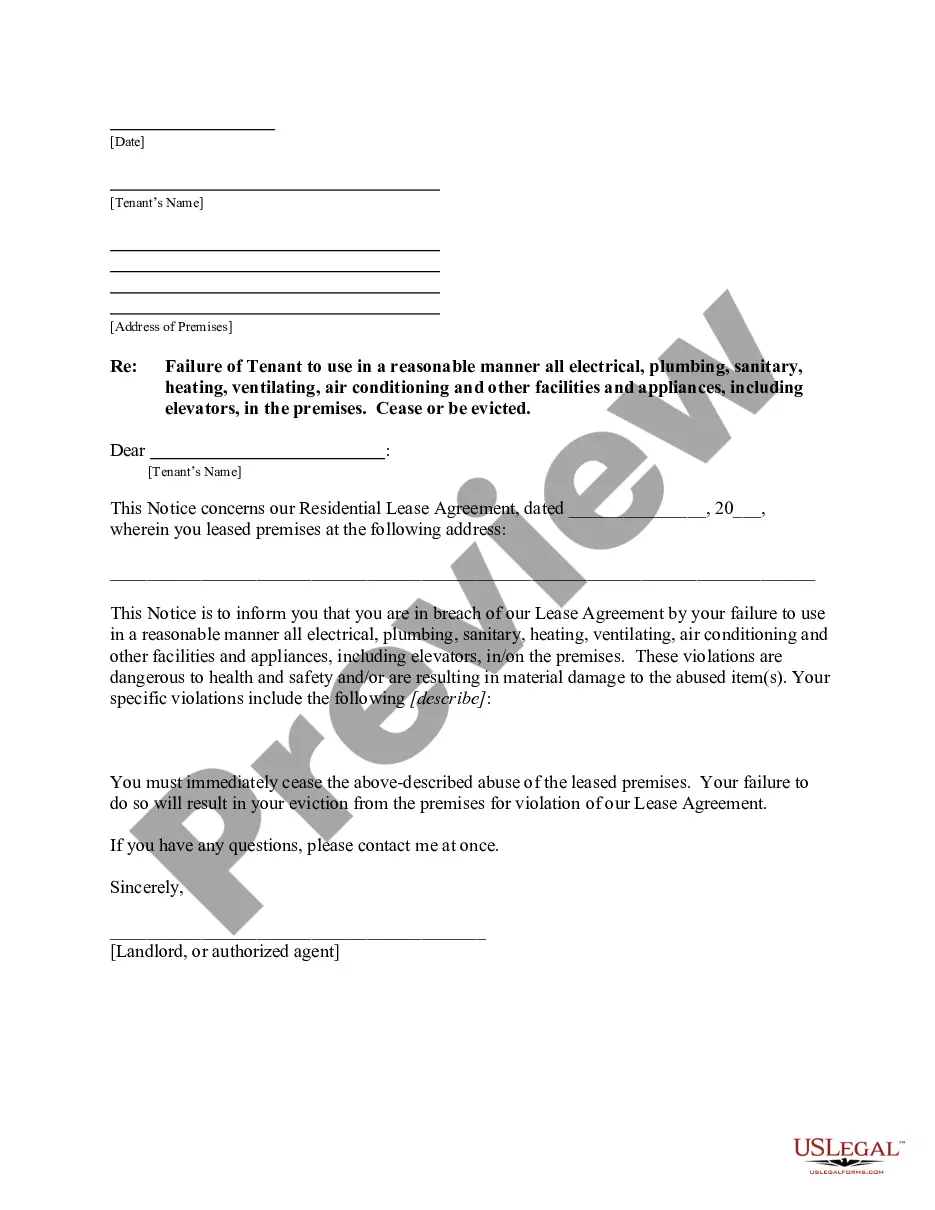
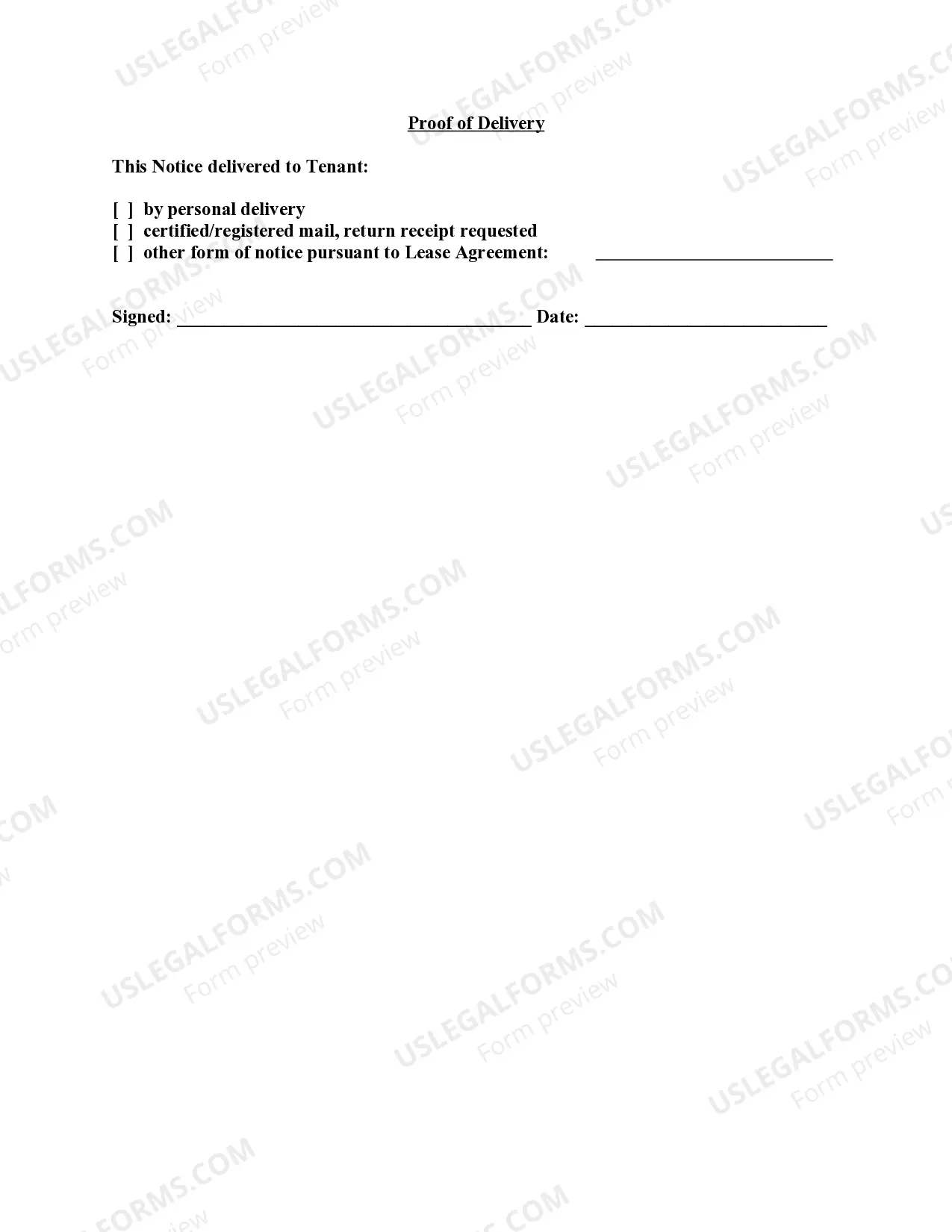
How to fill out New Jersey Letter From Landlord To Tenant For Failure To Use Electrical, Plumbing, Sanitary, Heating, Ventilating, Air Conditioning And Other Facilities In A Reasonable Manner?
- If you have utilized US Legal Forms before, log in to your account at the provided link and click the Download button on your required document. Ensure your subscription is active; if it's not, renew it based on your payment plan.
- If you are new to US Legal Forms, start by previewing the form descriptions thoroughly to ensure you select one that meets your specific needs and complies with local jurisdiction requirements.
- If the chosen form isn't suitable, use the Search tab to find another template that matches your criteria. Check for any discrepancies before proceeding to the next step.
- To purchase the document, click on the Buy Now button and select your preferred subscription plan. You will need to register for an account to access the extensive library of forms.
- Complete your purchase by entering your credit card information or using your PayPal account to pay for the subscription.
- Once your purchase is complete, you can download the form and save it to your device. You can access it later in the My Forms menu of your profile whenever needed.
In conclusion, US Legal Forms simplifies the process of acquiring legal documents with an extensive selection that empowers individuals and attorneys alike. With comprehensive resources and access to premium support for precise document completion, you can feel confident in your legal decisions.
Explore the vast library of US Legal Forms today and take the first step toward easy legal document access!
Form popularity
FAQ
If the heat isn't working in NYC, you should first notify your landlord about the issue immediately. Document the situation, including the timing of the failure to use heating with heat. If your landlord does not take action, reach out to the NYC Department of Housing Preservation and Development for assistance in resolving the matter. Ensure you take action swiftly to protect your comfort and rights.
You can indeed sue your landlord for no heating under certain conditions. If they continually fail to use heating with heat, especially during freezing temperatures, they may be liable for damages. It's advisable to gather evidence and document any failures. Consulting legal resources can guide you on how to proceed effectively.
Landlords are typically required to provide heat when outdoor temperatures drop below a certain level. In NYC, this often means maintaining heat during winter months when the failure to use heating with heat can make living conditions unbearable. Regulations may specify the exact hours and temperatures for heating. Familiarize yourself with local laws to ensure compliance.
Yes, you can sue your landlord for no heat in NYC if they fail to provide adequate heating. Document any communication regarding the failure to use heating with heat to strengthen your case. Before pursuing legal action, consider all avenues, including notifying the local housing authority. Consulting a legal expert can also clarify your rights.
To complain about no heat in NYC, you can reach out to the NYC Department of Housing Preservation and Development. You may submit an official complaint through their online portal or call them directly. Ensure you have details about your situation, such as the timing of the failure to use heating with heat, to expedite the process.
If your landlord refuses to fix the heat, it’s important to act urgently. First, inform your landlord in writing about the failure to use heating with heat. If they do not respond, consider contacting the NYC Department of Housing Preservation and Development. They can assist you in resolving heat issues and ensure your rights as a tenant are upheld.
In general, landlords should not leave tenants without heat for an extended period. Depending on local laws, this duration can vary, but failure to use heating with heat for more than a day in colder months is typically unacceptable. If you find yourself without heat, contacting your landlord immediately is crucial. Document any communication to ensure you are protected.
Filling a heating system after draining requires specific steps to prevent airlocks. Begin by closing all radiator valves, then connect a hose from your water supply to the system's filling loop. Open the filling loop valve while monitoring the pressure gauge closely to avoid overfilling. This careful approach helps ensure that you do not encounter issues related to the failure to use heating with heat when restarting your system.
To reset your central heating, begin by turning off the power to the system at the breaker. Wait for at least five minutes, then turn the power back on. This process helps clear any issues related to poor function, including the failure to use heating with heat effectively. If you continue to face problems, exploring options through platforms like USLegalForms can provide you with documents and guides relevant to heating system maintenance.
If you are looking for the reset button on your heating unit, it is often located on the main control panel or near the power supply. Depending on the unit, this button can be a simple red or yellow button that usually requires a firm press. Knowing how to find and use this button can be essential in troubleshooting the failure to use heating with heat. If you have difficulty locating it, refer to the user manual for more specific guidance.