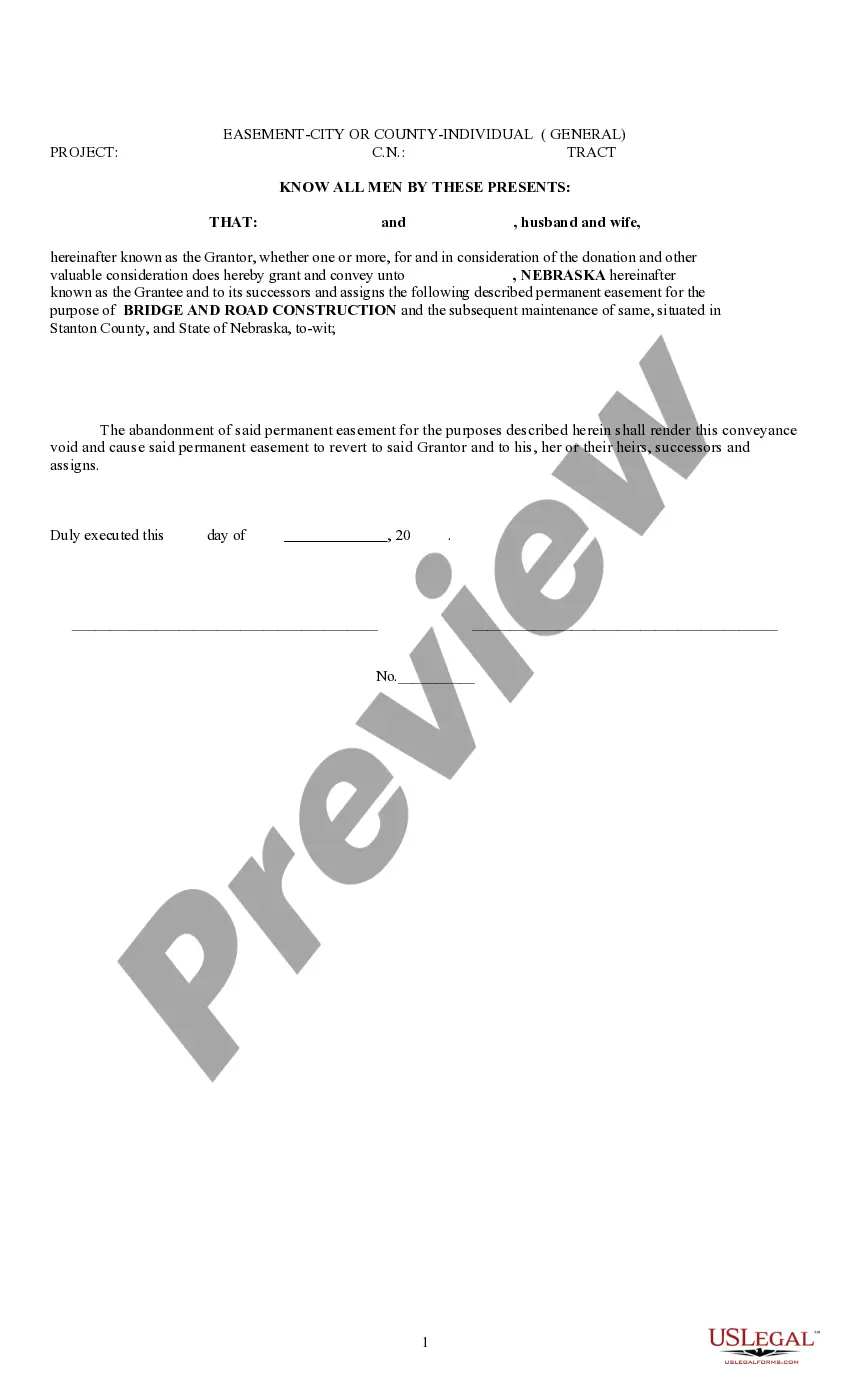
Easement Know Said With An Extended Fork
Description
Get your form ready online
Our built-in tools help you complete, sign, share, and store your documents in one place.
Make edits, fill in missing information, and update formatting in US Legal Forms—just like you would in MS Word.
Download a copy, print it, send it by email, or mail it via USPS—whatever works best for your next step.
Sign and collect signatures with our SignNow integration. Send to multiple recipients, set reminders, and more. Go Premium to unlock E-Sign.
If this form requires notarization, complete it online through a secure video call—no need to meet a notary in person or wait for an appointment.
We protect your documents and personal data by following strict security and privacy standards.

Make edits, fill in missing information, and update formatting in US Legal Forms—just like you would in MS Word.

Download a copy, print it, send it by email, or mail it via USPS—whatever works best for your next step.

Sign and collect signatures with our SignNow integration. Send to multiple recipients, set reminders, and more. Go Premium to unlock E-Sign.

If this form requires notarization, complete it online through a secure video call—no need to meet a notary in person or wait for an appointment.

We protect your documents and personal data by following strict security and privacy standards.
Looking for another form?







How to fill out Nebraska Easement For Bridge And Road Construction?
- If you're an existing user, log into your account and download the required form template by clicking the Download button. Confirm that your subscription is valid, and if needed, renew it based on your payment plan.
- For first-time users, begin by reviewing the Preview mode and form description to ensure it aligns with your legal requirements and local jurisdiction.
- Should you need a different template, utilize the Search tab above to find the correct one that fulfills your needs adequately.
- Proceed to purchase the document by clicking the Buy Now button and selecting your preferred subscription plan; you must create an account to access the library.
- Complete your purchase by entering your payment information or using your PayPal account to finalize the subscription.
- Download your form and save it to your device for easy accessibility. You can also find it later in the My Forms section of your profile.
US Legal Forms empowers individuals and attorneys to swiftly create legal documents through an extensive and user-friendly library of legal forms.
Start simplifying your legal document process today by visiting US Legal Forms and exploring the superior selection and expert assistance available.
Form popularity
FAQ
An easement can be effectively terminated through various means, including mutual agreement between the parties or the passage of time stipulated in the easement deed. Additionally, if the purpose of the easement is fulfilled, it may automatically end. It's crucial to comprehend the ins and outs of easement know said with an extended fork as you navigate these decisions, ensuring that the process aligns with legal standards and protects your interests.
For an easement to be considered valid, it must meet certain legal criteria, including its intent, usage, and explicit terms. Clear documentation outlining the easement’s purpose, location, and duration ensures all parties understand their rights and obligations. This clarity, paired with the concept of easement know said with an extended fork, can help prevent disputes and foster harmonious property relations.
The most common easement involves a right of way, which allows a person to pass through another person's property. This type of easement, often seen in residential areas, enables individuals to access roads or pathways. Understanding easement know said with an extended fork can guide you in ensuring that such rights are effectively established, preserving accessibility for all parties involved.
One disadvantage of an easement is that it may limit your property's use or future developments, as others hold certain rights to your land. Property owners may feel restricted by the terms of the easement, especially if conflicts arise with the easement holder. Moreover, disputes over maintenance responsibilities can also arise. To mitigate these issues, consider leveraging services like US Legal Forms for clear and comprehensive agreements.
An easement is commonly terminated by mutual agreement between the parties involved, or when the purpose of the easement is fulfilled. Additionally, easements can be revoked if the dominant tenement no longer requires access. Termination may also occur if the property is sold or if there’s a legal ruling on the matter. It's vital to understand these aspects to navigate easement laws effectively.
One crucial detail every easement agreement should include is the exact description of the easement's location and usage. Clearly defining the property's boundaries helps avoid future disputes between property owners. Including responsibilities for maintenance can also be helpful. For further clarity on drafting these agreements, consider using resources from US Legal Forms.
In Minnesota, an easement allows one party to use another party's property for a specified purpose, such as accessing a road or utility line. Easements must be documented in writing and recorded with the county for legal enforceability. They often remain in effect unless terminated by mutual agreement or specific conditions outlined in the easement. Understanding these principles is essential, and this is where the concept of 'easement know said with an extended fork' becomes relevant.
To fill out an easement form, first, gather all necessary information, including the property owner's details and the description of the easement. Make sure to clearly outline the specific rights being granted, as well as the boundaries of the easement area. After completing the form, review it for accuracy and completeness before signing. If you have questions, consider using platforms like US Legal Forms for guidance.
Easements can be terminated through various actions, such as abandonment or excessive use beyond what was originally granted. Additionally, if the property that benefits from the easement is sold, the easement may become invalid. Understanding the conditions that lead to easement termination helps you protect your property rights. For more assistance navigating these complexities, explore resources available through US Legal Forms.
A survey will show easements, detailing where they exist on a property. Easements denote specific areas where someone has the right to use land owned by another, such as utility access or shared driveways. Knowing the location of these easements helps clarify your property rights and avoids complications in future developments. If you have questions, consider using US Legal Forms to access legal documentation related to easements.