North Dakota Trust For Education
Description

Get your form ready online
Our built-in tools help you complete, sign, share, and store your documents in one place.
Make edits, fill in missing information, and update formatting in US Legal Forms—just like you would in MS Word.
Download a copy, print it, send it by email, or mail it via USPS—whatever works best for your next step.
Sign and collect signatures with our SignNow integration. Send to multiple recipients, set reminders, and more. Go Premium to unlock E-Sign.
If this form requires notarization, complete it online through a secure video call—no need to meet a notary in person or wait for an appointment.
We protect your documents and personal data by following strict security and privacy standards.

Make edits, fill in missing information, and update formatting in US Legal Forms—just like you would in MS Word.

Download a copy, print it, send it by email, or mail it via USPS—whatever works best for your next step.

Sign and collect signatures with our SignNow integration. Send to multiple recipients, set reminders, and more. Go Premium to unlock E-Sign.

If this form requires notarization, complete it online through a secure video call—no need to meet a notary in person or wait for an appointment.

We protect your documents and personal data by following strict security and privacy standards.
Looking for another form?



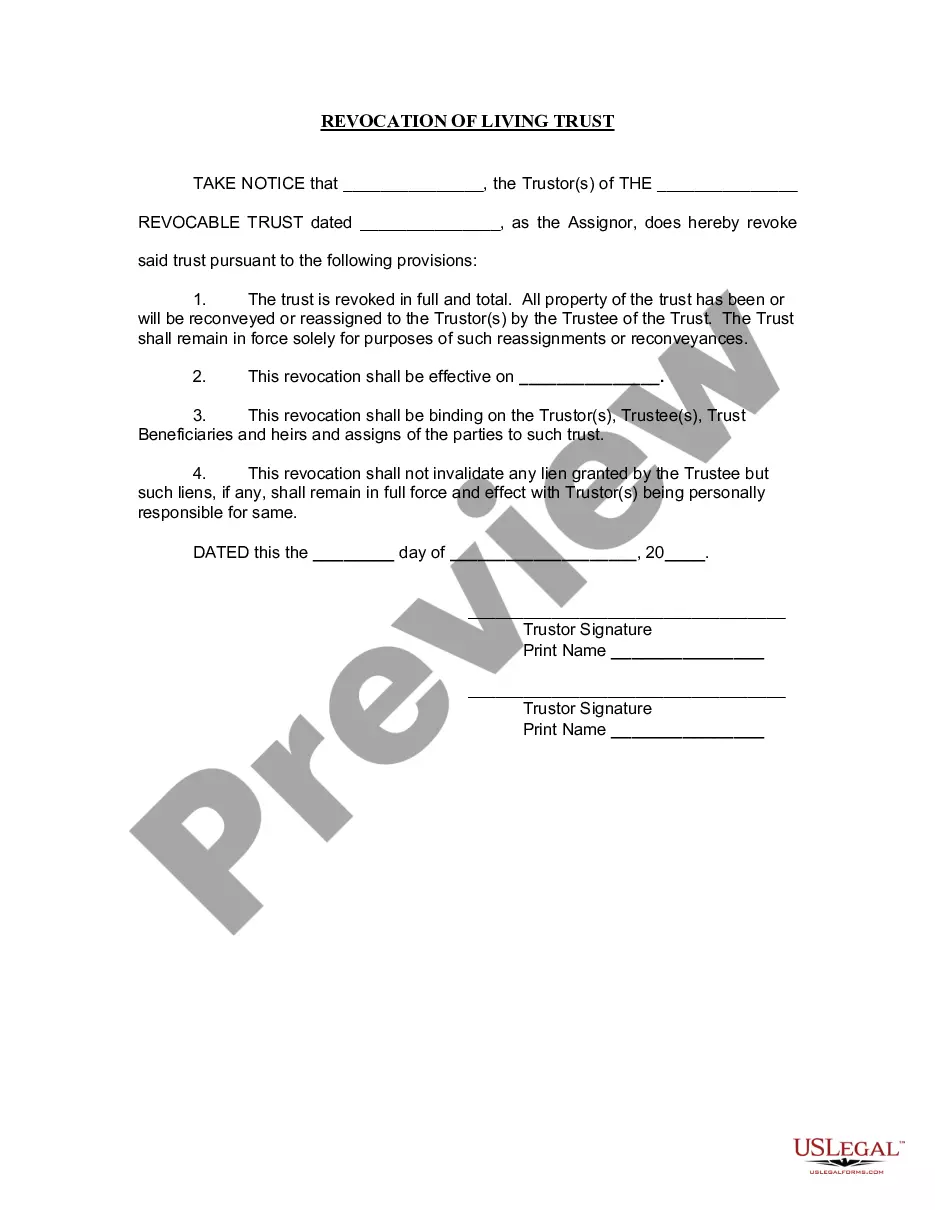
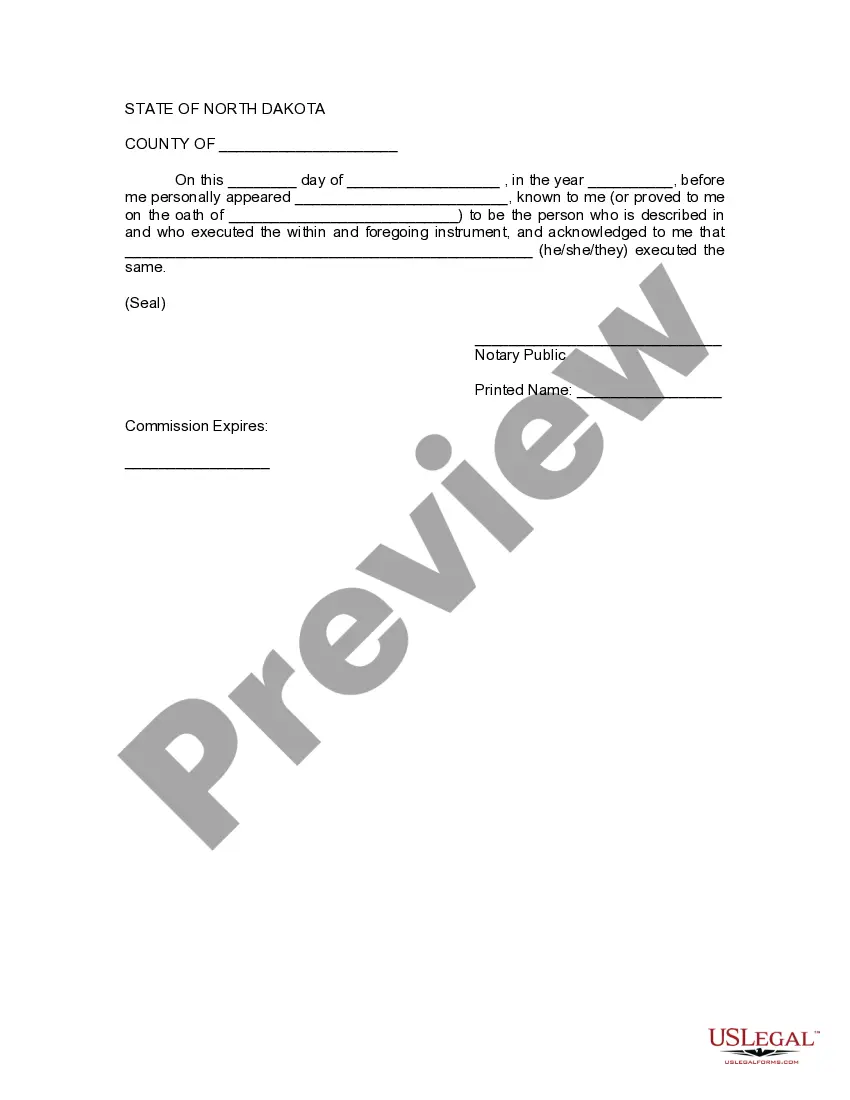
How to fill out North Dakota Revocation Of Living Trust?
- Visit the US Legal Forms website and log in to your account. If you are new, register for an account to gain access to the legal document library.
- Search for 'North Dakota trust for education' using the search bar to find the applicable form for your needs. Check the preview to confirm it meets local jurisdiction requirements.
- If necessary, look for additional templates that may better suit your situation by utilizing the search functionality on the site.
- Select your document and click the 'Buy Now' button to choose a subscription plan that fits your needs. Registration may be required to proceed.
- Complete your payment using either a credit card or PayPal for a secure transaction.
- Once your purchase is confirmed, download the form directly to your device and access it anytime from the 'My Forms' menu in your profile.
In conclusion, US Legal Forms equips you with a comprehensive selection of legal documents and expert assistance, making the establishment of a North Dakota trust for education simple and effective. Take control of your educational trust today!
Explore the resources offered by US Legal Forms and get started on your legal documents.
Form popularity
FAQ
The threshold for filing a fiduciary income tax return generally varies by state and the type of income generated. In many cases, estates and trusts are required to file when their gross income exceeds a specific amount, ensuring that any income gathered by a North Dakota trust for education is declared. It’s important to check the current thresholds for your specific situation to avoid penalties. Being informed about these limits can help in proactive financial planning.
The IL 1041 form must be filed by any estate or trust generating income in Illinois. This includes trusts set up specifically for educational purposes, like a North Dakota trust for education. If the trust has a taxable income exceeding certain thresholds, it must file the return. Awareness of these requirements can help you manage your trust more effectively.
In Virginia, any estate or trust that earns income must file a fiduciary tax return. This includes situations where the estate or trust receives income from investments or property. Trusts established for educational purposes, such as a North Dakota trust for education, may have specific filing requirements. It's essential to review the income generated to determine if a filing is necessary.
Yes, North Dakota boasts a solid education system that emphasizes student success and community involvement. With its ranking and various educational programs, the state provides ample opportunities for learning. If you're looking to invest in a North Dakota trust for education, you're making a choice that aligns with a strong, supportive educational framework.
North Dakota typically ranks among the top states in education, often within the top ten. This ranking reflects the state's commitment to providing quality education options. If you are considering setting up a North Dakota trust for education, you can trust that your investment supports a robust educational system.
As of recent reports, Mississippi holds the rank of 50 in education. In contrast, North Dakota often ranks more favorably in educational metrics. Understanding how North Dakota performs in education can guide your decisions if you are exploring a North Dakota trust for education.
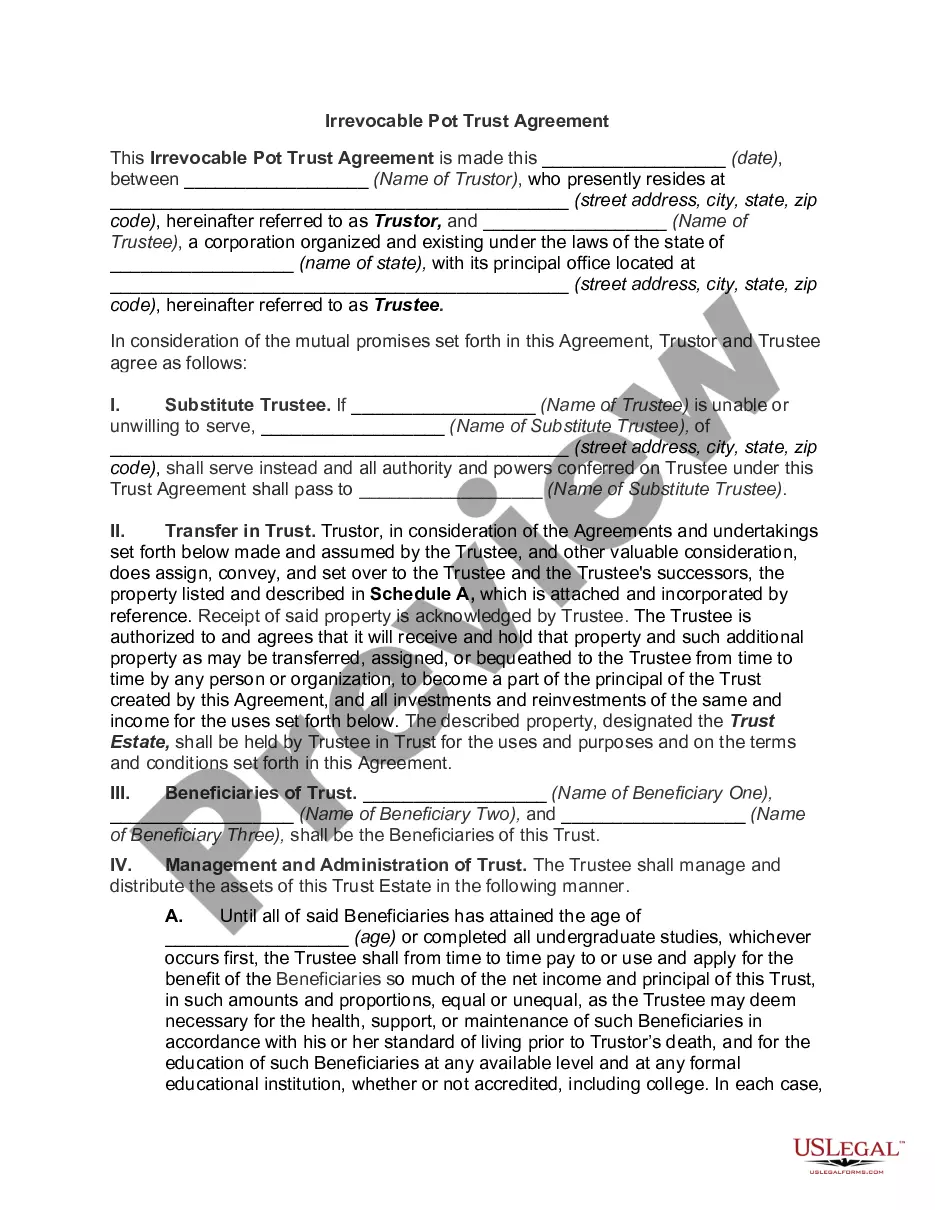
To establish a North Dakota trust for education, you must have a legal document that outlines the intent of the trust. You need a trustee who will manage the trust according to its terms. Additionally, you must identify the beneficiaries who will benefit from the trust, and the trust must comply with North Dakota's legal standards.
Camping on state land in North Dakota is generally allowed, but it’s important to check specific regulations for each area. Many state lands offer designated camping spots to minimize environmental impact. If you're interested in using state land for educational purposes, incorporating a North Dakota trust for education may help you manage those activities effectively.
While a North Dakota trust for education offers numerous benefits, there are some downsides to consider. Trusts can be complex to set up and may involve legal fees, maintenance costs, and ongoing management requirements. Additionally, once assets are placed in a trust, they may lose some control, which is crucial to evaluate before establishing one.
Driving on North Dakota Trust Land is permissible, but there are specific regulations to follow. You must adhere to designated roads and paths to ensure the preservation of the land. Understanding the guidelines can help you navigate North Dakota Trust Land effectively, especially if you’re considering its use for educational purposes.