North Dakota Resulting For Theft
Description


Get your form ready online
Our built-in tools help you complete, sign, share, and store your documents in one place.
Make edits, fill in missing information, and update formatting in US Legal Forms—just like you would in MS Word.
Download a copy, print it, send it by email, or mail it via USPS—whatever works best for your next step.
Sign and collect signatures with our SignNow integration. Send to multiple recipients, set reminders, and more. Go Premium to unlock E-Sign.
If this form requires notarization, complete it online through a secure video call—no need to meet a notary in person or wait for an appointment.
We protect your documents and personal data by following strict security and privacy standards.

Make edits, fill in missing information, and update formatting in US Legal Forms—just like you would in MS Word.

Download a copy, print it, send it by email, or mail it via USPS—whatever works best for your next step.

Sign and collect signatures with our SignNow integration. Send to multiple recipients, set reminders, and more. Go Premium to unlock E-Sign.

If this form requires notarization, complete it online through a secure video call—no need to meet a notary in person or wait for an appointment.

We protect your documents and personal data by following strict security and privacy standards.
Looking for another form?

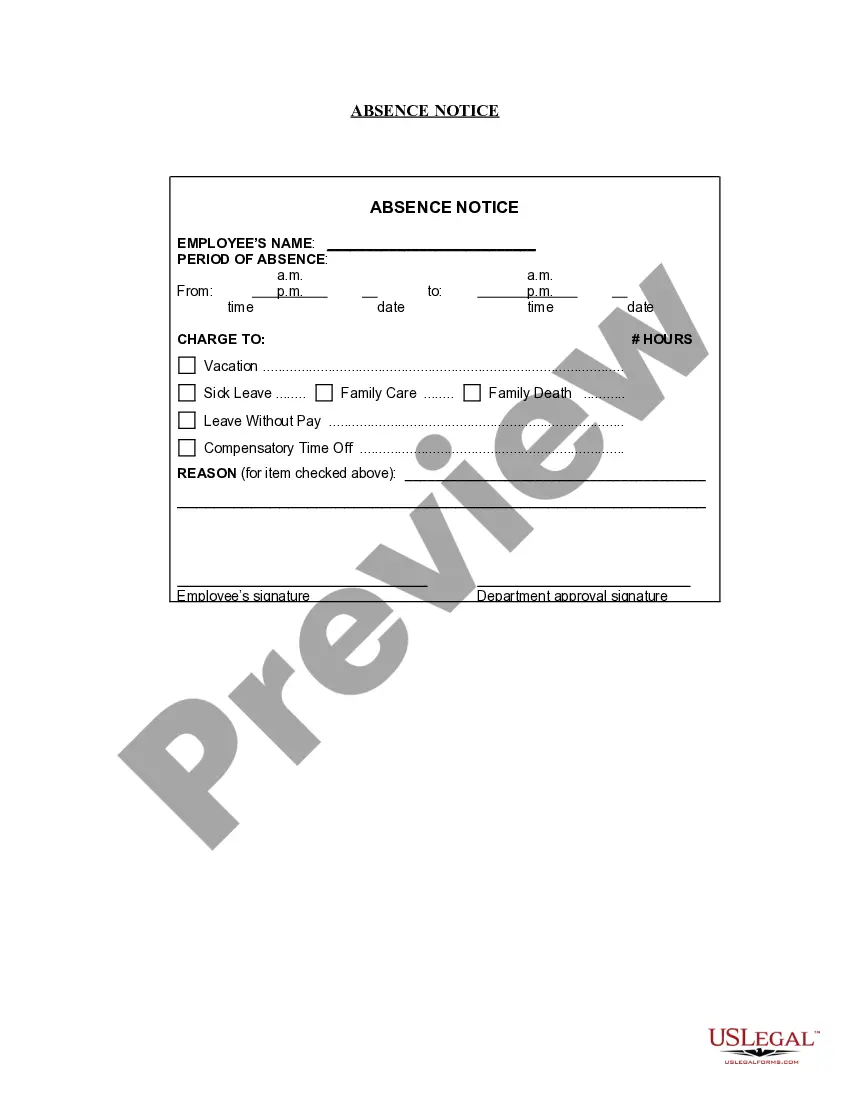





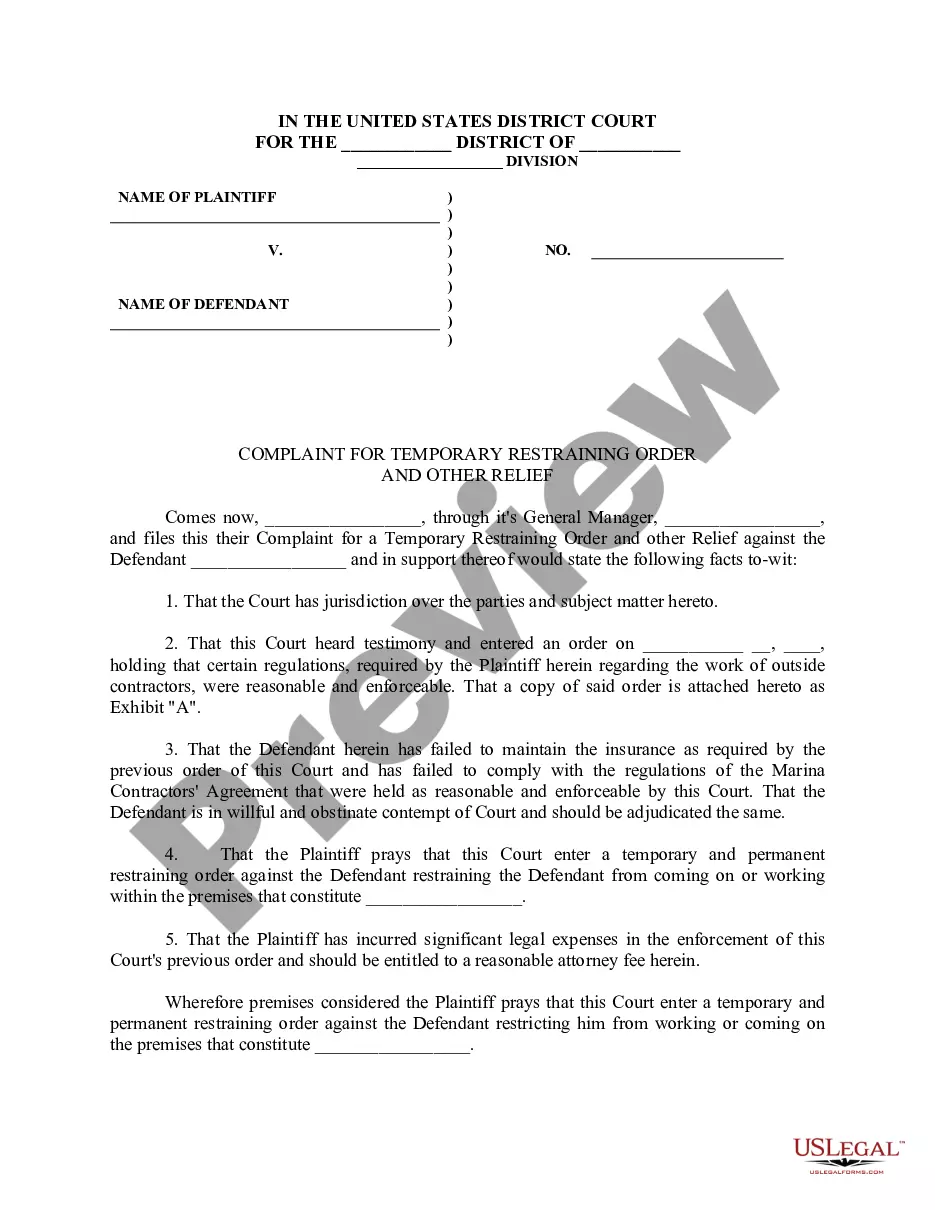


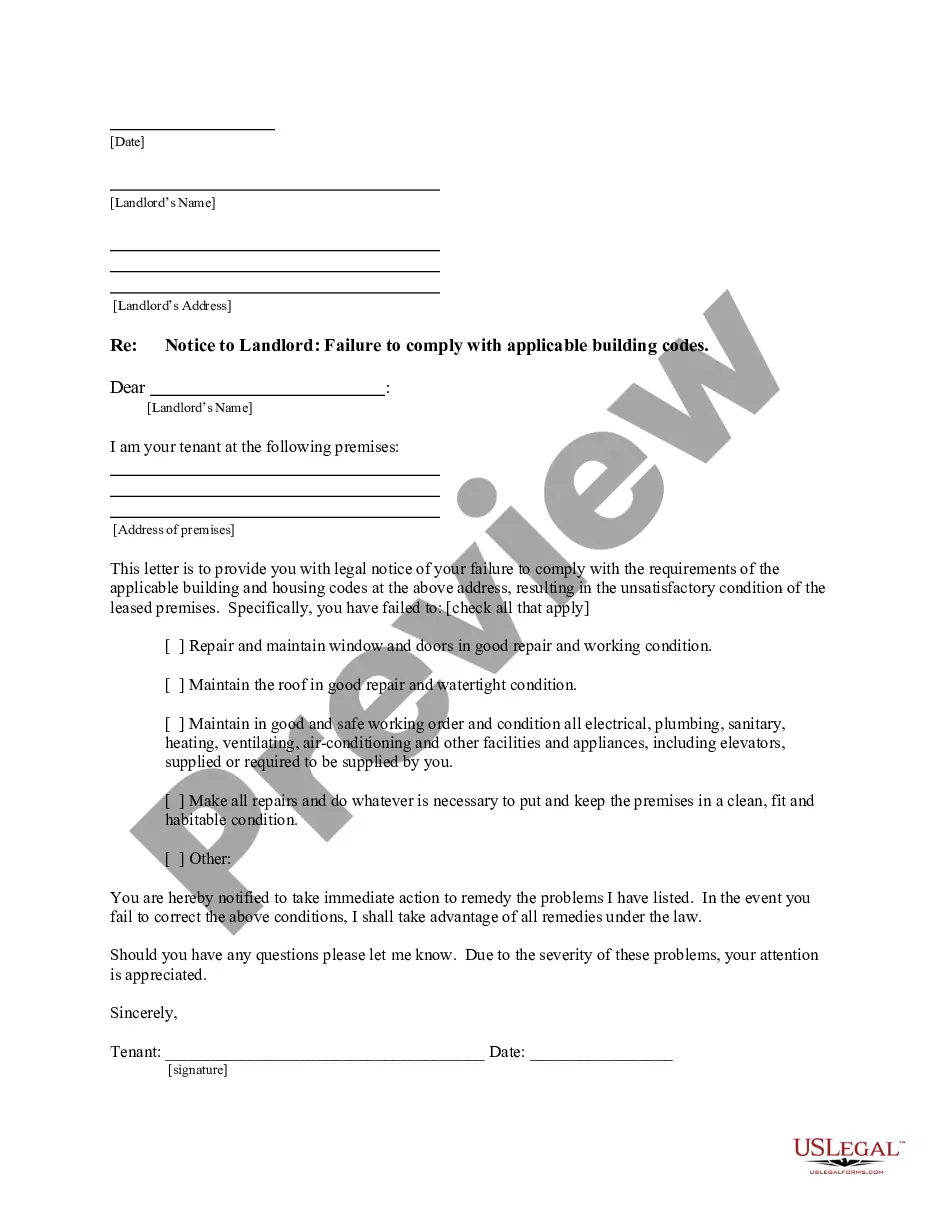
How to fill out North Dakota Letter From Tenant To Landlord For Failure Of Landlord To Comply With Building Codes Affecting Health And Safety Or Resulting In Untenantable Condition - Demand For Remedy?
- If you're already a user, log in to your account and check if your subscription is active before downloading any form.
- For first-time users, explore the Preview mode to ensure the selected document aligns with your requirements and complies with local laws.
- If you need a different template, utilize the Search tab to find the appropriate legal document.
- Once satisfied, click the Buy Now button and select your subscription plan; an account registration is necessary to access all resources.
- Complete your purchase using your credit card or PayPal, and then proceed to download the form.
- Finally, remember to save your template on your device and access it anytime via the My Forms menu.
By using US Legal Forms, you're ensuring that your legal documents are both accurate and compliant with regulations. Their extensive form collection and support from premium experts enable you to secure your legal standing effectively.
Get started today with US Legal Forms and simplify your legal document needs!
Form popularity
FAQ
The minimum sentence for a Class C felony in North Dakota typically starts at one year and may extend to five years in prison. Additionally, offenders may face fines up to $10,000, depending on the circumstances of the case. It's imperative to prepare for possible legal repercussions if charged with a felony. Engaging with platforms like US Legal Forms can help you navigate your legal rights and responsibilities effectively.
In North Dakota, the minimum amount stolen that elevates the crime to a felony is $1,000. This threshold highlights the significant legal repercussions that can follow if you exceed this value. Being aware of what classifies a theft as a felony is vital for anyone navigating potential theft allegations. If you're unsure about your case, consider using US Legal Forms for accurate legal documentation and advice.
A class B misdemeanor in North Dakota is considered serious but less severe than a felony. This classification can lead to a maximum sentence of 30 days in jail, coupled with fines that may reach up to $1,500. Fortunately, many offenders can explore options for probation or alternative sentencing. Understanding the implications of a class B misdemeanor is important for anyone poised to face legal challenges around theft.
The minimum sentence for theft in North Dakota varies based on the classification of the crime. For misdemeanor theft, the penalty often includes fines or jail time, typically ranging from 30 days to one year. However, felony theft carries harsher penalties, potentially leading to years in prison. Knowing the minimum sentence can help you prepare for potential outcomes if facing theft charges.
In North Dakota, the lowest amount of felony theft generally starts at $1,000. This means if the stolen property is valued at $1,000 or more, the crime can be classified as a felony. Understanding this threshold is crucial, as it can significantly impact legal consequences. If you find yourself in a situation involving theft charges, exploring resources like US Legal Forms can provide valuable guidance.
North Dakota Century Code 12.1-31-01 covers the regulations around criminal trespass and the consequences for unlawfully entering property. This area of the law intersects significantly with theft, as unlawful entry can lead to theft charges. Being familiar with this code is beneficial for understanding the nuances of theft-related offenses in the state.
North Dakota Century Code 44-04-18 pertains to the open records and meetings law in the state. This law allows citizens access to public records, including court documents related to theft cases. By understanding this code, individuals can navigate the legal system more effectively when dealing with theft-related issues.
North Dakota Century Code 62.1-02-05 addresses the crimes related to the possession of stolen property. This code specifies what constitutes possession and the legal repercussions for individuals found with stolen items. This information is vital for anyone involved in a theft case, as it clarifies potential charges.
The North Dakota Century Code for theft can be found in Chapter 12.1-23. This code outlines various theft offenses, including penalties for different degrees of theft. Understanding this code is essential for anyone facing allegations of theft in North Dakota or looking for clarity on legal definitions and consequences.
North Dakota Century Code 23 07 01 defines the laws related to public health and safety, specifically concerning the prevention of disease and control of infectious agents. This code plays a crucial role in ensuring community well-being. It's important to understand these regulations as they contribute to overall safety, including aspects that may relate to theft in public spaces.