Letter Landlord Building For The Future
Description


Get your form ready online
Our built-in tools help you complete, sign, share, and store your documents in one place.
Make edits, fill in missing information, and update formatting in US Legal Forms—just like you would in MS Word.
Download a copy, print it, send it by email, or mail it via USPS—whatever works best for your next step.
Sign and collect signatures with our SignNow integration. Send to multiple recipients, set reminders, and more. Go Premium to unlock E-Sign.
If this form requires notarization, complete it online through a secure video call—no need to meet a notary in person or wait for an appointment.
We protect your documents and personal data by following strict security and privacy standards.

Make edits, fill in missing information, and update formatting in US Legal Forms—just like you would in MS Word.

Download a copy, print it, send it by email, or mail it via USPS—whatever works best for your next step.

Sign and collect signatures with our SignNow integration. Send to multiple recipients, set reminders, and more. Go Premium to unlock E-Sign.

If this form requires notarization, complete it online through a secure video call—no need to meet a notary in person or wait for an appointment.

We protect your documents and personal data by following strict security and privacy standards.
Looking for another form?





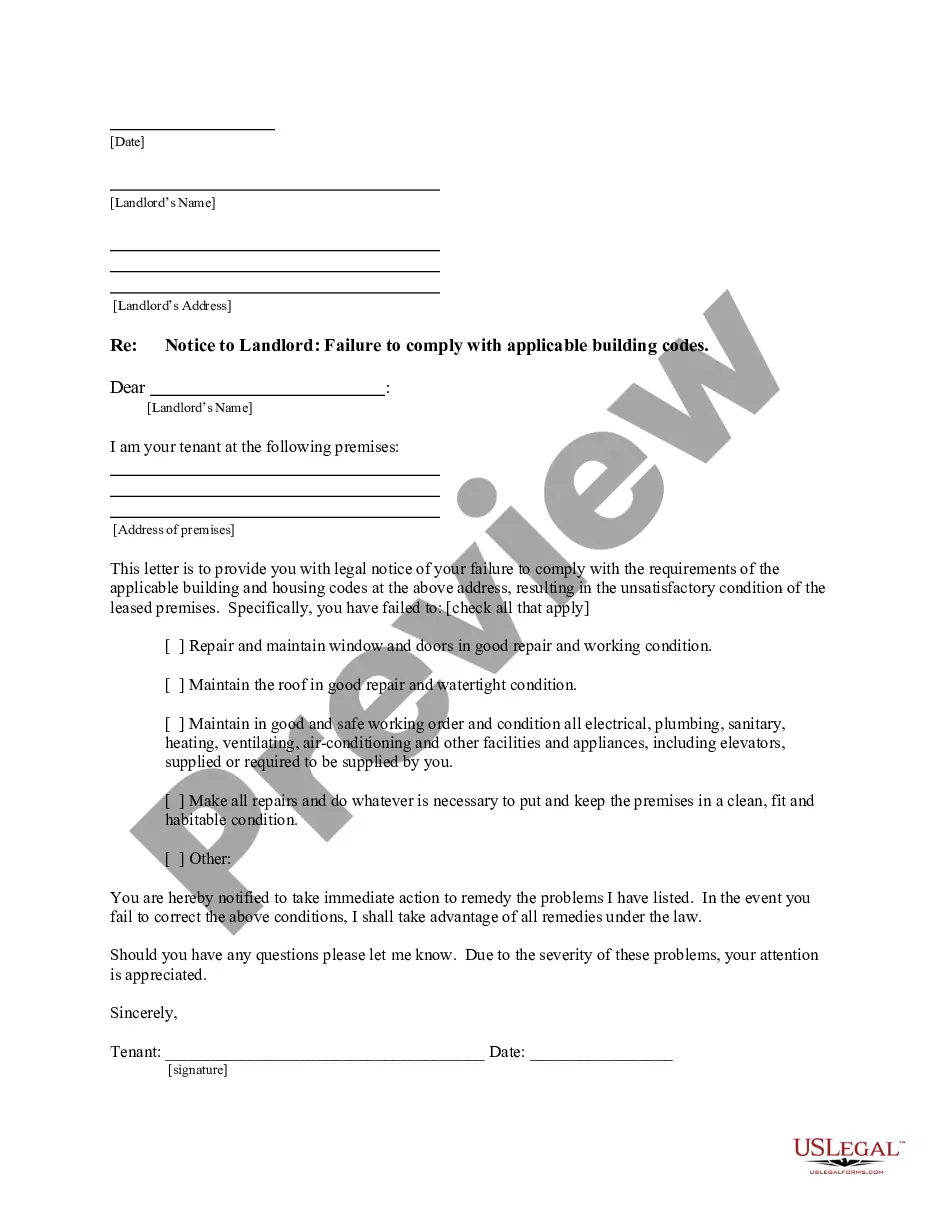
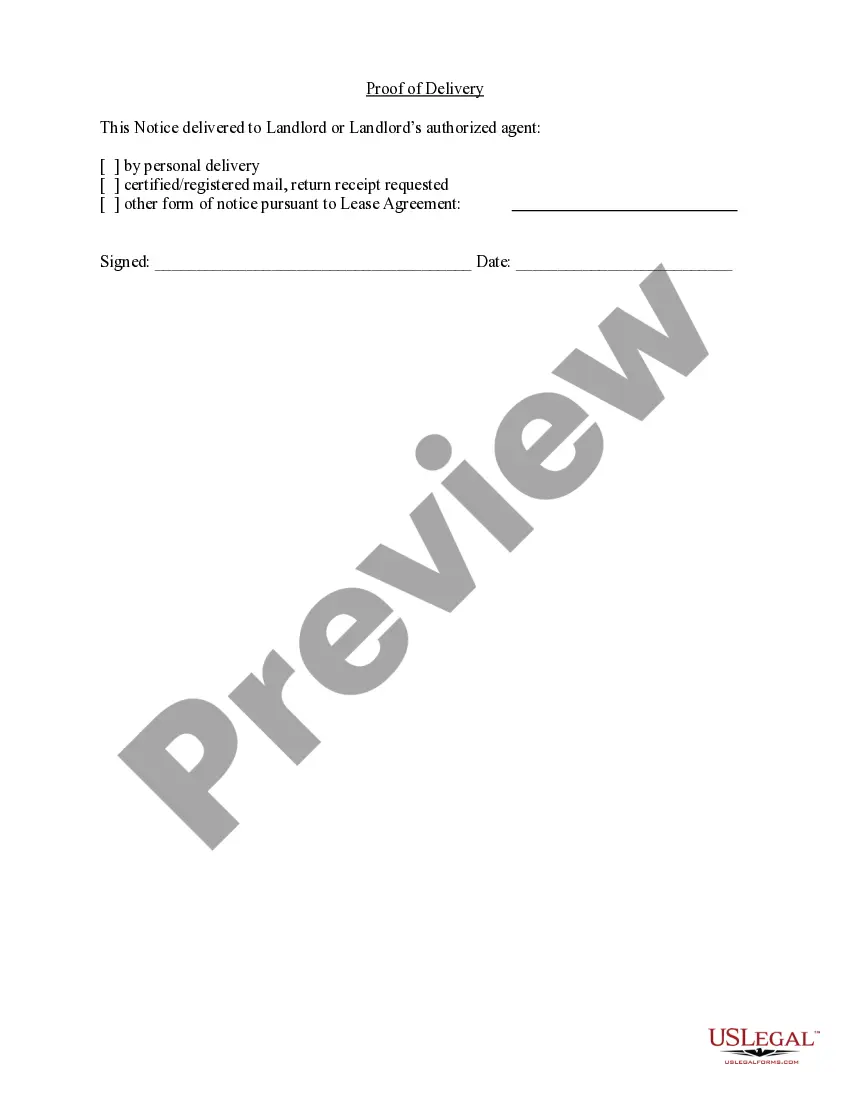
How to fill out North Dakota Letter From Tenant To Landlord For Failure Of Landlord To Comply With Building Codes Affecting Health And Safety Or Resulting In Untenantable Condition - Demand For Remedy?
- Start by checking if you already have an account with US Legal Forms. If you do, log in and navigate to the desired form template. Ensure your subscription is active; if not, update it to access the latest resources.
- For first-time users, browse the extensive library of templates available. Utilize the Preview mode to assess each form and confirm it aligns with your requirements and local regulations.
- If you call for a different template, use the Search feature to find alternatives until you find the perfect match for your needs.
- Once you've selected the right document, click the Buy Now button and choose a subscription plan that fits your needs while creating an account to access more forms.
- Proceed with your purchase using a credit card or PayPal account, ensuring a secure transaction.
- Finally, download your completed form to your device and keep it accessible in the My Forms section of your profile for future reference.
In conclusion, US Legal Forms offers a robust platform for creating legal documents efficiently. With over 85,000 editable templates and access to expert assistance, you can ensure your landlord letters are not only accurate but also comprehensive.
Ready to start drafting effective legal documents? Visit US Legal Forms today and take the first step towards securing your future with professionally crafted letters.
Form popularity
FAQ
When you fill out a landlord application, it’s crucial to provide comprehensive and honest information about your work history, income, and previous rental experiences. This transparency lays the groundwork for a trustworthy relationship with your landlord. Additionally, highlighting any relevant achievements or stable housing situations in your cover letter strengthens your application’s appeal. Using tools like uslegalforms can help ensure you have all necessary documentation prepared for a successful submission that sets you up for the future.
Red flags on a rental application may include inconsistent income details, a history of evictions, or lack of positive rental references. These factors can raise concerns for landlords about your reliability as a tenant. To avoid these issues, ensure that your application and accompanying documents are accurate and complete. Taking the time to present your best self helps solidify a positive perception and a potential future relationship with your landlord.
Filling out a landlord application requires you to provide accurate personal information, including your employment history and monthly income. It's important to be thorough and transparent, as this builds trust with potential landlords. Furthermore, include references who can vouch for your reliability; these elements strengthen your application and showcase your intentions for building a positive rental future. Platforms like uslegalforms can guide you through application essentials, making your process seamless.
When writing a letter to your landlord about moving out early, clearly state your intention and include your planned move-out date. Be honest about your reasons for leaving, as transparency can foster goodwill. Additionally, provide your landlord with any necessary information to facilitate a smooth transition, establishing a foundation for positive future interactions. A thoughtful approach in your letter can help maintain a healthy relationship while emphasizing your commitment to a responsible exit.
Most landlords typically require tenants to earn two to three times the monthly rent. This ensures that you can comfortably cover rent without financial strain. By meeting this income requirement, you demonstrate your ability to make timely payments, ultimately contributing to a positive landlord-tenant relationship. Understanding these expectations can help you prepare a strong application and create a solid letter to your landlord about building for the future.
Writing a formal letter to your landlord involves using a proper format that includes your contact information and the date. Clearly articulate your message, keeping the tone respectful and the language straightforward. This formal approach demonstrates your commitment and adds to the concept of a letter landlord building for the future.
When writing a notification letter to your landlord, start with your name, address, and date at the top. Follow with a straightforward statement of your intent to notify them of your moving plans or any issues you wish to address. Remember, this letter serves as a letter landlord building for the future, helping you maintain professionalism and clarity.
To write a letter to your landlord about moving out, clearly state your intention, include your move-out date, and provide your new address for any future correspondence. It's polite to thank them for their management during your tenancy. This thoughtful letter landlord building for the future helps ensure a smooth transition.
In writing a letter to your future landlord, introduce yourself, and express your interest in the property. Include any relevant personal information, such as employment or previous rental history, to build trust. Such communication acts as a formal letter landlord building for the future, enhancing your chances of securing the rental.
In your email to the landlord about moving in, start with a polite greeting and clearly express your excitement about the new place. Provide necessary details such as your intended move-in date and any questions you may have about the property rules. This proactive approach sets the tone for a positive landlord-tenant relationship, aligning with the spirit of a letter landlord building for the future.