30 Day Eviction Notice For Spouse
Description

Get your form ready online
Our built-in tools help you complete, sign, share, and store your documents in one place.
Make edits, fill in missing information, and update formatting in US Legal Forms—just like you would in MS Word.
Download a copy, print it, send it by email, or mail it via USPS—whatever works best for your next step.
Sign and collect signatures with our SignNow integration. Send to multiple recipients, set reminders, and more. Go Premium to unlock E-Sign.
If this form requires notarization, complete it online through a secure video call—no need to meet a notary in person or wait for an appointment.
We protect your documents and personal data by following strict security and privacy standards.

Make edits, fill in missing information, and update formatting in US Legal Forms—just like you would in MS Word.

Download a copy, print it, send it by email, or mail it via USPS—whatever works best for your next step.

Sign and collect signatures with our SignNow integration. Send to multiple recipients, set reminders, and more. Go Premium to unlock E-Sign.

If this form requires notarization, complete it online through a secure video call—no need to meet a notary in person or wait for an appointment.

We protect your documents and personal data by following strict security and privacy standards.
Looking for another form?

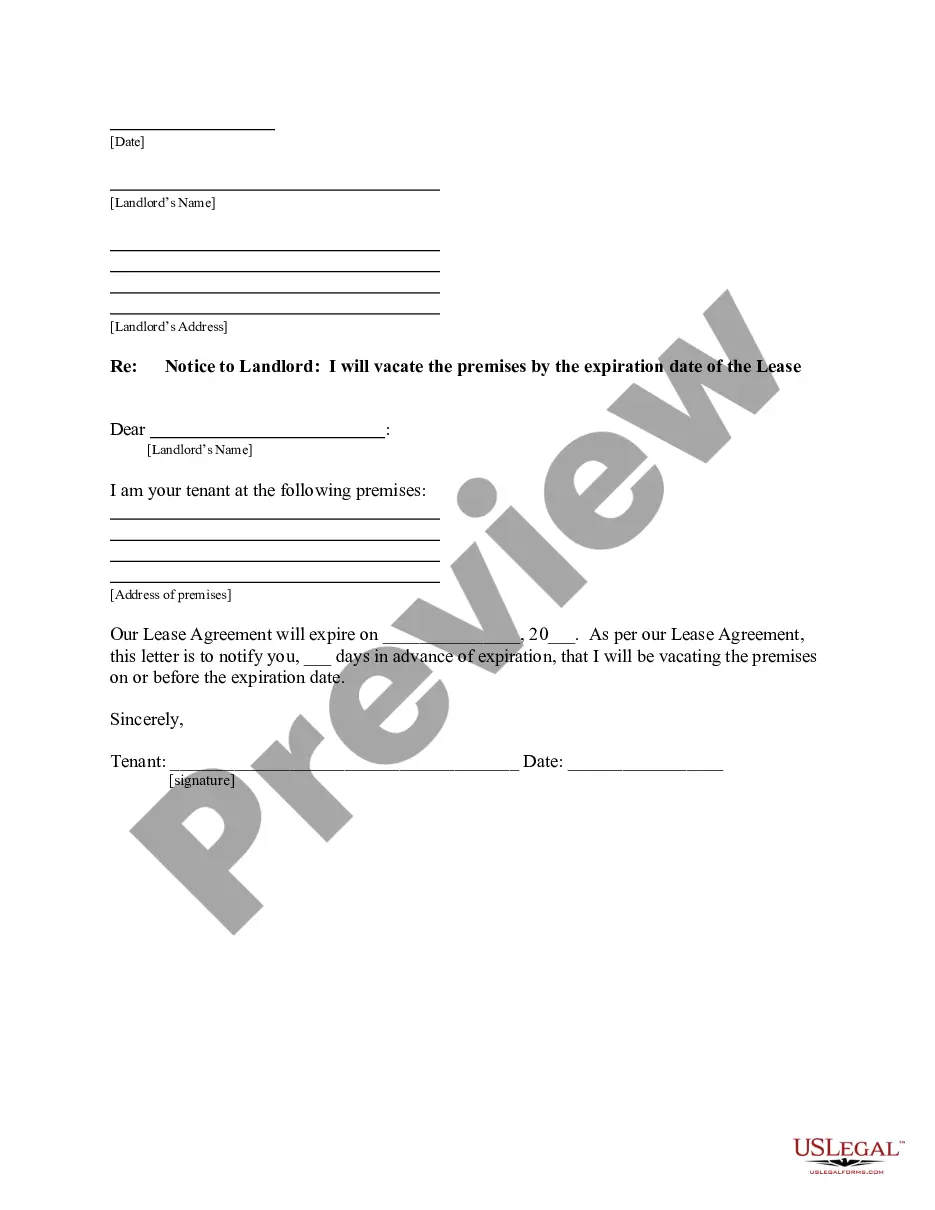
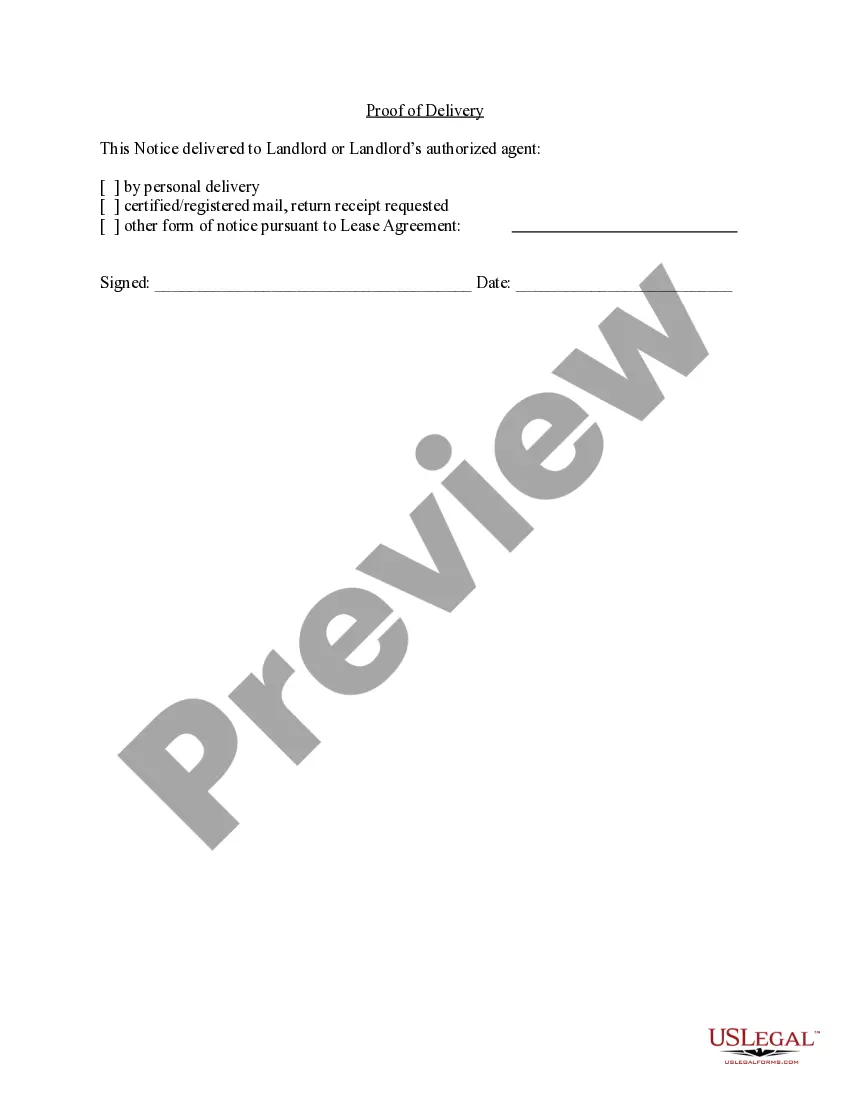
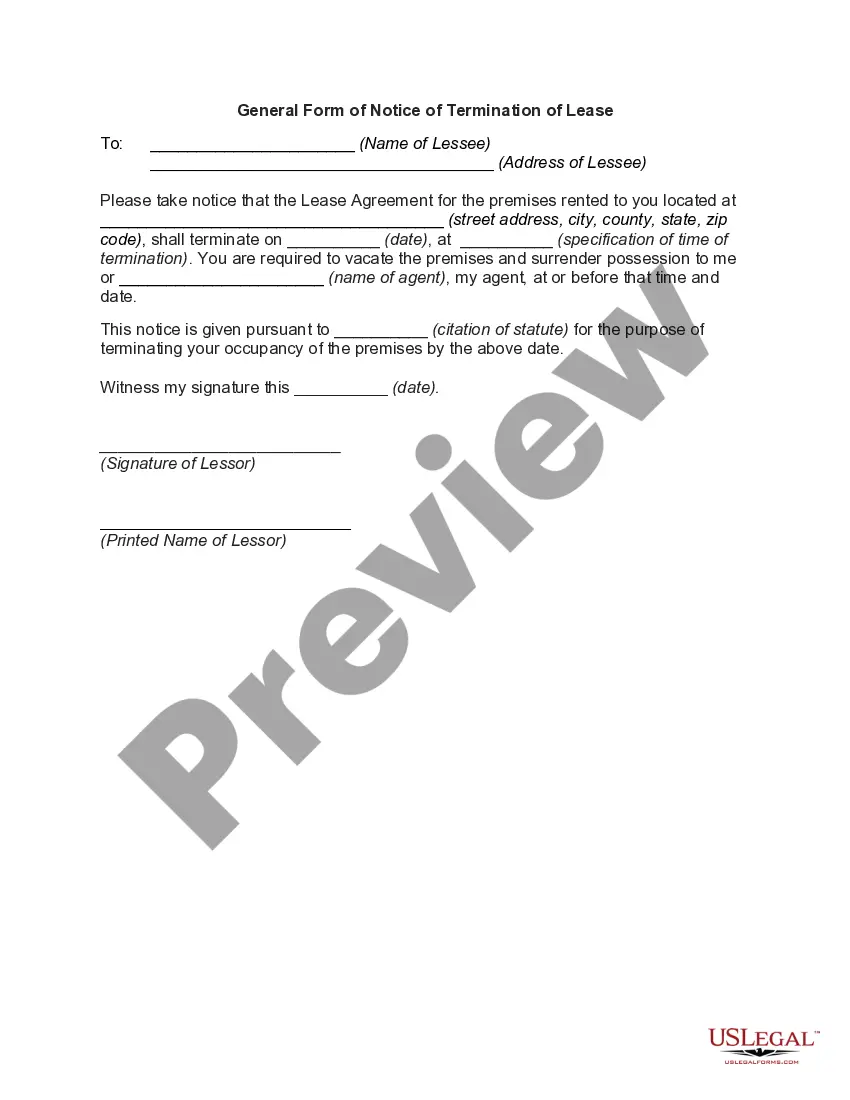
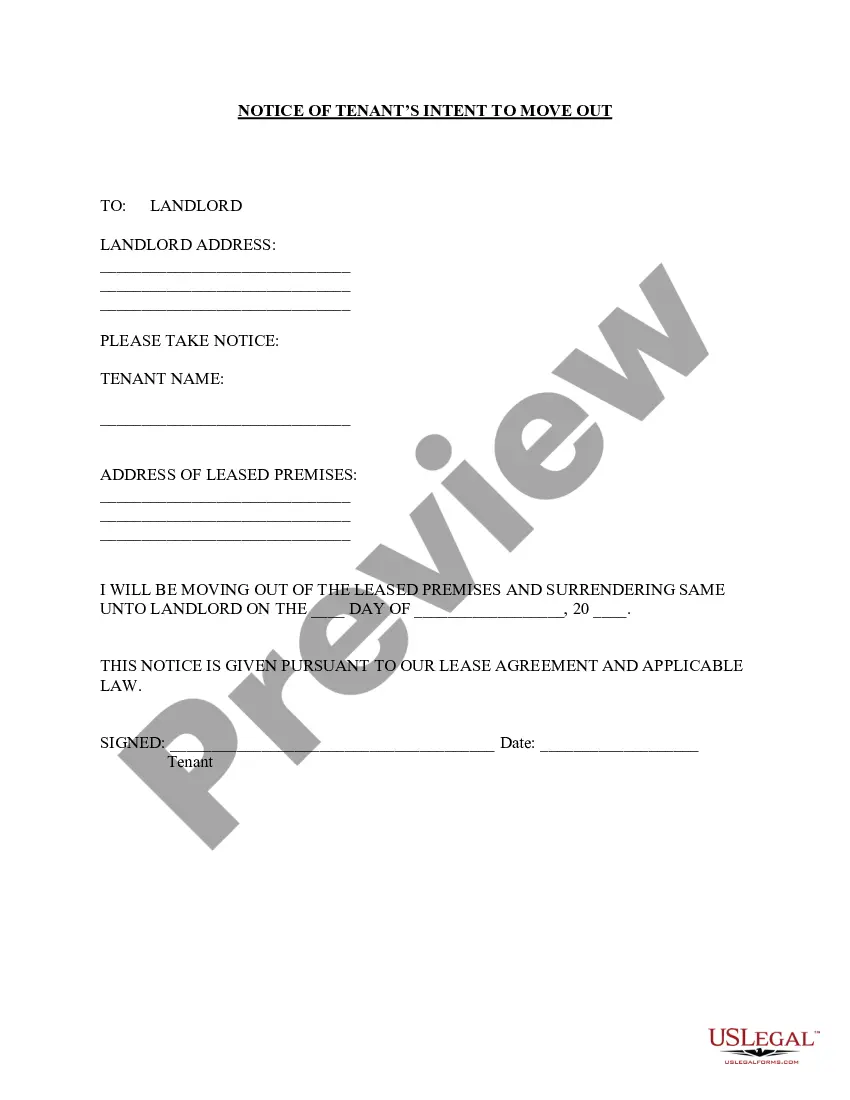
How to fill out North Carolina Letter From Tenant To Landlord For 30 Day Notice To Landlord That Tenant Will Vacate Premises On Or Prior To Expiration Of Lease?
It’s clear that you cannot transform into a legal expert instantly, nor can you swiftly learn how to create a 30 Day Eviction Notice For Spouse without having a specialized education.
Drafting legal documents is a lengthy process that demands specific training and abilities. So why not entrust the creation of the 30 Day Eviction Notice For Spouse to the experts.
With US Legal Forms, one of the most extensive legal document repositories, you can find anything from court documents to templates for office correspondence.
If you need another template, start your search again.
Sign up for a free account and select a subscription plan to acquire the template. Click Buy now. Once the purchase is complete, you can download the 30 Day Eviction Notice For Spouse, fill it out, print it, and send it by email or mail to the relevant individuals or organizations.
- We recognize the significance of compliance and adherence to federal and state regulations.
- That’s why, on our platform, all documents are location-specific and current.
- Here’s how you can begin utilizing our platform and obtain the form you need in just a few minutes.
- Locate the document you require using the search bar at the top of the page.
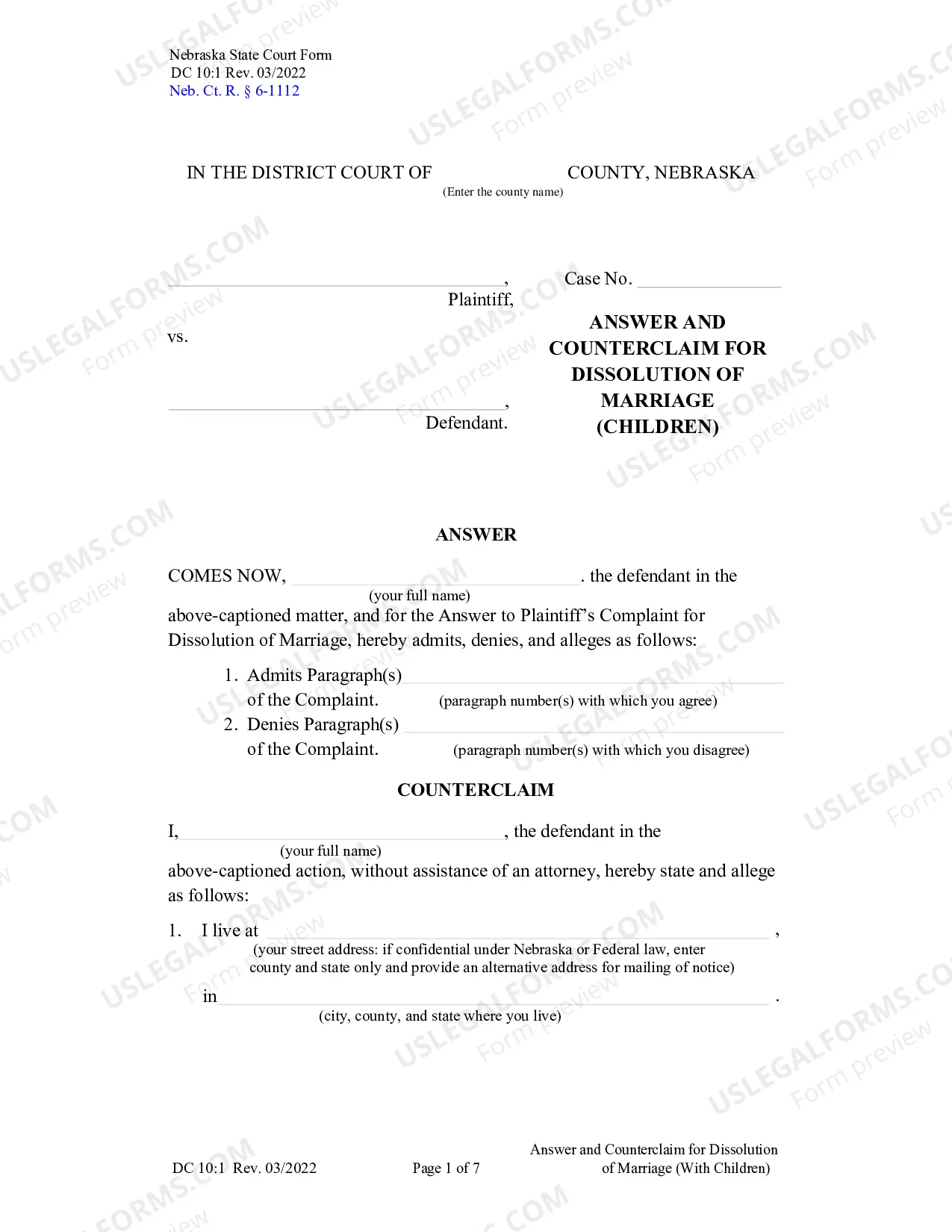
- Preview it (if this feature is available) and read the accompanying description to determine if the 30 Day Eviction Notice For Spouse is what you are looking for.
Form popularity
FAQ
By New York law, your spouse does not have the right to force you to move out of your family home during your divorce proceedings.
In this case, the police should be contacted. You could also apply for a non-molestation order through the courts if your husband is being violent or causing harm. Even if the house is in your name, you cannot force your husband to leave just because you want to divorce him when there are no safeguarding issues.
Yes, a judge could be required to give notice before a kick-out order goes into effect and forces the spouse to leave. If you feel an immediate threat of violence from the spouse, you should contact law enforcement before the order goes into effect.
File the necessary legal paperwork in court. Give your ex a copy of the paperwork explaining that they must appear in court and why, called the summons and the complaint. Wait for your ex to respond (typically five business days). Ask for a trial date if they continue to stay.
Getting a court order- Pendente Lite Even if your spouse's name is not on the deed and the monthly mortgage payments come from your paycheck, you can't simply evict them. Courts in New York will generally not remove someone from their own home unless they are a danger to their spouse and/or children.