Joint Petition For Divorce In California
Description
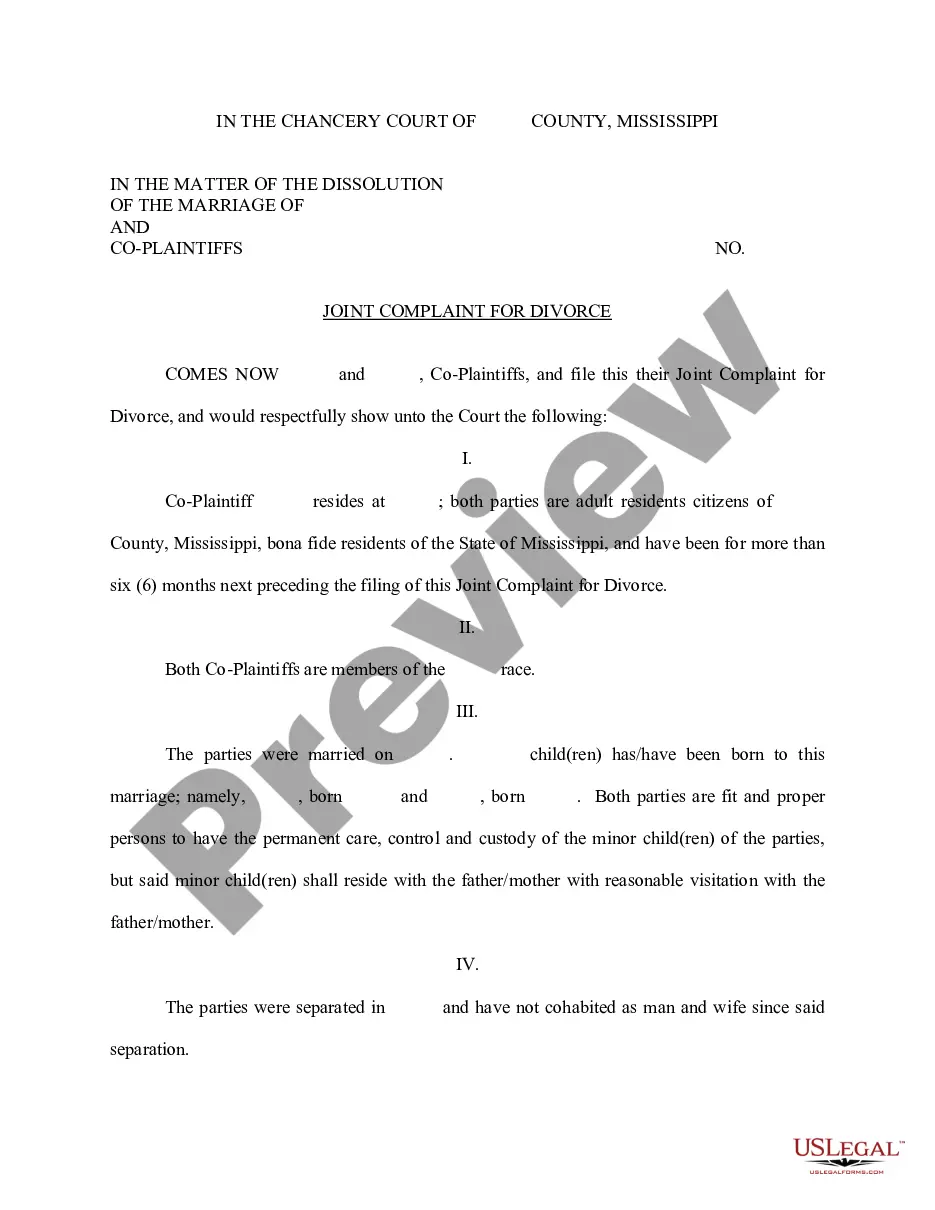
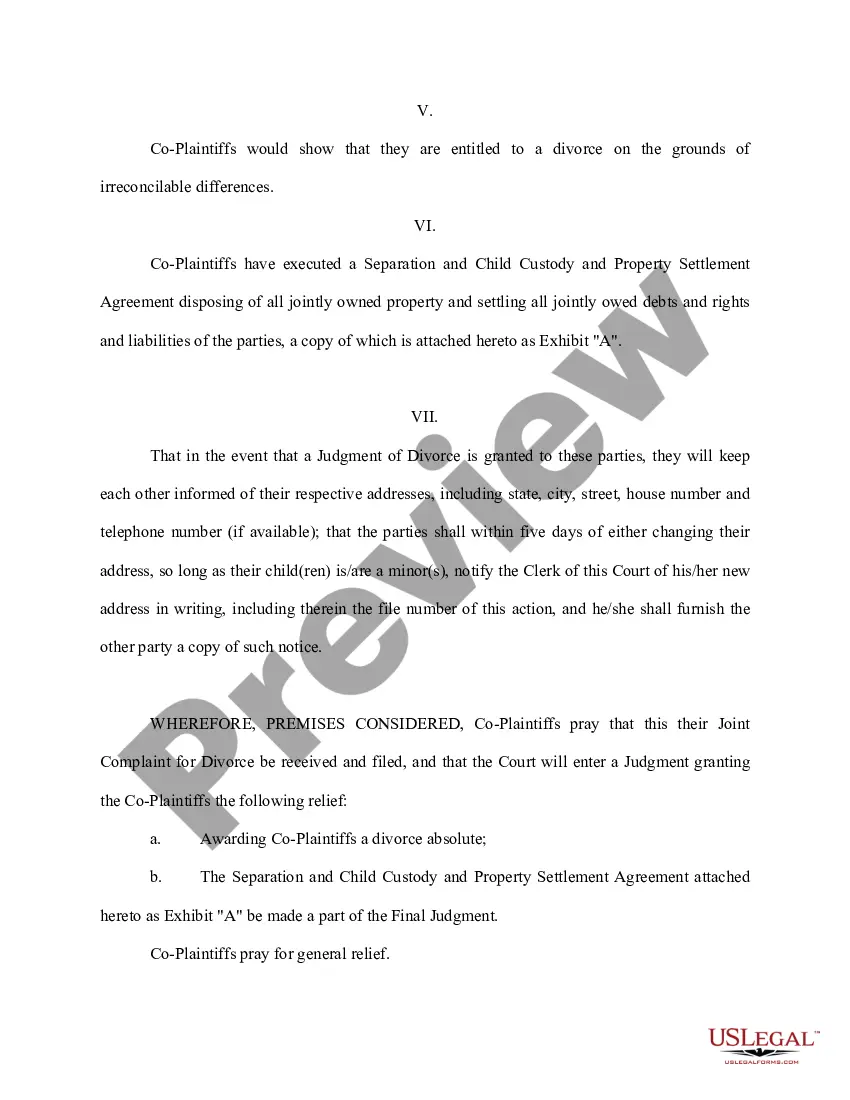
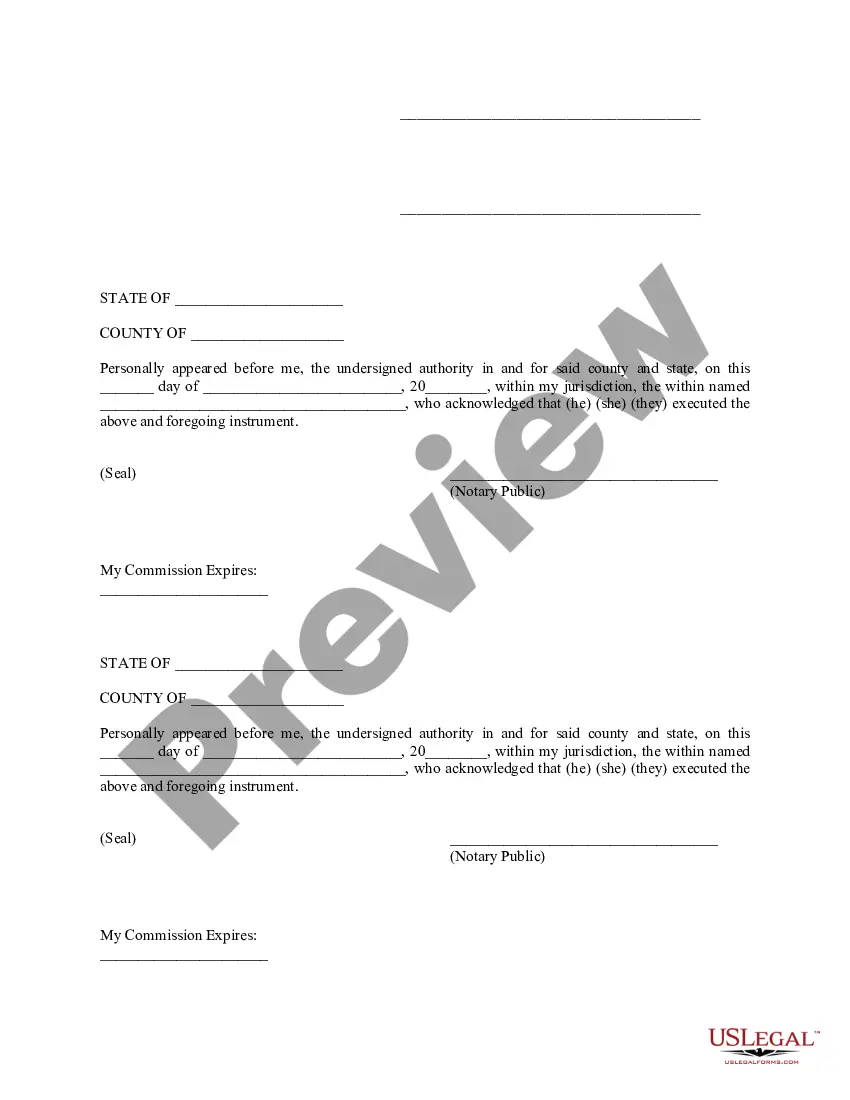
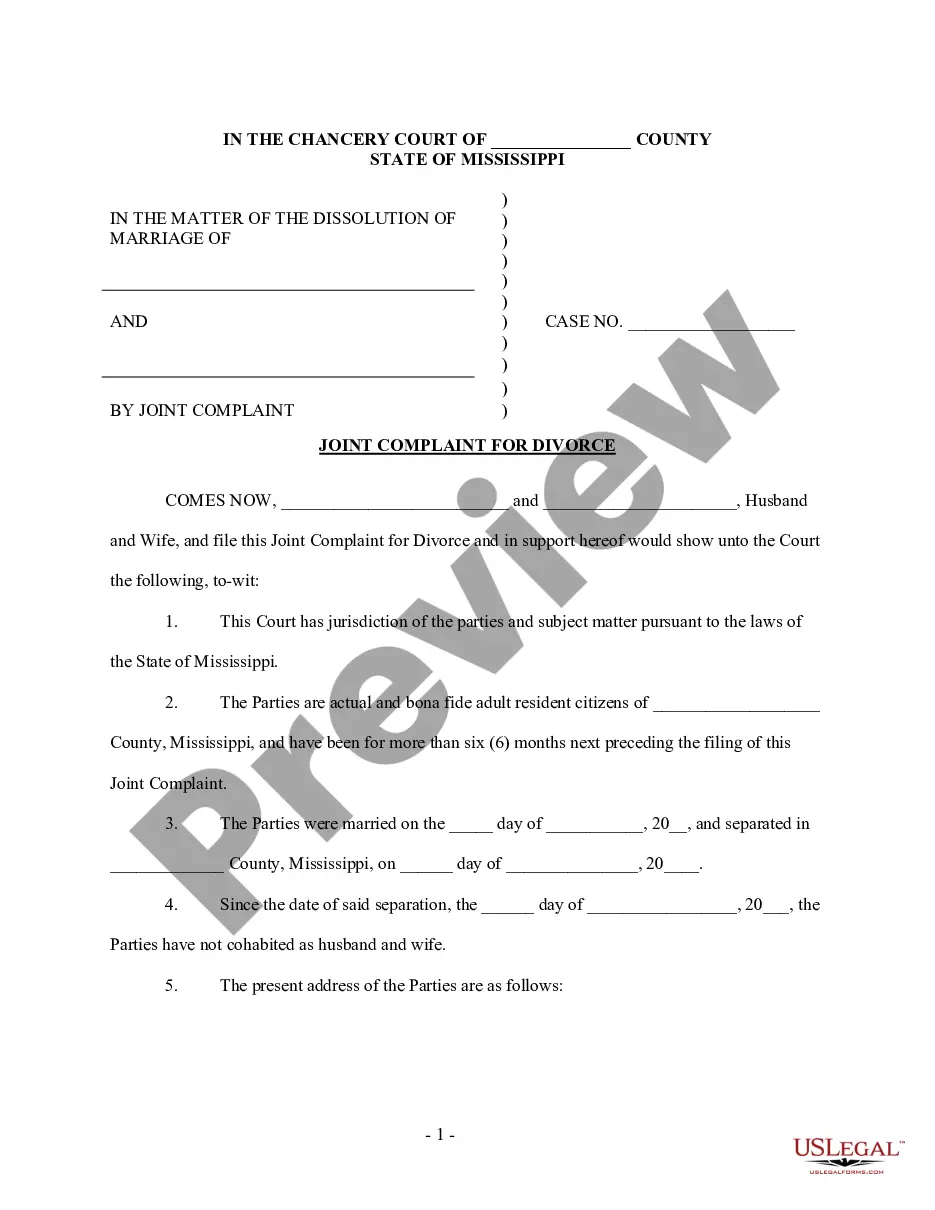

Get your form ready online
Our built-in tools help you complete, sign, share, and store your documents in one place.
Make edits, fill in missing information, and update formatting in US Legal Forms—just like you would in MS Word.
Download a copy, print it, send it by email, or mail it via USPS—whatever works best for your next step.
Sign and collect signatures with our SignNow integration. Send to multiple recipients, set reminders, and more. Go Premium to unlock E-Sign.
If this form requires notarization, complete it online through a secure video call—no need to meet a notary in person or wait for an appointment.
We protect your documents and personal data by following strict security and privacy standards.

Make edits, fill in missing information, and update formatting in US Legal Forms—just like you would in MS Word.

Download a copy, print it, send it by email, or mail it via USPS—whatever works best for your next step.

Sign and collect signatures with our SignNow integration. Send to multiple recipients, set reminders, and more. Go Premium to unlock E-Sign.

If this form requires notarization, complete it online through a secure video call—no need to meet a notary in person or wait for an appointment.

We protect your documents and personal data by following strict security and privacy standards.
Looking for another form?

How to fill out Mississippi Joint Complaint For Divorce?
It’s well-known that you cannot transform into a legal expert instantly, nor can you discover how to swiftly draft a Joint Petition For Divorce In California without possessing a specialized skill set.
Generating legal documents is a labor-intensive process that necessitates specific training and expertise. So why not entrust the creation of the Joint Petition For Divorce In California to the experts.
With US Legal Forms, one of the most extensive legal template collections, you can obtain anything from court documents to templates for internal business communication.
If you need a different form, restart your search.
Create a free account and select a subscription plan to purchase the template. Click Buy now. Once the transaction is completed, you can acquire the Joint Petition For Divorce In California, complete it, print it, and send it or mail it to the designated parties or entities.
- We understand how crucial compliance and following federal and state regulations are.
- That’s why, on our platform, all documents are location-specific and current.
- Here’s how to begin with our website and obtain the form you need in just minutes.
- Locate the form you need using the search bar at the top of the page.
- Preview it (if this option is available) and read the accompanying description to determine if the Joint Petition For Divorce In California is what you require.
Form popularity
FAQ
How Long Does an Uncontested Divorce Take in California? Because California law requires a 6-month waiting period after filing and serving divorce papers, even an uncontested divorce in which both parties agree to all terms requires over six months from the filing date to the final dissolution.
Divorcing spouses who agree to the terms of a dissolution and forgo alimony can qualify for a summary dissolution of marriage and avoid a court hearing. Rather than a petitioner serving a respondent, spouses submit a joint petition together in this instance.
From start to finish, the divorce process in the Golden State can take at least six months ? even if both parties agree to the dissolution immediately. This length of time is due to California's divorce requirements and mandatory six-month waiting period. Contact a San Jose divorce attorney for more information.
Your divorce, ending your marriage and/or your domestic partnership, will be final six months after you file your Joint Petition for Summary Dissolution.
While the party filing an RFO gets to present his or her case first in these hearings, there is no advantage to being the petitioner or the respondent in a RFO or divorce case. As a ?no-fault? divorce state in divorce, California courts don't look favorably or unfavorably at who files the motion.