Mississippi Estate Executor With A Trust
Description
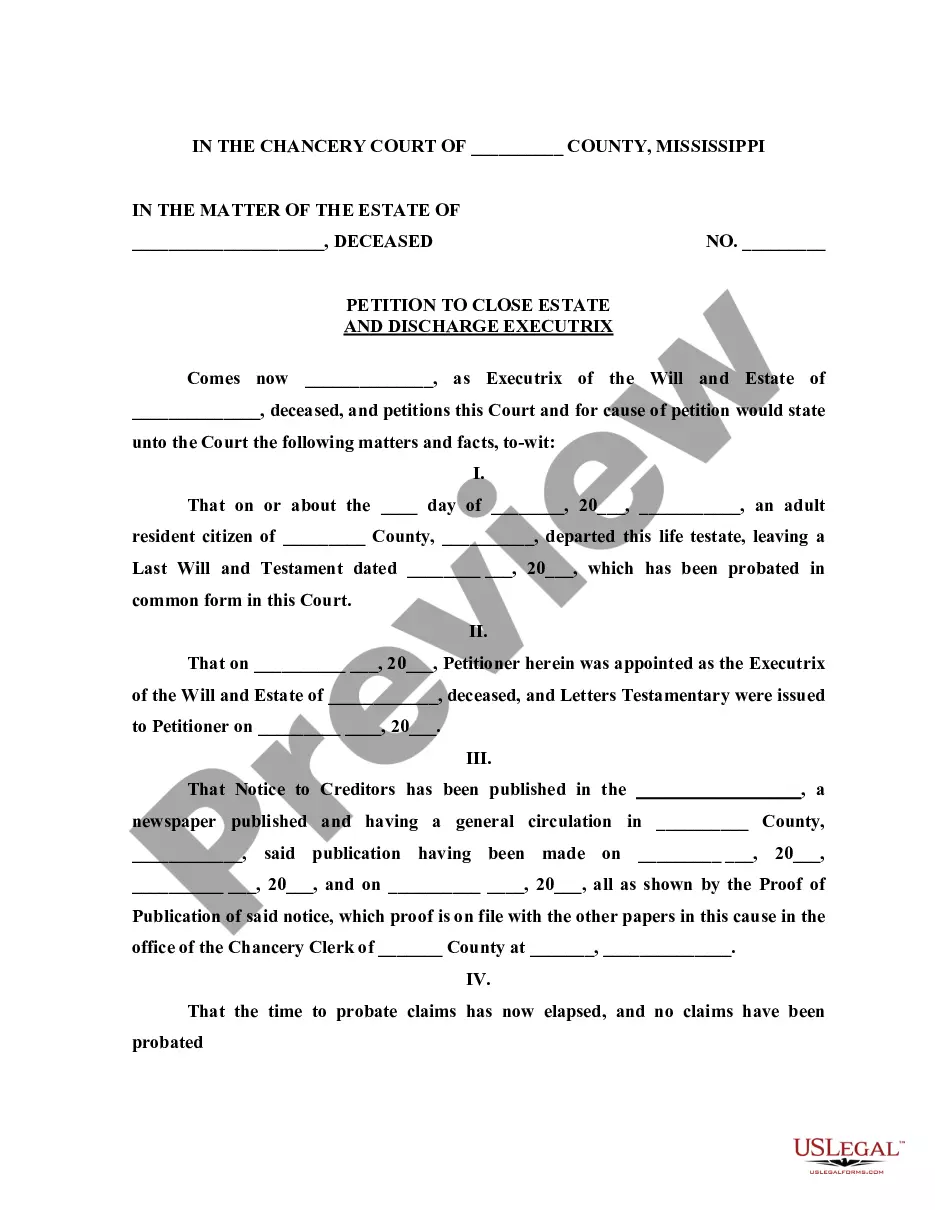
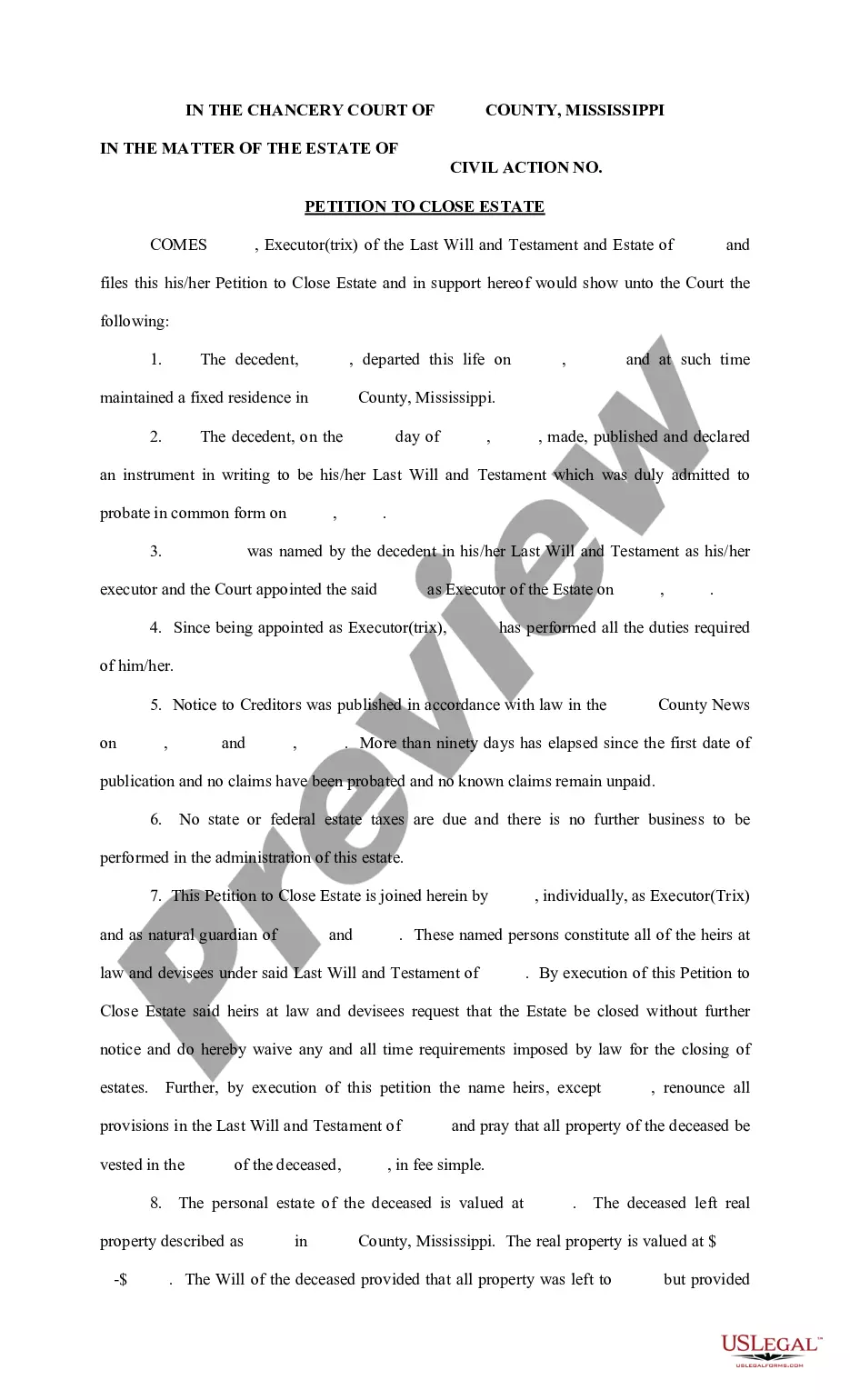
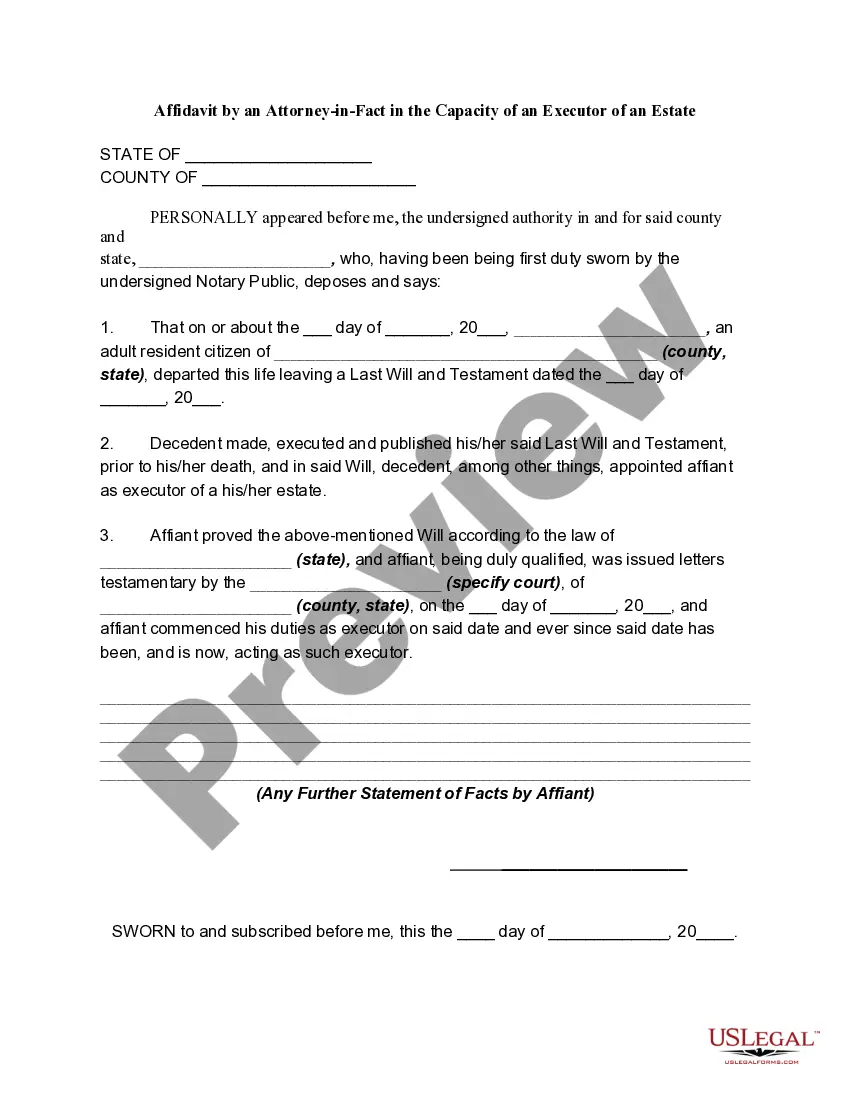
Get your form ready online
Our built-in tools help you complete, sign, share, and store your documents in one place.
Make edits, fill in missing information, and update formatting in US Legal Forms—just like you would in MS Word.
Download a copy, print it, send it by email, or mail it via USPS—whatever works best for your next step.
Sign and collect signatures with our SignNow integration. Send to multiple recipients, set reminders, and more. Go Premium to unlock E-Sign.
If this form requires notarization, complete it online through a secure video call—no need to meet a notary in person or wait for an appointment.
We protect your documents and personal data by following strict security and privacy standards.

Make edits, fill in missing information, and update formatting in US Legal Forms—just like you would in MS Word.

Download a copy, print it, send it by email, or mail it via USPS—whatever works best for your next step.

Sign and collect signatures with our SignNow integration. Send to multiple recipients, set reminders, and more. Go Premium to unlock E-Sign.

If this form requires notarization, complete it online through a secure video call—no need to meet a notary in person or wait for an appointment.

We protect your documents and personal data by following strict security and privacy standards.
Looking for another form?



Form popularity
FAQ
Typically, a trust itself cannot deduct executor fees for income tax purposes, as executor fees are considered taxable income. However, these fees can sometimes be deducted from the estate’s assets before distribution to the beneficiaries. This nuanced aspect is important for a Mississippi estate executor with a trust to navigate, and consulting a tax professional can offer clarification on this matter.
Deciding whether to gift a house or place it in a trust depends on your estate planning goals. Gifting a house can simplify the transfer process and may reduce estate taxes. However, placing the house in a trust can provide more control over how your assets are handled after your passing, especially with a Mississippi estate executor with a trust managing the assets. It's wise to consult professionals to determine which option aligns with your overall strategy.
An executor needs a variety of information to perform their duties effectively. This includes details about the deceased’s assets, liabilities, beneficiaries, and any specific wishes stated in the will. Additionally, they should understand the terms of any trusts involved, particularly when managing a Mississippi estate executor with a trust. Providing the executor with organized documentation will streamline the administration process.
To put your house in a trust in Mississippi, start by choosing the type of trust that suits your needs. You’ll need to draft a trust agreement, which outlines how the trust will operate and who the beneficiaries will be. Next, formally transfer the title of your property to the trust by signing a new deed. Engaging a Mississippi estate executor with a trust can simplify this process and ensure all legal requirements are met.
While placing your house in a trust can provide benefits, such as avoiding probate, there are some disadvantages. Creating a trust involves legal fees and ongoing maintenance costs, which might not be worth it for everyone. Additionally, transferring your home into a trust could limit your access to certain tax benefits. It’s essential to weigh these factors carefully, especially when considering the role of a Mississippi estate executor with a trust.
Yes, the IRS extension applies to trusts as well. When you file an extension using Form 7004, it provides extra time for trusts to file their tax returns, just like individual taxpayers. For a Mississippi estate executor with a trust, this means ensuring your trust complies with tax obligations without the last-minute rush. This can reduce errors and support a smoother administration of the trust.
Yes, Mississippi accepts federal extensions, which can help you manage your state tax obligations efficiently. By filing a federal extension, you automatically receive an extension for your Mississippi state taxes, making financial planning more manageable. As a Mississippi estate executor with a trust, understanding these extensions can lead to better compliance and less stress. Always confirm with the state’s tax authority for the most recent regulations.
The extension form for trusts is IRS Form 7004. This form allows trusts to apply for an automatic extension to file income tax returns. As a Mississippi estate executor with a trust, using Form 7004 offers peace of mind in case you need extra time to prepare your documents correctly. It's essential to file this form on or before the original due date of your return.
Most states across the U.S. accept federal extensions for individuals, including Mississippi. These extensions grant you additional time to file your income taxes, making it easier to ensure accuracy. For estate executors, it is crucial to be aware of the regulations in each state. Knowing which states accept these extensions helps you as a Mississippi estate executor with a trust to plan your filing strategy effectively.
Yes, Mississippi accepts federal extensions for trusts. When you file for a federal extension, it allows you additional time to complete your trust's tax returns, ensuring all are filed accurately. This is particularly important as a Mississippi estate executor with a trust, as you want to meet all tax obligations without rush. Always consult a tax professional for specific guidance related to your trust circumstances.