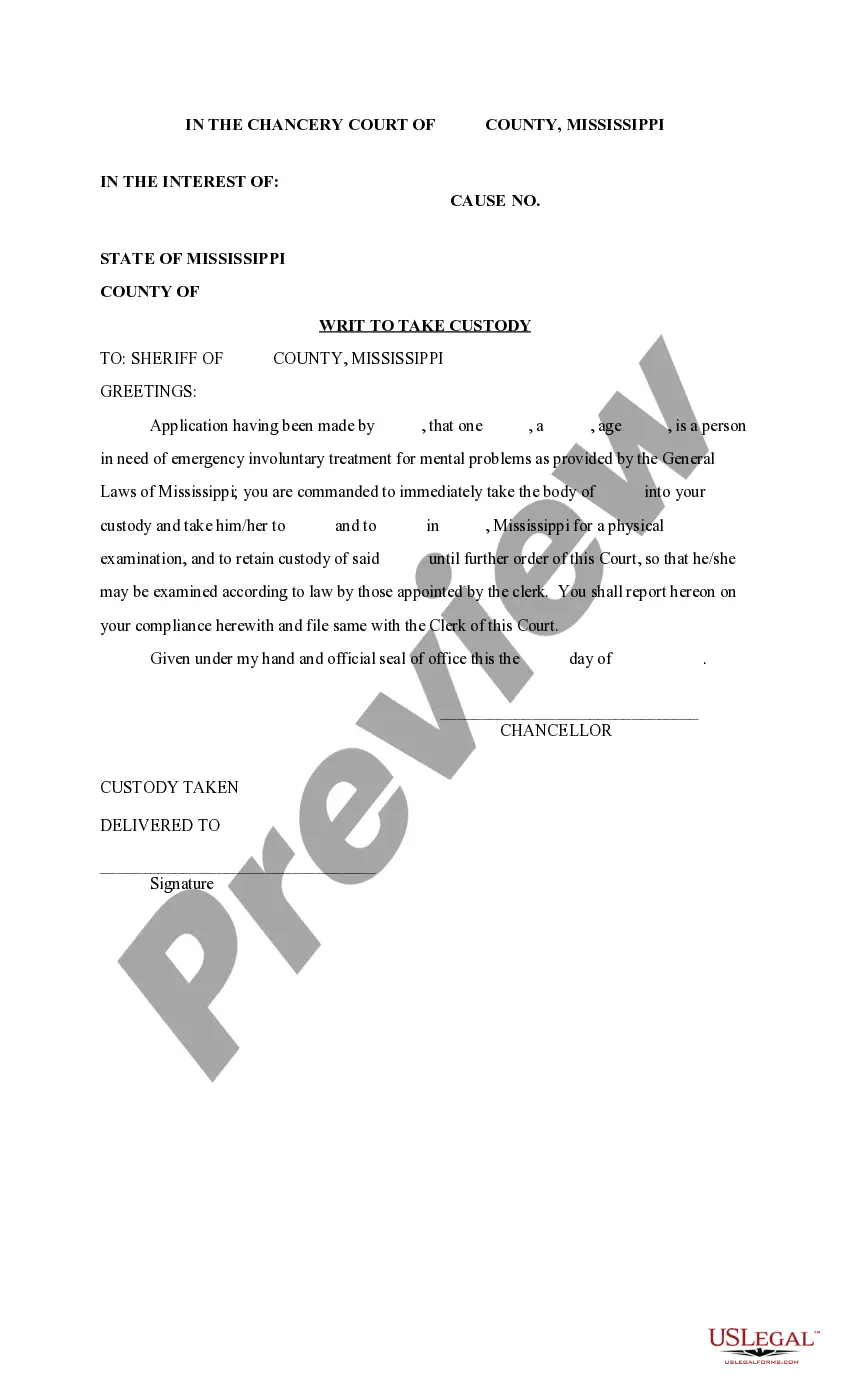
Mental Writ Within 10 Days
Description
Get your form ready online
Our built-in tools help you complete, sign, share, and store your documents in one place.
Make edits, fill in missing information, and update formatting in US Legal Forms—just like you would in MS Word.
Download a copy, print it, send it by email, or mail it via USPS—whatever works best for your next step.
Sign and collect signatures with our SignNow integration. Send to multiple recipients, set reminders, and more. Go Premium to unlock E-Sign.
If this form requires notarization, complete it online through a secure video call—no need to meet a notary in person or wait for an appointment.
We protect your documents and personal data by following strict security and privacy standards.

Make edits, fill in missing information, and update formatting in US Legal Forms—just like you would in MS Word.

Download a copy, print it, send it by email, or mail it via USPS—whatever works best for your next step.

Sign and collect signatures with our SignNow integration. Send to multiple recipients, set reminders, and more. Go Premium to unlock E-Sign.

If this form requires notarization, complete it online through a secure video call—no need to meet a notary in person or wait for an appointment.

We protect your documents and personal data by following strict security and privacy standards.
Looking for another form?


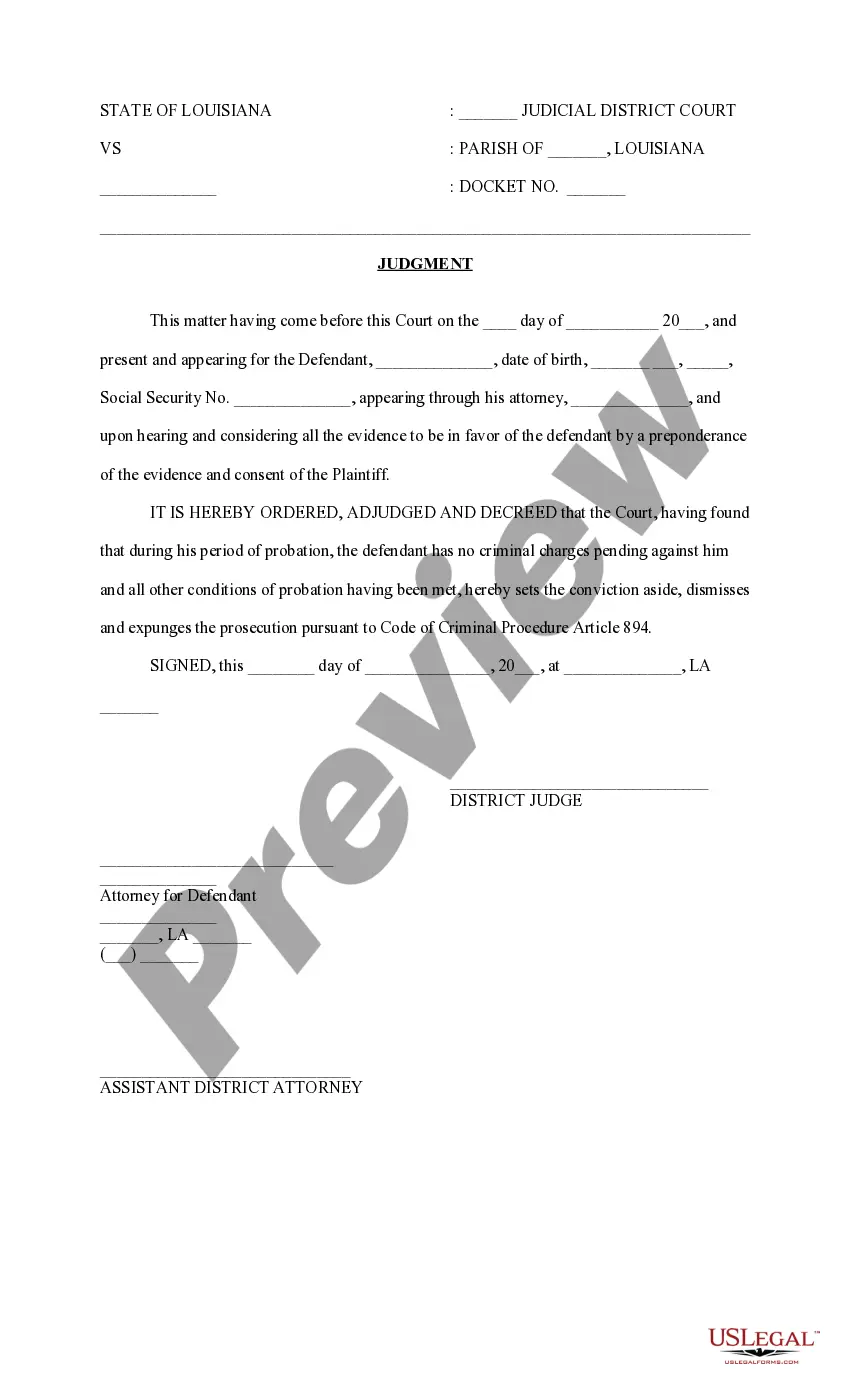




How to fill out Mississippi Writ To Take Custody?
Utilizing legal document examples that conform to federal and local laws is essential, and the internet provides numerous alternatives to choose from.
However, what's the use of spending time hunting for the correct Mental Writ Within 10 Days example online when the US Legal Forms digital library already has such templates gathered in one location.
US Legal Forms is the most comprehensive online legal repository with over 85,000 fillable templates created by attorneys for any business and personal situation.
Check out the template using the Preview feature or via the text outline to make sure it meets your requirements.
- They are easy to navigate with all documents organized by state and intended use.
- Our specialists keep track of legislative changes, ensuring that your form is contemporary and compliant when obtaining a Mental Writ Within 10 Days from our site.
- Acquiring a Mental Writ Within 10 Days is quick and straightforward for both existing and new users.
- If you already have an account with an active subscription, Log In and save the required document sample in the appropriate format.
- If you are visiting our site for the first time, follow the steps outlined below.
Form popularity
FAQ
The maximum duration a psych ward can hold an individual varies by state laws and the specific circumstances of the case. Most often, this duration is determined by mental health professionals and legal proceedings. However, if you believe your stay is unwarranted, it's vital to act quickly. You can pursue a mental writ within 10 days to address your situation and advocate for your rights.
A person can be held under the Mental Health Act for a specific duration, which often depends on the initial assessment and ongoing evaluations. Generally, this period can range from a few days to several weeks, again contingent on the individual’s treatment needs. If this period seems excessive or unjust, consider seeking a mental writ within 10 days to review the commitment, ensuring your rights are upheld.
The length of stay in a psych ward can vary significantly depending on the individual’s circumstances and treatment needs. Typically, stays can last from a few days to several weeks, based on the severity of the condition and the treatment plan. If you or a loved one feels unjustly held, it's essential to know you can file for a mental writ within 10 days to ensure your rights are protected.
The 3 month rule in mental health refers to the duration a person can be held involuntarily for treatment under certain conditions. This rule often emphasizes the importance of timely evaluations and legal processes to ensure individuals receive necessary care. If you are facing a situation involving mental health concerns, understanding your rights is crucial. You can seek a mental writ within 10 days to challenge any involuntary commitment.
IS THERE ANY WAY TO STOP OR DELAY AN EVICTION? You can ask the Landlord and Tenant Board (the ?Board?) to use subsection 83(1) of the Residential Tenancies Act to deny or delay your eviction based on compassionate grounds.
If the Landlord and Tenant Board order for eviction is based on arrears of rent, the tenant can stop the eviction by filing a Motion with the Landlord and Tenant Board before the Sheriff attends the rental unit if they pay all the monies associated with the rental arrears owed to the landlord.
The tenant is required to fill out a form called a Motion to Set Aside an Ex Parte Order and submit it to the Landlord and Tenant Board office within 10 days from when the Order was issued. This 10-day period includes weekends and holidays. Once this form is filed, the Board will schedule a new hearing date.
An Enforcement Officer will contact the landlord after am on the same day to inform the landlord of the date and time the eviction will take place. Typically, the eviction will be scheduled 1- 5 days from this date.
The fastest and easiest mechanism to discharge the land title Writ includes making payment in full of the debt owed under the registration. If a person has the resources, payment is easy. In other situations, payment frequently comes from the sale or refinancing of the property.