Missouri Trust Account Rules
Description
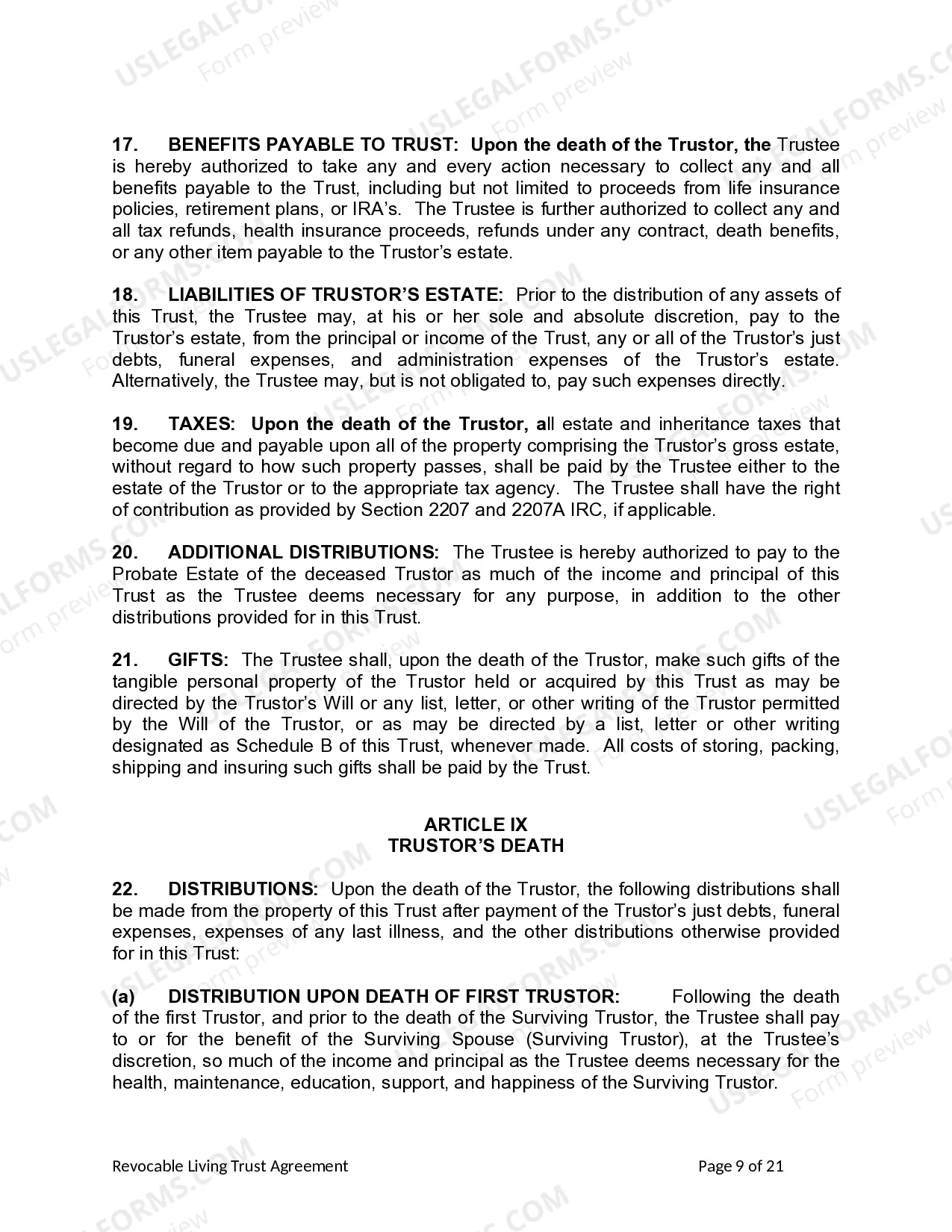
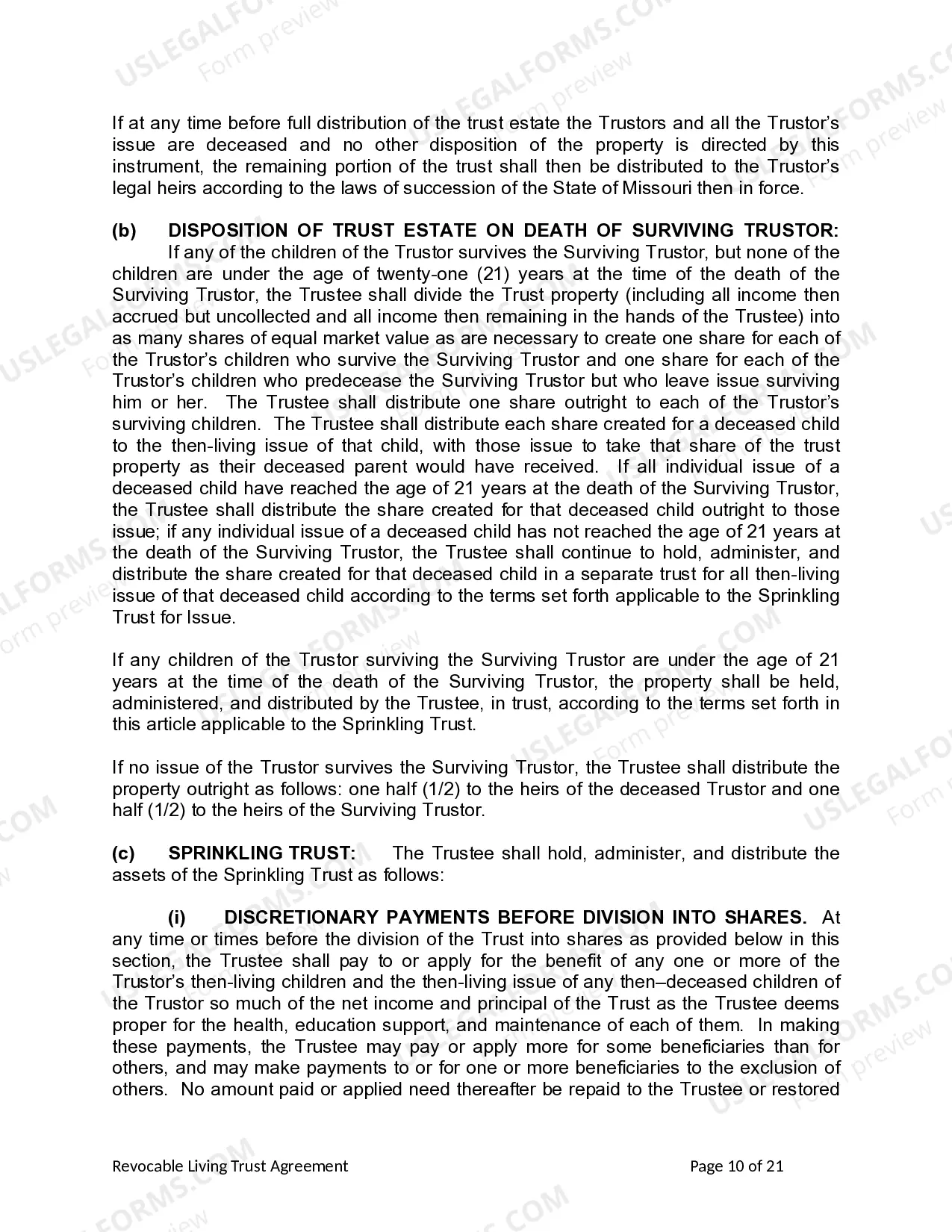



Get your form ready online
Our built-in tools help you complete, sign, share, and store your documents in one place.
Make edits, fill in missing information, and update formatting in US Legal Forms—just like you would in MS Word.
Download a copy, print it, send it by email, or mail it via USPS—whatever works best for your next step.
Sign and collect signatures with our SignNow integration. Send to multiple recipients, set reminders, and more. Go Premium to unlock E-Sign.
If this form requires notarization, complete it online through a secure video call—no need to meet a notary in person or wait for an appointment.
We protect your documents and personal data by following strict security and privacy standards.

Make edits, fill in missing information, and update formatting in US Legal Forms—just like you would in MS Word.

Download a copy, print it, send it by email, or mail it via USPS—whatever works best for your next step.

Sign and collect signatures with our SignNow integration. Send to multiple recipients, set reminders, and more. Go Premium to unlock E-Sign.

If this form requires notarization, complete it online through a secure video call—no need to meet a notary in person or wait for an appointment.

We protect your documents and personal data by following strict security and privacy standards.
Looking for another form?




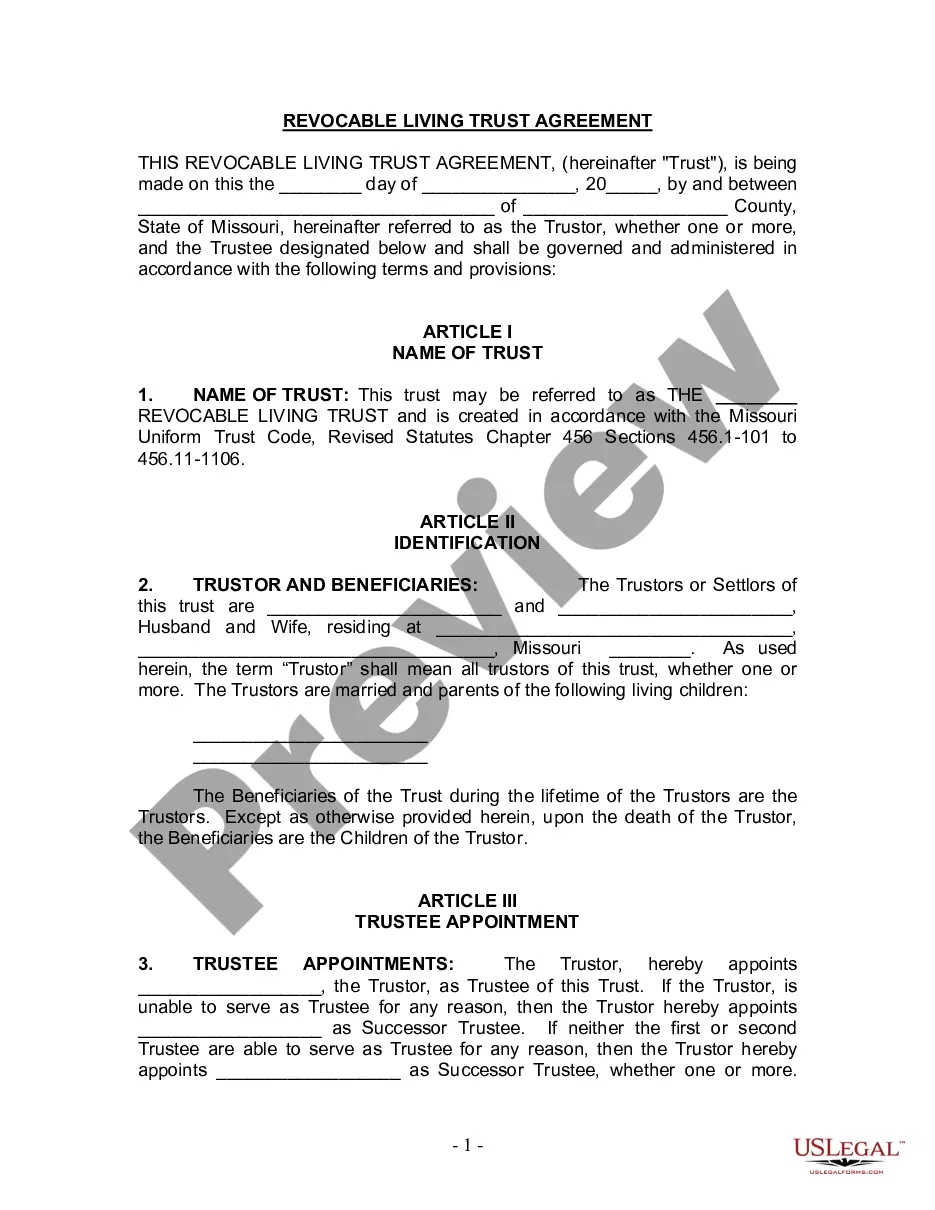
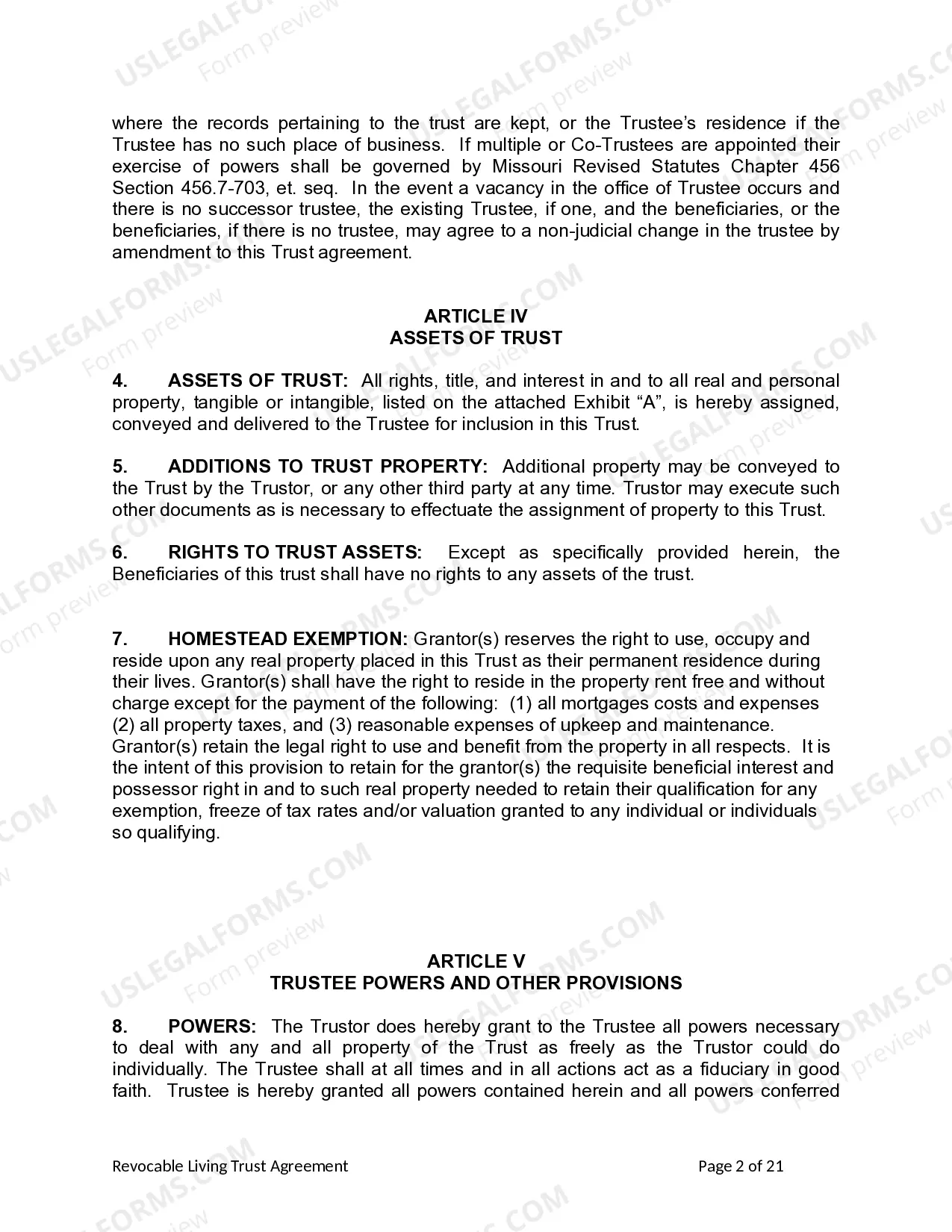
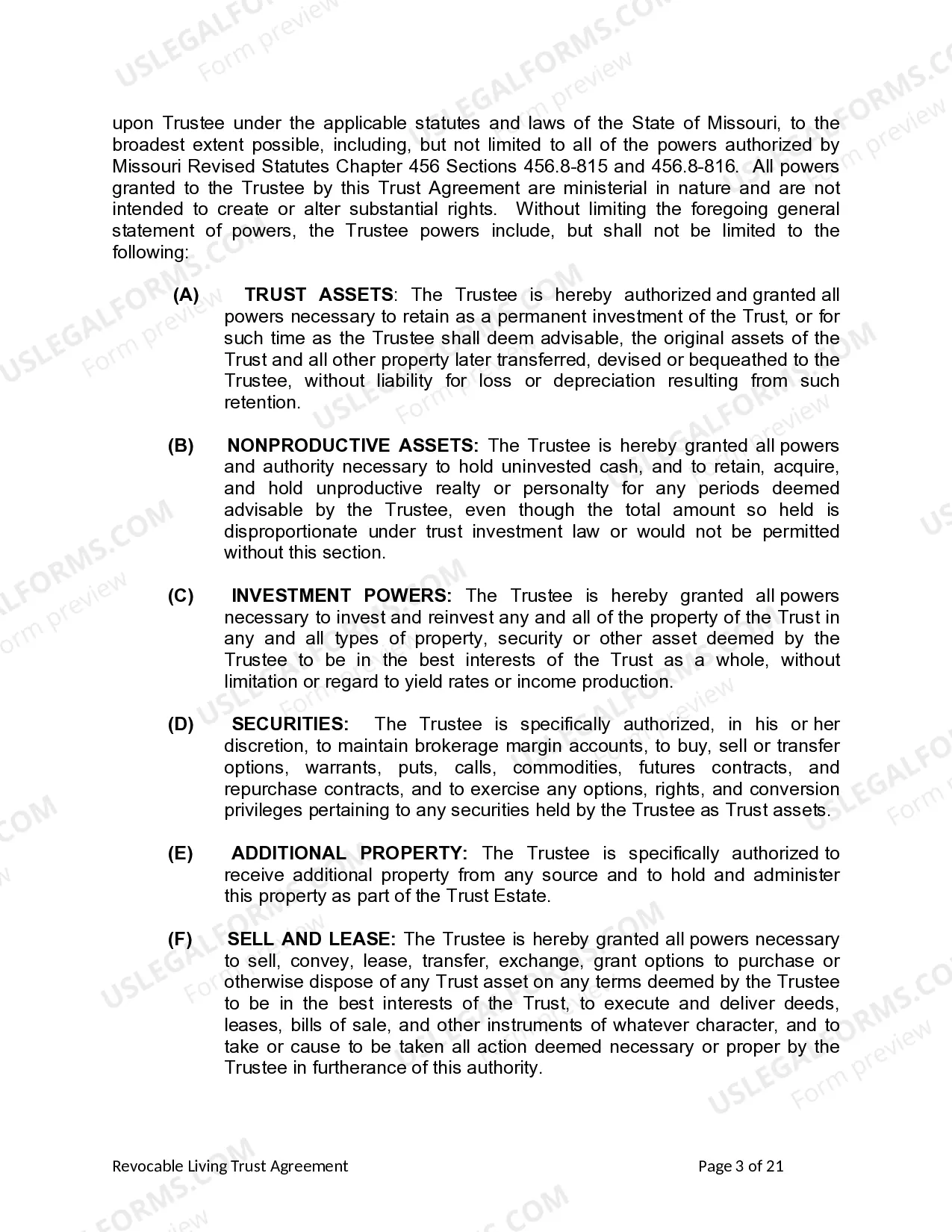
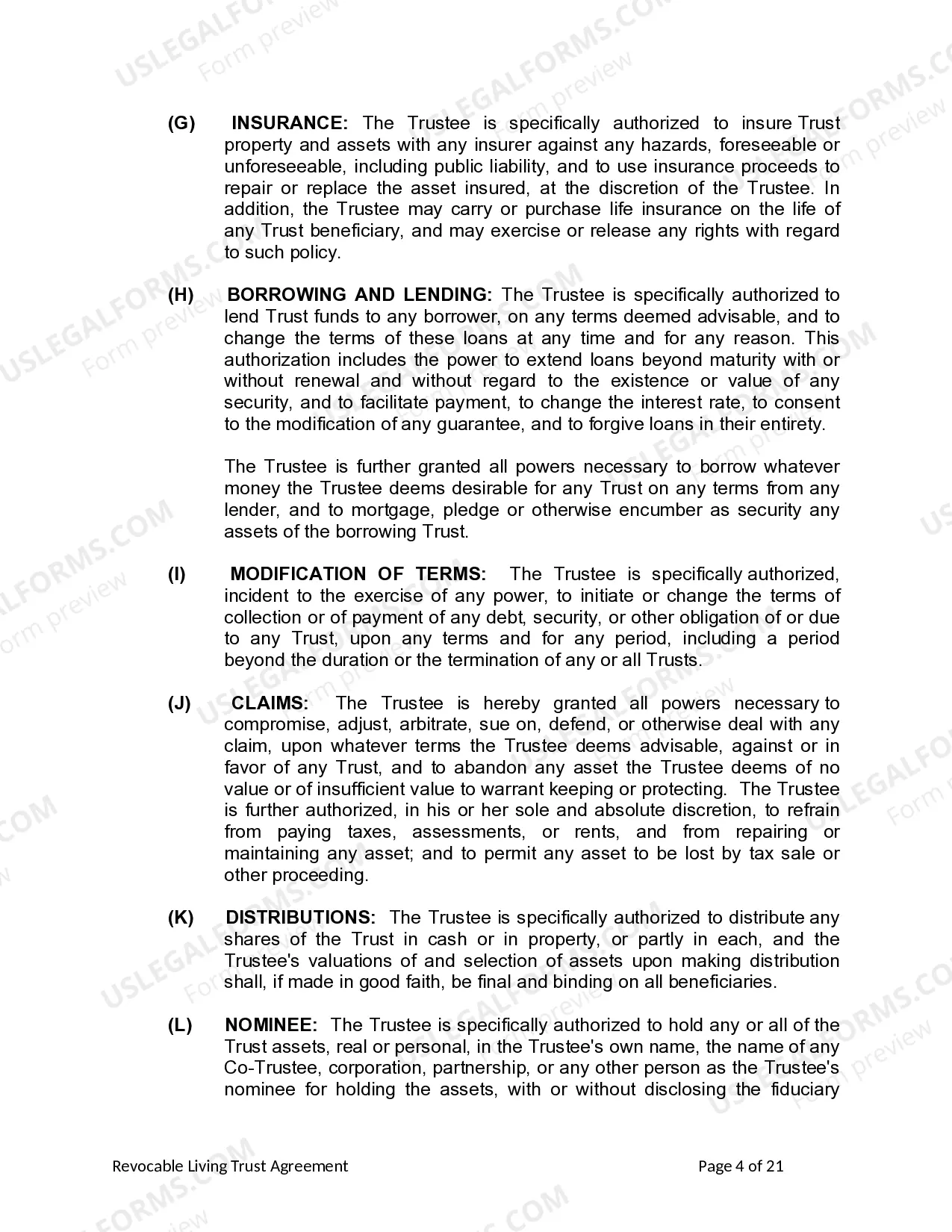
How to fill out Missouri Living Trust For Husband And Wife With Minor And Or Adult Children?
It’s well-known that you can’t instantly qualify as a legal expert, nor can you swiftly acquire an understanding of Missouri Trust Account Regulations without having a specialized education.
Drafting legal documents is a lengthy undertaking that necessitates specific training and expertise. So why not entrust the development of the Missouri Trust Account Regulations to the professionals.
With US Legal Forms, one of the largest legal template repositories, you can access everything from court documents to templates for internal communications.
You can regain access to your documents from the My documents tab whenever you like. If you’re a current customer, you can simply Log In and find and download the template from the same tab.
Regardless of the purpose of your documents—be it financial, legal, or personal—our platform has you covered. Give US Legal Forms a try now!
- Find the document you require using the search feature located at the top of the page.
- View it (if this option is available) and read the accompanying description to see if the Missouri Trust Account Regulations is what you're looking for.
- Start your search anew if you're seeking a different template.
- Create a complimentary account and choose a subscription plan to purchase the template.
- Click Buy now. After completing the transaction, you can download the Missouri Trust Account Regulations, complete it, print it, and send or deliver it to the designated individuals or organizations.
Form popularity
FAQ
In Missouri, a valid will must be in writing, signed by the testator, and witnessed by at least two individuals. Additionally, you should ensure that your will adheres to Missouri trust account rules, particularly if you have created a trust. Developing an estate plan that includes both a will and a trust can effectively address your needs and guide asset distribution according to your wishes.
To put your house in a trust in Missouri, you typically need to create a trust document and execute a deed transferring ownership. Collaborating with a knowledgeable attorney can simplify this process, ensuring that you follow Missouri trust account rules accurately. With the right guidance, you can efficiently transfer your property and secure your assets for your beneficiaries.
The 2 year rule generally relates to the timeframe in which certain trust transactions are scrutinized. Under Missouri trust account rules, if a trust is created or changed within two years of the grantor’s death, courts may closely examine those actions. Understanding this rule is essential if you are considering transferring assets into a trust.
Putting your home in a trust can offer benefits, but it also includes some disadvantages. For instance, you may face initial setup costs and ongoing management responsibilities. Additionally, you must abide by Missouri trust account rules, which may limit your control over your property. Consider these factors carefully before making a decision.
In Missouri, a trust does not necessarily need to be notarized, but notarization can provide added security. Following Missouri trust account rules, it is essential to clearly document your trust to avoid future disputes. Having a trust notarized can help demonstrate its validity and provide peace of mind for you and your beneficiaries.
While it is possible to set up a trust in Missouri without a lawyer, it is often advisable to seek legal help. Trusts can be complex, and understanding Missouri trust account rules is crucial to ensure compliance and maximize benefits. A qualified attorney can guide you through the process, helping you avoid pitfalls and choose the appropriate type of trust for your situation.
Trusts in Missouri function as legal arrangements allowing individuals to manage their assets efficiently. When you establish a trust, you designate a trustee who is responsible for managing and distributing the trust assets according to your wishes. Understanding Missouri trust account rules can help you navigate this process smoothly and ensure your estate is handled as you intend.
One of the most significant disadvantages of a trust is the potential for added costs and complexity. Setting up a trust can involve legal fees and ongoing administration expenses, which may not be viable for everyone. Additionally, while Missouri trust account rules offer many benefits, they also require you to be diligent in maintaining the trust, making them a less attractive option for those seeking simplicity.
In Missouri, you have a specific timeframe to contest a trust. Generally, you must file your contest within one year after the trustee notifies you of the trust's existence or when you are aware of the grounds for your contest. It is essential to act promptly, as waiting too long could result in losing your right to challenge the trust under Missouri trust account rules.