Non Marital Living Together With Spouse
Description
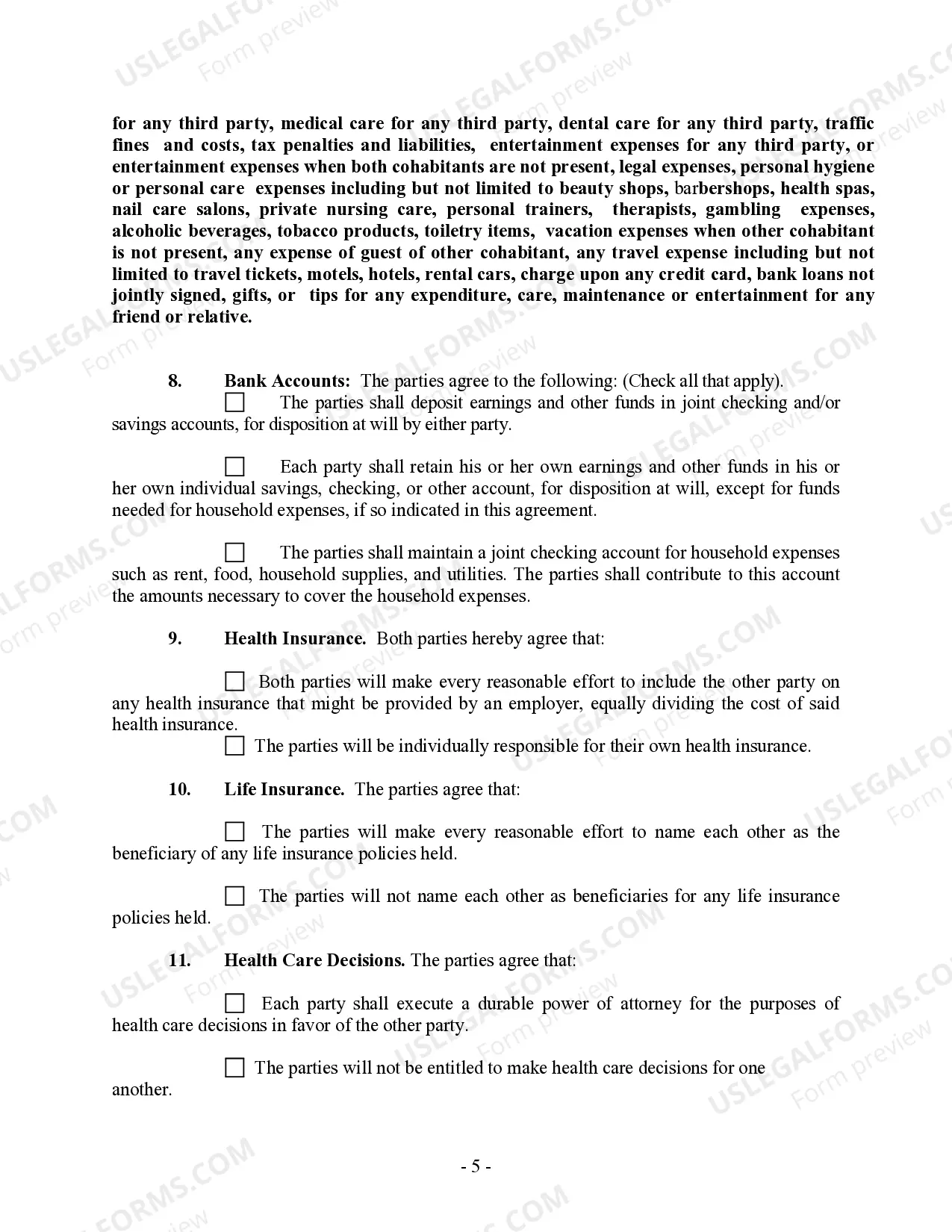
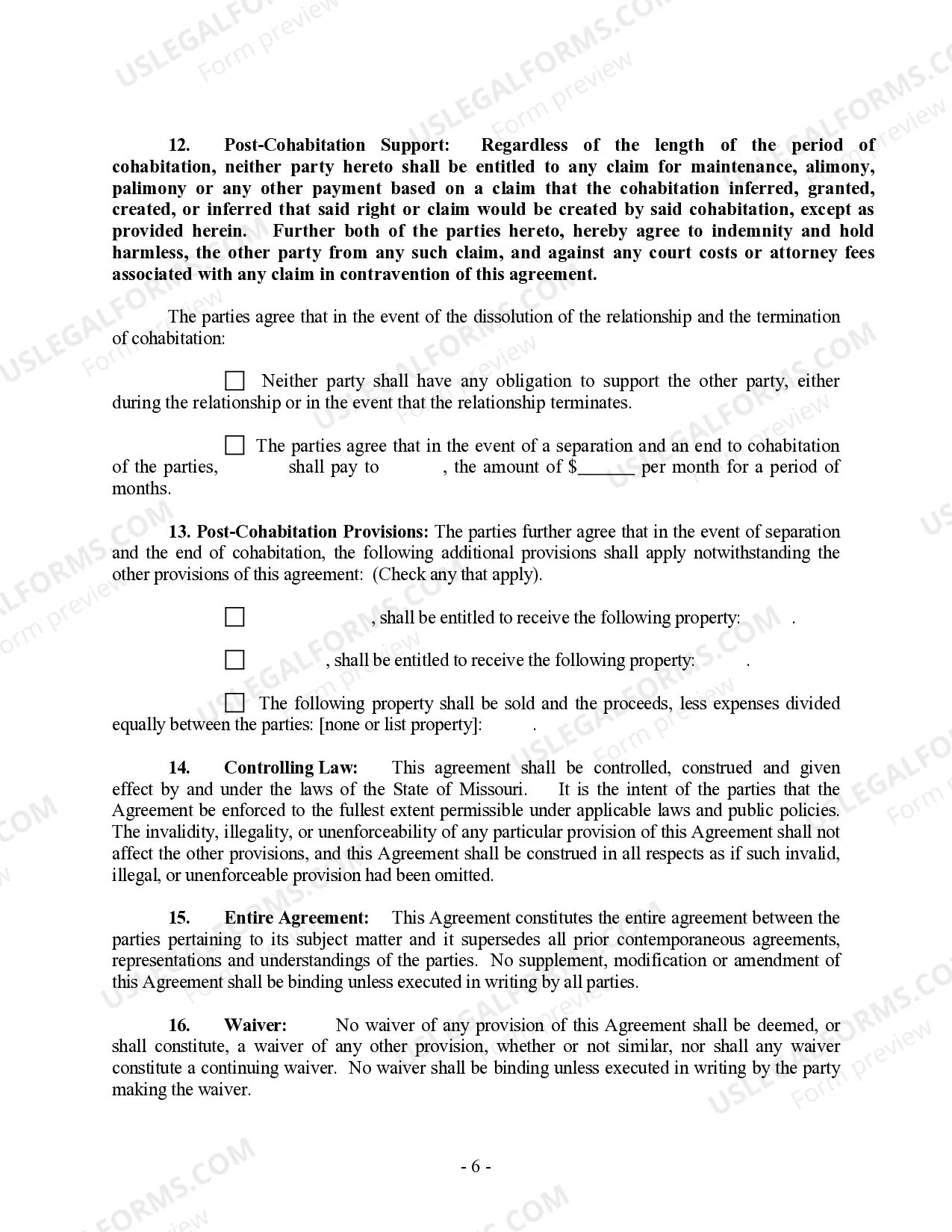
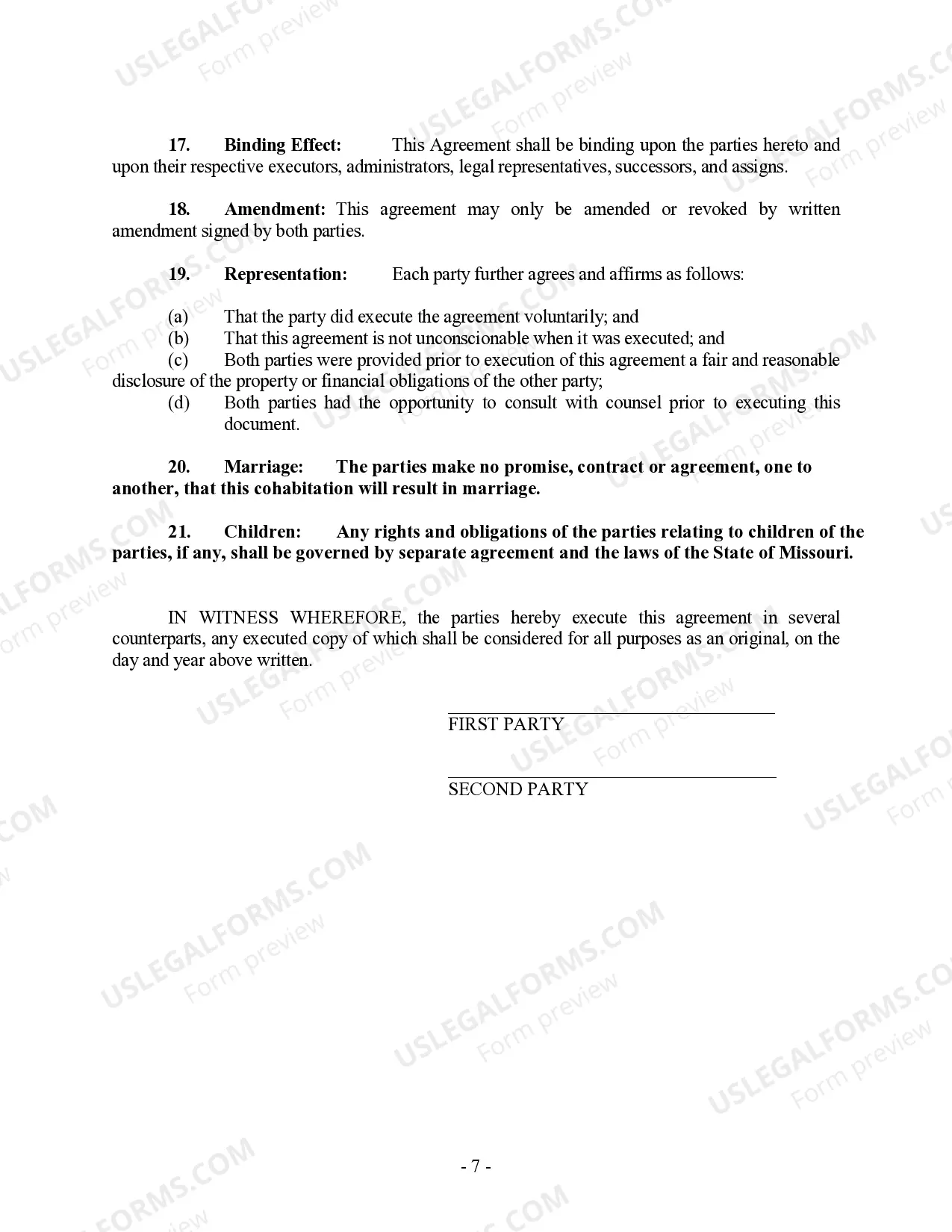
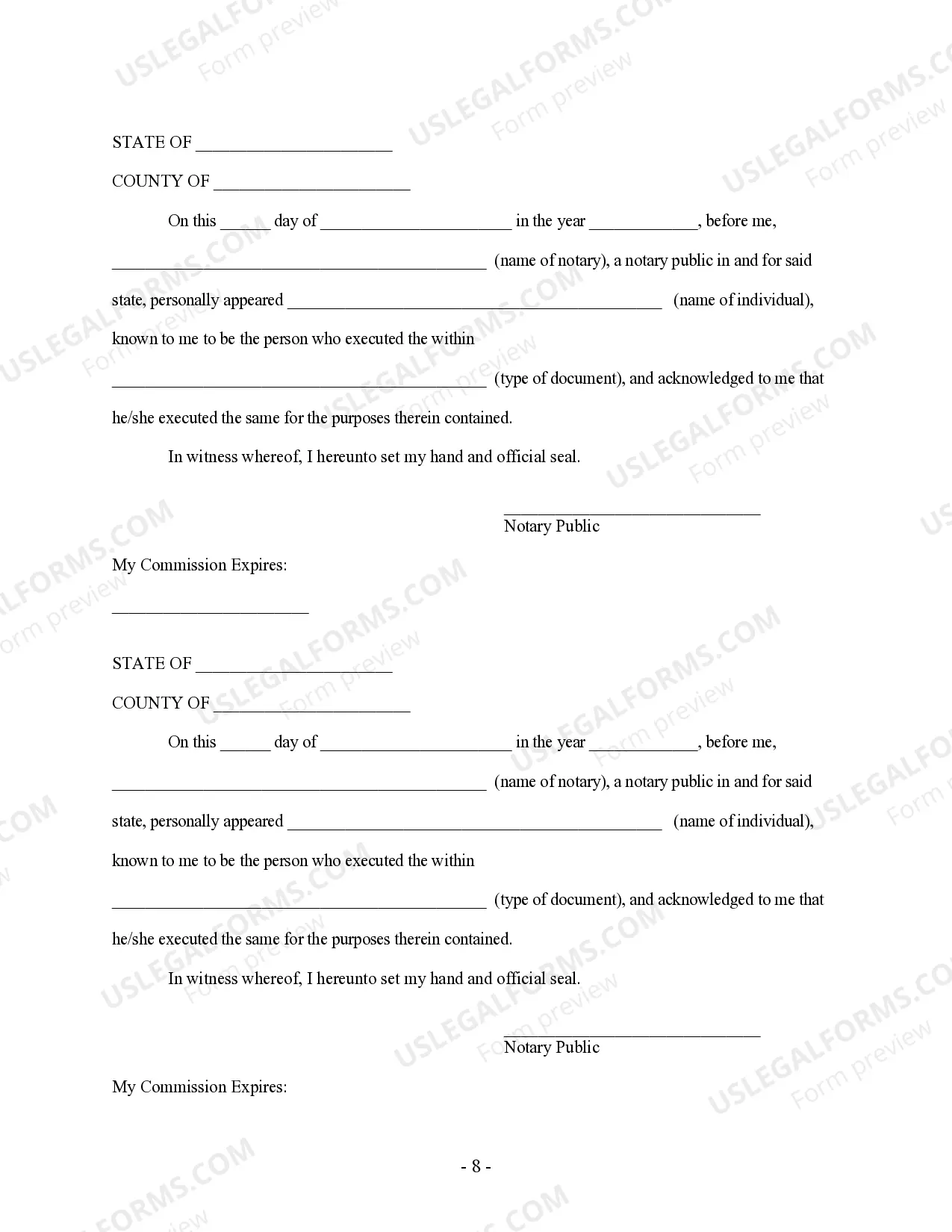


Get your form ready online
Our built-in tools help you complete, sign, share, and store your documents in one place.
Make edits, fill in missing information, and update formatting in US Legal Forms—just like you would in MS Word.
Download a copy, print it, send it by email, or mail it via USPS—whatever works best for your next step.
Sign and collect signatures with our SignNow integration. Send to multiple recipients, set reminders, and more. Go Premium to unlock E-Sign.
If this form requires notarization, complete it online through a secure video call—no need to meet a notary in person or wait for an appointment.
We protect your documents and personal data by following strict security and privacy standards.

Make edits, fill in missing information, and update formatting in US Legal Forms—just like you would in MS Word.

Download a copy, print it, send it by email, or mail it via USPS—whatever works best for your next step.

Sign and collect signatures with our SignNow integration. Send to multiple recipients, set reminders, and more. Go Premium to unlock E-Sign.

If this form requires notarization, complete it online through a secure video call—no need to meet a notary in person or wait for an appointment.

We protect your documents and personal data by following strict security and privacy standards.
Looking for another form?








How to fill out Missouri Non-Marital Cohabitation Living Together Agreement?
- Log in to your account if you're a returning user. Ensure your subscription is current to access the necessary forms.
- If you’re new to US Legal Forms, start by exploring the Preview mode and reading the form descriptions to find one that suits your needs.
- Utilize the Search tab if the initial form isn't fitting. This tool helps you locate alternative templates that comply with your local jurisdiction.
- Once you've found the correct document, click on the Buy Now button and select a subscription plan that works for you. You will need to create an account to access the document library.
- Complete your purchase by entering your payment details either through credit card or PayPal.
- After purchasing, download the form onto your device for completion, and access it anytime later via the My Forms menu in your profile.
In conclusion, US Legal Forms simplifies the process of securing necessary legal documents for non marital living together with spouse arrangements. With robust resources and expert support available, you can reliably manage your legal needs with confidence.
Don't hesitate to visit US Legal Forms today to start your journey towards securing comprehensive legal documentation!
Form popularity
FAQ
Splitting a house when you are not married typically involves a few steps to ensure a fair division. First, assess the property value and collective contributions made by each party. Then, decide if one person will buy out the other's share or if selling the house is in both parties' best interests. Using resources like US Legal Forms can greatly assist in drafting agreements to protect your rights.
In a co-ownership situation, breaking up can complicate property ownership. Both parties usually have a legal right to stay in the home unless other arrangements are made. To resolve this, consider discussing options such as selling the property or negotiating a buyout, and utilize services like US Legal Forms to help formalize any agreements.
If you split up while not married, dividing assets can become a complex task. Without legal marriage, laws related to property division may not apply, leading to potential conflicts over shared belongings. It's advisable to reach out to legal experts and resources like US Legal Forms to ensure you understand your rights and options during this transition.
Absolutely, many couples choose to live together without marriage, and this arrangement is increasingly popular. This non marital living together with spouse lifestyle can offer companionship without the legal implications of marriage. However, it's crucial to establish clear guidelines and legal protections regarding shared assets for peace of mind.
Yes, it is possible to have a house in two names even if you are not married. This arrangement is common among couples living together in a non marital living together with spouse situation. Both partners can hold equal ownership, but it’s essential to have a clear agreement outlining each person’s rights and responsibilities regarding the property to avoid future disputes.
When you and your partner decide to split, addressing the house can seem challenging. First, evaluate how much equity you both have combined in the property. Then, determine whether one partner will buy the other out or if you should sell the house and split the proceeds. Explore using legal resources like US Legal Forms to navigate this process smoothly.
A couple living together but not married is typically referred to as cohabitants. This informal living arrangement allows two individuals to experience life together without the legal bindings of marriage. Cohabitation offers flexibility and can help partners determine their compatibility.
A relationship where individuals are not married but are living together is often referred to as a cohabiting relationship. This type of arrangement can provide emotional support, shared responsibilities, and companionship. Many couples find that non marital living together with a spouse cultivates a strong partnership.
Writing a cohabitation agreement involves outlining the rights and responsibilities of each partner while living together. Start by discussing important topics such as financial contributions, property ownership, and child custody. You can use resources like USLegalForms to create a legally sound cohabitation agreement that fits your needs.
Living together without marriage is commonly referred to as cohabitation. This arrangement involves two people living together in a domestic partnership without the legal bond of marriage. Cohabitation allows couples to share responsibilities and experiences while deciding if marriage is right for them.