Irrevocable Trust With Mortgage
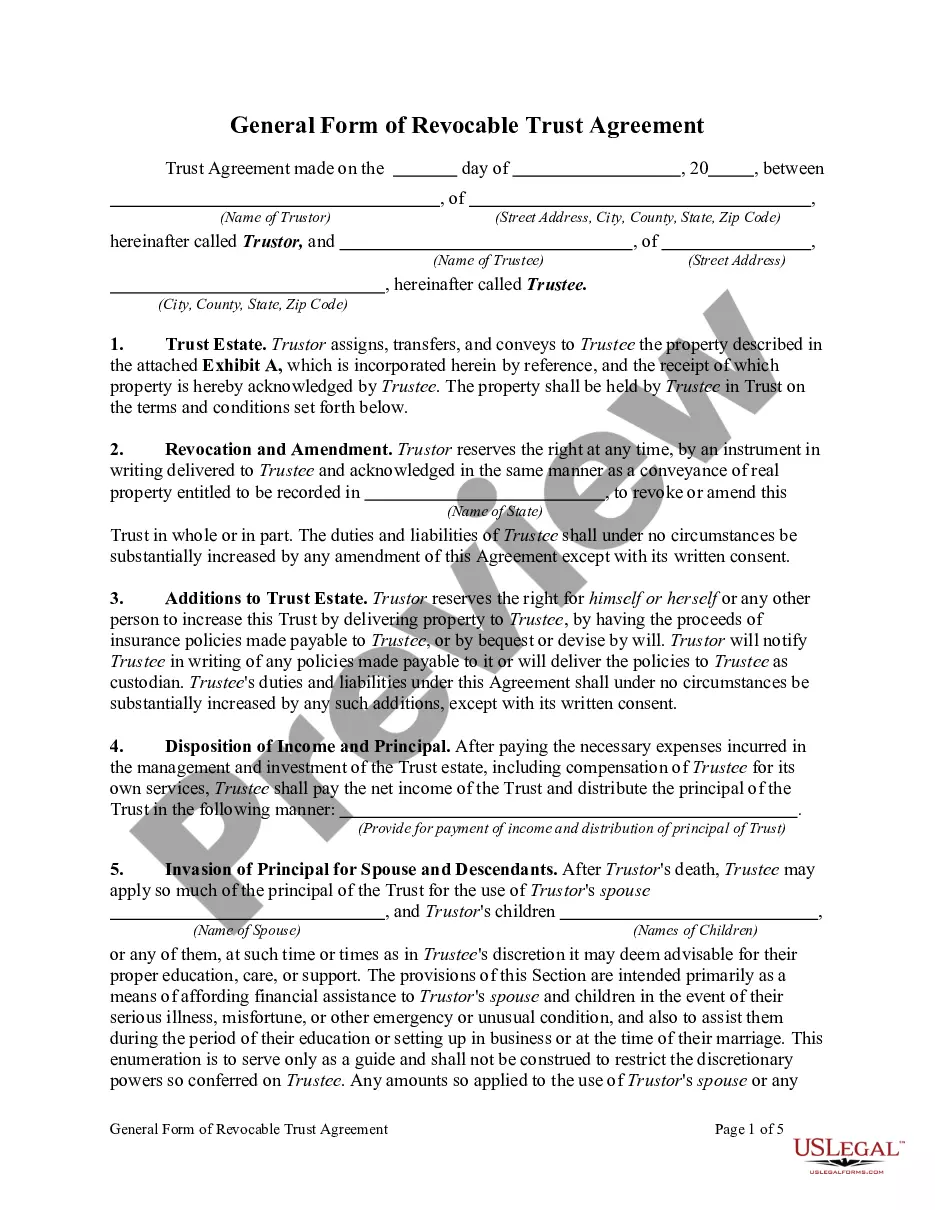
Description
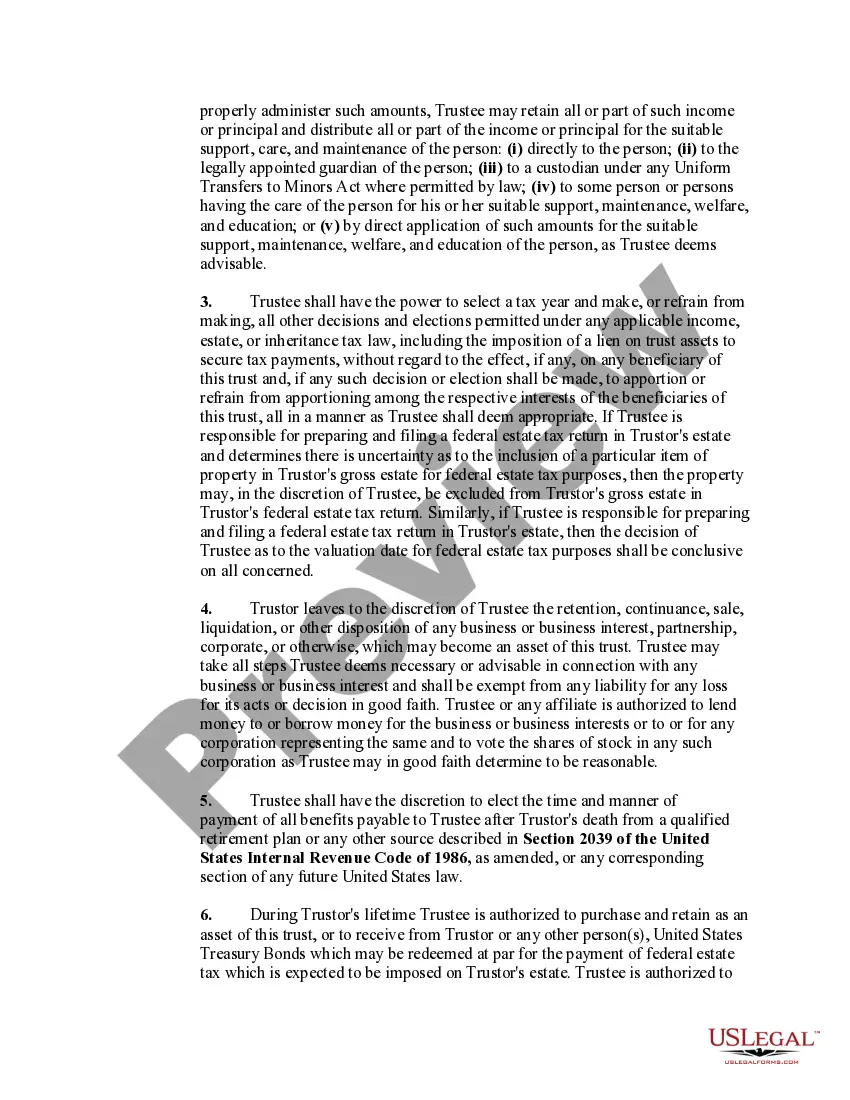
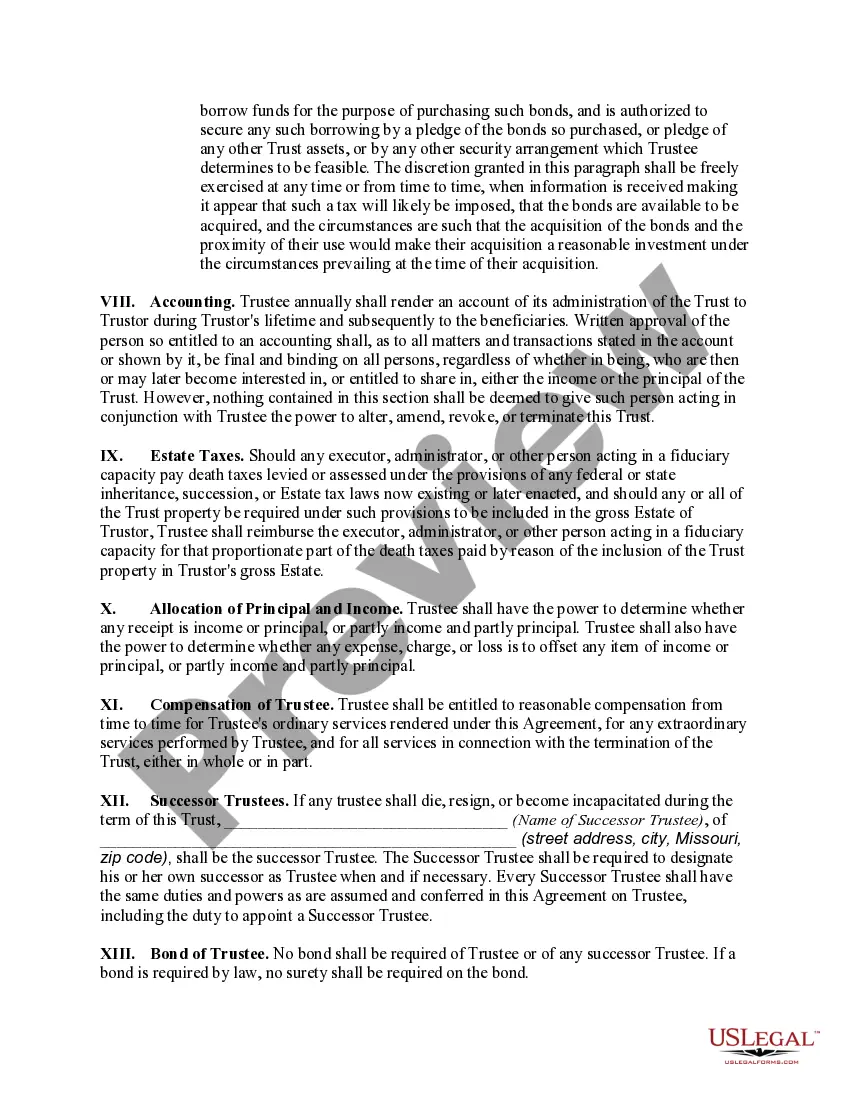
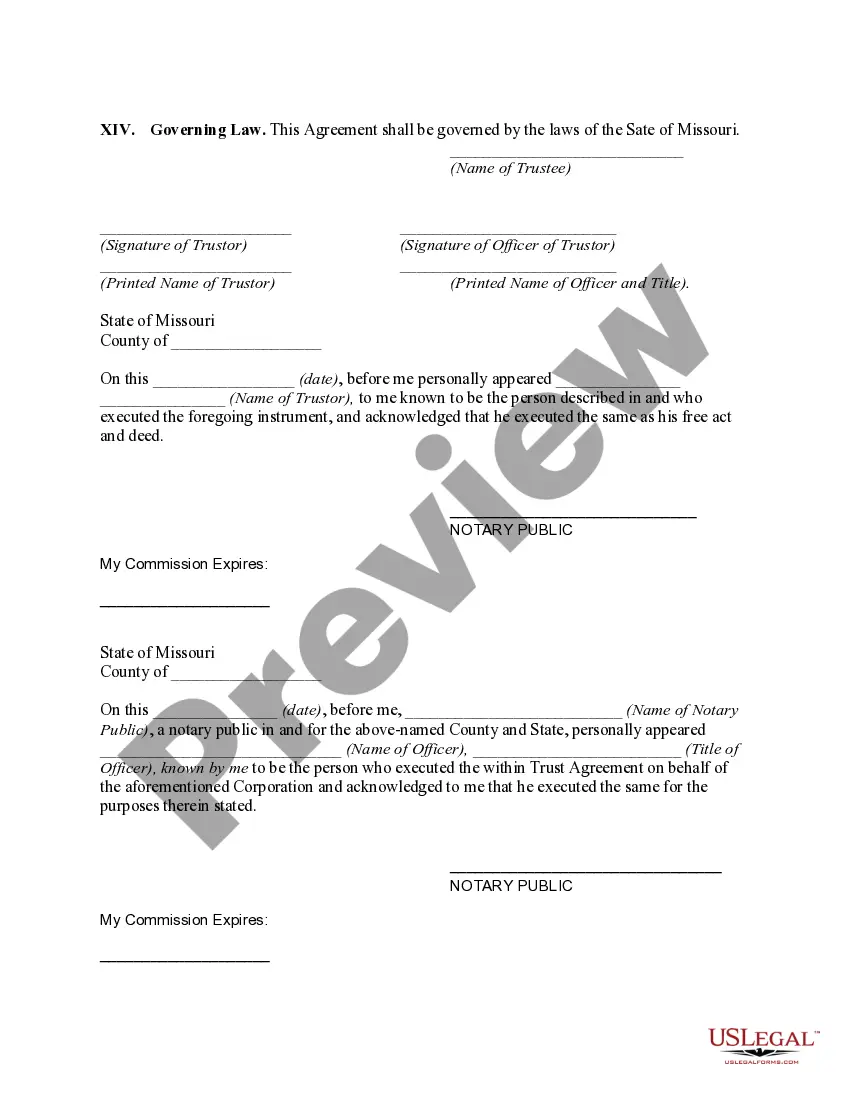

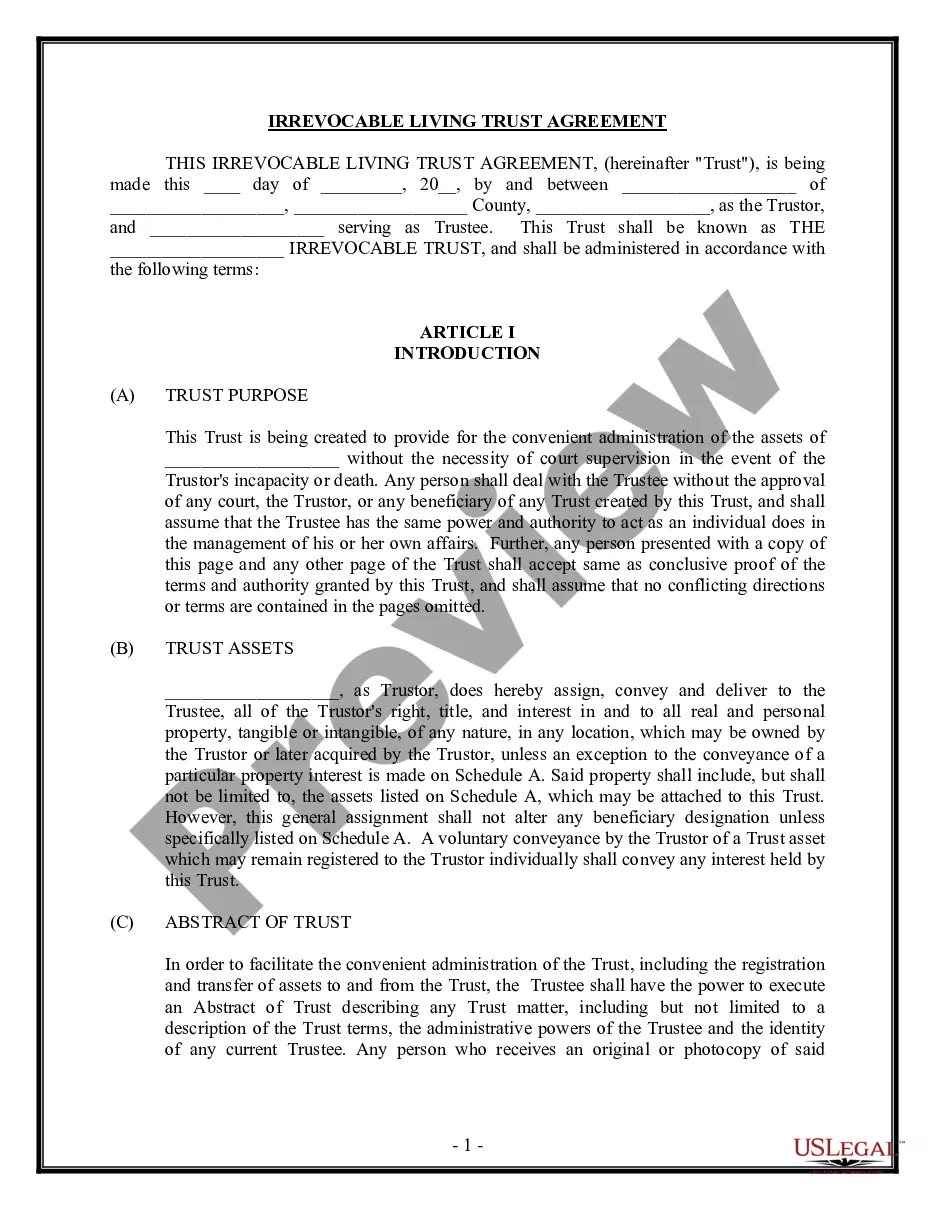
Get your form ready online
Our built-in tools help you complete, sign, share, and store your documents in one place.
Make edits, fill in missing information, and update formatting in US Legal Forms—just like you would in MS Word.
Download a copy, print it, send it by email, or mail it via USPS—whatever works best for your next step.
Sign and collect signatures with our SignNow integration. Send to multiple recipients, set reminders, and more. Go Premium to unlock E-Sign.
If this form requires notarization, complete it online through a secure video call—no need to meet a notary in person or wait for an appointment.
We protect your documents and personal data by following strict security and privacy standards.

Make edits, fill in missing information, and update formatting in US Legal Forms—just like you would in MS Word.

Download a copy, print it, send it by email, or mail it via USPS—whatever works best for your next step.

Sign and collect signatures with our SignNow integration. Send to multiple recipients, set reminders, and more. Go Premium to unlock E-Sign.

If this form requires notarization, complete it online through a secure video call—no need to meet a notary in person or wait for an appointment.

We protect your documents and personal data by following strict security and privacy standards.
Looking for another form?









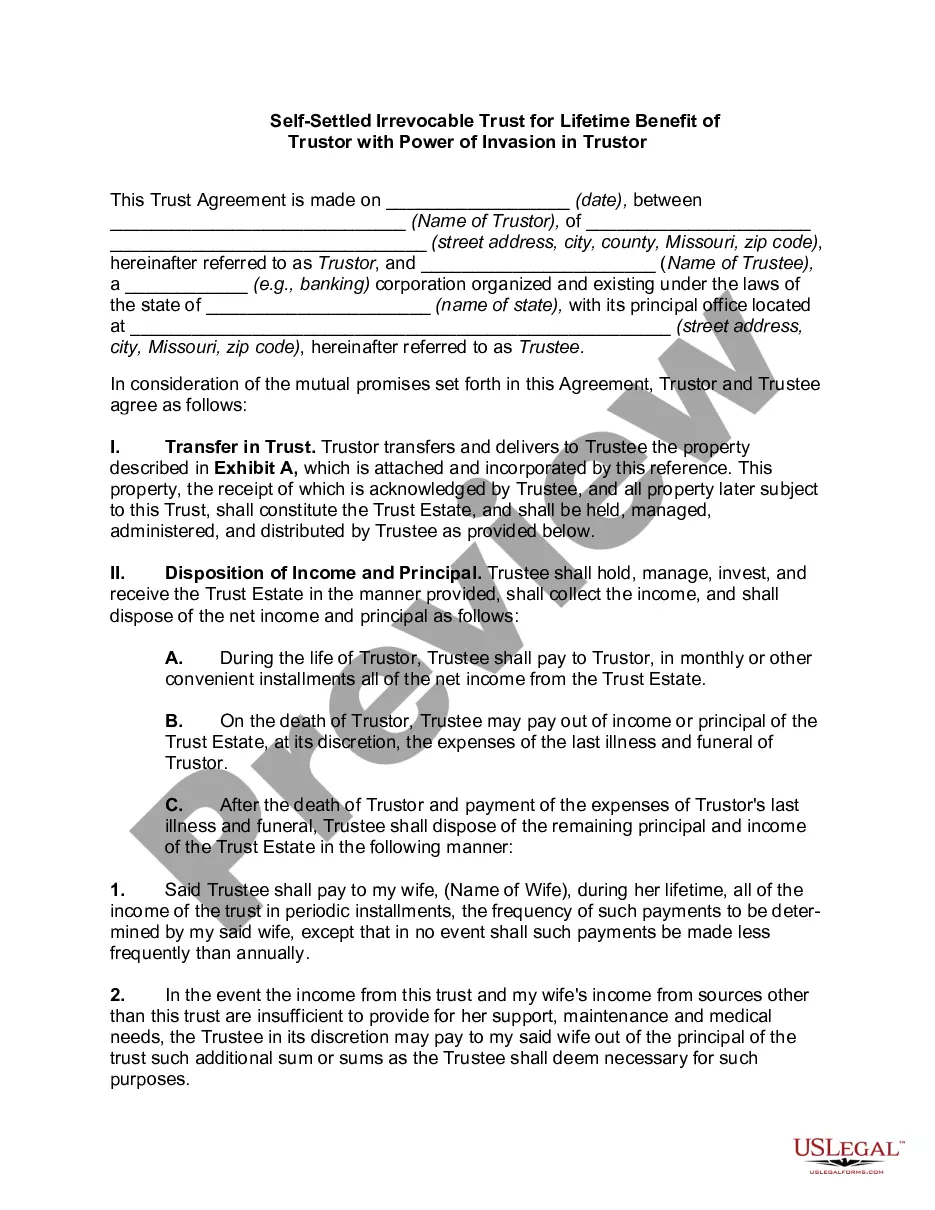
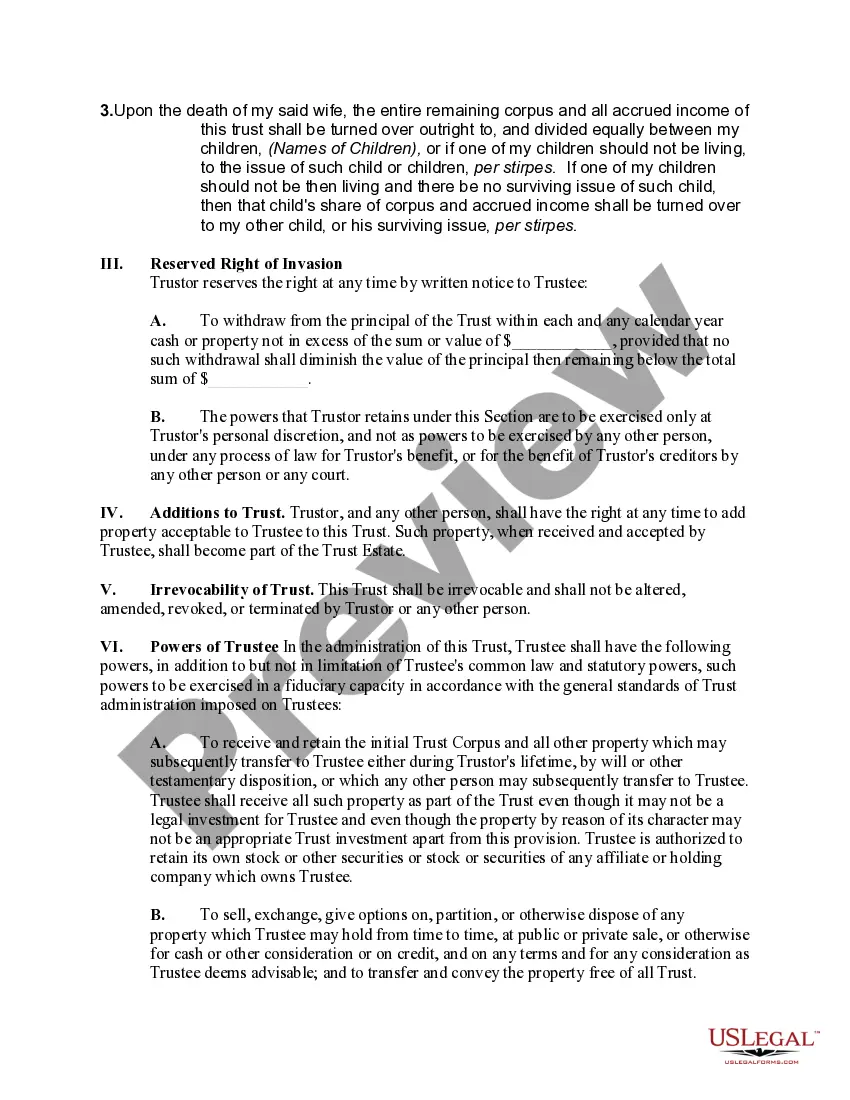
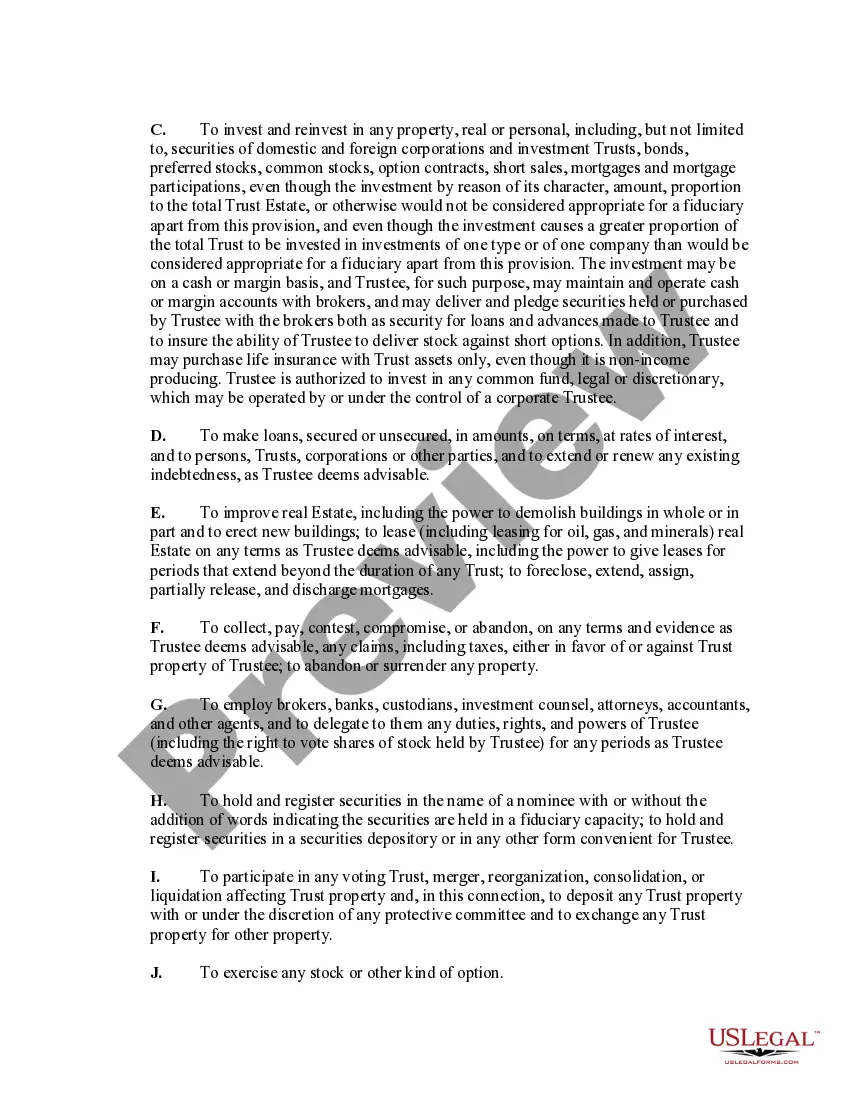
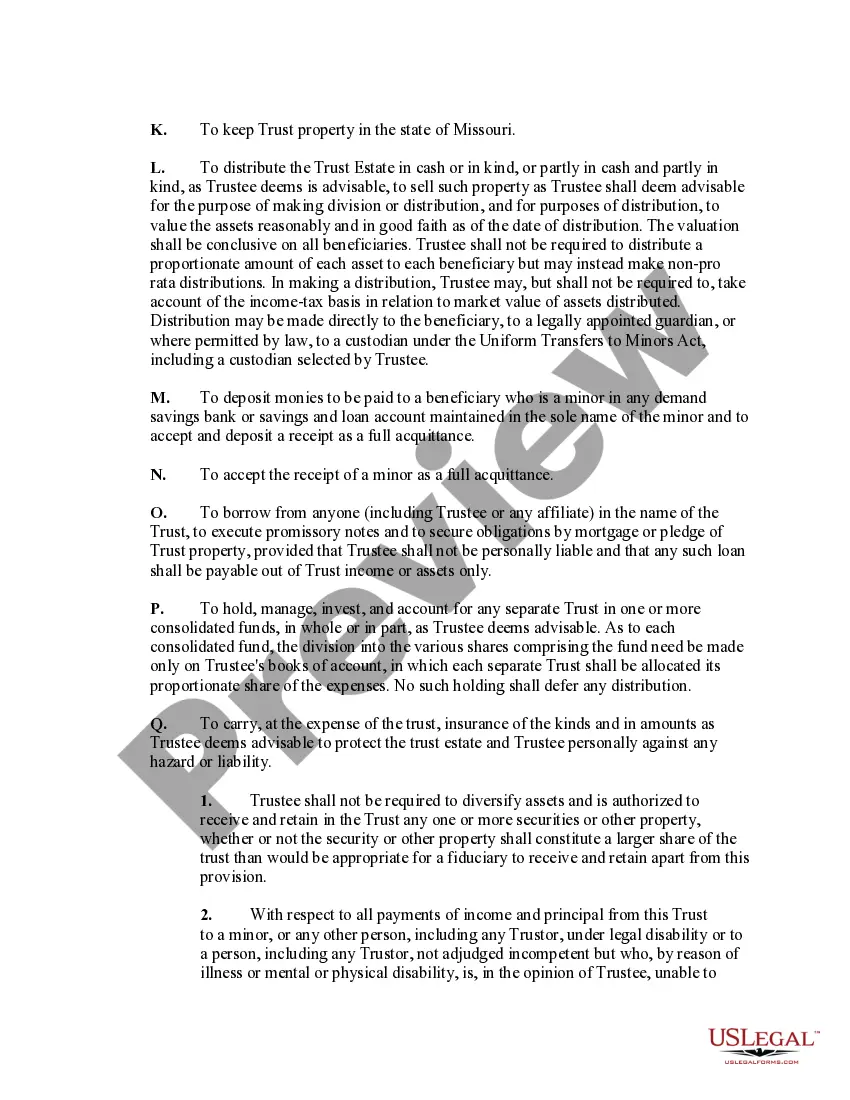
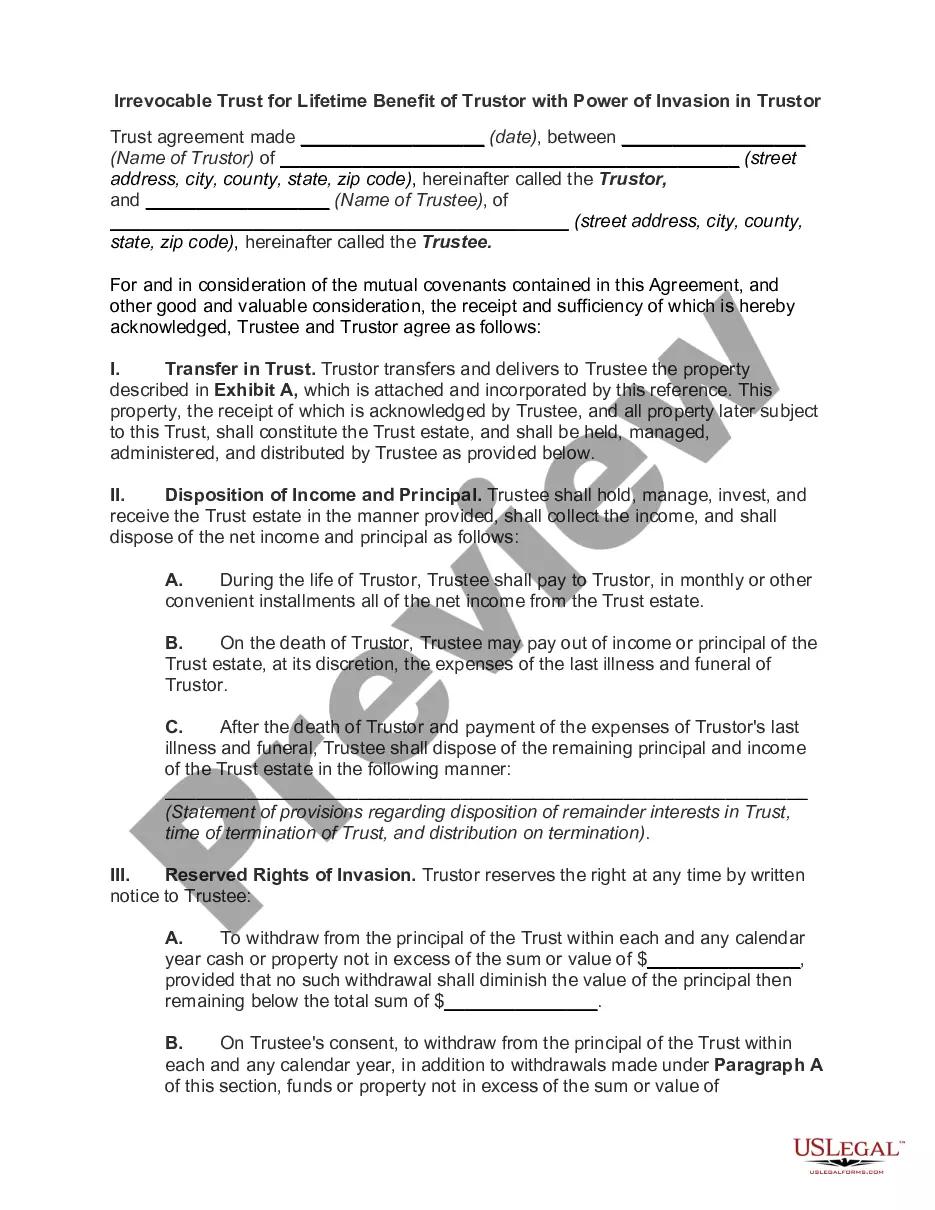
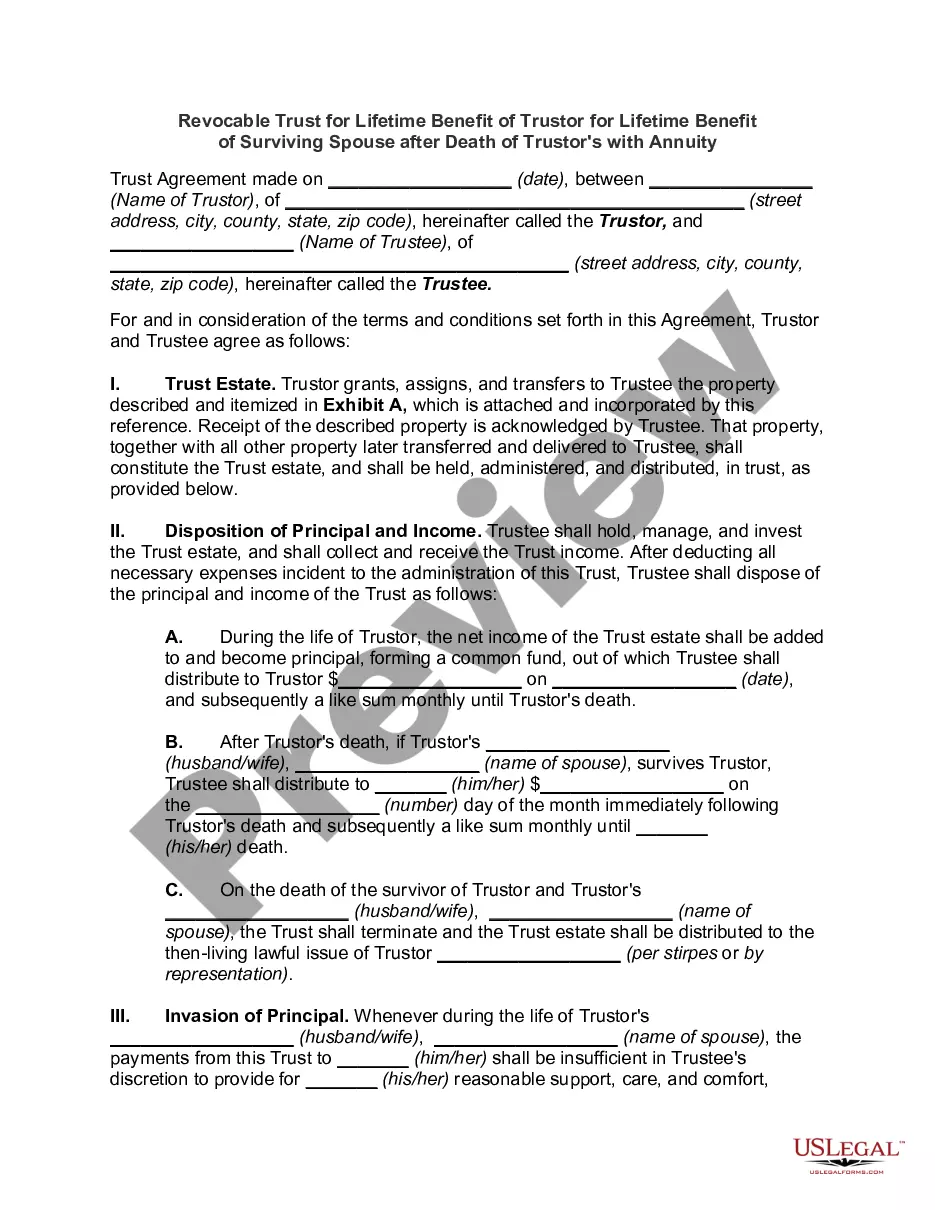
How to fill out Missouri Self-Settled Irrevocable Trust For Lifetime Benefit Of Trustor With Power Of Invasion In Trustor?
- Log in to your US Legal Forms account if you're a returning user, and click the Download button to save your form.
- If this is your first time, start by previewing the form description. Ensure it aligns with your local jurisdiction requirements.
- If adjustments are necessary, utilize the Search tab to find an alternative template that fits your needs.
- To proceed, click on the Buy Now button and select your preferred subscription plan. You’ll need to create an account for full access.
- Complete your purchase by entering your payment details or using PayPal for convenience.
- Finally, download your document to your device. You can access it anytime from the My Forms section in your profile.
Following these steps ensures you're well-equipped to establish your irrevocable trust with mortgage effectively.
US Legal Forms offers extensive resources, including over 85,000 editable documents and the option to consult with premium experts. Start your journey to legal clarity today!
Form popularity
FAQ
Yes, you can place your home in an irrevocable trust even if it has an existing mortgage, but you must notify your lender. This action could trigger due-on-sale clauses or other stipulations, so seeking legal and financial advice is crucial before proceeding. Additionally, using platforms like US Legal Forms can streamline the documentation required for managing an irrevocable trust with mortgage.
An irrevocable trust can be viewed as a disadvantage when flexibility and control over assets are priorities. Once assets are transferred into the trust, the trustee holds all authority, limiting the grantor's ability to make changes. If you find that your financial situation shifts, this lack of control can present significant challenges, especially when dealing with an irrevocable trust with mortgage.
Lending to an irrevocable trust carries several risks, primarily due to the trust's restrictions on asset management. If the borrower defaults, the lender may find it difficult to recoup losses since the borrower cannot alter the terms of the trust. This situation often results in higher interest rates and stringent approval processes for mortgages under an irrevocable trust.
Yes, you can secure a mortgage with an irrevocable trust, but it comes with specific challenges. Lenders will require an in-depth understanding of the trust's structure and its ability to meet mortgage obligations. It's essential to work with financial institutions experienced in handling such arrangements, and platforms like US Legal Forms can help clarify the process.
Banks often hesitate to lend to irrevocable trusts because these trusts limit the borrower's ability to access and control assets. Since the trust cannot be altered easily, lenders see increased risk in the event of a default. Moreover, most banks prefer to have clear collateral, and the nature of an irrevocable trust with mortgage complicates this aspect significantly.
To put your house in an irrevocable trust, you first need to create the trust document, outlining the terms and naming the trustee. Then, transfer the property title by signing a deed that designates the trust as the new owner. It is advisable to work with an attorney or use a reliable platform like US Legal Forms to ensure that all legal requirements are met and your irrevocable trust with mortgage is properly established.
Yes, you can place a house with a mortgage into an irrevocable trust, but expect some complexities. Both the lender and the terms of the mortgage will need to be considered, and you may need permission from the lender. Therefore, always review this option carefully to ensure it fits your needs when establishing an irrevocable trust with mortgage.
Placing your house in an irrevocable trust can be beneficial for asset protection and estate planning. However, this decision depends on your specific financial situation and goals. We recommend consulting with professionals who understand irrevocable trust with mortgage dynamics to determine if it's the right choice for you.
Lenders often view irrevocable trusts as risky due to their permanent nature and complexity. The inability to change trust terms can make it difficult for lenders to recover funds. When considering an irrevocable trust with a mortgage, it’s wise to discuss your options with financial professionals to understand potential lender concerns.
One major disadvantage of placing your house in an irrevocable trust is the loss of control over the property. Once established, you cannot change the terms without the consent of the beneficiaries. Additionally, when you have an irrevocable trust with a mortgage, this can complicate matters regarding mortgage payments and estate planning.